
Knob And Tube Wiring Outlet

So, you're kicking back, maybe scrolling through your phone, when you notice something a little… different about the outlets in your older home. They look a bit like they belong in a museum, right? You might be seeing what's called knob and tube wiring. Ever heard of it? It's like the electrical equivalent of a classic car – a bit charming, a bit quirky, and definitely something from a bygone era.
Now, before you go thinking your house is about to go all steampunk on you, let's break it down. Knob and tube wiring was actually the standard way we wired houses for electricity from the late 1800s all the way up to the 1930s. Yep, that's right. Think about it – this stuff powered the first lightbulbs in homes, the early radios, all that jazz. It’s been around for a while, and in its day, it was pretty darn cutting-edge!
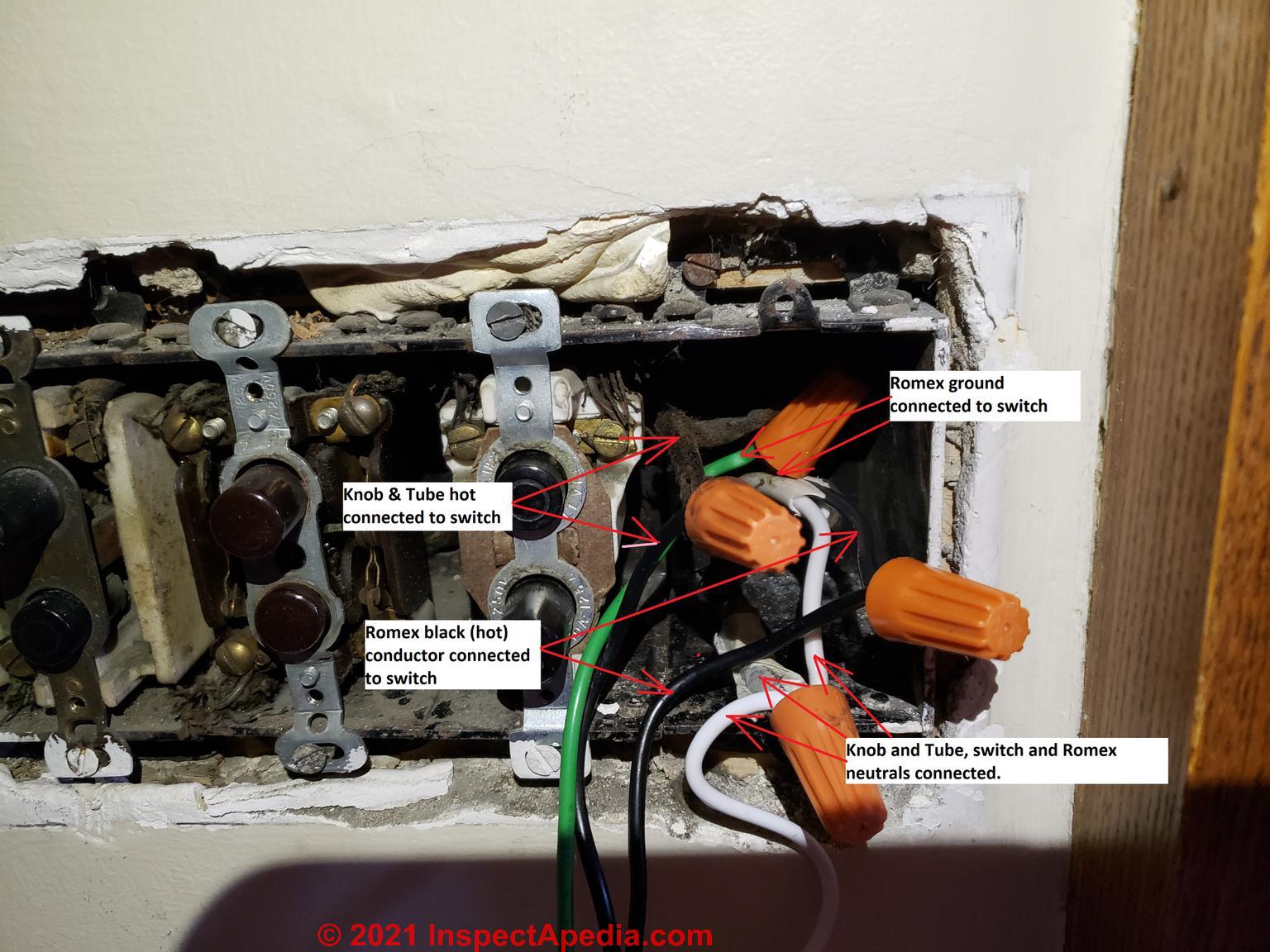
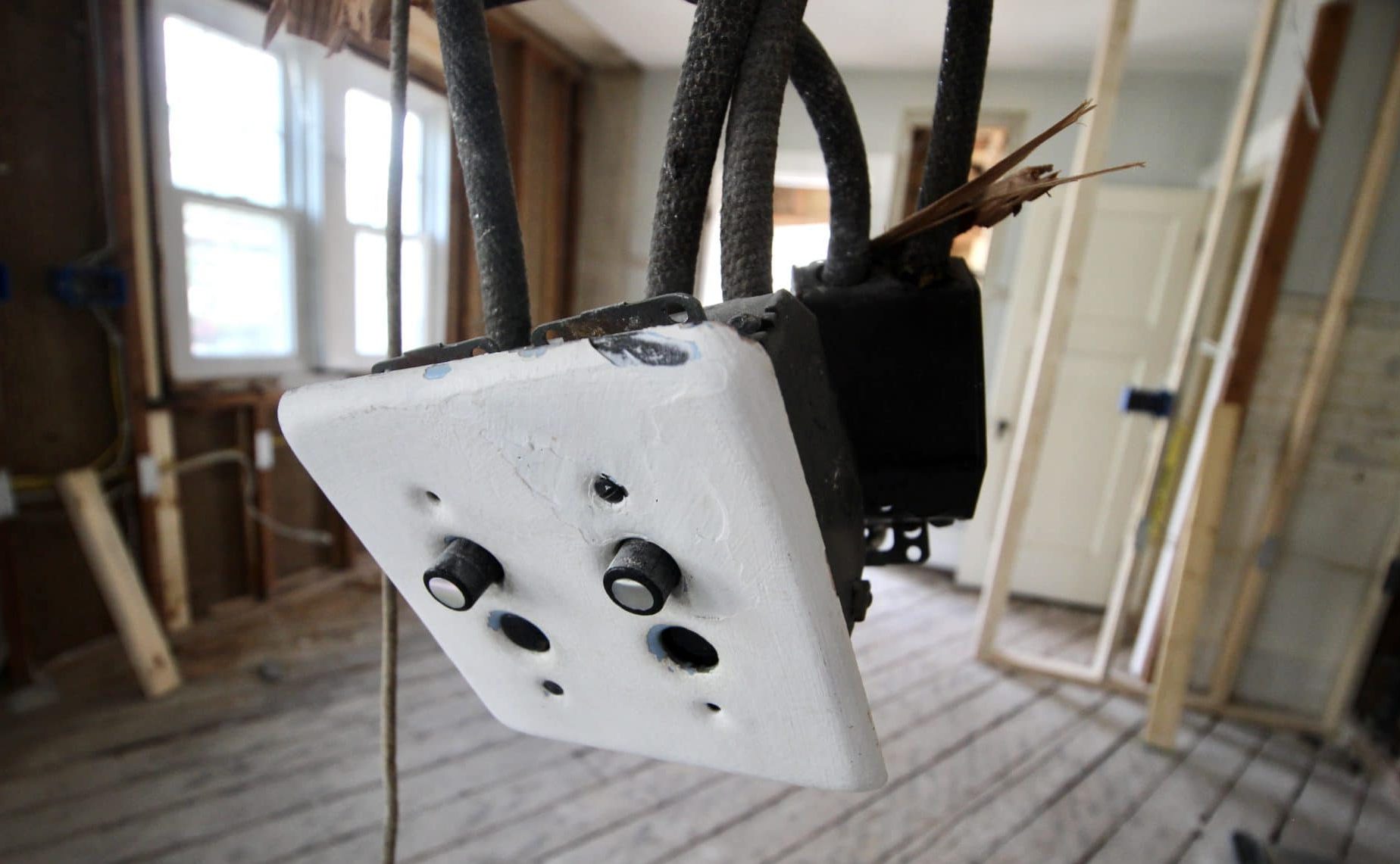
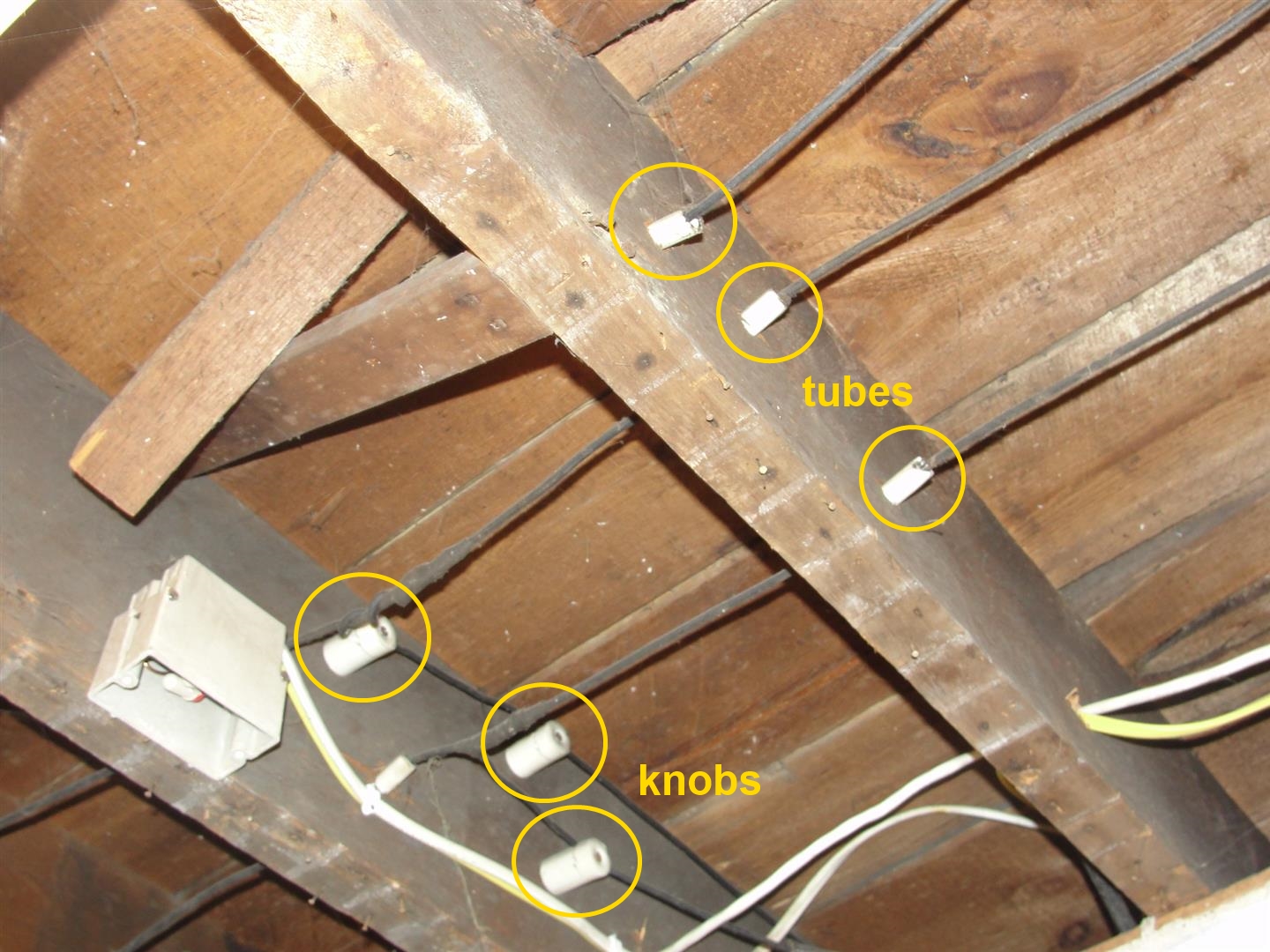
So, what exactly is this mysterious knob and tube setup? Imagine a bunch of wires, usually black and white (or sometimes red for hot wires), running through your walls. But instead of being neatly bundled in plastic sheathing like we see today, these wires are supported by little ceramic disks called knobs and run through porcelain tubes where they pass through wall studs or joists. It’s almost like the wires are wearing little ceramic hats and going for a walk through your house!
Why the Knobs and Tubes?
You might be wondering, "Why go to all that trouble?" Well, back then, electricity was still a bit of a newfangled wonder. They didn't have the same understanding of electrical safety and insulation materials that we do now. The knobs were there to keep the wires separated and suspended, preventing them from touching anything they shouldn't. The tubes acted as a protective sleeve, especially when wires had to pass through wood, which is flammable.
It’s a bit like how early airplanes had open cockpits and wooden frames. They worked, they got the job done, but they weren't exactly built with the aerodynamics or safety features of a modern jet. Knob and tube wiring served its purpose for its time, but times, and technology, have definitely changed.
One of the most interesting things about knob and tube wiring is how it was installed. It was often done by hand, with electricians carefully routing each wire. You won't find the perfectly uniform conduits you see in new construction. Instead, you might see wires snaking their way through your attic or basement, held aloft by these little ceramic guardians. It's almost like a hidden, artistic network within your home.
Is it Safe? The Big Question!
Okay, so here's where things get a little more serious, but still in a curious, not-panicked kind of way. While knob and tube wiring was safe for its time, it wasn't designed for the demands of modern electrical use. Our homes today are packed with more appliances and gadgets than our grandparents could have ever dreamed of. Think about all those chargers, big-screen TVs, microwaves, computers… they all draw a lot more power.
One of the main concerns with older knob and tube systems is that they often lack grounding. Modern outlets have three prongs for a reason – the third prong is a ground wire, which provides a safe path for electricity to flow away from your appliances and into the ground in case of a fault. Without this grounding, if something goes wrong with an appliance, the electricity might have nowhere safe to go, and that can be a fire hazard. It’s like driving a car with no seatbelts – it worked for a while, but we know better now.
Another issue is the insulation on the wires. Over time, the rubber or fabric insulation on knob and tube wires can become brittle and degrade. If this insulation cracks or breaks, exposed wires can come into contact with flammable materials, leading to potential fires. Imagine an old shoelace that’s frayed and falling apart – it’s not as strong or reliable as it once was.

Also, modifications can be a problem. If someone has added new circuits to an old knob and tube system without proper upgrades, it can lead to overloading and overheating. It’s like trying to plug in a super-powerful gaming PC into a socket that was designed to power a single lamp. It just wasn’t built for that kind of load.
The "Cool" Factor: A Glimpse into the Past
Despite the safety concerns, there's something undeniably cool about knob and tube wiring. It’s a tangible link to the early days of electricity and how our homes were first electrified. When you see those ceramic knobs and tubes, you're not just looking at old wires; you're looking at a piece of history. It’s a testament to human ingenuity and the drive to bring light and power into our lives.
Think of it like finding an old, perfectly preserved vinyl record. It might not have the convenience of a Spotify playlist, but there’s a certain romance and authenticity to it. Knob and tube wiring is the vinyl record of electrical systems. It tells a story.
And for electricians who work with it, it can be a bit of a puzzle and a source of pride. Properly identifying and understanding these older systems requires a specific kind of knowledge. It’s like being a historian who can read ancient texts – it takes skill and dedication.
When Should You Worry (and What to Do)?
So, if you have knob and tube wiring, should you be freaking out? Not necessarily! Many older homes with knob and tube are still perfectly safe, especially if they haven’t been significantly altered and are regularly inspected. The key is awareness and professional assessment.
If you’re buying an older home, it's absolutely crucial to have a thorough electrical inspection. A qualified electrician can assess the condition of your knob and tube wiring, identify any potential risks, and recommend the best course of action. They’re the experts, after all!
In many cases, the recommendation will be to upgrade the wiring. This might sound like a big, expensive project, and it can be. But it’s an investment in the safety and longevity of your home. Think of it as giving your house a modern electrical heart transplant. It allows you to safely power all those modern devices without worry.
Sometimes, the upgrade might involve partial replacement, or carefully integrating new wiring alongside the old, ensuring everything is up to current safety standards. It’s not always about ripping everything out; it’s about making smart, safe improvements.
Ultimately, knob and tube wiring is a fascinating reminder of how far we've come in electrical technology. It's a piece of history that's still humming along in some homes, a little bit quirky, a little bit charming, and a great conversation starter. Just remember to give it the respect and attention it deserves, and always consult with the pros to keep your home safe and sound!