
Light Gauge Steel Frame Construction

Ever driven past a construction site and seen these really thin, silver-colored metal beams being pieced together? You know, the ones that look almost like they’re made of folded paper, but somehow manage to hold everything up? That, my friends, is the magic of light gauge steel framing. And honestly? It’s pretty darn cool.
Think about traditional building methods. We’re talking about big, chunky timbers or heavy concrete. Great for certain things, no doubt. But what if you could build just as strong, if not stronger, with something that feels a bit more… delicate? Like building a house out of a really sturdy, yet surprisingly lightweight, metal origami?
So, what exactly is light gauge steel framing? In a nutshell, it’s using thin, cold-formed steel members (that’s just fancy talk for pieces of steel that have been shaped without being heated up) to create the skeleton of a building. Instead of thick wooden studs, you’ve got these C-shaped or L-shaped steel pieces that bolt, screw, or clip together. It's like a super-powered Meccano set for grown-ups.
Why is this even a thing? Well, imagine you’re building something. You want it to be strong, right? You want it to last. You also probably want it to be efficient, meaning you don’t want to be lugging around ridiculously heavy materials all day. This is where light gauge steel really shines.
Let's talk about weight for a sec. Steel, even in these thin profiles, is incredibly strong. It's like comparing a regular pencil to a really sharp, precise laser pointer. Both can make a mark, but the laser is far more powerful and controlled. Light gauge steel gives you that strength without the massive weight. This can make a huge difference on site. Less strain on the foundations, easier to lift and maneuver materials – it’s a win-win.
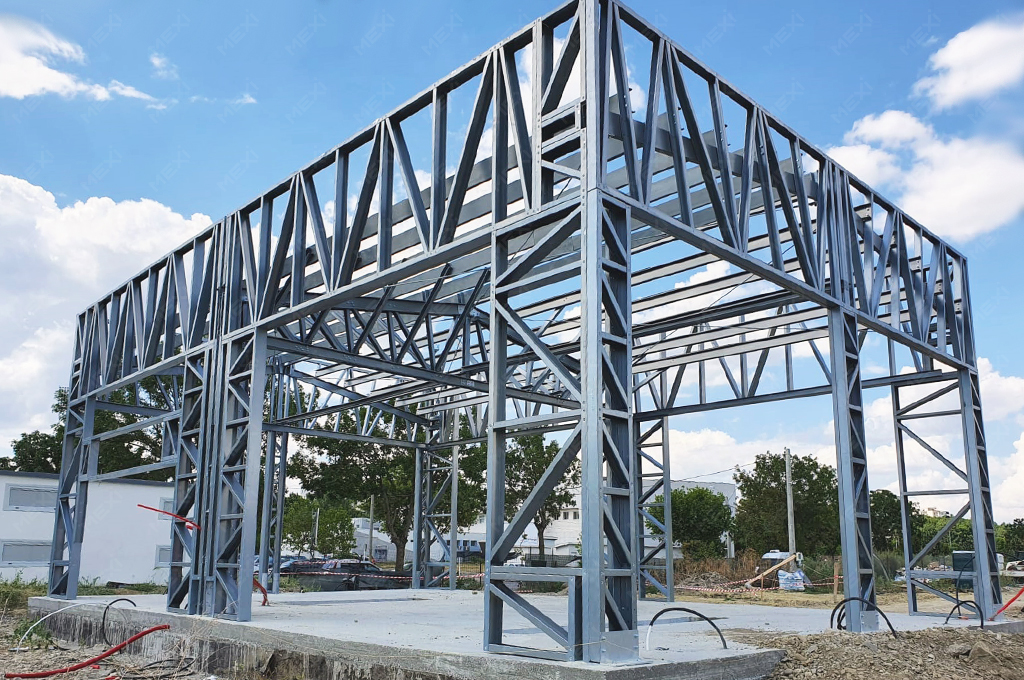
And durability? Oh boy. We all know what wood can do. Termites, rot, fires. It’s a bit of a gamble, isn’t it? Steel, on the other hand, is pretty much immune to those pests. It doesn't warp, twist, or decay. Think of it like this: would you rather have a fortress built of ancient, slightly decaying wood, or one built of gleaming, unyielding metal? Okay, maybe that’s a bit dramatic, but you get the idea. Light gauge steel is built to last.
Plus, when it comes to fire resistance, steel is a superhero. While wood can go up in flames pretty quickly, steel just… sits there. It might get hot, but it won't burn. This is a massive advantage, especially for buildings where safety is paramount.
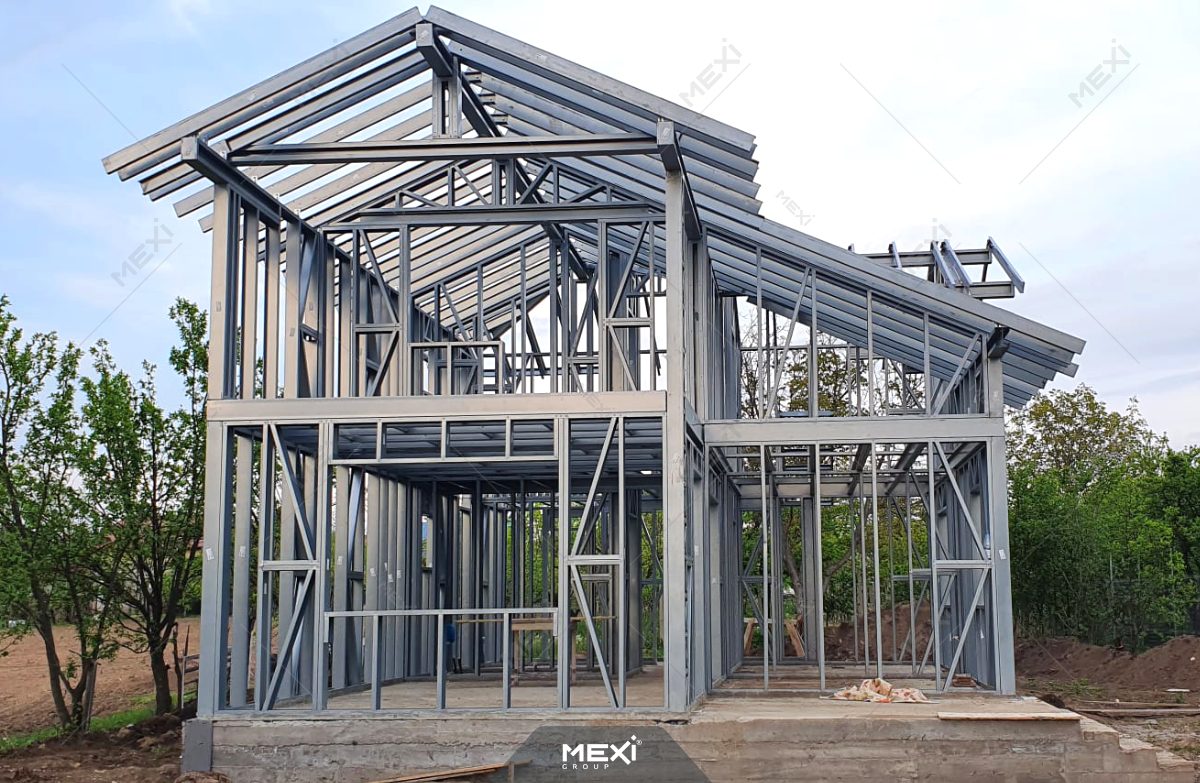
Now, you might be thinking, "But isn't steel expensive?" That's a fair question! And sometimes, the initial material cost can be a bit higher than, say, dimensional lumber. But here's where the "cool" factor really kicks in with the long game. Because it's so precise and prefabricated, there's a lot less waste on site. You’re not hacking away at oversized beams and tossing scraps. It’s more like… fitting together perfectly cut puzzle pieces. This means fewer trips to the dump, less labor spent trimming and adjusting, and ultimately, a more cost-effective project overall.
So, how does it actually go together?
It’s a bit like assembling IKEA furniture, but on a much grander scale and with way more specialized tools. Workers use specialized screws and clips to connect the various steel studs, tracks, and bracing members. The precision of the manufacturing means that pieces fit together beautifully, creating a very accurate and stable frame. You don't get those little inconsistencies you can sometimes find with wood.
Think about building with LEGO bricks. Each brick is designed to fit perfectly with the others, creating a stable structure. Light gauge steel framing operates on a similar principle of standardized, interlocking components. This leads to a really predictable and repeatable construction process.

What makes it "light gauge" anyway?
The "gauge" refers to the thickness of the steel. Light gauge steel typically uses steel sheets that are thinner than what you'd find in, say, a car body. These sheets are then cold-formed into specific shapes. It’s a really clever engineering trick – by shaping the metal, you give it a lot more strength and rigidity than you would expect from its thinness. It’s like folding a piece of paper into a fan; it becomes much sturdier than a flat sheet.
This precise shaping is often done using advanced machinery. So, a lot of the components can be manufactured off-site to exact specifications. This means when they arrive at the construction site, they’re ready to be assembled, saving a ton of time and reducing the potential for errors. It’s a bit like getting a pre-built model airplane versus having to cut out and glue all the pieces yourself. Much faster, much cleaner.

And the applications? It’s not just for houses! Light gauge steel framing is becoming incredibly popular for all sorts of buildings. Think about apartment blocks, office buildings, hotels, hospitals, even schools. Because it’s so versatile, it can be used for both interior walls and exterior load-bearing structures. It can create sleek, modern designs that might be trickier or more expensive to achieve with traditional materials.
One of the coolest aspects is its design flexibility. Because the framing is so precise and strong, architects can get a bit more creative. You can have larger open spaces, complex curves, and unique architectural features that might otherwise be challenging to engineer. It’s like having a blank canvas where the underlying structure doesn't limit your imagination as much.
So, the next time you see those silver beams going up, take a moment to appreciate them. They’re not just pieces of metal; they’re the backbone of modern, efficient, and durable construction. It’s a testament to how smart engineering and innovative materials can change the way we build our world, making it stronger, safer, and perhaps a little bit cooler too. It’s a quiet revolution happening on construction sites everywhere, one precisely shaped steel member at a time.