
Lightest Metal In The Periodic Table

Hey there, fellow explorers of the fascinating world of science! Ever just sit and wonder about the tiny building blocks that make up everything around us? Like, what’s the deal with all these elements on the periodic table? They all seem pretty different, right? Some are heavy and shiny, others are gassy and invisible.
Well, today, we’re going to zoom in on a particular element that’s got a bit of a… shall we say, feather-light reputation. We’re talking about the absolute champion of lightness when it comes to metals. Yep, you guessed it (or maybe you didn't, and that's cool too!), we're diving into the world of the lightest metal on the entire periodic table!
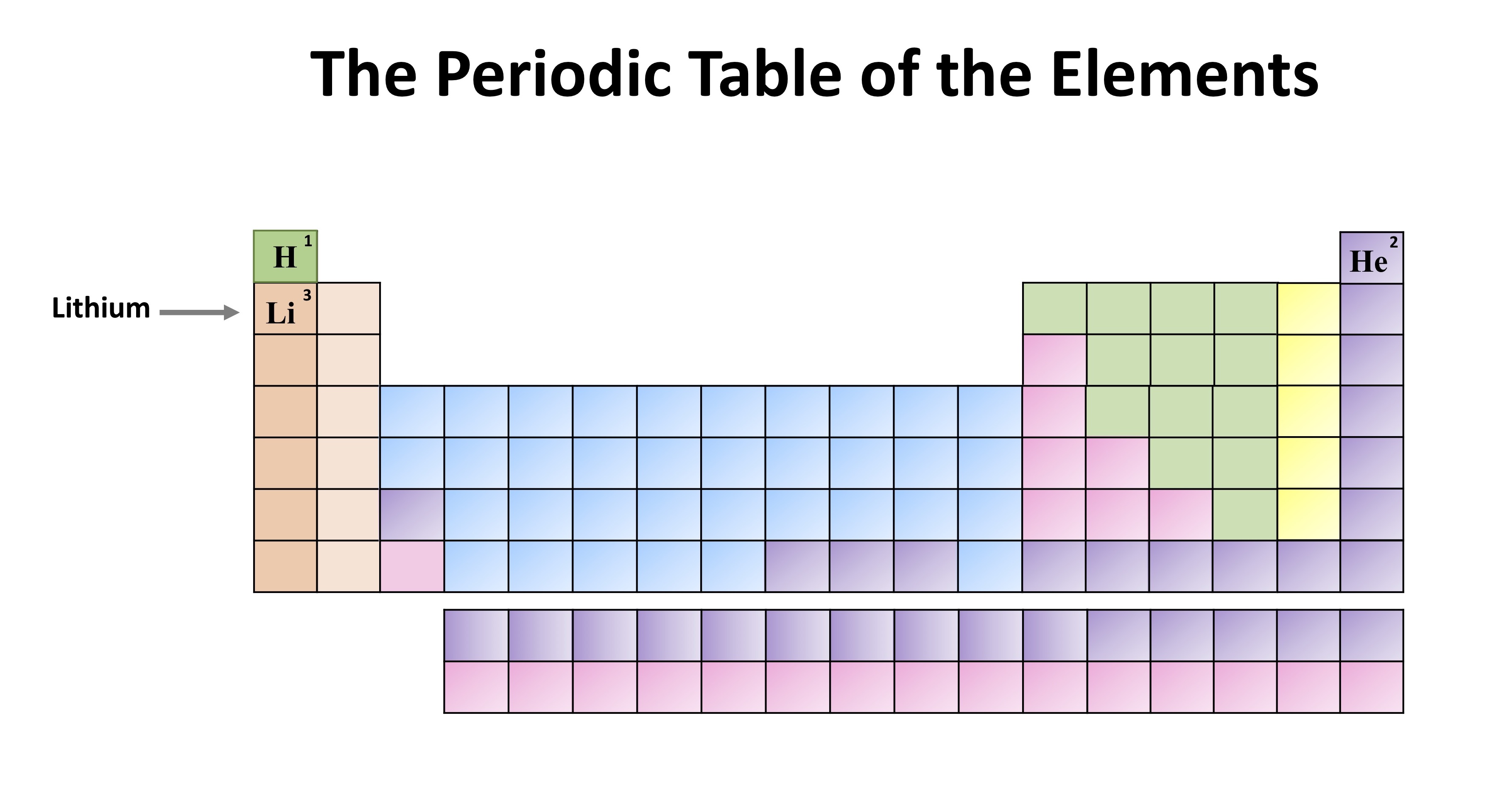
So, what is this elusive, almost-too-light-to-be-a-metal wonder? Drumroll please… it’s Lithium!
Now, before you picture some super-fancy, super-rare element only found on distant planets, let’s get real. Lithium is actually pretty common, geologically speaking. It's found in rocks and even in tiny amounts in seawater. Pretty neat, huh? But what makes it stand out in the crowd of metals? Its weight, or rather, its lack thereof!
Why Is Lithium So Light?
Let's break it down in a super simple way. Imagine building with LEGO bricks. Atoms are like those bricks, and they’re made of even smaller bits: protons, neutrons, and electrons. The number of protons and neutrons packed into the center of an atom (the nucleus) is what gives an element its weight. Lithium, with its measly 3 protons and usually 4 neutrons, is just… well, it’s got less stuff in its core compared to, say, iron or gold. Less stuff means less weight!
Think of it like this: if you had a box of feathers and a box of rocks, which one would be easier to carry around? The feathers, right? Lithium is kind of like the atom equivalent of that box of feathers, especially when you compare it to heavier metals. It’s got a real spring in its step, energetically speaking!
Lithium’s Superpowers (and Why We Care)
Okay, so it’s light. Cool. But why is this a big deal? Why should we be excited about a lightweight metal? Well, my friends, lithium’s lightness isn’t just a fun fact; it’s the key to some of its most amazing abilities and applications. It’s like how a hummingbird’s small size allows it to hover and dart around with incredible agility. Lithium’s small size and electron structure give it some serious superpowers.
The most obvious place you encounter lithium’s magic is probably in your pocket or on your desk. Yep, I’m talking about rechargeable batteries! That’s right, the batteries powering your smartphone, your laptop, your electric car – many of them rely on lithium’s incredible ability to store and release energy efficiently.

Why is lithium so good at this battery game? It’s all about those electrons we talked about earlier. Lithium is super eager to give up one of its electrons. In a battery, this "giving up" of an electron is how we create electrical current. And because lithium is so small and light, we can pack a lot of it into a battery, meaning more power in a smaller, lighter package. It’s like getting a whole power station into a tiny, portable box!
Imagine trying to power your phone with a battery made of lead. You'd probably need a wheelbarrow! Lithium’s lightness means we can have powerful devices that are also portable and easy to handle. It’s a game-changer for our modern, on-the-go lifestyles.
But the battery story doesn't stop there. Think about the future of transportation. Electric cars are becoming more and more common, and what’s at the heart of their power? You guessed it – lithium-ion batteries. Lighter batteries mean electric cars can go further on a single charge, making them a more practical and attractive option for everyone. It’s like giving your car a super-light, super-efficient fuel tank!
Beyond batteries, lithium has some other pretty cool tricks up its sleeve. It's used in some specialty glass and ceramics, making them stronger and more resistant to heat. Think about those high-tech oven dishes or lab equipment – lithium might be playing a role in making them tougher.
And here’s a really interesting one: lithium compounds have been used in medicine to treat certain mood disorders, like bipolar disorder. While the exact mechanisms are still being researched, it’s thought that lithium can help to regulate brain chemistry, bringing a sense of balance. It’s amazing to think that something so physically light can have such a profound impact on something as complex as the human brain.
Lithium vs. The Rest of the Metals
Let's have a little fun and put lithium in perspective. How does it stack up against some of its heavier metal cousins? If we were to take the same volume of lithium and, say, iron, the lithium would be dramatically lighter. It’s like comparing a balloon filled with air to a solid block of the same size. The balloon is way lighter, right?

Or consider this: if you had a bucket of lithium and a bucket of lead, the lead bucket would weigh a ton more (pun intended!). Lead is one of the densest metals, meaning it packs a lot of mass into a small space. Lithium is the opposite – it’s all about keeping things breezy and light.
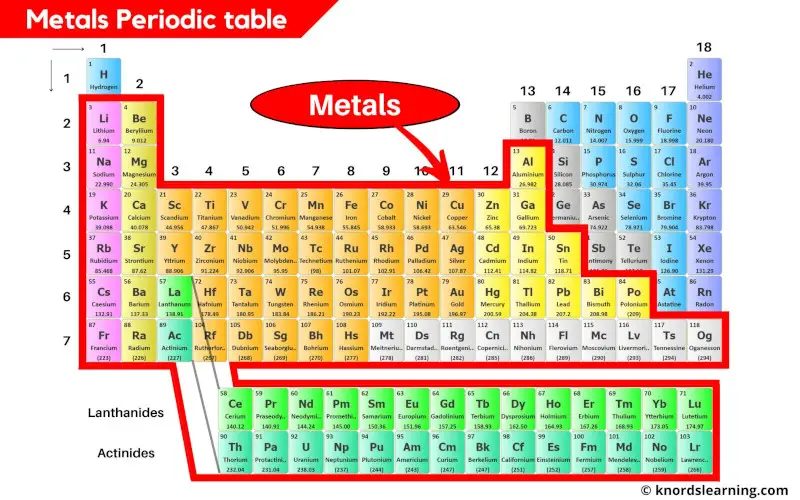
Even when compared to other alkali metals, its metallic siblings in the same group on the periodic table, lithium is the lightest. Sodium and potassium, for example, are also quite reactive and have their own uses, but they’re noticeably heavier. Lithium is the little brother who’s always trying to prove he’s just as strong, but in its own unique, lightweight way.
So, next time you’re scrolling on your phone, or admiring an electric car, or even just thinking about the incredible diversity of elements that make up our universe, take a moment to appreciate the humble, yet mighty, lithium. This little metal, the lightest of them all, is silently powering our present and shaping our future in ways that are truly remarkable. It’s a perfect example of how even the smallest things can have the biggest impact!