
List Of Heavy Metal Genres

Hey there, fellow sonic adventurers! Ever found yourself lost in a sea of distorted guitars and earth-shattering drums, wondering where it all came from and what all these different labels even mean? You're not alone. The world of heavy metal is a sprawling, magnificent beast, and while it might seem intimidating from the outside, it’s actually brimming with diverse subgenres, each with its own flavor, attitude, and devoted following. Think of it like a really cool, really loud record store – there’s something for everyone, you just need to know where to look. So, grab your favorite beverage (mine’s usually something dark and mysterious, fitting the mood, right?) and let’s dive into this epic sonic landscape, keeping it as chill as a mosh pit on a Sunday morning.
We're not talking about a dry academic lecture here. This is your friendly guide, your backstage pass to understanding the sonic tapestry of heavy metal. We’ll explore the roots, the branches, and maybe even some of the weirder, more experimental foliage. Think of it as a leisurely stroll through a thunderous forest, spotting all the unique trees. Ready to rumble?
The Big Bang: Where It All Started
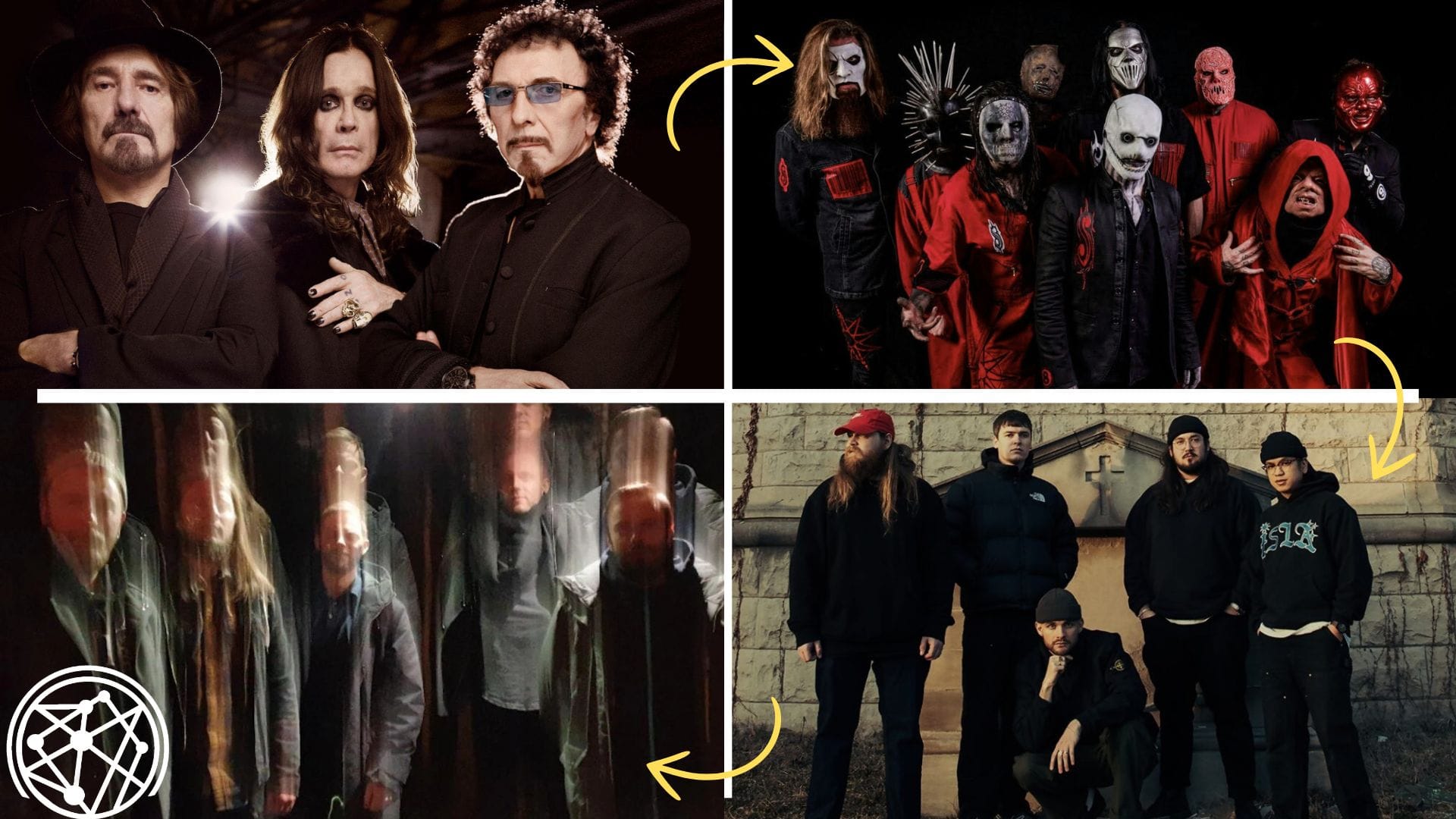
Every epic story has a beginning, and for heavy metal, it’s generally credited to the late 1960s and early 1970s. Bands like Black Sabbath, Led Zeppelin, and Deep Purple were messing around with blues rock, adding a heavier edge, louder amps, and darker lyrical themes. This wasn't just loud music; it was moody music, exploring themes of darkness, the occult, and societal anxieties. They were the OG architects, laying down the concrete foundation for everything that followed.
Fun Fact: Black Sabbath's iconic self-titled debut album, released in 1970, was reportedly recorded in a single day! Talk about efficiency. Imagine trying to get a whole album done in a day nowadays, with all the sonic perfectionism. They just plugged in and let the riffs fly.
The First Major Branch: Traditional Heavy Metal
From these foundations, traditional heavy metal emerged. Think of bands like Judas Priest, Iron Maiden, and Motörhead. This is the stuff of leather jackets, denim, and epic guitar solos that make you want to air guitar like nobody's watching. The vocals are often powerful and soaring, the riffs are catchy but heavy, and the drumming is driving and relentless. It’s the kind of music that makes you feel invincible, like you could conquer the world, or at least the weekend.
If you’re dipping your toes in, this is a fantastic starting point. Put on some Iron Maiden's "The Number of the Beast" and see how you feel. Chances are, you’ll be bobbing your head before you even realize it. It’s accessible, it’s energetic, and it’s pure, unadulterated rock and roll with a serious kick.
The Thrash Revolution: Speed and Fury
As the 70s bled into the 80s, things started to get… faster. And angrier. Enter thrash metal. Bands like Metallica (early stuff, of course!), Slayer, Megadeth, and Anthrax took the aggression of heavy metal and cranked it up to eleven. Think rapid-fire guitar riffs, double-bass drumming that sounds like a stampede, and vocals that are often shouted or growled. Lyrical themes often tackled social issues, war, and rebellion.
This is the genre that gave us the legendary "Big Four of Thrash." These bands weren't just making music; they were making a statement. They represented a more raw, unfiltered, and often politically charged side of metal. Listening to early Metallica’s "Master of Puppets" is like an adrenaline shot for your ears. It’s intense, but in the most exhilarating way possible.

Practical Tip: If you’re new to thrash, start with albums that are considered foundational. It’s like reading the classics before diving into modern literature. You’ll appreciate the evolution and the pure impact of these albums.
The Underground Roars: Black Metal and Death Metal
Now, things start to get really interesting, and for some, a little more challenging. The underground metal scene in the late 80s and early 90s gave birth to two incredibly distinct and influential genres: black metal and death metal. These are not for the faint of heart, but they are incredibly important to understanding the breadth of metal.
Death metal, spearheaded by bands like Death (yes, the band!), Cannibal Corpse, and Morbid Angel, is characterized by guttural vocals (often called "growls"), blast beat drumming, heavily distorted guitars with complex, often dissonant riffs, and lyrics that delve into topics like gore, horror, and the macabre. It’s extreme, it’s raw, and it’s a cathartic release for many.
Black metal, originating primarily from Norway, is known for its raw, lo-fi production, tremolo-picked guitar riffs, blast beats, high-pitched shrieking vocals, and lyrical themes often centered around Satanism, paganism, misanthropy, and nature. Bands like Mayhem, Darkthrone, and Burzum are often cited as pioneers, though the genre is also known for its controversial elements.
Cultural Note: Both death and black metal have developed distinct visual aesthetics, from album art to band logos, often reflecting their lyrical themes. They are also genres that have deeply personal and often introspective connections for their fans, despite the extreme sound.
The Melodic Turn: Power Metal and Melodic Death Metal
Not all heavy music has to be a relentless assault. Some branches focus on melody and epic storytelling. Power metal, with bands like Helloween, Blind Guardian, and DragonForce, brings soaring vocals, often operatic or falsetto, fast tempos, epic symphonic elements, and lyrical themes of fantasy, mythology, and heroism. It’s like the soundtrack to a medieval adventure. Think intricate guitar solos and choruses you can sing along to at the top of your lungs.
Then there’s melodic death metal, often abbreviated as melodeath. Bands like In Flames, At the Gates, and Dark Tranquillity fused the aggression of death metal with more melodic guitar harmonies and cleaner vocals alongside the growls. It’s a potent blend of brutality and beauty, offering catchy melodies within a heavier framework. It’s the perfect soundtrack for when you need to feel powerful but also appreciate a well-crafted tune.
Fun Fact: Power metal is often associated with a sense of optimism and epic fantasy, making it a great genre for escapism. Imagine battling dragons with a power metal soundtrack playing. It just makes sense!
The Groove and The Sludge: Groove Metal and Doom Metal
Sometimes, you don't need breakneck speed. You need something that hits you like a ton of bricks, something with a powerful, head-nodding rhythm. Enter groove metal. Bands like Pantera, Lamb of God, and Machine Head are masters of this. They take elements of thrash and combine them with a heavy, often syncopated, rhythm that just makes you want to move. The riffs are thick, the vocals are aggressive, and the overall feel is powerful and commanding.
On the slower, heavier end of the spectrum, we have doom metal. Think Black Sabbath again, but amplified and slowed down to a crawl. Bands like Candlemass, Electric Wizard, and My Dying Bride create a thick, oppressive atmosphere. The tempos are glacial, the riffs are massive and often repetitive, and the vocals can range from deep croons to anguished screams. It’s music for contemplation, for embracing the heavy, and for feeling the weight of the world (in a good, cathartic way).
Practical Tip: If you’re feeling stressed, put on some groove metal. That rhythmic aggression can be surprisingly therapeutic. Or, if you need to slow down and process things, doom metal might be your jam. It’s music that encourages you to lean into the feeling.
The Modern Mix: Nu Metal, Metalcore, and Progressive Metal
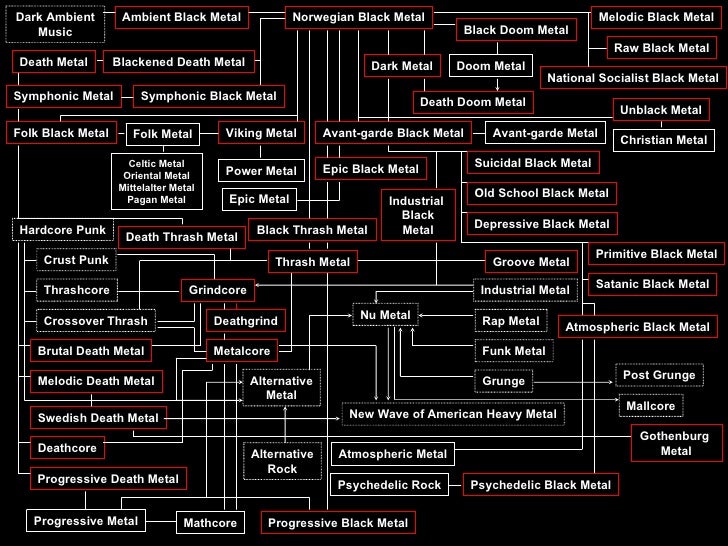
The 90s and 2000s saw a lot of experimentation and blending of styles, leading to some of the most commercially successful metal genres. Nu metal, popularized by bands like Korn, Limp Bizkit, and Linkin Park, incorporated elements of hip-hop, funk, and alternative rock into a heavy metal framework. It often featured down-tuned guitars, rap-infused vocals, and themes of personal angst and alienation.
Metalcore, on the other hand, is a fusion of extreme metal (often hardcore punk) and metal. Bands like Killswitch Engage, As I Lay Dying, and Parkway Drive are known for their breakdowns (sections of slow, heavy, rhythmic playing), melodic choruses, and aggressive verses that often feature harsh vocals alongside clean singing. It’s a dynamic genre that balances aggression with melodic hooks.
Then there’s the mind-bending world of progressive metal. Bands like Dream Theater, Tool, and Opeth are known for their complex song structures, intricate musicianship, unusual time signatures, and often lengthy compositions. These are albums you can get lost in for hours, dissecting every nuance. It’s metal that demands your attention and rewards it with immense musical depth.
Cultural Reference: Nu metal had a huge impact on fashion and youth culture in the late 90s and early 2000s. Its blend of styles reflected a generation exploring identity and challenging traditional norms.
The Experimental Frontier: Djent and Avant-Garde Metal
As metal has matured, so has its willingness to push boundaries. Djent, a subgenre that gained traction in the late 2000s and early 2010s, is characterized by a heavily percussive, palm-muted guitar sound that often creates a "djent" or "chug" rhythm. Bands like Meshuggah (who are often cited as pioneers), Periphery, and Animals as Leaders explore complex rhythmic patterns and often incorporate technical musicianship.
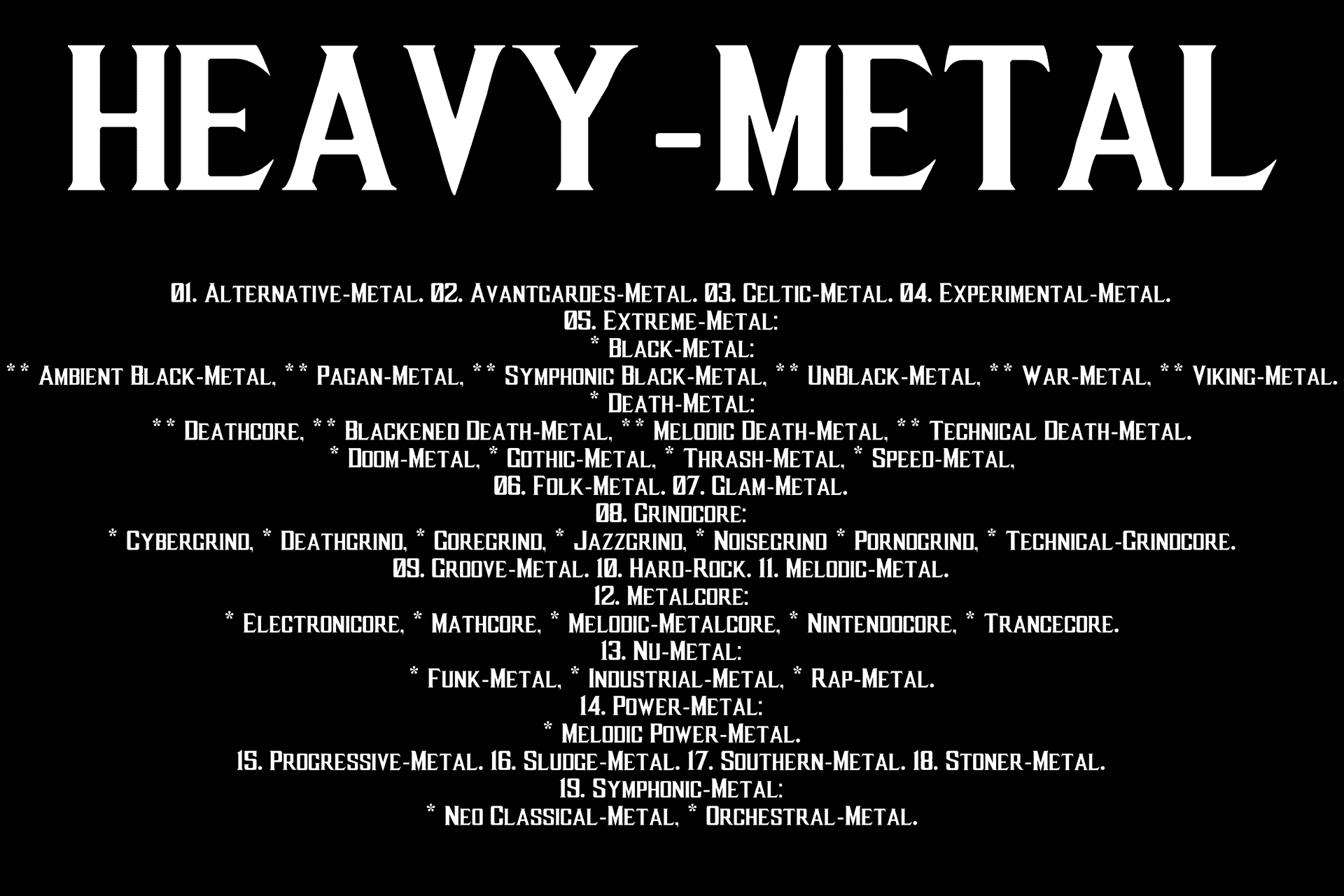
Avant-garde metal is perhaps the most experimental of all. This genre is less about a specific sound and more about a philosophy of pushing musical boundaries, incorporating elements from diverse genres like classical, jazz, electronic music, or even folk. Bands like Mr. Bungle, Ihsahn, and Solefald are known for their unexpected twists, unconventional song structures, and willingness to defy categorization. It’s metal that makes you scratch your head and say, "What was THAT?" in the best possible way.
Personal Reflection: Exploring these more experimental genres is like discovering a secret garden in a vast forest. It might not be for everyone, but for those who venture in, the rewards are immense and often surprising. It’s about embracing the unexpected and finding beauty in the unconventional.
So, Where Do You Start?
This list, by no means exhaustive, is just a taste of the incredible diversity within heavy metal. From the raw power of thrash to the atmospheric depths of doom, there’s a whole universe of sound waiting to be explored. The beauty of it is, you don't need to be a seasoned metalhead to appreciate it. You just need an open mind and a willingness to turn up the volume.
Think of it like building your perfect playlist. Start with something that catches your ear. Maybe it’s the sheer energy of a classic heavy metal anthem, the intricate melodies of power metal, or the guttural intensity of death metal. Let your curiosity be your guide. Don't be afraid to jump between genres, to discover connections you never expected. This is your sonic journey, and the only rule is to enjoy the ride.
Ultimately, heavy metal, in all its glorious forms, is about catharsis, expression, and a powerful connection. It’s about finding that sonic release, that feeling of being understood, or even just that primal urge to headbang. Whether you’re using it to power through a tough workout, to soundtrack a rainy afternoon, or to simply find a moment of pure, unadulterated energy, there’s a metal genre out there waiting to become your new favorite soundtrack.
In our busy, often chaotic daily lives, finding those moments of pure, unadulterated energy or profound release can be a challenge. We’re constantly bombarded with noise, demands, and expectations. Heavy metal, in its many forms, offers a powerful antidote. It’s a space where you can confront intensity, process complex emotions, and tap into a raw, authentic energy. It’s not just music; it’s a feeling, a community, and a way of navigating the world with a little more grit and a lot more volume. So go on, crank it up, and let the metal move you.