
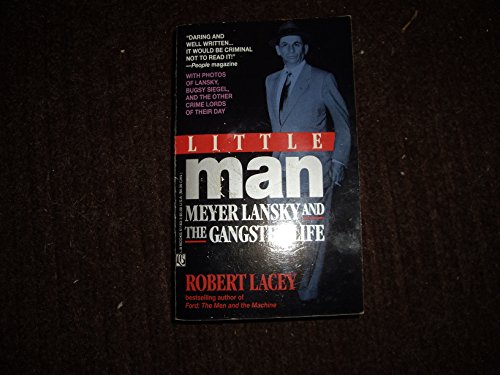
Little Man Meyer Lansky And The Gangster Life

Ever found yourself binge-watching a period drama, mesmerized by the slick suits, the hushed backroom deals, and the sheer audacity of it all? You know, the kind of show where the music oozes cool and every dialogue crackles with unspoken tension. Well, buckle up, because today we’re taking a stroll down memory lane, not with a Hollywood-produced epic, but with the real-life legend of Meyer Lansky, often referred to as "Little Man," and his notorious crew. It's a story that’s less about gratuitous violence (though, let’s be real, it was there) and more about brains, strategy, and building an empire, all from the gritty streets of New York City.
Forget the capes and capes of superheroes; the real power players of the early 20th century often operated in the shadows, their influence stretching far beyond what the casual observer might imagine. Meyer Lansky, a man whose unassuming stature belied a colossal intellect, was one such architect of organized crime. Born Maier Suchowljansky in Grodno, Russia, in 1902, he arrived in America with his family, like so many others, seeking a better life. Little did anyone know, he’d end up reshaping the very definition of what a "better life" could mean, at least for those in the know.
The Accidental Hustle
So, how does a kid from the Lower East Side become one of the most feared and respected figures in the underworld? It wasn't exactly a planned career path, more of an organic evolution of necessity and opportunity. The era was ripe for it. Prohibition had turned a nation thirsty for a drink into a nation of resourceful entrepreneurs. Lansky, with his sharp mind and innate understanding of numbers, saw not just a problem, but a lucrative solution.
He wasn't a brute, mind you. Lansky’s genius lay in his ability to organize, plan, and manage. Think of him as the original business consultant, but with a slightly different clientele and a much more… permanent retirement plan. He wasn't the one cracking heads; he was the one ensuring the heads that did crack were part of a well-oiled, profitable machine. It’s a fascinating dichotomy, isn’t it? A man who valued order and precision in a world that often devolved into chaos.
Enter the Gang
Lansky didn't operate in a vacuum. He was part of a formidable collective, a brotherhood forged in the crucible of the streets. Chief among them were figures like Charles "Lucky" Luciano, a visionary mob boss who understood the power of breaking from tradition, and Benjamin "Bugsy" Siegel, the flamboyant enforcer with a knack for both charm and violence. Together, they formed a potent trifecta, each bringing distinct skills to the table.
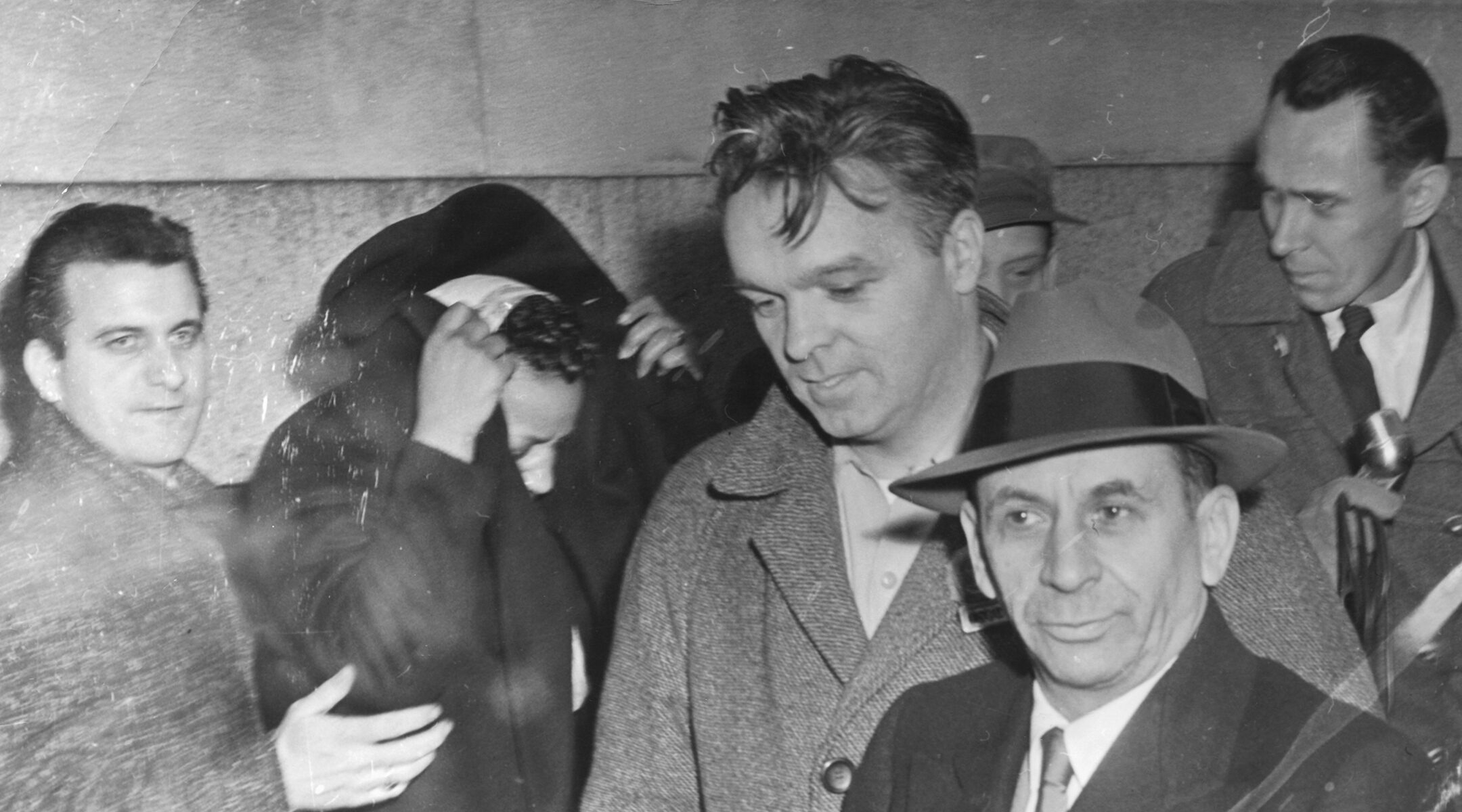
Imagine them as the Avengers, but with Tommy guns instead of laser beams and a taste for cannoli. Luciano, the strategic leader; Lansky, the financial wizard; and Siegel, the daring operative. This crew, often referred to as the "Big Six" or simply the early iteration of the Syndicate, were instrumental in moving beyond the fractured, Italian-centric gangs of the past. Lansky, the Jewish brains behind the operation, helped bridge divides and create a more unified, efficient criminal enterprise.
From Bootlegging to Casinos: The Evolution of a Business Model
The early days were all about bootlegging. Think rum-running ships, clandestine speakeasies, and the constant game of cat and mouse with the feds. Lansky was the mastermind behind the logistics, ensuring the smooth delivery of illegal booze across state lines and even internationally. He understood the importance of supply and demand, and he was incredibly good at meeting it.
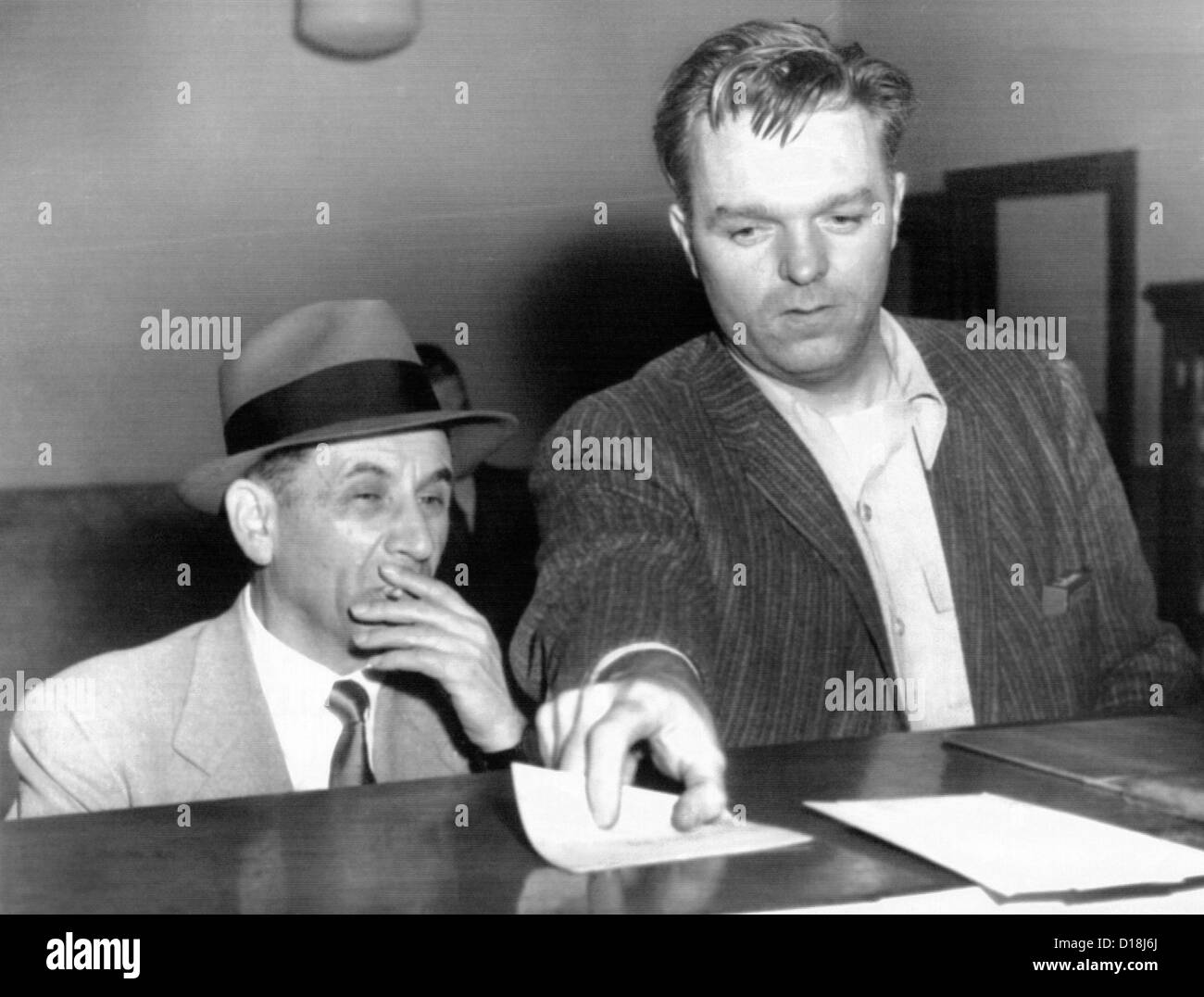
But the real game-changer, the move that cemented their legacy, was their foray into the casinos. When Prohibition ended, the smart money, and Lansky’s money, was already looking for new avenues. Las Vegas, a dusty stretch of desert, was practically begging for a makeover. Lansky, with his organizational prowess, saw its potential and helped transform it into the dazzling entertainment capital it is today.
He wasn't just building casinos; he was building systems. He implemented sophisticated accounting methods, ensuring the house always had an edge, and crucially, that everyone got their cut. It was a testament to his belief that even in the criminal world, efficiency and sound financial management were paramount. This is where the "Little Man" really showed his might – in the spreadsheets, not necessarily in the street fights.
The Cultural Impact (Beyond the Movies)
The mob, and by extension, Lansky and his associates, have become deeply ingrained in American popular culture. From "The Godfather" to "Goodfellas," the allure of this underworld continues to captivate us. But it's important to remember that these were real people, with real consequences for their actions. Lansky’s story, however, offers a unique lens through which to view the complexities of ambition, loyalty, and the enduring human drive for control.
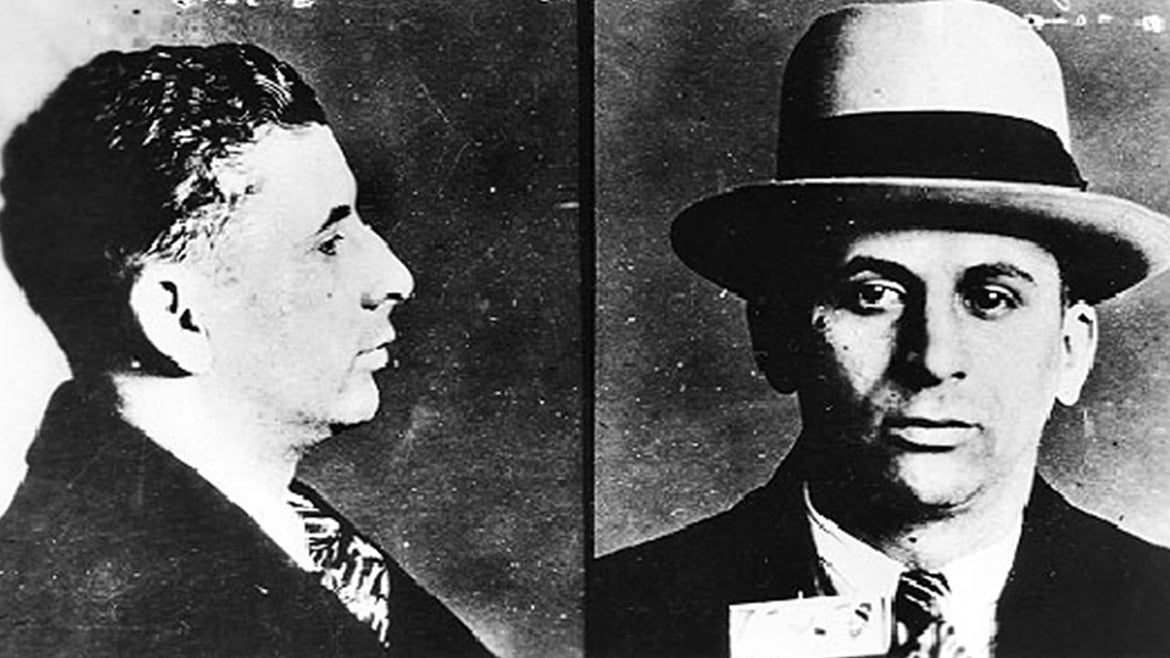
Think about it: the meticulous planning, the risk assessment, the ability to adapt to changing circumstances. While the methods were certainly criminal, the underlying principles of good business are surprisingly present. It’s a twisted sort of mentorship, if you squint hard enough.
Fun Little Facts to Ponder
- The Jewish Connection: Lansky was a devout Jew, and his religious observances were a significant part of his life, even amidst his criminal activities. He reportedly refused to operate on the Sabbath and was known to perform charitable acts. Talk about a complex individual!
- Gambling Guru: Lansky wasn't just a businessman; he was a keen observer of games of chance. He’s said to have developed a sophisticated understanding of probability, which undoubtedly aided him in his dealings. Ever tried to beat the odds? Lansky literally made a living doing it.
- A Fugitive’s Farewell: Despite his immense power, Lansky spent the last years of his life as a fugitive, living in relative obscurity in Israel. He was eventually deported back to the United States, but his later years were far from the opulent life he’d helped build. A stark reminder that even the most powerful can find themselves on the run.
- The Unfinished Book: Lansky was reportedly working on his autobiography, which was never completed. Imagine the secrets and insights that lie buried within those unfinished pages! It’s a tantalizing mystery for any history buff.
Practical Takeaways (For Your Non-Criminal Life)
Okay, so we're not advocating for a life of crime here. But let's be honest, there are some transferable skills to be gleaned from the story of Little Man Meyer. His emphasis on organization and planning is something we can all benefit from. Whether you're managing a household budget, planning a big project at work, or just trying to get your kids to soccer practice on time, a little bit of Lansky-esque foresight can go a long way.
Consider his ability to build and maintain relationships, even with rivals. He understood that cooperation, even in a cutthroat environment, could lead to greater success. Apply this to your professional life: networking, building a strong team, and understanding different perspectives are crucial for growth. And his knack for adapting? When Prohibition ended, he didn't panic; he pivoted. In today's ever-changing world, that ability to be flexible and find new opportunities is more valuable than ever.
Even his dedication to detail. He wasn't just a boss; he was involved in the mechanics of the business. For us, this translates to not being afraid to get your hands dirty, understanding the nuts and bolts of what you do, and ensuring quality in every aspect.
A Modern Reflection
Looking back at Meyer Lansky and his era, it's easy to be drawn into the glamour and the danger. But beneath the surface, his story is a testament to the power of a sharp mind, strategic thinking, and an unyielding drive. He navigated a world of immense complexity, building an empire through sheer intellect and an understanding of how to make things work. It’s a reminder that even in the most unconventional of paths, the principles of good strategy, organization, and adaptability can pave the way for significant achievements. And maybe, just maybe, a little bit of quiet contemplation of the odds is never a bad thing, whether you're calculating a business venture or simply deciding what to cook for dinner.