
Making Carbon Fiber Telescope Tube
So, you’ve decided to build a telescope. Not just any telescope, mind you. We’re talking about a telescope that’s lighter than your uncle’s "famous" fruitcake but probably twice as strong. We’re talking about a carbon fiber telescope tube. Because, let’s be honest, staring at the stars is way cooler when your equipment doesn’t make you feel like you’re wrestling a grumpy rhinoceros.
Why carbon fiber, you ask? Well, imagine your old, clunky metal telescope tube. It’s probably heavy, prone to expanding and contracting like a grumpy accordion with every temperature change, and generally a pain in the lumbar region to move. Now, picture this: a tube that’s as rigid as a drill sergeant’s stare but weighs roughly as much as a particularly enthusiastic dust bunny. That’s the magic of carbon fiber, folks. It’s the superhero of materials, ready to save your astronomy nights from back strain and wobbly images. Plus, it just looks cool. Like something a sci-fi movie prop department would drool over.
Now, before you imagine yourself wielding a welding torch and a cape of cosmic proportions, let’s get one thing straight: this isn't exactly a weekend project you can knock out between laundry loads. We’re venturing into the realm of DIY aerospace engineering, but with way more duct tape and questionable life choices. Think of it as a high-stakes baking project, but instead of cakes, we're making star-gazers. And trust me, the potential for a spectacular mess is just as high.
The Shiny Stuff: What You Actually Need
Alright, let’s talk about the star of our show – the carbon fiber itself. You can’t just grab it from your local craft store, much to the chagrin of aspiring glitter-bomb artists everywhere. This stuff comes in rolls, looking a bit like fancy, dark-colored fabric. You’ll typically be dealing with carbon fiber cloth. It comes in different weaves, kind of like how pizza crust can be thin or deep-dish. For a telescope tube, you’ll probably want something relatively tight, like a plain or twill weave. This isn’t the time to experiment with a chunky, artisanal weave, unless you’re aiming for a telescope that looks like it was knitted by a very confused giant.
Then there’s the epoxy resin. This is the sticky, glorious glue that holds our carbon fiber dreams together. It usually comes in two parts: the resin and the hardener. Think of it as the dynamic duo of adhesion, ready to form a bond stronger than your desire for another slice of pizza. You’ll need to mix these precisely, because if you get it wrong, you’ll end up with a gummy, unset mess or something so hard it could chip a diamond. No pressure, right?
And to give our tube its shape? We’ll need a mandrel. This is basically a fancy tube that our carbon fiber will be wrapped around. It needs to be perfectly smooth, perfectly straight, and able to withstand the potentially… enthusiastic application of resin. Some people use PVC pipes, some use specialized metal tubes. Whatever you choose, make sure it’s not going to stick to your creation like a desperate ex. We want easy release, not a permanent artistic statement.
The Not-So-Glamorous Part: Getting Your Hands Dirty
This is where the fun (and potential for a minor existential crisis) begins. First, you need to prepare your mandrel. Think of it as prepping your canvas. It needs to be squeaky clean. Any dust, grease, or rogue pizza crumbs will be immortalized in your carbon fiber masterpiece. Then comes the mold release agent. This stuff is like a tiny, invisible superhero that prevents your precious tube from becoming one with the mandrel. Apply it liberally. Think of it as giving your creation a tiny Teflon suit.
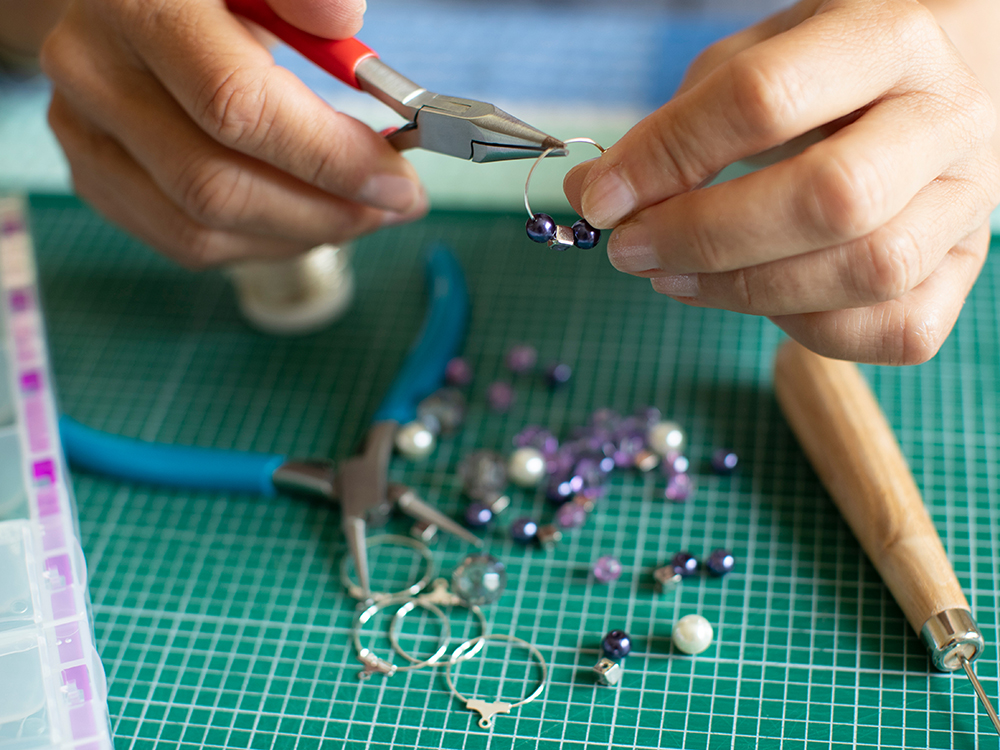
Now, the cutting. You'll lay out your carbon fiber cloth and carefully cut it into strips. The number and width of these strips will depend on the diameter and length of your tube, and how many layers you want. This is where those slightly obsessive tendencies you’ve been hiding might finally pay off. Precision is key, though a little artistic license in the cutting department won’t necessarily send you into the abyss… probably.
Then, the moment of truth: applying the resin. This is where you really want to wear gloves. And old clothes. And maybe a hazmat suit, just in case. You’ll mix your epoxy, and then, using a squeegee or a stiff brush, you’ll saturate the carbon fiber strips. This is not a gentle process. You need to work the resin into the fibers, getting rid of any air bubbles that might be lurking. Think of it as giving your carbon fiber a really good, albeit sticky, massage. Too much air, and your tube will be weaker than a politician’s promise. Too little resin, and it won’t cure properly.
Wrapping it Up: The Layering Lama-rama
This is where the magic truly happens. You’ll take your resin-soaked carbon fiber strips and start wrapping them around the mandrel. One strip at a time, overlapping slightly. It’s like building a very sophisticated, very dark, very sticky mummy. You’ll want to apply tension to keep things snug. This is where a second pair of hands is highly recommended. If you’re flying solo, prepare for a wrestling match with yourself and a sticky, unruly material.

After the first layer, you let it cure for a bit. Then, you repeat the process. And then you repeat it again. And again. The number of layers you add will determine the strength and rigidity of your tube. More layers mean a stronger, more stable tube, but also more weight and more resin. It’s a delicate balance, like trying to eat just one potato chip. You’ll probably aim for at least 4-6 layers, but consult your chosen plans, because even carbon fiber has its own opinions on what constitutes “enough.”
As you add layers, you'll alternate the direction of the weave if you're using different types of cloth, or just the direction of the strips themselves. This helps to build strength in multiple directions, like a well-trained ninja. You’re basically creating a composite material, which sounds fancy and, honestly, it kind of is. You're not just making a tube; you're engineering a structural marvel.

The Grand Unveiling: Freedom! (And Maybe Some Sanding)
Once all your layers are on and the epoxy has fully cured (this can take 24 hours or more, so go watch a LOT of Netflix), it’s time for the moment of truth. The de-molding. This can be the most nerve-wracking part. You’ll gently try to persuade the carbon fiber tube to slide off the mandrel. Sometimes it’s a clean separation. Other times, you might need a bit of persuasion. A rubber mallet used with extreme caution might be your friend. Or, if things are really stubborn, you might need to resort to… well, let’s just say some people have been known to carefully cut the mandrel out. Shh, don’t tell anyone.
If you’re lucky, you’ll have a beautiful, smooth carbon fiber tube. If you’re… less lucky, you might have some rough edges or a few imperfections. This is where sanding comes in. And more sanding. And probably some more. You’ll start with a coarser grit and gradually move to finer grits until your tube is as smooth as a baby’s… well, you get the idea. Then, you might want to seal it with a UV-resistant clear coat to protect your hard work from the harsh glare of the sun and the even harsher glare of your judgmental neighbor.
Congratulations! You’ve just built a carbon fiber telescope tube. It’s probably not perfectly round, it might have a few rogue bits of epoxy sticking out, and you’re definitely going to need a shower to get all that resin off. But it’s yours. It’s strong, it’s light, and it’s ready to help you explore the universe. And hey, if it doesn’t work out, at least you’ve got a really cool, albeit somewhat fragile, piece of modern art. Now go forth and gaze at the stars. Just try not to drop it. Seriously.