
Manganese Steel Vs Carbon Steel
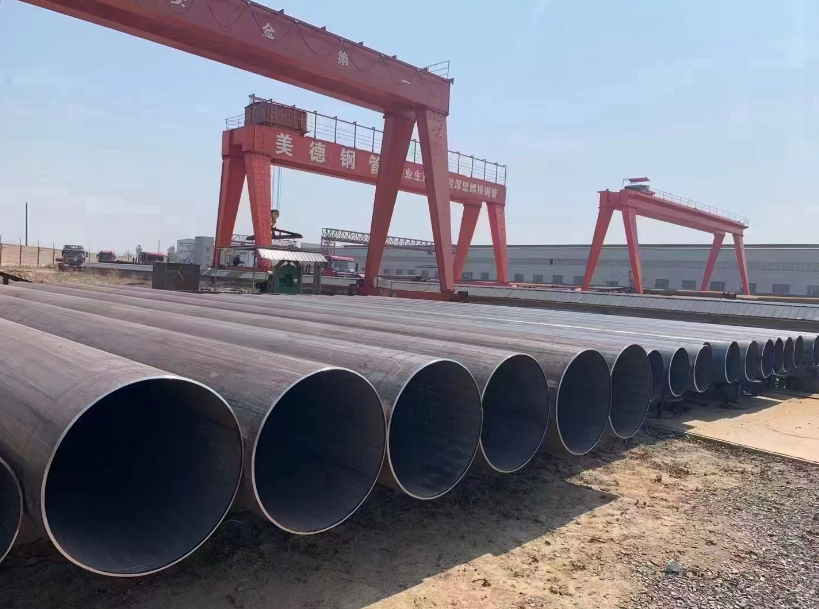
Ever found yourself staring at a tough piece of metal, wondering what makes some tools so incredibly durable and others… well, less so? It's not magic, it's science, and sometimes, it's all about a sprinkle of something special. Today, we're diving into the fascinating world of steel, specifically pitting two heavyweights against each other: Manganese Steel and Carbon Steel. Think of it like a friendly showdown between a superhero with a secret power and a trusty, reliable sidekick. You might be surprised by what makes each one tick, and why choosing the right one can be the difference between a job done right and a tool that quits before you do!
The Everyday Hero: Carbon Steel
Let's start with the familiar face, the backbone of so many everyday objects: Carbon Steel. This is the workhorse, the reliable friend you can always count on. What makes it tick? It's all in the name! Primarily, it's iron mixed with carbon. The amount of carbon is key – more carbon generally means a harder, stronger steel, but it can also make it more brittle. Think of it like adding flour to water to make dough; too little and it's just wet, too much and it's crumbly. The sweet spot is where Carbon Steel really shines.
The beauty of Carbon Steel lies in its versatility and cost-effectiveness. It's relatively easy to produce, which makes it affordable for a vast range of applications. From the sturdy frame of your bicycle to the sharp edge of your kitchen knives, and even the rails on a train track, Carbon Steel is everywhere. It's known for its excellent wear resistance and its ability to hold a sharp edge, making it a top choice for cutting tools. Need to chop vegetables? Your trusty chef's knife is likely made of Carbon Steel. Building a sturdy shed? The nails holding it together are probably Carbon Steel.
One of the great advantages of Carbon Steel is its machinability. This means it's relatively easy to shape, cut, and form into different products. This ease of manufacturing contributes to its widespread availability and lower price point. Furthermore, depending on the carbon content and how it's treated (like heat-treating to harden it), you can achieve a wide spectrum of properties. A low-carbon steel might be used for car bodies where flexibility is important, while a high-carbon steel is perfect for cutting blades that need to stay sharp.
However, Carbon Steel isn't without its Achilles' heel. Its main drawback is its susceptibility to rust. That shiny surface can quickly turn into an unsightly brown if left exposed to moisture. This is why many Carbon Steel items, especially knives, require careful maintenance, like oiling and drying after use. If you've ever seen a patina develop on a well-used carbon steel knife, that's the steel reacting with its environment – a sign of its natural tendency to oxidize.
The Tough Guy with a Twist: Manganese Steel
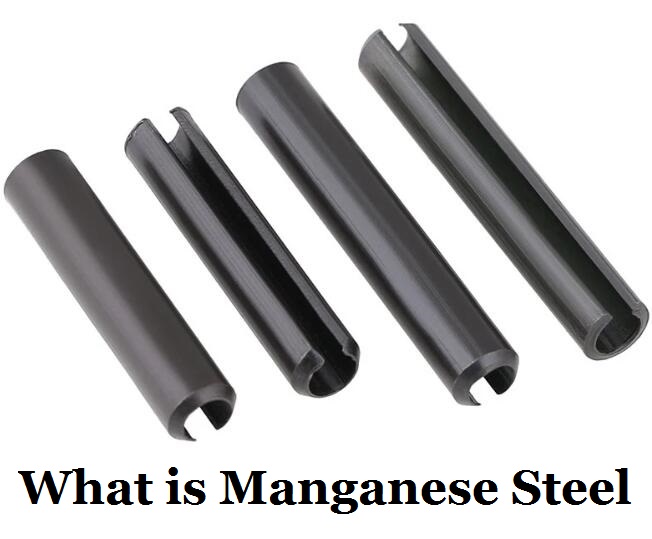
Now, let's meet the challenger, the one with a little extra something special: Manganese Steel. Often called Hadfield Steel after its discoverer, Sir Robert Hadfield, this is where things get really interesting. What gives it its unique personality? You guessed it – manganese! Typically, Manganese Steel contains a significant amount of manganese, usually between 11% and 14%. This isn't just a tiny addition; it fundamentally changes the steel's behavior.
The magic of manganese in steel is its ability to significantly increase hardness and toughness. But here's the truly fascinating part: Manganese Steel exhibits a remarkable phenomenon called work hardening. When it's subjected to impact or abrasion, the surface actually becomes harder and more wear-resistant. Imagine a superhero whose powers get stronger the more they're hit! This makes Manganese Steel incredibly durable in high-stress environments.
So, where do we find this super-tough material? Think about the places where things get bashed, ground, and hammered relentlessly. Manganese Steel is the go-to for heavy-duty applications. It's used in railroad tracks that bear the weight of countless trains, in the jaws of powerful crushing machines in mining operations, in the wear plates of excavators digging through tough terrain, and even in bulletproof helmets! Its ability to withstand extreme impacts and abrasion without deforming or fracturing is unparalleled.
Unlike Carbon Steel, Manganese Steel is highly resistant to corrosion. The manganese content actually helps to form a protective oxide layer on the surface, shielding it from rust and environmental damage. This means it can handle harsh conditions without needing constant, fussy maintenance. Its inherent toughness means it's also less prone to cracking under pressure compared to many other steels. This makes it ideal for applications where failure is simply not an option.

However, this incredible resilience comes with a trade-off. Manganese Steel is significantly harder to machine than Carbon Steel. Its extreme hardness makes it difficult to cut, drill, or shape using conventional methods. This often means that parts made from Manganese Steel are typically cast into their final shape rather than being machined from a solid block. This specialized manufacturing process can make it more expensive than standard Carbon Steel.
The Verdict: It's All About the Job!
So, which steel reigns supreme? It’s not a matter of one being universally "better" than the other, but rather which one is better suited for the task at hand. If you need a sharp, affordable blade for everyday cutting and are willing to give it a little TLC, Carbon Steel is your champion. If you're building something that needs to withstand extreme impacts, heavy wear, and a harsh environment, and you value ultimate durability over ease of manufacturing, then Manganese Steel is the undisputed hero. Understanding their unique strengths allows us to appreciate the incredible engineering that goes into the objects we use every single day!