
Material Properties Of Galvanized Steel

You know, sometimes I think about my grandpa's old tools. They were a motley crew – a bit rusty, a bit battered, but remarkably… persistent. He had this trowel, for instance, the kind with a wooden handle that was more dents than wood, and the metal part? It looked like it had seen a thousand garden wars. Yet, it never seemed to give up. It would dig into the earth, pry up stubborn roots, and just keep on going. And you know what? A lot of those old metal bits had this slightly silvery, almost dull sheen to them. I always assumed it was just… old metal. Turns out, there’s a whole reason for that resilience, and it’s probably one of the most common, yet often overlooked, heroes of the modern world: galvanized steel.
Yeah, galvanized steel. Sounds a bit… industrial, right? Like something you’d only find in a factory or a massive construction site. But I bet you interact with it every single day without even realizing it. Think about it: that garden fence keeping your dog from chasing squirrels, the bolts holding up that incredibly sturdy bookshelf, even some of the parts in your car. It’s everywhere!
So, what's the big deal? Why is this stuff so popular? It all boils down to its material properties. And trust me, these properties are pretty darn impressive, especially when you consider what it’s up against.
The Humble Beginnings of a Hero
Before we dive into the "what" and "why," let's quickly touch on the "how." Galvanizing is essentially a protective coating process. We’re talking about dipping steel (which, on its own, is pretty strong but prone to rust) into a bath of molten zinc. It’s not just a surface dab; the zinc actually forms a metallurgically bonded layer. This isn't just paint or a simple plating; it’s a serious embrace between the steel and the zinc.
And this embrace? It's the secret sauce. It’s what gives galvanized steel its superpower: corrosion resistance. Now, let's be honest, rust is the bane of all metal. It’s nature’s way of saying, "Hey, that metal is just oxidized iron, and I'm going to break it down." But zinc? Zinc is like the ultimate bodyguard.
The Magic of Zinc: A Sacrifice Worth Making
Here's where it gets really cool. Zinc is more reactive than iron. What does that mean for us? It means that if there's a scratch or a chip in the galvanized coating, exposing the steel underneath, the zinc will actually sacrifice itself to protect the iron. This is called sacrificial protection or cathodic protection. Think of it like this: if a villain is coming for you and your bodyguard steps in front of the bullet, even if they get hurt, you're still safe. The zinc is that bodyguard.
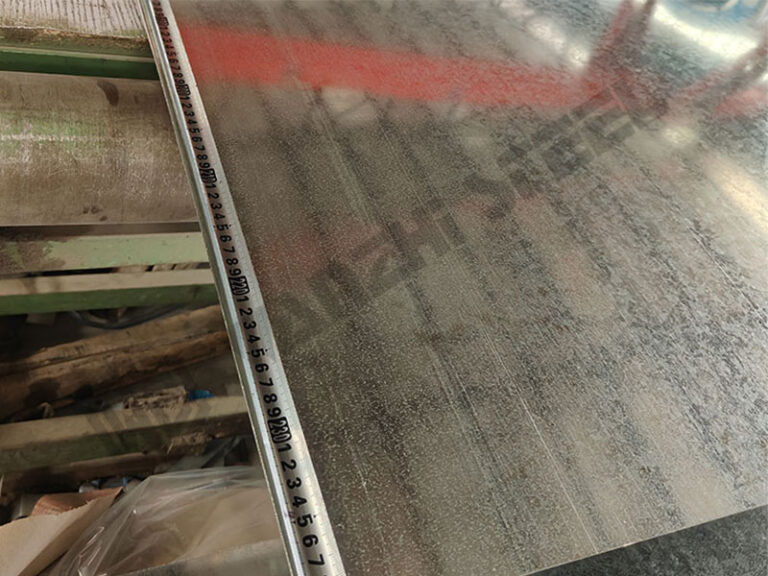
This is a HUGE deal. Unlike paint, which can chip off and leave a vulnerable spot, the zinc keeps working even when it’s damaged. It creates an electrochemical reaction where the zinc corrodes instead of the steel. This makes galvanized steel incredibly durable and long-lasting, especially in outdoor or harsh environments where it’s constantly exposed to moisture, salt, and the elements. That’s why it’s used so much for things like guardrails on highways or roofing on agricultural buildings – places where you don't want to be constantly replacing things.
Beyond Just Rust: The Layers of Defense
It's not just the sacrificial protection, though. The zinc coating itself forms a physical barrier. It's like putting a tough, impermeable suit of armor on the steel. This barrier prevents moisture and oxygen – the two key ingredients for rust – from reaching the steel surface in the first place. So, it's a two-pronged attack against corrosion: a barrier and a backup sacrificial system.
Now, the thickness of this zinc coating can vary depending on the galvanizing method used and the intended application. Thicker coatings naturally offer longer-lasting protection. So, if you see something that looks really heavily coated, it's probably built to withstand some serious punishment.
Strength Where It Counts: It's Still Steel, After All
Let's not forget, this is still steel. And steel is renowned for its strength and durability. Galvanizing doesn't diminish this inherent strength; it enhances it by protecting it from its biggest weakness. You can weld galvanized steel (though you need to be mindful of ventilation because of the zinc fumes – health and safety first, folks!), and it can handle significant loads and stresses.
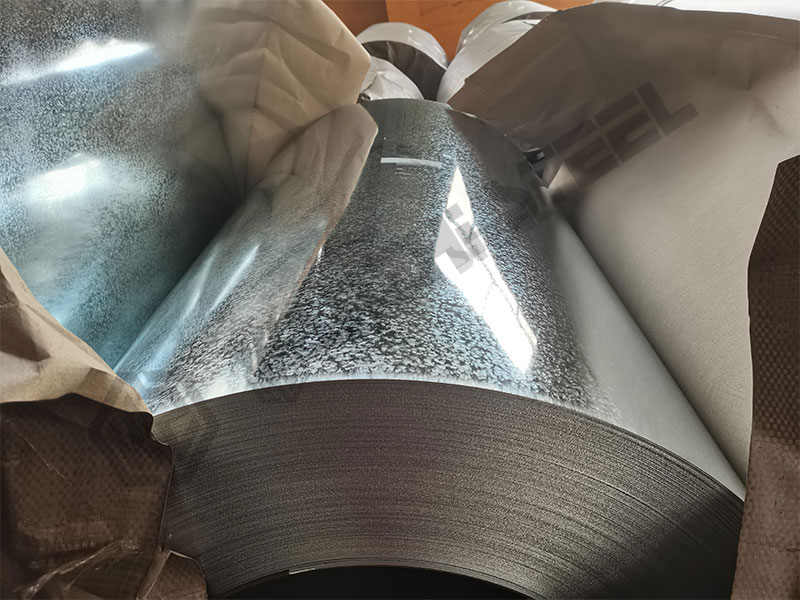
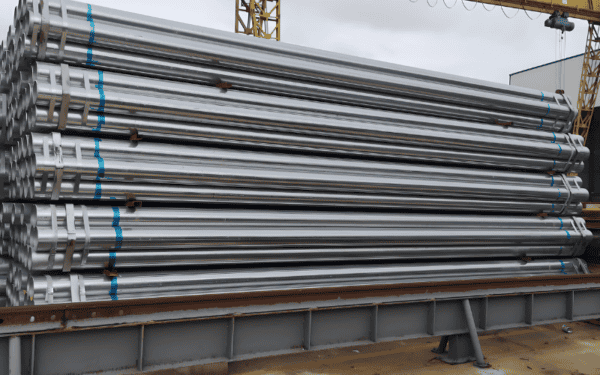
This combination of inherent steel strength and enhanced corrosion resistance makes it ideal for structural applications. Think bridges, buildings, and even those massive wind turbines you see dotting the landscape. They need to be strong, they need to withstand the weather, and they need to last for decades. Galvanized steel fits the bill perfectly.
The Surface Story: It's Not Always Pretty, But It's Effective
Okay, so we've established that it's tough and rust-proof. But what about the look? Let's be real, freshly galvanized steel often has a slightly dull, grayish, sometimes blotchy appearance. It's not exactly the sleek, polished chrome that might grace a sports car. And that's where the ironic part comes in. We often associate "beauty" with smooth, shiny surfaces. But with galvanized steel, its rugged, sometimes uneven, finish is a direct indicator of its protective power.
The characteristic "spangle" pattern – those fern-like crystal formations you sometimes see – is a natural part of the cooling process of the zinc. Some people find it attractive in an industrial, utilitarian way. Others might find it a bit… rustic. And that’s okay! Because its primary purpose isn't aesthetic showmanship; it's about pure, unadulterated performance.
However, there are ways to paint or coat galvanized steel if a different aesthetic is desired. And the zinc coating actually provides a good surface for adhesion, which is a bonus. So, you can have both form and function, if you’re willing to put in the extra step.
Impact Resistance: Taking a Knock and Bouncing Back
Another property that’s often overlooked is its impact resistance. While a thin paint coating might chip or crack easily upon impact, the galvanized zinc layer is tough and ductile. It can deform and absorb some of the shock without compromising the integrity of the protective coating as a whole. This makes it suitable for applications where it might be subjected to occasional bumps or scrapes, like in industrial settings or on transportation equipment.
Environmental Considerations: A Greener Choice?
This is where things get interesting and sometimes debated. On the one hand, the long lifespan of galvanized steel means fewer replacements, which translates to less waste and reduced demand for raw materials over time. That’s a big win for sustainability, right? Think about it: a fence that lasts 50 years versus one that needs replacing every 5. The environmental footprint of the former is significantly smaller.
However, the galvanizing process itself involves energy consumption and the use of chemicals. Modern galvanizing plants are highly regulated and strive to minimize environmental impact through recycling of zinc and efficient processes. So, while it’s not perfectly "green," its longevity often makes it a more environmentally responsible choice in the long run compared to materials with shorter lifespans that require frequent replacement.
The Cost-Effectiveness Equation
Let's talk turkey: cost. On an initial purchase basis, galvanized steel might be slightly more expensive than plain steel or some other coated metals. But here’s the kicker: you have to factor in the life-cycle cost. Because galvanized steel lasts so much longer and requires so little maintenance (no need for constant repainting or rust removal), its total cost of ownership is often much lower.

Imagine having to paint your garden fence every two years versus never having to touch it again. That’s a lot of saved time, money, and effort. So, while it might seem like a bigger outlay upfront, in the grand scheme of things, galvanized steel is a remarkably economical choice for many applications.
A Versatile Performer
The beauty of galvanized steel is its versatility. It can be formed, cut, and fabricated into a huge array of shapes and sizes. Whether it’s intricate architectural elements or massive structural beams, the material can handle it. This adaptability, combined with its robust properties, is why it's a go-to material in so many industries. From agriculture to automotive, construction to renewable energy, you’ll find it quietly doing its job.
The Takeaway: More Than Just a Shiny Surface
So, the next time you’re out and about, take a moment to notice the galvanized steel around you. That seemingly ordinary, sometimes unassuming, metal is a testament to smart engineering and clever material science. It's a hero in disguise, constantly battling the elements and keeping our infrastructure, our homes, and our everyday items safe and sound.
It's the silent guardian, the vigilant protector, the material that just… keeps on going. And all thanks to that humble, sacrificial layer of zinc. Pretty neat, huh? It makes you appreciate the engineering that goes into the things we often take for granted. It’s not just about strength; it’s about intelligent protection. And in a world that’s constantly trying to wear things down, that's a pretty darn good property to have.