
Melting Of Ice Cream Is A Physical Change
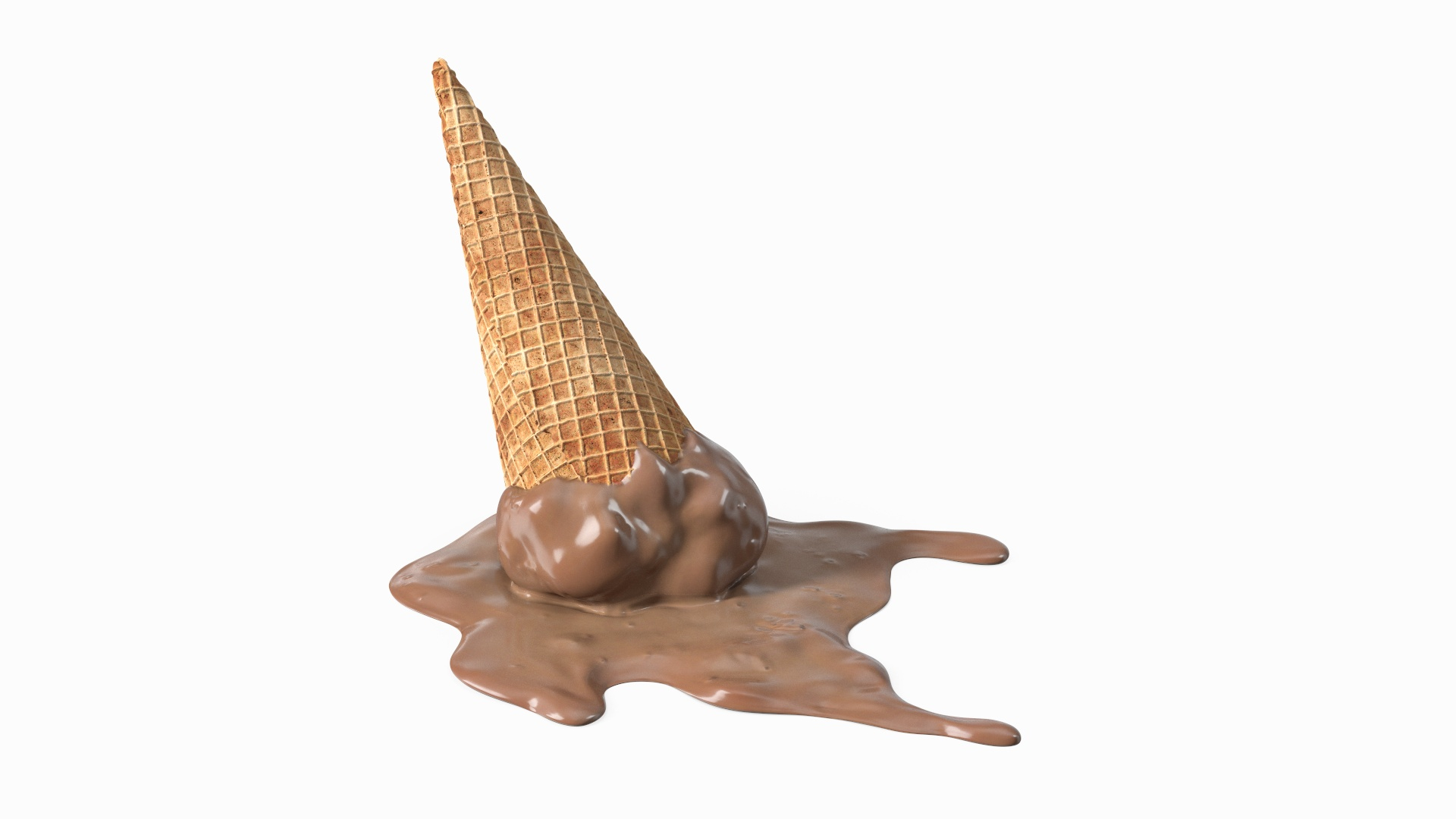
Ah, ice cream. That glorious, frozen beacon of happiness. We’ve all been there, right? You’ve just snagged that perfectly scooped cone from the parlor, or maybe you’ve managed to wrestle open a stubborn pint in your own kitchen. The anticipation is building, that first lick is pure bliss, and then… life happens.
Maybe a rogue text message demands your immediate attention. Perhaps a pet decides it’s the exact perfect moment to demand belly rubs with an intensity usually reserved for national emergencies. Or, in my personal experience, you simply get engrossed in watching a squirrel do something utterly ridiculous outside your window. Before you know it, that perfectly shaped scoop is staging a slow, sticky escape from its cardboard throne.
And that, my friends, is where science, in its most delicious form, comes into play. The melting of ice cream is a classic example of a physical change. Now, before your eyes glaze over like a perfectly baked crème brûlée, hear me out. This isn’t some stuffy chemistry lesson. This is about understanding why your mint chocolate chip can go from a frosty dream to a drippy nightmare, and why it’s totally okay.
Think of it this way: what was ice cream? It was this solid, delightful treat, right? It held its shape, it was cold and firm, ready for consumption. What is it after it melts? It’s still ice cream, fundamentally. It still tastes like vanilla, or strawberry, or that weird but wonderful salted caramel pretzel flavor you’re obsessed with. The ingredients haven’t changed. You haven’t suddenly turned your ice cream into, say,… a pickle. (Though, on a hot day, a cold pickle might be surprisingly refreshing, but that’s a discussion for another time.)
The key thing here is that no new substance has been formed. The water molecules, the sugar, the milk solids, the flavorings – they’re all still there, just in a more… relaxed state. They’ve gone from being all huddled together, jiggling with frozen excitement, to spreading out a bit, having a good old chat, and generally loosening up. It’s like a crowd at a concert going from standing shoulder-to-shoulder to swaying and dancing as the music gets good. The people are the same, their energy is just different.
The Great Ice Cream Escape: A Physical Transformation
Let’s break it down a little further. When ice cream is frozen, the water within it turns into tiny ice crystals. These crystals, along with the fat molecules and sugar, create that firm, scoopable texture we all adore. It’s like a miniature ice fort, perfectly structured and keeping everything contained.
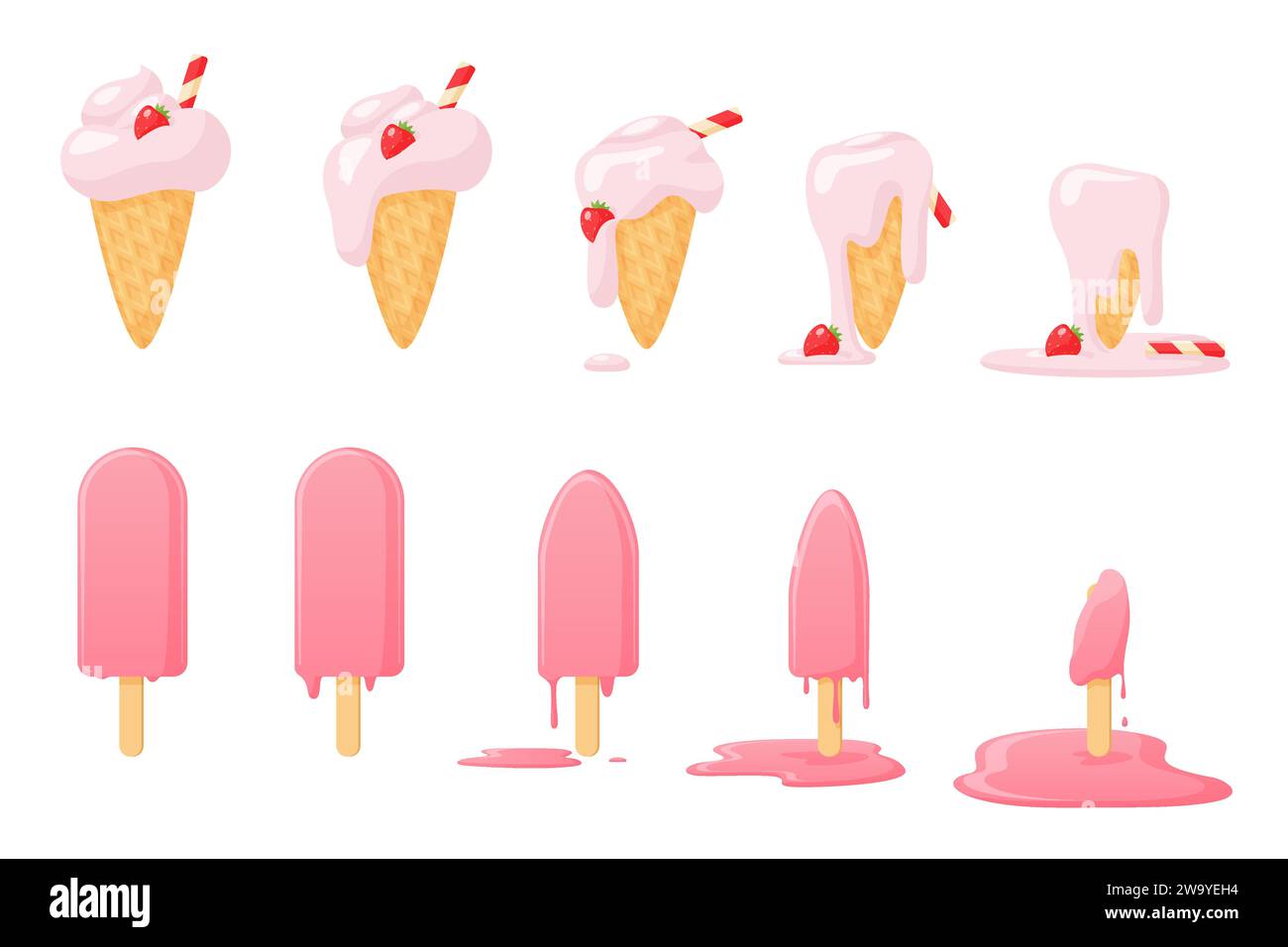
But then, the outside world intervenes. Heat, that sneaky culprit, starts to warm things up. This extra energy makes those water molecules start to dance a jig. They break free from their frozen formation, turning back into liquid water. The fat globules, which were kind of suspended in the ice matrix, also start to soften and spread out. It’s a gradual process, much like how a shy person at a party slowly warms up and starts talking to others.
The amazing part is that this change happens because of energy. When you take ice cream out of the freezer, you’re exposing it to a warmer environment. That warmth is energy being transferred to the ice cream. This energy causes the particles within the ice cream to move faster, eventually overcoming the forces that hold them in a solid state.
Why It’s Not Chemistry (The Scary Kind)
So, why isn’t this a chemical change? Chemical changes involve the formation of new substances. Think about baking a cake. You start with flour, eggs, sugar, and butter. You mix them, apply heat, and poof! You get a cake. The flour has chemically reacted with the eggs and sugar to create something entirely different. You can’t easily turn that cake back into its original ingredients, can you? (Unless you’re a very determined, or perhaps slightly unhinged, baker.)

Burning toast is another good example. You start with bread, a few minutes later you have charcoal. Definitely a new substance. Or rusting metal. The iron reacts with oxygen to form iron oxide – rust. You can’t just scrape off the rust and have shiny new iron again.
Melting ice cream, on the other hand, is more like taking a perfectly folded shirt and unfolding it. It’s still the same shirt, just in a different configuration. You can refreeze your melted ice cream, and while it might not have the exact same silky smooth texture (we’ll get to that later), it’s still fundamentally ice cream. You haven’t created, say, a semi-solid sugar-water slurry that vaguely smells like dairy. You’ve just… un-solidified your ice cream.
The Drippy, Sticky Aftermath: What Happens Next?
Now, let’s be real. While the change is physical, the consequences can be… messy. That slow trickle down the side of your cone? That’s the liquid ice cream making its bid for freedom. It’s exploring the world beyond its original frozen confines.
The longer ice cream sits out, the more its structure breaks down. The water continues to turn liquid, and the air bubbles that give it that delightful fluffiness start to collapse. This is why refrozen ice cream can sometimes be a bit icy or dense. Those air pockets, once their structural support system (the frozen water) is compromised, don't always bounce back perfectly. It’s like trying to re-inflate a deflated balloon that’s been sitting in the sun for a while – it’s just not quite the same.
This is also why we have methods like churning ice cream. Churning constantly scrapes the mixture against the sides of a cold bowl, breaking up ice crystals as they form. This leads to smaller, more numerous ice crystals, which makes for a smoother texture. When ice cream melts and is refrozen without this constant agitation, those larger ice crystals can form, giving it that less-than-ideal, icy mouthfeel. It's a bit like the difference between a finely powdered sugar and a coarser granulated sugar.
Anecdotes from the Melting Front Lines
I remember one particularly memorable instance. It was a sweltering summer day, and I had a giant bowl of rocky road, my absolute favorite. I was planning a leisurely evening of movie-watching and ice cream indulgence. Well, the movie was a thriller, and I was on the edge of my seat, literally. Every tense moment, every jump scare, meant I forgot about my precious bowl for a good minute. By the time the credits rolled, my rocky road had transformed into a sad, soupy puddle. The marshmallows were bobbing around like little edible buoys in a chocolate sea, and the chocolate chunks were like submerged treasures at the bottom of a melted swamp. It was still technically ice cream, but it was no longer the regal, scoopable dessert I had envisioned. It was more of a… drinkable dessert. A very sweet, very messy drinkable dessert.
Then there was the time my younger cousin, bless his enthusiastic heart, decided to “help” me make milkshakes. He was very proud of his contribution, which involved pouring about half a carton of milk into a half-melted bowl of vanilla. The result was less of a thick, creamy milkshake and more of a very watery, slightly sweet milk-and-ice-cream-slurry. It was a physical change, alright. A change that involved a lot of frantic searching for more ice cream to salvage the situation.

The Science of the Drip Drop
So, next time you see that tell-tale drip from your ice cream cone, don’t despair! It’s not a sign of failure, but a demonstration of a fundamental scientific principle. It’s the world reminding you that even the most delightful things are subject to the laws of physics. It's a reminder to enjoy it while it's in its prime, its perfectly frozen, delightfully scoopable state.
This understanding can even come in handy. If you’ve accidentally left your ice cream out a little too long, you can still salvage it by refreezing it quickly. The faster you freeze it, the smaller the ice crystals will be, leading to a better texture. Think of it as damage control. You can’t un-melt it, but you can mitigate the effects of the melt.
It’s a simple concept, really. Ice cream goes from solid to liquid because it absorbs heat from its surroundings. The molecules get more energy, they move more, and they stop holding hands so tightly. They just… melt.
So, the next time you’re enjoying a cone, or a bowl, or even a sneaky spoon straight from the carton (we won’t judge), take a moment to appreciate the science behind it. It’s a delicious reminder that even the simplest pleasures in life are governed by the fascinating world of science. And who knows, maybe understanding the physical change of melting ice cream will inspire you to tackle more complex scientific concepts. Or, at the very least, it’ll give you a fun fact to share while you’re frantically trying to lick up that runaway scoop before it hits the pavement. Happy melting!