
Melting Point And Boiling Point Of Aluminum
We all have our favorite metals, right? Maybe you’re a fan of the shiny, tough-as-nails steel that makes up our skyscrapers and trusty cars. Or perhaps you have a soft spot for the regal gleam of gold, the stuff of pirate treasure and dazzling jewelry. But today, let’s talk about a metal that’s practically in everything we use: aluminum. It’s that super common, lightweight, and surprisingly versatile element that makes our soda cans recyclable miracles, our airplane wings strong enough to defy gravity, and even our trusty cooking pans capable of whipping up culinary masterpieces.
Now, you might think of aluminum as just… well, aluminum. It’s there, it’s useful, end of story. But have you ever stopped to wonder what makes it so special? What’s going on under the hood, so to speak, when aluminum goes from being that solid can in your hand to something else entirely? It all comes down to a couple of super important numbers: its melting point and its boiling point. And trust me, these aren't just dry facts for science nerds. They’re the secret sauce that allows aluminum to do all the amazing things it does.
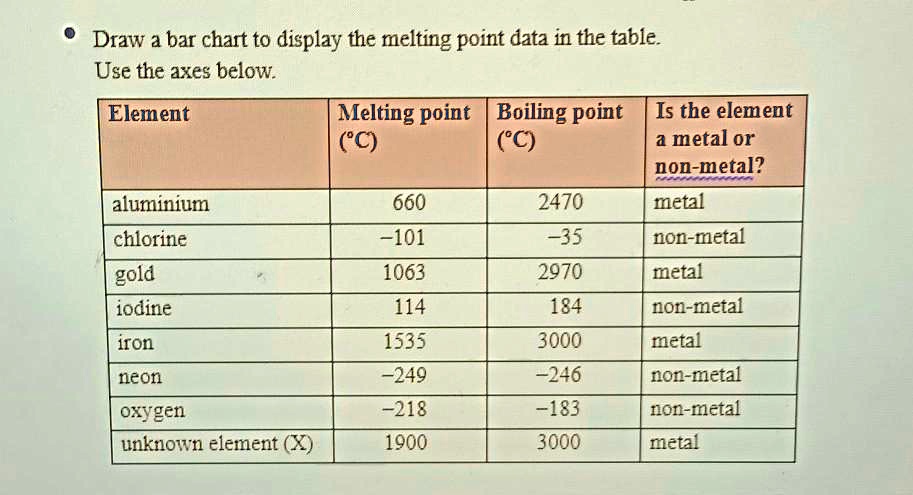
Let’s start with melting. Imagine you have a brand-new soda can, all crisp and cool. You could probably leave it out on a really hot summer day and it wouldn’t even sweat. That’s because aluminum has a pretty high melting point. We’re talking about 660.3 degrees Celsius (or 1220.5 degrees Fahrenheit). Now, that might sound like a lot, but compared to some other metals, it’s actually quite… well, let’s just say it’s approachable. Think of it this way: the inside of your oven, even on its hottest setting, usually maxes out around 260 degrees Celsius. So, your kitchen oven isn’t going to melt your aluminum foil. Phew! That’s good news for those of us who like to wrap our baked potatoes in it. It means aluminum is sturdy enough for everyday life, for holding our drinks, for being shaped into intricate designs, all without spontaneously turning into a puddle.
But here’s where it gets really interesting, and a little bit like magic. That 660.3 degrees Celsius isn’t just a number; it’s a gateway. When aluminum hits that temperature, it transitions from a rigid solid to a flowing liquid. Think of it like water turning to steam, but with a metal! This is how we get those amazing aluminum products we love. Imagine the giant vats in an aluminum factory, glowing with molten metal. It’s a dazzling, fiery spectacle. They pour this liquid aluminum into molds to create everything from the intricate parts of your smartphone to the robust frames of bicycles. It’s in this molten state that aluminum’s true potential is unleashed, allowing it to be shaped and formed into countless useful objects. It’s like the metal is taking a deep breath and getting ready to be transformed into something new and exciting.

And then there’s the other end of the spectrum: boiling. If melting is like turning into a thick syrup, boiling is like the metal getting so excited it decides to take to the skies as a gas. Aluminum’s boiling point is a whopping 2519 degrees Celsius (or 4566.2 degrees Fahrenheit). That’s hotter than the surface of many stars, and definitely hotter than anything you’ll find in your kitchen, unless you happen to have a miniature sun in your backyard. This incredibly high boiling point is a testament to the strong bonds holding aluminum atoms together. It means that under normal conditions, you’re never going to accidentally boil your aluminum can or your cooking pan. They’re going to stay solid and reliable, no matter how much you heat them up (within reason, of course!).
It’s this incredible range, from a relatively accessible melting point to an astronomically high boiling point, that makes aluminum such a wonder-metal.
Melting Point of Aluminum: Properties & Applications | HDM

Think about it: we can melt it down relatively easily to reshape it into a new can (hello, recycling!), but it also has the fortitude to withstand extreme temperatures in industrial applications, like in the engines of jets or the protective casings of spacecraft. It’s like a metal that can be both gentle and incredibly tough, all at the same time. It’s a metal that’s ready for anything, from a cozy night in with some foil-wrapped cookies to a daring journey to the stars.
So, the next time you grab a cold drink from a can, or admire the sleek design of your laptop, take a moment to appreciate the journey that aluminum took. It’s a journey defined by its melting point, that moment it becomes a flowing liquid, and its boiling point, that testament to its incredible strength. These numbers aren’t just scientific trivia; they are the keys that unlock the everyday magic of this extraordinary metal, a metal that’s woven into the fabric of our modern lives in ways we often take for granted. Aluminum: a true superhero in disguise, all thanks to a little bit of heat and some very impressive numbers.