
Melting Point Chart For Metals

Alright, gather 'round, folks, and let me tell you about something that sounds drier than a week-old cracker but is actually pretty darn fascinating: metal melting points. Now, I know what you’re thinking: "Melting points? Is this going to be like that time my Uncle Barry tried to explain the stock market at Thanksgiving dinner?" Fear not! We’re not going to delve into complex chemical equations that’ll make your eyeballs sweat. We're talking about metals, the stuff that makes everything from your phone to that suspiciously shiny spoon in your drawer.
Think of it like this: every metal has its own personal “sweat-out-the-pants temperature.” Some are total drama queens, ready to liquefy at the slightest warmth, while others are stubborn, stoic heroes that could probably survive a trip to the sun (okay, maybe not that hot, but you get the idea). And having a chart of these temperatures is like having a cheat sheet for the world’s most extreme baking competition. Except instead of cakes, we’re talking about making swords, airplanes, and, you know, those little foil hats that keep the aliens from reading our thoughts. (Spoiler alert: they don't work. Sorry, Barry.)
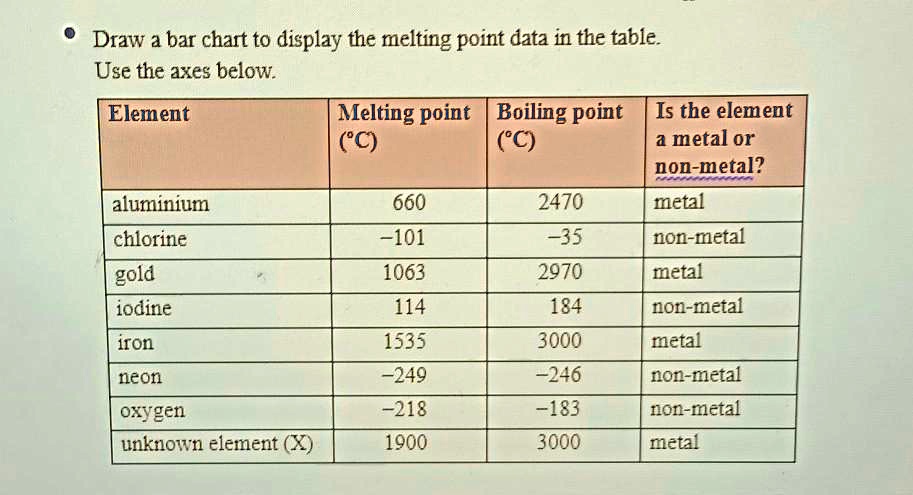
So, where do we even begin? Let’s start with the metals you probably interact with most. Take aluminum, for instance. This stuff is everywhere, from soda cans to airplane wings. Its melting point is around 660 degrees Celsius. That might sound like a lot, but in the grand scheme of metal temperatures, it’s practically a spa day. It’s like saying, "Oh yeah, this guy gets a little flushed when he’s embarrassed, but he’s generally pretty cool."
Then we have iron. Ah, iron! The backbone of industry, the stuff that built the pyramids (well, maybe not the pyramids, but definitely a lot of very large buildings). Iron needs a much higher temperature, around 1538 degrees Celsius. That’s getting serious. We’re talking about temperatures that would make your oven look like a slightly warm hug. This is the metal equivalent of someone who can take a punch and barely flinch. It’s got grit. It’s got fortitude. It’s probably wearing a tiny, invisible leather jacket.
Now, things get really interesting when we look at the extremes. Let’s talk about metals that are basically afraid of their own shadows. Take gallium. This stuff is so bizarre, it’s practically a magic trick. Its melting point is a mere 29.76 degrees Celsius. That’s just slightly above room temperature! Imagine holding a metal spoon that just… disappears into a puddle in your hand. Your friends will think you’re a wizard. Or that you have really sweaty hands. One of the two.
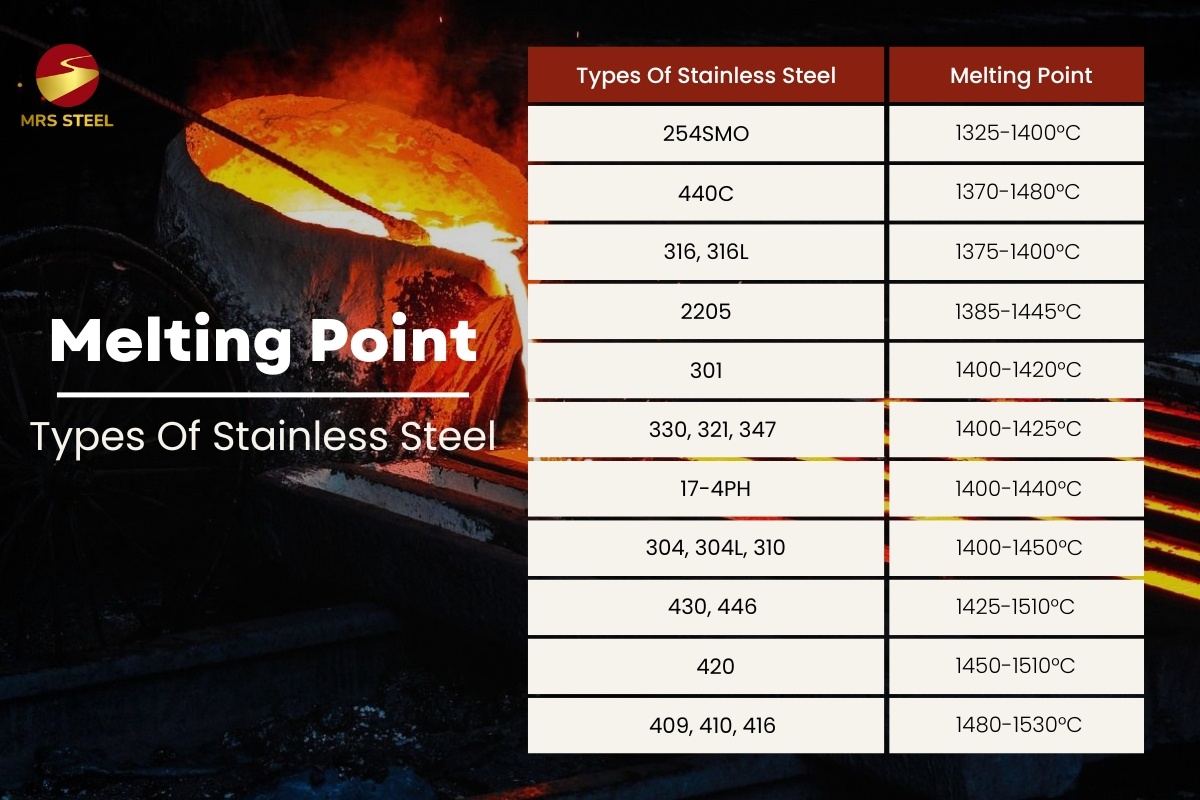
We’ve all seen those videos of people dropping gallium into hot water and it melts instantly. It’s like watching a tiny metal snowflake surrender to a warm breeze. It’s so low that if you had a fever of 100.4°F (38°C), gallium would be doing the Fandango in your pocket. It’s the metal equivalent of a sensitive artist who needs to be kept away from anything remotely stressful. “Oh, is it a little too sunny in here? I might start to drip!”
On the flip side, we have the absolute behemoths, the metals that scoff at your puny little furnace. Enter tungsten. This is the guy who laughs in the face of fire. Its melting point is a staggering 3422 degrees Celsius! That’s hotter than the surface of many stars. Seriously, the sun's surface is only around 5,500 degrees Celsius. So, tungsten is basically saying, "Oh, you think that's hot? Hold my beer." Tungsten is used in light bulb filaments because it can glow incredibly brightly without melting. It’s the ultimate overachiever. It’s the metal equivalent of a marathon runner who also happens to be a rocket scientist and can juggle chainsaws.
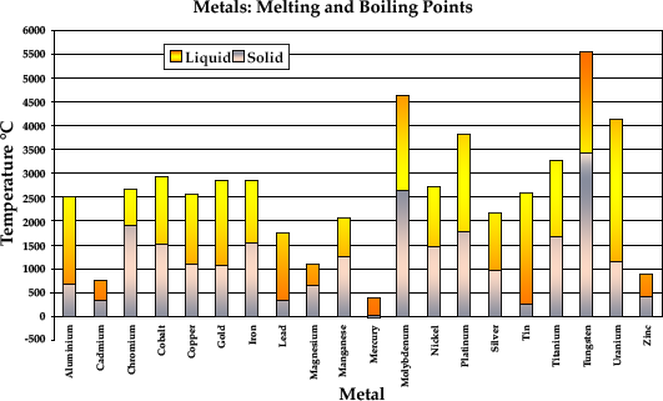
Then there’s osmium, which is right up there with tungsten, melting at around 3033 degrees Celsius. This stuff is so dense, it’s like trying to lift a tiny black hole. It’s incredibly rare and super hard to work with, which is probably why you don’t have a solid osmium paperweight. Imagine trying to shape that! You’d need a hammer forged in the heart of a volcano and a really, really good lawyer.
So, why is this whole "melting point" thing so important, beyond impressing people at parties with your knowledge of obscure metal facts? Well, for starters, it’s how we shape things. When you melt metal, you can pour it into molds and create all sorts of intricate shapes. Think of all the statues, the intricate jewelry, the complex engine parts – all made possible by understanding just how much heat each metal can handle before it says, "Okay, I’m done!"
It’s also crucial for safety. In industries like aerospace and nuclear power, using a metal that can withstand extreme temperatures is non-negotiable. You don’t want your airplane wing turning into a puddle on the tarmac, do you? Or your nuclear reactor having a very, very hot and messy melt-down. That would be… inconvenient.
Let’s have a little fun with some more numbers, shall we? Lead, that heavy, dull metal, melts at a relatively low 327.5 degrees Celsius. This is why it was used in old plumbing – it was easy to melt and shape, though apparently not the best idea for your health. It’s like the metal equivalent of that friend who’s really easy to hang out with but might secretly be a bit of a liability.
Copper, the stuff in your electrical wires and that cool penny, melts at 1085 degrees Celsius. It’s a good middle-grounder. Not too fussy, but definitely not a wilting violet. It’s reliable. It’s like your steady, dependable older sibling.
And then there’s silver, the fancy stuff. It melts at 961.8 degrees Celsius. So, your sparkly necklace can withstand a fair bit of heat, but don’t go throwing it into a campfire. It’ll get a bit stressed. It’s the metal equivalent of a pampered poodle – looks great, but best kept in a controlled environment.
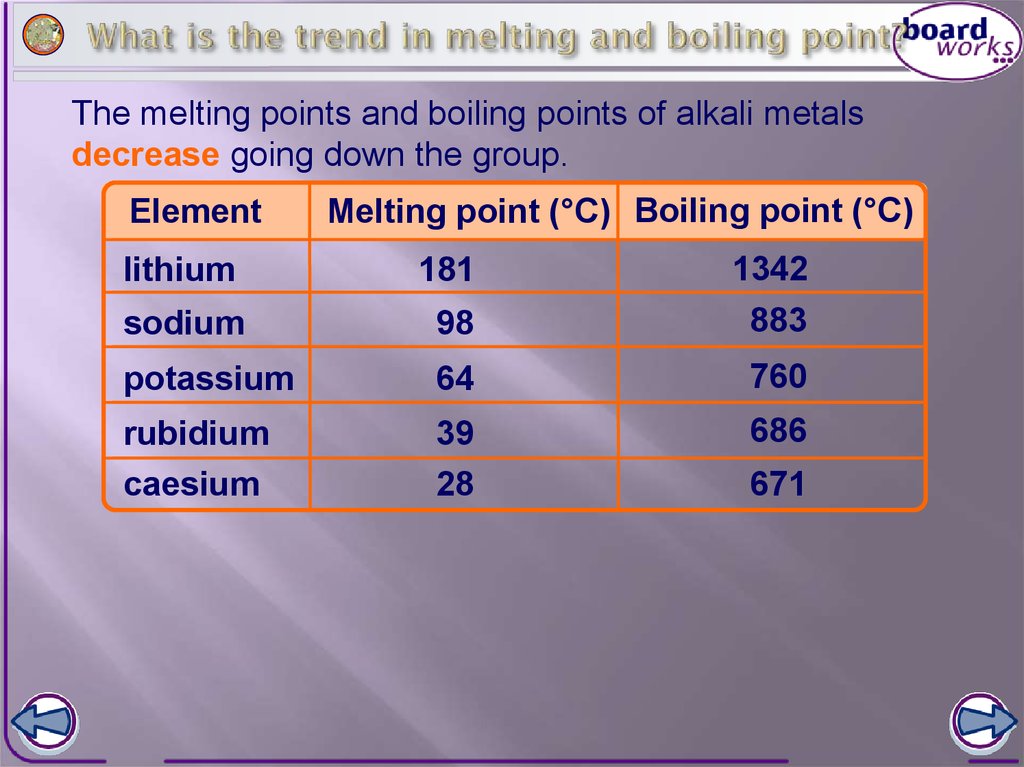
The melting point chart is basically a lineup of metals, ranked by their "flame-retardant" abilities. From the delicate, easily-muddled gallium to the unyielding, sun-defying tungsten, each has its place and its purpose. It's a testament to the incredible diversity and properties of these fundamental elements that make up so much of our world.
So, the next time you see a metal object, take a moment to appreciate its melting point. It’s a silent, incredibly hot story waiting to be told. And who knows, maybe you’ll even start imagining them as tiny, metallic characters with distinct personalities. Just try not to think about Uncle Barry. Some things are best left un-melted.