
Metal Gear Solid Story Explained
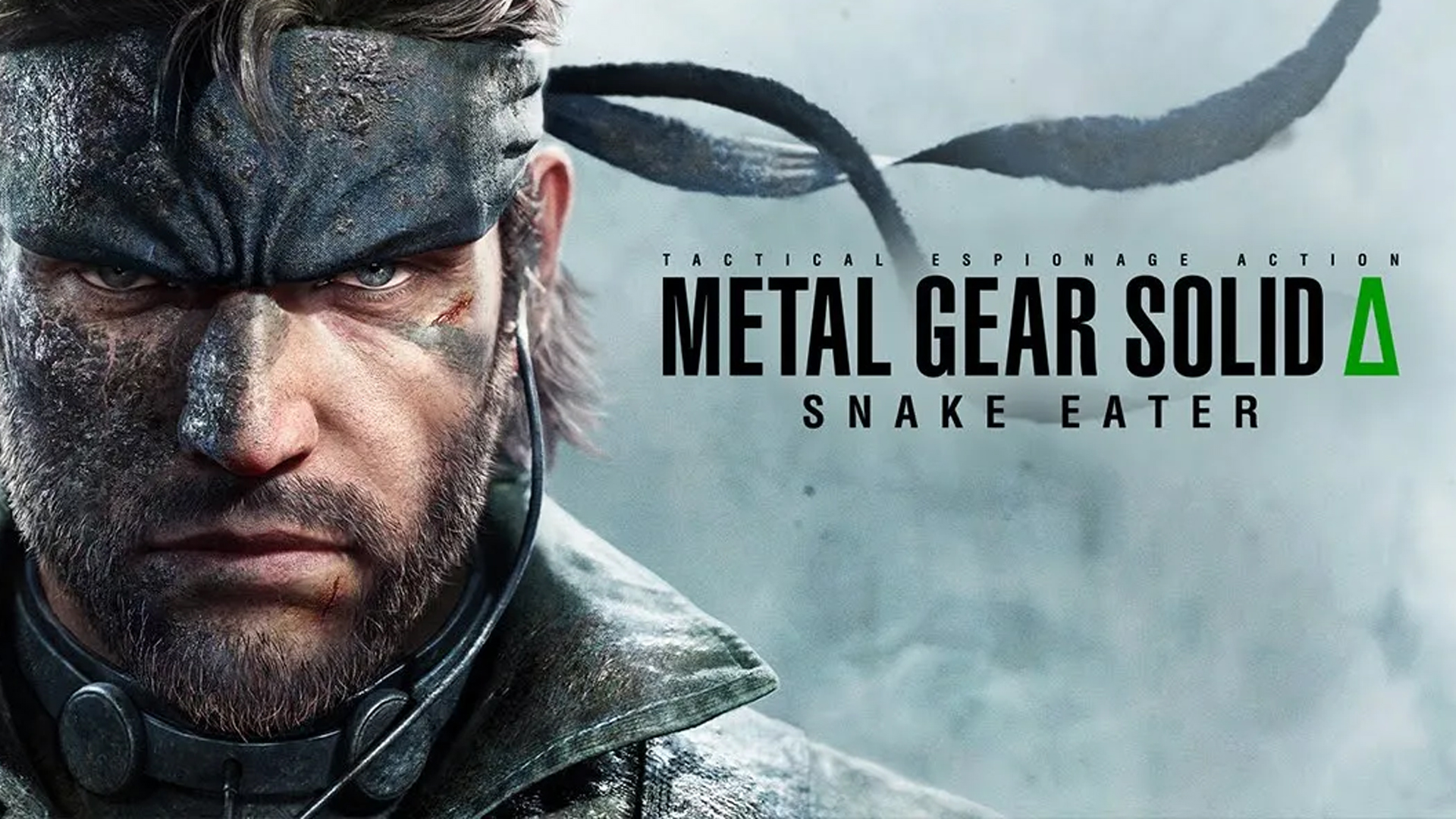
Alright, so you've heard of Metal Gear Solid, right? Maybe you've seen a screenshot or a bizarre movie trailer and thought, "What in the actual heck is going on there?" You're not alone. This series is basically the gaming equivalent of trying to assemble IKEA furniture after a questionable amount of coffee – it seems simple enough at first, but then you're suddenly wrestling with philosophical concepts and a dude in a wolf suit.
But hey, we've all been there, right? Like when you’re trying to explain that one dream you had where you were a ninja riding a unicorn, and suddenly you’re deep in a monologue about the futility of existence. That's kind of the vibe with Metal Gear. It’s a story that's as epic as it is utterly bananas, and honestly, that's part of its charm. Think of it as your super-talented friend who can recite Shakespeare but also occasionally wears a tin foil hat to ward off government mind control. It's a lot to take in, but it’s definitely memorable.
So, What's the Big Deal? Stealth, Soldiers, and Seriously Complicated Family Reunions.
At its core, Metal Gear Solid is a stealth action game. This means instead of running in guns blazing like a Rambo wannabe, you're more like a ninja cat burglar. You sneak around, hide in cardboard boxes (yes, cardboard boxes – don't ask, just roll with it), and take down enemies without them even knowing you were there. It's satisfying, like successfully parallel parking on the first try after an hour of sweating it out.
But the gameplay is just the appetizer. The real main course is the story. And oh boy, is it a meal. We're talking about a saga that spans decades, involves shadowy organizations, rogue agents, genetically engineered super-soldiers, talking sharks (okay, maybe not talking sharks, but close), and more plot twists than a pretzel factory fire.
The protagonist you’ll spend most of your time with is Solid Snake. Imagine your grumpy uncle who’s a bit of a loner but secretly has a heart of gold and can fix anything with duct tape and sheer willpower. That's Snake. He’s a legendary operative, a master of disguise, and generally seems to be perpetually annoyed by the world around him, which, let’s be honest, is a mood many of us can relate to.
Snake’s mission usually involves infiltrating heavily guarded bases, usually controlled by some megalomaniacal dude who wants to… well, ruin the world in some spectacular way. Think of it as your neighbor who’s convinced the government is spying on him through his smart fridge, but on a global scale with nuclear weapons. These villains are usually over-the-top, charismatic, and have names that sound like they were pulled from a heavy metal album cover – The Boss, Liquid Snake, Solidus Snake, Revolver Ocelot. It's a whole family tree of bad guys, and they're all very dramatic.
The Early Days: A Legacy of Secrets and Shadows.
The story really kicks off with the original Metal Gear games, but the big "aha!" moment for many comes with Metal Gear Solid on the PlayStation. This is where we meet Solid Snake in person (well, digitally). He’s sent on a mission to Outer Heaven, a private military nation, to stop a Metal Gear – a bipedal nuclear-equipped tank. Because apparently, that’s a thing in this universe. Like a giant, terrifying Tonka toy that shoots nukes. Brilliant, right?

But the real kicker is that Snake discovers he's up against his own genetic brother, Liquid Snake. Cue the dramatic family feud! It’s like your cousin who’s always been a little off suddenly showing up with a plan to take over the neighborhood bake sale, and you’re the only one who can stop him. Except with more explosions and existential dread.
This first game sets the tone: espionage, betrayal, and the burden of legacy. Snake is essentially a pawn in a much larger game, controlled by forces he doesn't fully understand. It’s the kind of stuff that makes you question your own life choices, like when you realize you’ve been using the wrong kind of laundry detergent for years and your socks have been secretly plotting against you.
The Snake Eater Saga: More Than Just a Spy Thriller.
Then we get to Metal Gear Solid 3: Snake Eater. This one is a prequel, and it’s where things get really juicy. We meet Naked Snake (who will eventually become Big Boss), a younger, less jaded version of Snake. Think of him as Solid Snake before he’d seen it all and developed that permanent scowl. He’s sent into the Soviet jungle during the Cold War on a mission that goes spectacularly wrong, leaving him with a brand new scar and a whole lot of trust issues.
This game is a masterclass in storytelling. It delves deep into the nature of loyalty, betrayal, and the sacrifices soldiers make. The relationship between Naked Snake and his mentor, The Boss, is the emotional core. She’s this legendary female soldier, a true patriot, but her motives are constantly questioned. It’s like you’re rooting for your favorite teacher, but then you discover they're secretly a master spy who’s been pulling strings all along. Mind. Blown.
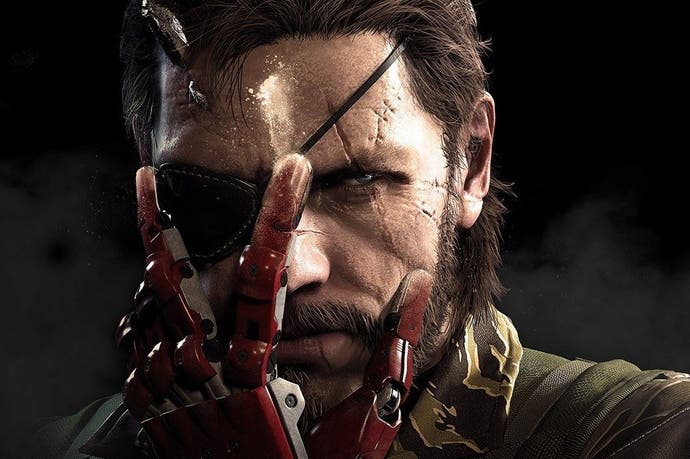
Snake Eater is also where we get introduced to some of the most memorable characters and boss fights in the series. The Pain, The Fear, The End – these guys are not your average henchmen. They’re more like… elemental forces of nature with serious anger management issues. Fighting The End, an ancient sniper, is like playing hide-and-seek with a ghost who has a really, really big gun. You’ll find yourself yelling at the screen, “Seriously, where is he now? Did he just teleport or something?!”
Big Boss: The Anti-Hero We Didn't Know We Needed.
The story of Naked Snake, or Big Boss as he becomes, is a tragic one. He’s a man who starts with noble intentions but is repeatedly betrayed and manipulated. He witnesses the horrors of war firsthand and becomes disillusioned with the world’s governments. He eventually decides that the only way to achieve true peace is to create a land where soldiers have no nation to answer to, a place where they can fight freely – a place called Outer Heaven.
This is where the narrative gets complicated. Is Big Boss a villain? Or is he a misunderstood hero? The series loves to play with these grey areas. It’s like that friend who always has a grand, slightly questionable plan, and you’re never sure if they’re going to change the world for the better or accidentally burn it all down. Big Boss walks that fine line, and his actions have ripple effects that shape the entire Metal Gear universe.
The Patriots and the System: When AI Gets Way Too Smart.
As the series progresses, we learn about "The Patriots," a secret organization that has been manipulating global events from the shadows for decades. They’re like the ultimate puppet masters, controlling everything from elections to the media. Imagine your parents secretly funding your entire life, deciding your career, your hobbies, and even who you date, all without you knowing. That's the Patriots, but on a global scale and with significantly more nefarious intent.
Their ultimate goal is to control information and shape the future of humanity. They create AI systems that are so advanced they can predict and influence human behavior. It's like having a super-smart algorithm that knows you're going to crave pizza on Friday night, and then subtly engineers the entire week to make that happen. But instead of pizza, it's war and political unrest.
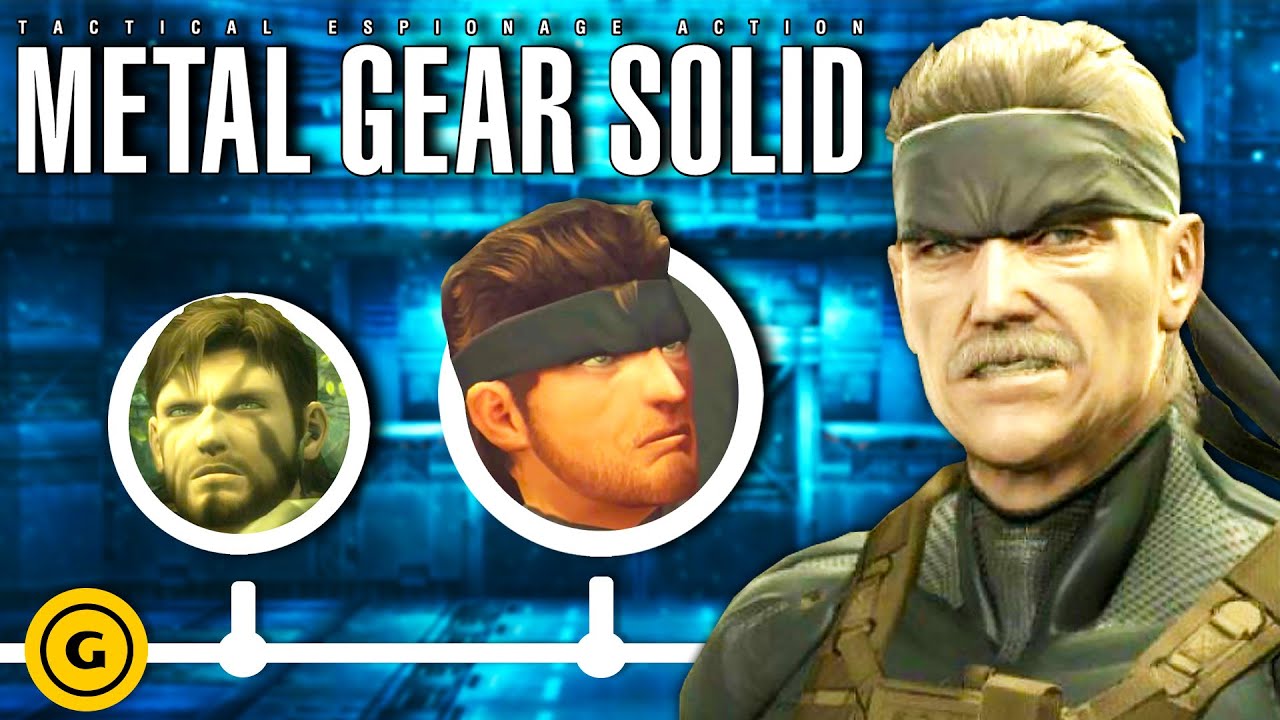
The concept of "memes" (not the internet kind, but influential ideas) is also a big deal in Metal Gear. The Patriots believe they can control history by controlling the spread of certain ideas. It’s like trying to ensure everyone in your office uses the same coffee mug. If they control the memes, they control the culture, and therefore, the future. It’s an ambitious, and frankly, terrifying thought.
The Future of Warfare: Nanomachines, Cyborgs, and Philosophical Debates.
Metal Gear Solid doesn't shy away from introducing futuristic technology, often with a slightly bizarre twist. We have nanomachines that grant soldiers incredible abilities, cyborg enhancements that turn people into walking weapons, and genetically engineered soldiers who are stronger and faster than regular humans. It’s like if your gym membership suddenly came with a side of experimental gene therapy and a discount on robot limbs.
The characters often engage in long, philosophical discussions about free will, destiny, and the meaning of life. Snake, in particular, is prone to these moments of deep introspection, usually while hiding from a group of heavily armed guards. It’s like you’re trying to have a profound conversation about the universe while your car alarm is going off and a dog is barking incessantly. The context is chaotic, but the thought is there.
The series also explores themes of the “will to power,” the desire for freedom, and the cyclical nature of violence. It asks big questions: What makes us human? Can we break free from the chains of our past? And is it ever okay to use a cardboard box as a stealth tool? (The answer to that last one is a resounding yes.)

It's All Connected: Like a Giant, Gloriously Messy Family Tree.
The beauty of the Metal Gear Solid story is how everything eventually ties together. Characters you meet in one game have connections to characters from games you haven’t even played yet. Plot points that seemed insignificant at first turn out to be crucial later on. It's like piecing together a massive jigsaw puzzle where half the pieces are missing, and the other half are covered in glitter.
You'll find yourself going back and replaying earlier games, suddenly understanding subtle references or character motivations that went right over your head the first time. It's a rewarding experience, like finally understanding a complicated inside joke that your friends have been telling for years. You feel like you're part of the club.
And then there’s Hideo Kojima, the creator, who injects so much of his own personality and quirks into the games. He’s known for breaking the fourth wall, for his surreal humor, and for his love of movies. You can see his influence everywhere, from the exaggerated character designs to the way he plays with player expectations. He’s the eccentric director who throws curveballs just to keep you on your toes, and it’s brilliant.
Don't Be Scared: Just Embrace the Weirdness.
So, if you’re thinking of diving into the world of Metal Gear Solid, my advice is simple: don't get bogged down in trying to understand every single detail immediately. Just enjoy the ride. Embrace the bizarre characters, the outlandish plot points, and the moments of genuine emotional depth. It’s a series that rewards patience and a willingness to go along for the wonderfully weird journey.
Think of it as watching an incredibly long, complex, and sometimes utterly nonsensical movie marathon with your best friends. You’ll laugh, you’ll be confused, you’ll probably question your life choices a few times, but by the end, you’ll have a shared experience that’s truly unforgettable. And who knows, you might even start seeing cardboard boxes in a whole new light.