
Metal Guitar Eq Cheat Sheet
Ah, the mighty metal guitar. It’s a beast, isn’t it? You plug it in, hit a power chord, and BAM! Instant attitude. But sometimes, that attitude needs a little… fine-tuning. That’s where our trusty friend, the equalizer, or EQ, comes in.
Now, I know what you're thinking. "EQ? Isn't that for fancy sound engineers with beards longer than their signal chains?" Nope! It's for us mere mortals too. Think of it as your guitar's personal stylist.
We're going to dive into a little EQ cheat sheet. It’s not scientific; it’s more of a vibe check. My unpopular opinion? These are the shortcuts you actually need. Forget complex diagrams. We’re going for quick wins.
The Low-End Rumble: Bass and Punch
Let's start at the bottom. We’re talking about the bass frequencies. These are the big, beefy notes that make your gut rumble. For metal, you want this to sound powerful.
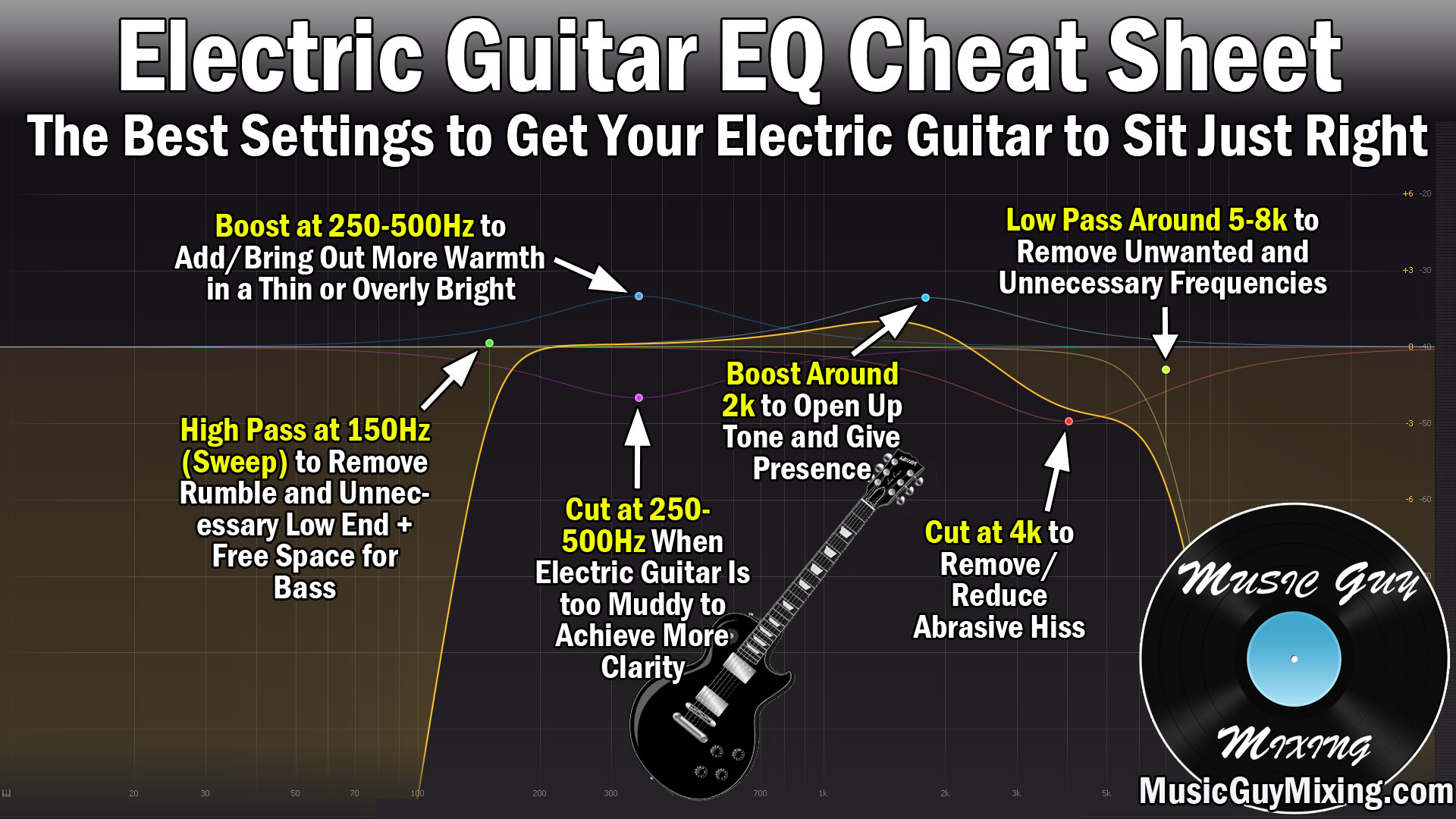
If your guitar sounds thin, like it's been on a diet, try adding a little something in the 80Hz to 200Hz range. Just a touch! You don't want to sound like a subwoofer exploding.
Too much bass, and your guitar will sound muddy. It'll get lost in the mix, like a shy kid at a mosh pit. We want clarity, but we also want that satisfying thump.
On the flip side, if it’s too boomy, try pulling back a little in that same range. It’s a balancing act, like juggling chainsaws.
The Mid-Range Growl: Presence and Aggression
This is where the magic happens for metal guitars. The mid-range is the heart and soul of your tone. It’s where all the grit and aggression live.
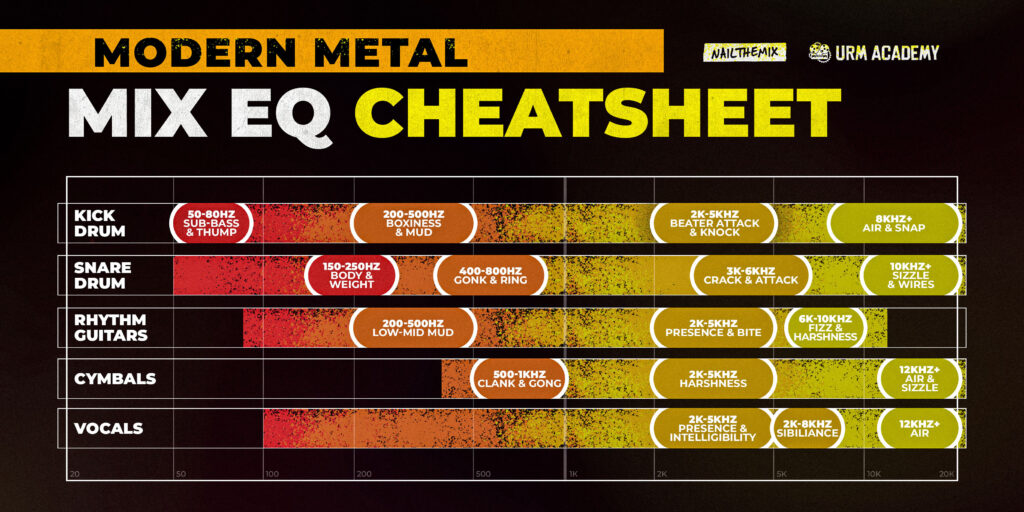
Most metal tones rely heavily on the mids. Think of the iconic sounds of bands like Metallica or Slayer. That distinctive "wah-wah" like vocal quality? That's the mids talking.
A common sweet spot for that classic metal bite is between 800Hz and 2.5kHz. Boosting this area will give you that chainsaw-like cut. It’ll slice through the drums and bass like a hot knife through butter.
But be careful! Too much in this range can sound harsh and "honky." It’s like fingernails on a chalkboard, but louder. You want aggression, not annoyance.
The "Sad Honk" Zone
There’s a specific frequency, often around 1kHz, that can sometimes sound like a bad telephone effect. If your guitar sounds a bit like it’s calling from a tin can, try taking a little scoop out of this area. It’s my personal nemesis: the sad honk.
Conversely, if your tone is just not cutting through, a small boost around 1.5kHz to 2.5kHz might be your savior. This is the "attack" zone, the part that makes your notes feel snappy.

The High-End Sparkle: Clarity and Definition
Now, let's talk about the high frequencies. These are the shiny bits, the sparkle and clarity. For metal, you want your notes to be defined, not lost in a fuzzy cloud.
A little boost in the 4kHz to 8kHz range can really bring out the pick attack and the harmonics of your strings. It makes your guitar sound "expensive" and clear.
Think of the crispness of a well-recorded shredding solo. That’s often the work of these higher frequencies. It adds that extra oomph to your palm-muted riffs too.
However, if you boost too much here, you risk getting harsh, brittle sounds. It can become painful to listen to, especially at higher volumes. We’re going for sparkle, not a dentist drill.
The "Air" Factor
Above 8kHz, you’re getting into the really airy stuff. A tiny little boost here can add a sense of space and openness. It’s like giving your guitar a breath of fresh air.
This is subtle, but it can make a big difference. It separates your guitar from sounding "boxy." This is where you can add a touch of shimmer to your lead tones.
Putting It All Together: The "Unpopular" Method
Here's my secret, not-so-secret method. I like to think of EQ in broad strokes. Forget precise numbers for a second.
First, I'll crank up the bass a bit to get that low-end weight. Then, I'll aggressively boost the mids to find that sweet spot of aggression. I’m listening for the "roar."
Next, I’ll add a touch of treble to make sure it cuts. I want to hear that pick attack. Finally, I’ll start cutting what doesn’t sound good.
This is the "cut to boost" philosophy, in a way. It’s often easier to find what’s wrong and remove it, rather than trying to force what’s right.

Common Pitfalls and Quick Fixes
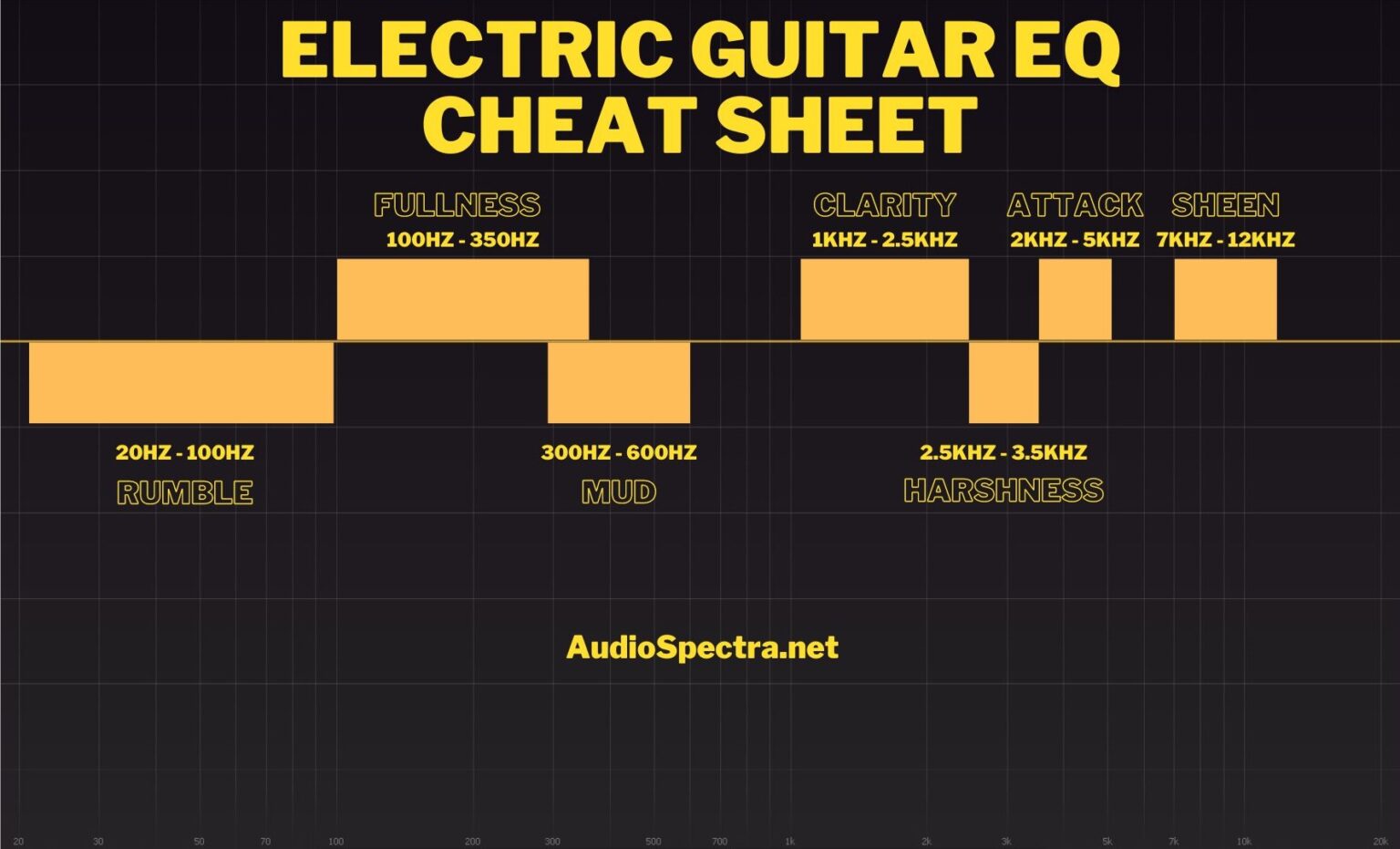
Muddy Bass: Too much in the 100Hz-300Hz. Scoop it out a bit.
Harshness: Too much in the 2kHz-4kHz. Gently reduce.
Thin and Weak: Not enough in the 80Hz-200Hz (for fullness) or 1.5kHz-2.5kHz (for attack). Add a little.
Too much "Scoop": The dreaded "V" shape where you cut both bass and treble and boost the mids. This is okay for some genres, but for raw metal, it can sound a bit unnatural.
Remember, these are just starting points. Every guitar, every amp, and every room sounds different. Your ears are the ultimate judge.
So, next time you’re tweaking your tone, don't be intimidated by the knobs. Think of it as sculpting. You’re carving out that perfect, earth-shattering metal sound. Go forth and EQ with confidence!