
Metal Halide Vs High Pressure Sodium
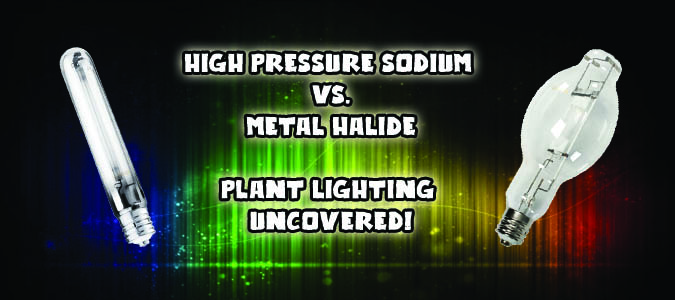
Alright folks, gather 'round, grab your artisanal coffee (or, you know, regular coffee, no judgment here), and let's talk about something that probably keeps you up at night, right? No? Well, it should because we're diving headfirst into the electrifying, slightly-less-than-glamorous world of industrial lighting: Metal Halide vs. High-Pressure Sodium!
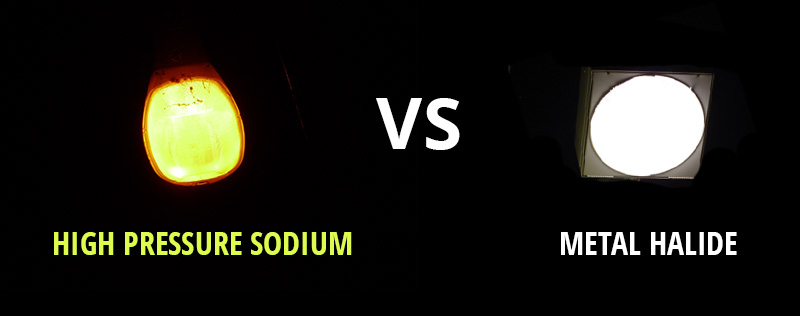
Imagine this: it’s a dark and stormy night. A lonely highway stretches out before you. What kind of alien spaceship-like glow do you see in the distance? Is it the cool, crisp, almost "interrogation room chic" of Metal Halide, or the warm, fuzzy, "nostalgic sepia-toned photo album" vibe of High-Pressure Sodium? This, my friends, is the ancient, existential question that haunts parking lots and sports stadiums worldwide.
Let's start with our orange-ish friend, the High-Pressure Sodium (HPS) lamp. Think of this guy as the reliable, slightly eccentric uncle of the lighting world. He's been around the block, he's got stories, and he's not afraid to tell them with a distinctive, warm, yellowish-orange hue. Seriously, these things emit light that's so orange, you'd swear a pumpkin had a mid-life crisis and decided to become a light bulb. For years, HPS was the undisputed king of illuminating our nocturnal adventures. Streets, highways, those massive football stadiums where the grass looks suspiciously like a bad spray tan – all thanks to HPS. It's a workhorse, and it’s incredibly efficient at its job, turning electricity into light with a surprising lack of fuss.
But here’s the kicker: HPS light has this peculiar habit of making everything look… well, orange. Colors get butchered. That vibrant red Ferrari parked under an HPS lamp? Looks more like a sad, faded persimmon. That perfectly manicured green lawn? Suddenly resembles a mossy swamp. It's like everything is being viewed through a filter designed by a retired traffic cone. It’s not exactly a recipe for vibrant, true-to-life visibility. You can't even tell if your burger is medium-rare or charcoal briquette without a second opinion.
Now, let's swing over to the contender, the Metal Halide (MH) lamp. This one is the flashier, more sophisticated cousin. MH lamps are all about that crisp, clean, daylight-like glow. Imagine a summer afternoon, but channeled into a bulb. They produce a much whiter light, and this is where things get exciting for your eyeballs. Colors under MH light? They pop! Reds look red, blues look blue, greens are gloriously green. It’s like a high-definition upgrade for your visual experience. Suddenly, those stadium lights make the athletes’ uniforms look like they belong in a fashion catalog, not a fuzzy childhood memory.
MH lamps are like the artists of the lighting world. They appreciate nuance. They understand that the subtle shades of a sunset are important, and that distinguishing between a ripe strawberry and a slightly overripe one is a matter of culinary justice. They’re fantastic for situations where accurate color rendering is crucial – think greenhouses where plant health depends on seeing true colors, or those fancy art galleries where every brushstroke needs to be appreciated in its intended glory. They even used to be the go-to for indoor grow operations, making plants feel like they were soaking up the sun’s benevolent rays.
But here’s the catch with our sophisticated MH friend: they're a bit more… temperamental. These lamps take a while to warm up. You can't just flip a switch and expect instant brilliance. It’s more of a gradual ascent to full power. Think of it like waiting for a really talented, but slightly dramatic, opera singer to hit their high note. And if you do turn an MH lamp off, you can’t just turn it right back on. Oh no. It needs to cool down completely, like a diva after a strenuous performance, before it’s ready for its encore. This "restart delay" can be a real bummer if you're, say, playing a night game and the power flickers for a second. Suddenly, the field is plunged into darkness while the MH lamps have their little existential crisis.

Another thing about MH bulbs is that they tend to have a shorter lifespan compared to their HPS counterparts. They burn brighter, sure, but they also burn out faster. It's the classic "live fast, die young" rockstar mentality of the lighting industry. HPS lamps, on the other hand, are like the marathon runners. They chug along, reliably and consistently, for a really, really long time. You can practically hand them down to your grandchildren. Plus, HPS lamps are generally more energy-efficient for the amount of light they produce, making them a cost-effective choice for large-scale, long-duration lighting applications.
So, why are we even having this conversation? Because, in the grand scheme of things, these two types of bulbs are responsible for a huge chunk of the artificial light that shapes our modern world, especially outdoors. They’ve battled it out for dominance in various arenas, each with its own strengths and weaknesses.
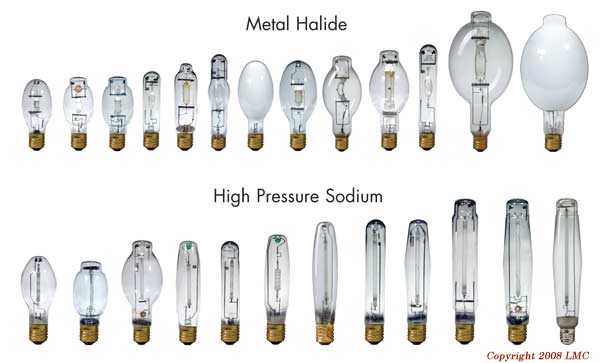
Metal Halide is the sprinter, the one who bursts onto the scene with dazzling clarity and vibrant color. It’s the life of the party, but it might leave early. High-Pressure Sodium is the endurance runner, the steady performer who keeps going and going, even if it paints the world in shades of tangerine. It’s reliable, a bit unpretentious, and gets the job done, even if it makes your prize-winning roses look like they're blushing.
Think of it this way: if you want to see the true colors of a rare bird for identification, you'd want MH. If you just need to make sure that shadowy alley doesn't harbor any surprise ninjas, HPS might just do the trick, albeit in a slightly spooky, sepia-toned fashion. Sometimes, you don't need a masterpiece painting; you just need to know you're not about to trip over a rogue banana peel. And for that, dear friends, HPS was often the unsung hero.
However, the world moves on, and newer technologies like LED lighting are now entering the arena, often surpassing both in terms of efficiency, lifespan, and color control. But for a long time, this was the epic showdown. The orange vs. the white. The reliable workhorse vs. the artistic prima donna. And honestly? It’s kind of fun to think about the unsung heroes of our illuminated nights. So next time you’re driving down the road or watching a game, take a moment. Appreciate the light. And maybe, just maybe, you can tell whether you're under the warm embrace of HPS or the sharp clarity of MH. Or maybe you’re just seeing things. Either way, the story is lit!