
Metal Telescopic Extension Tubes
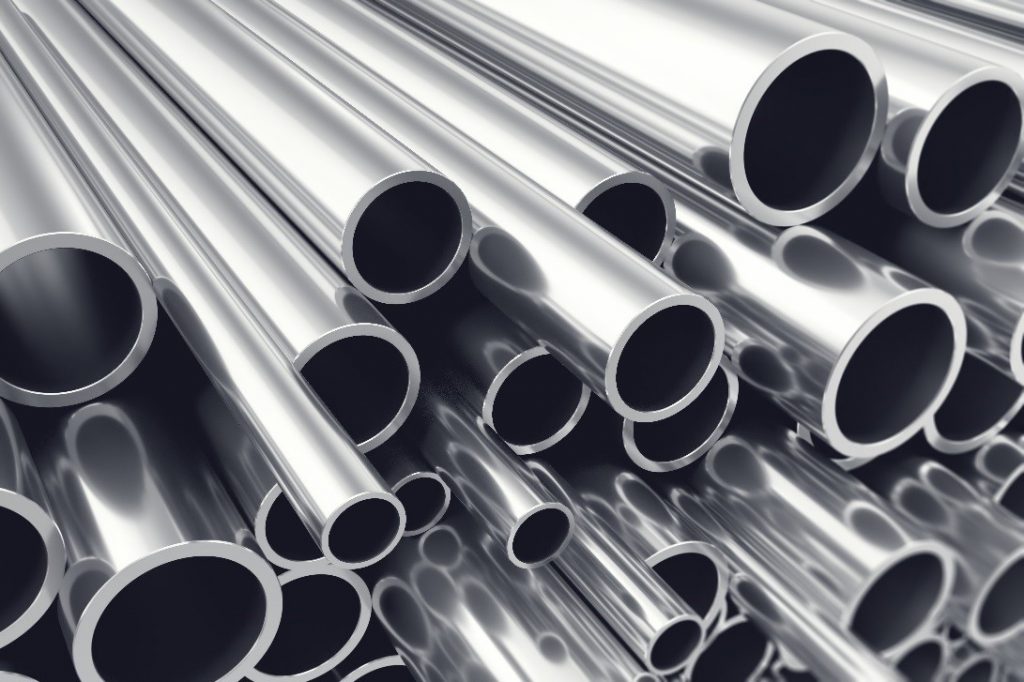
So, you're into photography, right? Maybe you've got a fancy camera, a lens or two, and you're thinking, "What else can I do to make my photos pop?" Well, my friend, have I got a little secret for you. It’s not flashy, it’s not covered in neon lights, but oh boy, can it make a difference. We're talking about metal telescopic extension tubes. Yep, just as exciting as they sound, I promise! (Okay, maybe not that exciting, but stick with me.)
Think of them like these magic little cylinders that you stick between your camera body and your lens. That's it. Sounds simple, doesn't it? And honestly, it is simple. But the results? Totally mind-blowing. Especially if you're someone who loves getting up close and personal with… well, anything small. We're talking tiny bugs, intricate flower details, maybe even the wrinkles on your cat’s grumpy face. You know, the important stuff.
Why would you even want these things? Great question! Usually, your camera lens has a minimum focusing distance. You know, that point where your camera just goes, "Nope, can't get any closer, buddy." You'll get that annoying beep or just… nothing in focus. Frustrating, right? It’s like trying to whisper sweet nothings to a ladybug and it just scurries away because you’re too far. Rude!
Extension tubes are like giving your lens a little boost, a secret superpower to get much closer. They essentially extend the distance between your lens and your camera sensor. And by extending that distance, they magically reduce your lens's minimum focusing distance. Poof! Suddenly, that ladybug is posing for a glamorous glamour shot. Who knew?
The "telescopic" part is actually pretty neat. It means they can extend and retract, like a tiny, metal spyglass. This is super handy because it gives you a bit of flexibility. You can adjust how much extension you need. It’s not a one-size-fits-all deal. You can fiddle with it and find that sweet spot for whatever miniature marvel you're trying to capture. Think of it as getting a custom fit for your macro photography needs. Fancy!
So, How Do They Actually Work?
Okay, let’s get a tiny bit technical, but don’t worry, I’ll keep it light. When you put an extension tube on, you’re essentially increasing the distance the light has to travel from your subject to your sensor. This increased distance, believe it or not, magnifies your subject. It’s like putting a magnifying glass on your camera’s eye. Clever, huh?
The more extension you add, the closer you can focus and the bigger your subject appears in the frame. Simple as that. You can buy them in different lengths, or often, you get a set with a few tubes of varying sizes. This is ideal, because sometimes you need a little nudge, and other times you want to go full-on super-macro. It’s like having a buffet of magnification options.
And these bad boys are usually made of metal. Why metal, you ask? Because they're sturdy! They need to hold your expensive lens securely, and they need to withstand a bit of fiddling. Plastic might feel a bit… flimsy, for something so important. Metal gives you that reassuring thunk when you connect it, a sound that screams, "Yep, this is solid."

The Glorious World of Macro
This is where extension tubes really shine. Macro photography, the art of photographing tiny things really, really big. It’s a whole universe out there that you’re probably missing out on. Think about it: the intricate patterns on a butterfly’s wing, the dew drops on a spiderweb looking like diamonds, the incredible textures of a leaf. These are the hidden wonders of our world.
With extension tubes, you can unlock this world. You can get those super close-up shots that make people go, "Whoa, what is that?" and then you can proudly tell them, "Oh, just a little something I captured with my handy-dandy extension tubes!" Feel the bragging rights begin!
It’s not just about bugs and flowers, either. Think about product photography. Need to show off the incredible detail on a piece of jewelry? Or the intricate stitching on a handmade craft? Extension tubes can make those details jump out and grab your audience. Suddenly, that tiny charm looks like a masterpiece.
Even for portraits, believe it or not. Want to capture the intense detail in someone’s eyes? A little extension tube can help you get incredibly close, revealing textures and expressions you wouldn't normally see. It's like getting an X-ray of emotion, but way more artistic. And less… medical. We're going for pretty pictures here, not an eye exam.
The best part? It’s a relatively cheap way to get into macro photography. Compared to buying a dedicated macro lens, which can set you back a pretty penny, extension tubes are a steal. Seriously, you can probably afford a decent set for less than a fancy coffee and a croissant. And the results are so worth it.

Are They Perfect? Let's Be Real.
Okay, so they're not magic wands. There are a couple of trade-offs. First, and this is a big one, you lose light. When you extend the lens, you’re making the light travel further, which naturally makes the image darker. So, you’ll likely need to increase your ISO, or use a wider aperture, or grab a tripod. Or, you know, just have really, really good lighting. Which is often easier said than done when you’re trying to photograph a skittish beetle in its natural habitat. They tend to prefer dimly lit, shy situations.
Second, your depth of field becomes super shallow. Like, microscopic-ly shallow. You’re focusing on something so tiny, and so close, that only a sliver of it will be in focus. This is part of the macro look, sure, but it means you need to be really precise with your focus. Seriously, a millimeter can make or break your shot. It’s a delicate dance, people. A very, very delicate dance.
And the autofocus? Well, it might get a bit confused. Sometimes it’ll hunt, looking for something to lock onto. Often, you’ll find yourself manually focusing. Which, for macro, is often the preferred method anyway. It gives you that fine-tuned control. But if you’re used to your camera doing all the work, you might need to adjust your workflow a bit. Embrace the manual!
Also, the camera's electronics. Many extension tubes are "auto" tubes, meaning they have contacts that allow the camera to communicate with the lens. This means you can still control aperture and get autofocus (though, as mentioned, it can be finicky). If you get "manual" tubes, they're just hollow tubes. No electronic communication. You’ll need a lens with an aperture ring on it, and you'll have to set focus manually. It’s a bit more old-school, but can be just as effective if you're patient.
Types of Extension Tubes: What's the Difference?
So, you're browsing online, and you see "auto" extension tubes and "manual" extension tubes. What's the deal? As I just hinted, auto tubes have those little metal contacts. They let your camera control the aperture and try to do autofocus. Think of them as the "deluxe" model. They're generally more convenient if your camera and lens support them. They're like the automatic transmission of extension tubes.
Manual tubes, on the other hand, are just… tubes. No fancy electronics. They’re simpler, usually cheaper, and they force you to engage more with the photography process. If you have older lenses with aperture rings, or if you just prefer a more tactile experience, manual tubes are great. They’re like the manual shift of extension tubes. More control, more involvement.
You'll also see them sold in sets. This is usually the best way to go. You'll get a couple of tubes, maybe 10mm, 16mm, and 30mm. You can use them individually, or you can stack them! Yep, you can put a 10mm tube and a 16mm tube together for a combined 26mm of extension. Get ready for some serious magnification, folks! This is where the telescopic feature really comes into its own. You're not limited to just one level of zoom; you can mix and match to achieve your desired magnification.
Tips for Using Your New Metal Marvels
Okay, so you've got your extension tubes. You're ready to dive into the miniature world. Here are a few pointers to get you started:
1. Get a Tripod: Seriously. Because of the light loss and the shallow depth of field, you'll want a stable platform. Handholding can be done, but it’s a challenge. A tripod will make your life so much easier, and your shots so much sharper. It’s the bedrock of good macro photography.
2. Practice Focusing: Manual focus is your friend here. Learn to use your camera's live view and zoom in to nail your focus point. It takes practice, but it’s incredibly rewarding when you nail it. Imagine trying to thread a needle with boxing gloves on – that’s sometimes what focusing can feel like without practice. But you’ll get there!
3. Watch Your Backgrounds: With macro, your background can become really blurred and abstract. This can be beautiful, but sometimes it can be distracting. Pay attention to what’s behind your tiny subject. A clean, unobtrusive background will make your subject really stand out. Think of it as giving your subject its own spotlight.
4. Experiment with Lighting: Natural light is great, but don’t be afraid to use an external flash or a ring light. A ring light, in particular, can give you even lighting right around your subject. You might need to diffuse it, though, so it’s not too harsh. We’re going for delicate beauty, not a harsh interrogation lamp.
5. Embrace the Magnification: Don't be afraid to stack those tubes and go for extreme magnification. That’s the fun of it! You’ll be surprised at the detail you can capture. It’s like discovering a hidden world right under your nose. A world of tiny, fascinating things.
6. Patience is Key: Macro photography, especially with extension tubes, requires patience. You’ll miss shots. You’ll get frustrated. But when you finally capture that perfect image, that tiny moment of beauty, it’s all worth it. It’s a journey, not a race. A very slow, very detailed journey.
So there you have it. Metal telescopic extension tubes. They might not have the glamour of a brand-new telephoto lens, but they offer a gateway to a whole new world of photographic possibilities. They’re affordable, they’re effective, and they’re surprisingly fun to use. Give them a try, and you might just find yourself obsessed with the tiny wonders that surround us every day. Now, go forth and magnify!