
Metals Detectors For The Packaging Industry

Hey there, packaging pals! Ever stopped to think about what goes into making sure that shiny new gadget or that delicious bag of chips you just bought is actually just the good stuff inside? Yeah, me neither, until I started diving into the wacky world of packaging machinery. And guess what popped up on my radar? Metal detectors! I know, I know, you're probably picturing Indiana Jones with a conveyor belt. But trust me, these things are way cooler, and way more important, than a treasure hunt.
So, what's the big deal about metal detectors in the packaging industry? Well, think about it. Imagine you're all excited to open your brand new, super-duper, probably-too-expensive-but-who's-counting snack. You rip open the bag, ready for that satisfying crunch, and BAM! You find a rogue screw. Not exactly the flavour profile you were hoping for, right? Or maybe it's something a bit more… industrial. A tiny shard of metal from a production line gone awry. Suddenly, your snack experience has gone from delightful to downright dangerous. And that, my friends, is where our unsung heroes, the humble metal detectors, come in.
These clever contraptions aren't just for keeping stray paperclips out of your cereal boxes, although they're pretty good at that too. They're the gatekeepers of quality, the guardians of your goods, the silent sentinels ensuring that only what's supposed to be in your packaging actually makes it to your hands. Pretty neat, huh?
Let's get a little technical, but don't worry, I'll keep it as light as a feather. Basically, most metal detectors work by creating an electromagnetic field. Think of it like a little force field. When a product passes through this field, if there's any metal hiding inside – whether it's stainless steel from a faulty tool, a tiny piece of wire from a previous manufacturing step, or even something accidentally dropped by a well-meaning (but slightly clumsy) worker – it disrupts that field. The detector, being the smarty-pants it is, picks up on this disruption.
And what happens when it picks up on the disruption? Well, this is where the magic really happens! The detector sends a signal to the packaging line. This signal can do a few different things, depending on how fancy the setup is. It might trigger a buzzer or a flashing light, alerting the humans on the line that something's amiss. Or, for the truly automated systems, it can actually tell the conveyor belt to stop or, even better, activate a rejection mechanism. This could be a gentle nudge, a puff of air, or a robotic arm that swoops in and whisks away the offending package. It's like a polite, but firm, eviction notice for any unwelcome metal guests.
So, what kind of metal are we talking about?
It's not just the shiny, magnetic stuff like iron and steel that sets these detectors off. Oh no, these guys are pretty discerning. They can also detect non-ferrous metals like aluminum, copper, and brass. So, even if that rogue screw is made of aluminum foil from your lunch, the detector will still give it the side-eye. This is super important because different products might have different potential metal contaminants. Think about it: a company packaging meat might be more worried about metal shavings from cutting machinery, while a company packaging electronics might be concerned about tiny bits of solder.
Why is this so crucial for packaging?
Let's break it down. Safety is obviously paramount. Nobody wants to accidentally ingest a bit of metal, right? It's not good for our teeth, and it's certainly not good for our tummies. So, metal detectors are a big win for consumer safety. They help prevent recalls, which are a nightmare for any business, costing a fortune in lost product, logistics, and, most importantly, reputation.
Beyond safety, there's also the issue of product integrity. Imagine you're selling premium chocolate. You wouldn't want a tiny bit of metal making its way into those delicious squares, would you? It compromises the quality of the entire batch. Metal detectors ensure that the product you receive is exactly as the manufacturer intended – pure, unadulterated goodness.
And then there's the brand reputation. A company that consistently puts out safe, high-quality products builds trust. A single incident of contamination, even a small one, can tarnish that reputation. So, investing in metal detection technology is like investing in your brand's good name. It's a quiet, yet powerful, statement that says, "We care about what you get."
Think of it this way: the packaging is the final frontier between the factory floor and your front door. And our metal detectors are the trusty guards on that frontier, making sure no unwanted intruders sneak through. They’re like the bouncers at a very exclusive party, only for your packaged goods.
Different Strokes for Different Folks (and Products!)
Now, you might be thinking, "Are all metal detectors created equal?" And the answer is, not exactly! Just like there are different kinds of snacks, there are different kinds of metal detectors designed for specific needs. This is where things get a little more interesting, and believe me, there's more to it than just a big metal loop.
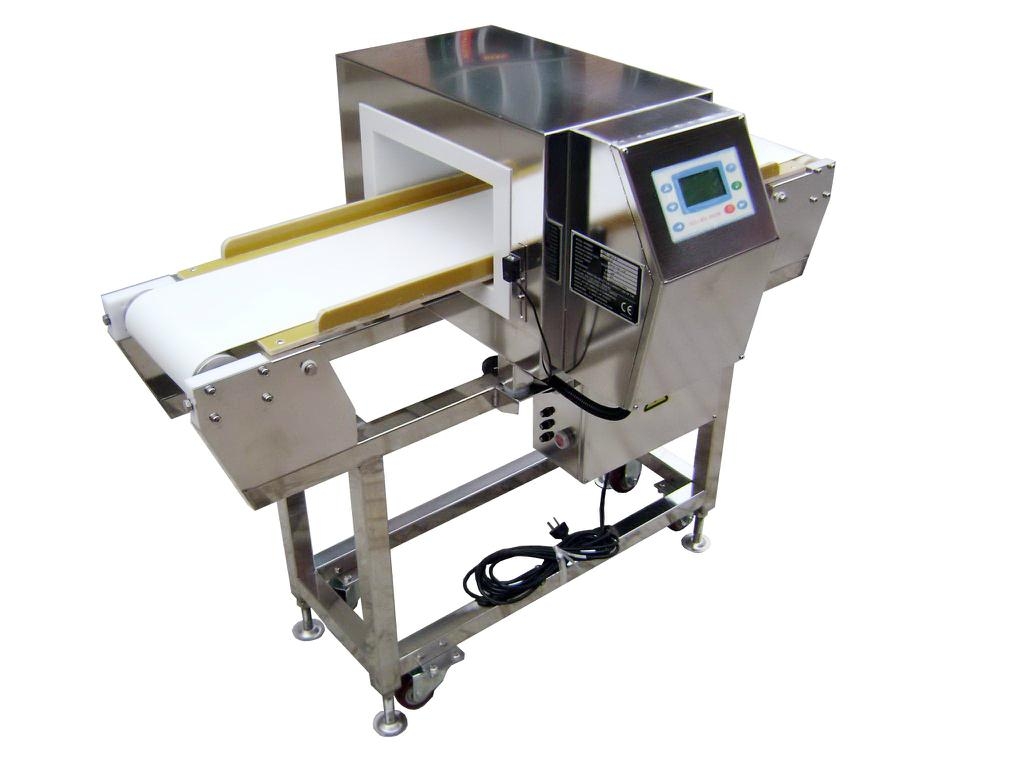
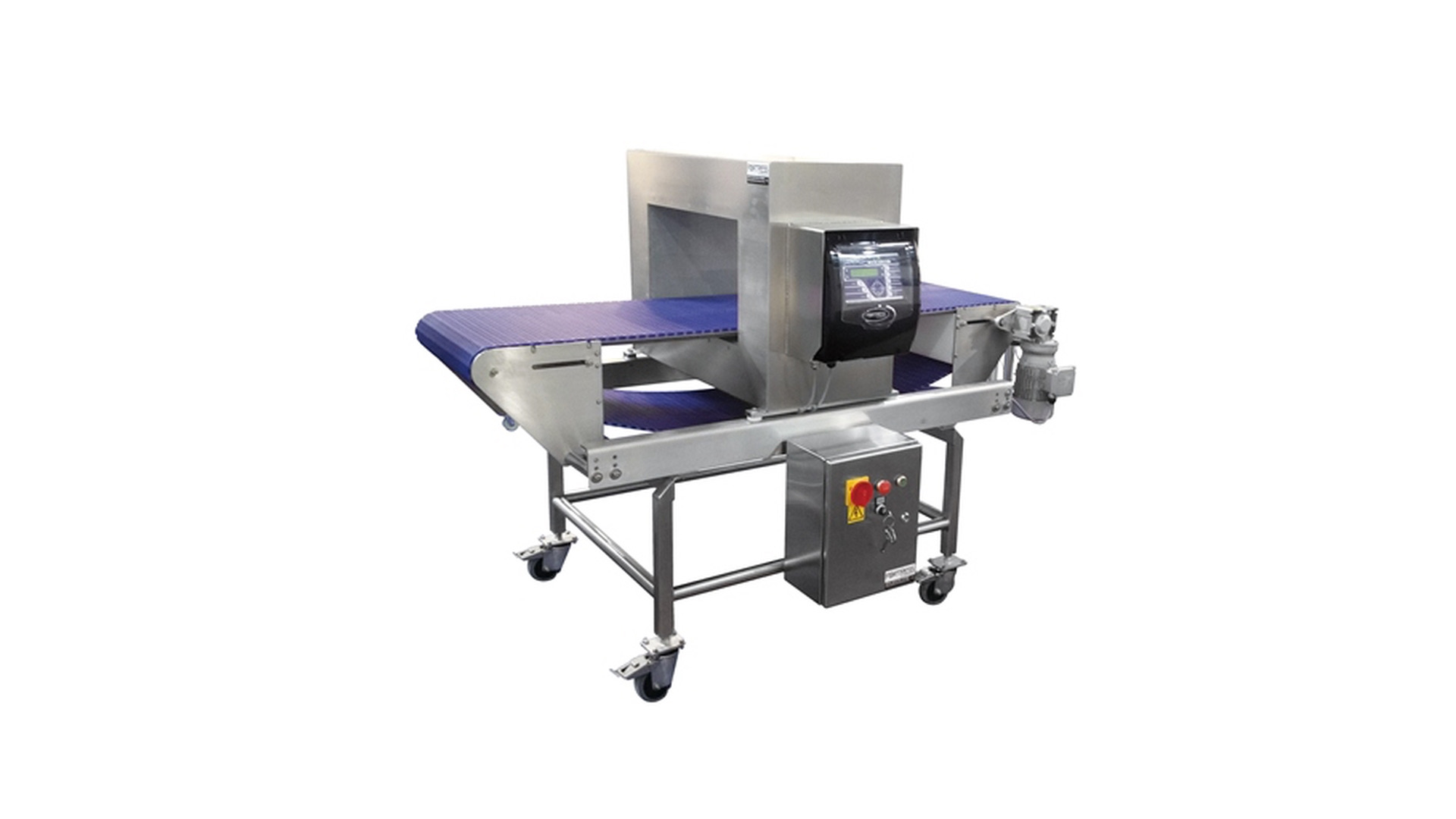
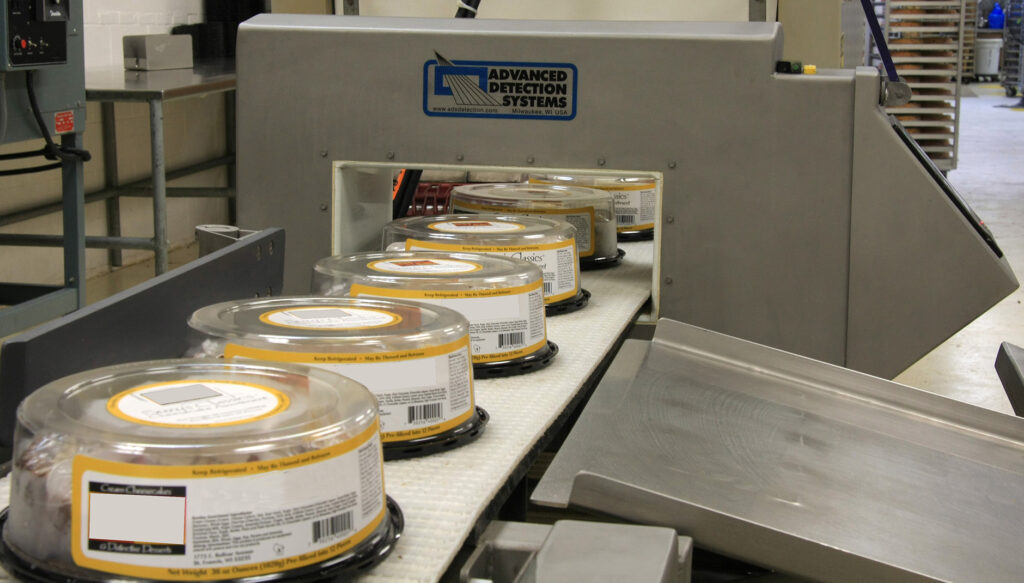
You've got your general-purpose conveyor belt metal detectors. These are probably the most common. They're designed to be placed in-line with a conveyor belt, and as your products zoom by, they get scanned. Simple, effective, and a workhorse for many industries.
Then there are the gravity feed metal detectors. These are perfect for dry, free-flowing products like grains, powders, or small candies. The product literally falls through the detector's aperture, giving it a thorough once-over. Imagine a waterfall of deliciousness, but with a super-smart scanner hidden in the mist.
And let's not forget the more specialized ones. For liquids or semi-liquids, you might find pipeline metal detectors. These are integrated directly into the pipework, so as your sauces, yogurts, or even beer flows through, it’s being inspected. It's like the product is getting a spa treatment and a security check all at once!
There are even metal detectors that can be integrated into other types of inspection systems, like checkweighers or X-ray systems. This is where things get really high-tech. Imagine a multi-talented machine that not only checks the weight of your product but also scans for metal and can even peer inside to check for other anomalies. It's like the Swiss Army knife of packaging inspection!
Making Sure It Works: Calibration and Maintenance
Now, like any piece of sophisticated equipment, metal detectors need a little love and attention to keep them running at their best. This is where calibration and maintenance come in. It's not just about plugging them in and forgetting about them. These machines need to be regularly checked and adjusted to ensure they're still sensitive enough to catch those tiny metal intruders.
Calibration involves using specific metal test pieces – think of them as little metal "allergens" – to verify the detector's performance. The operators will run these test pieces through the detector to make sure it triggers correctly. It's like a doctor giving the detector a check-up to make sure it's in tip-top shape. And this isn't just a "nice-to-have"; it's often a regulatory requirement for many industries, especially food and pharmaceuticals.
Regular maintenance is also key. This might involve cleaning the detector head, checking for any physical damage, and ensuring all the connections are secure. A well-maintained metal detector is a reliable metal detector, and reliability is what you want when you're protecting your product and your brand.
The "What If" Scenarios: Finding the Unseen
Let's play a little "what if" game, shall we? What if you're packaging delicate baked goods? The last thing you want is a sharp piece of metal to ruin someone's perfect croissant experience. A metal detector is your trusty sidekick here, ensuring that only buttery, flaky goodness makes it to the consumer.
Or consider pharmaceuticals. The stakes are incredibly high. A tiny metal fragment in a pill could have serious consequences. Metal detectors are absolutely non-negotiable in these scenarios, providing a critical layer of safety that protects lives.
Even in seemingly simple packaging, like bags of frozen vegetables, metal can find its way in from machinery. A rogue bolt from a frozen food processor or a tiny shard of metal from a conveyor belt roller can easily end up in your peas. And while it might not be as immediately dangerous as in a pharmaceutical, it's still a quality issue that can lead to consumer complaints and lost trust. So, even your humble bag of frozen peas is probably benefiting from a metal detector's vigilance.

It’s also worth noting that metal detectors are fantastic at detecting metals that other inspection methods might miss. For instance, X-ray systems are brilliant at detecting foreign objects like glass or bone, but they might struggle with certain types of metal, especially if the metal is thin or the product is dense. Metal detectors, with their electromagnetic wizardry, fill that gap beautifully. They're like the specialized detectives who excel at solving particular types of mysteries.
The Future is Looking Metal-Free (and Shiny!)
The technology behind metal detection is constantly evolving. Manufacturers are always looking for ways to make these detectors more sensitive, more accurate, and easier to integrate into complex packaging lines. We're seeing advances in signal processing, allowing detectors to differentiate between different types of metal and even compensate for other materials that might interfere with the signal.
There’s also a growing trend towards integrated inspection systems. As I mentioned before, combining metal detection with other technologies like checkweighing and vision inspection gives manufacturers a comprehensive view of their product quality. It’s like having a whole team of inspectors working together, each with their unique skill set, to ensure everything is perfect.
And let's not forget the importance of user-friendliness. Modern metal detectors are becoming more intuitive to operate and program, making them accessible to a wider range of users. This means that smaller businesses, who might not have dedicated QA teams, can still benefit from this essential technology. It’s no longer just for the big players; it's becoming a vital tool for everyone looking to deliver quality products.
So, next time you're enjoying a perfectly packaged product, take a moment to appreciate the unseen forces that made it possible. The meticulous engineering, the rigorous testing, and yes, even the humble metal detector working tirelessly behind the scenes. They might not get the spotlight, but they are the unsung heroes of the packaging world, ensuring that your everyday moments of enjoyment are safe, sound, and blissfully free of unexpected metallic surprises. And honestly, that’s a pretty awesome thing to smile about, isn't it?