
Metals That Are Resistant To Corrosion
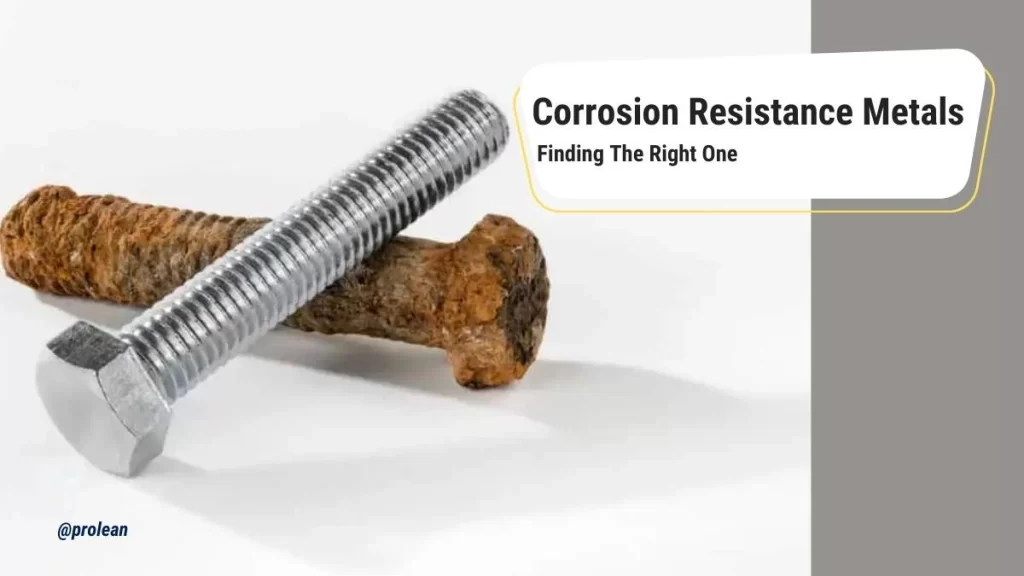
Ever wonder why some things seem to last forever, while others get all rusty and sad? Well, it's all about the metals we use! Some metals are like superheroes, completely immune to the nasty effects of rust and decay. It’s pretty cool stuff, really.
Think about it. We use metal for almost everything. From the cars we drive to the bridges we cross, metal is our trusty sidekick. But what happens when that trusty sidekick starts to break down? It’s not a pretty picture.
That’s where our corrosion-resistant buddies come in. These are the metals that just don't play by the usual rules. They’re like the rebels of the metal world, standing strong against the forces of nature. It’s a fascinating game of chemical resistance.
So, what makes these metals so special? It’s all in their atoms, their tiny building blocks. Some metals have a clever trick up their sleeves. They can form a protective shield, a thin layer that stops the bad stuff from getting in. It’s like a built-in bodyguard for the metal.
Let’s start with a classic, a real crowd-pleaser: Stainless Steel. You’ve probably seen it everywhere. Your kitchen sink, your fancy cutlery, maybe even parts of your car. It’s shiny, it’s strong, and best of all, it resists rust like a champ.
What’s the secret sauce for stainless steel? A little sprinkle of chromium. When chromium meets oxygen, it forms a super thin, invisible layer of chromium oxide. This layer is the ultimate defense. It’s like a force field, preventing further rust from forming. Pretty ingenious, right?
And the best part? This protective layer can actually heal itself! If it gets scratched, more chromium is exposed to the air, and poof – a new protective layer forms. It’s like having a metal that can regenerate. Amazing!

Next up, we have a metal that’s been around for ages, a true historical heavyweight: Copper. Think of those old pennies, or the beautiful green patina on statues. That green stuff? That’s not rust in the way we usually think of it.
Copper develops what’s called a patina. It’s a greenish layer formed by chemical reactions with the air and moisture. Instead of deteriorating, this patina actually protects the copper underneath. It’s a beautiful transformation, a sign of aging gracefully.
This is why copper is so popular for things like plumbing and roofing. It just keeps on ticking, doing its job without complaining or falling apart. Imagine a roof that gets better with age. That’s copper for you!
Then there’s Aluminum. You might know it from your soda cans or the foil in your kitchen. Aluminum is lighter than steel, and it also has a knack for protecting itself. It’s another one of our self-healing heroes.
Just like stainless steel, aluminum forms a protective oxide layer when it comes into contact with air. This layer is tough and prevents the aluminum from corroding further. It’s a lightweight champion that can still pack a punch against rust.
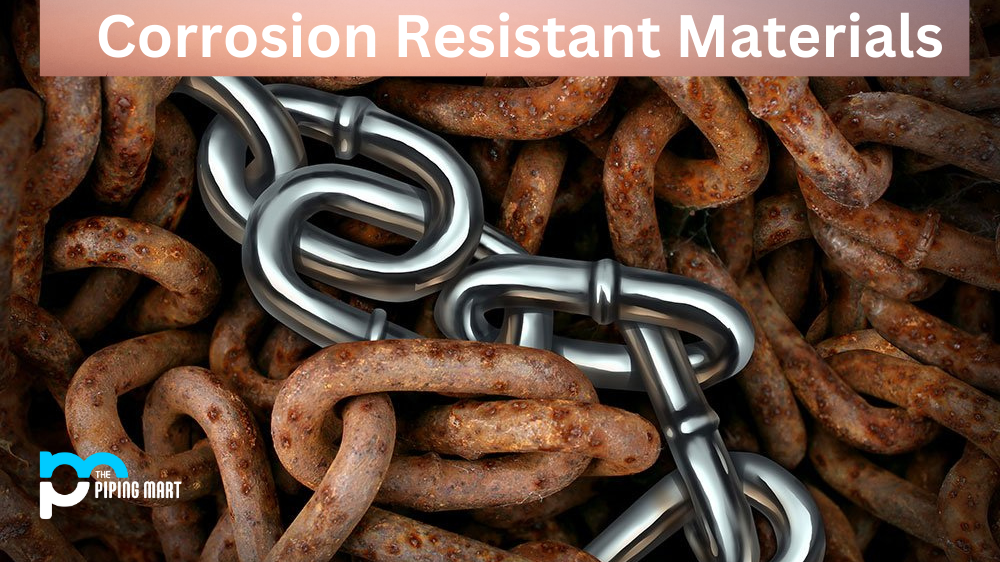
Aluminum is fantastic for airplanes and many outdoor structures because of its lightweight nature and its resistance to the elements. It’s a metal that allows us to build amazing things that can withstand the test of time and weather.
Now, let’s talk about the real rockstar, the king of corrosion resistance: Titanium. This metal is practically legendary. It’s incredibly strong, very light, and it laughs in the face of corrosion. Seriously, it’s almost impossible to make it rust.
Titanium’s secret weapon is an extremely stable and tenacious oxide layer. This layer is so robust that it can withstand even harsh chemicals. It’s like a suit of armor that never gets chipped.
Because of its amazing properties, titanium is used in some pretty cool places. Think surgical implants (your body won’t reject it!), jet engines, and even high-performance sports equipment. It’s a premium material for demanding jobs.
Another metal that’s quite impressive is Nickel. Pure nickel is highly resistant to corrosion, especially in alkaline environments. It's often used in alloys to boost the corrosion resistance of other metals.

Nickel can also form a protective oxide layer, similar to aluminum and stainless steel. This makes it a valuable component in many protective coatings and plating applications. It’s a team player that makes other metals even better.
We also have metals like Gold and Platinum. These are noble metals, which means they are very unreactive. They are so resistant to corrosion that they are often used in jewelry because they never tarnish or rust.
Gold and platinum are beautiful and incredibly durable. They don't need a protective layer because they simply don't react with most things. It’s like they exist on a different chemical plane, untouched by the common wear and tear.
Imagine wearing a piece of jewelry that will look as good in a hundred years as it does today. That’s the magic of noble metals. They are timeless treasures.
So, why is all this important? Because these corrosion-resistant metals allow us to build things that last. They save us money in the long run because we don’t have to replace them as often. And they contribute to a safer, more sustainable world.
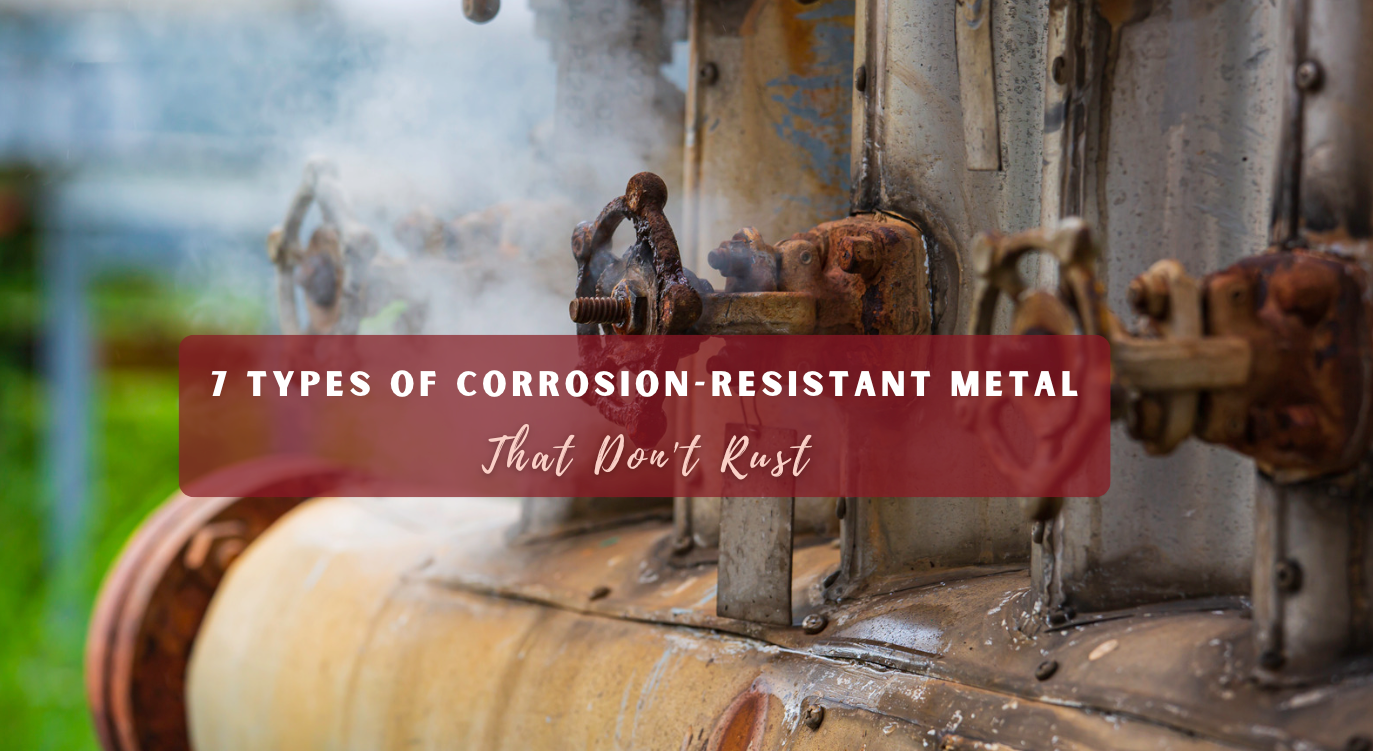
Think about the environmental impact of constantly replacing corroded parts. By using metals that resist decay, we reduce waste and the need for new manufacturing. It’s a win-win situation.
It’s pretty fascinating to think about the science behind it all. These metals aren’t just tough; they’re smart. They have built-in defense mechanisms that keep them in top shape. It’s like nature’s engineering at its finest.
The next time you see a gleaming stainless steel appliance or a sturdy aluminum structure, take a moment to appreciate the metal behind it. It’s a testament to its remarkable ability to stand strong against the odds. It’s more than just metal; it’s a survivor.
And if you ever get curious about how these metals work, or where else they’re used, there’s a whole world of amazing science to explore. You might just find yourself getting as excited about corrosion resistance as I am! It’s a hidden world of durable wonder.
So, go forth and marvel at the metals that refuse to rust. They are the unsung heroes of our modern world, quietly doing their jobs and looking good while they do it. Isn't that just the coolest?