
Mild Steel Vs Carbon Steel

So, you’re staring at a piece of metal. Maybe it’s a rusty old gate, or perhaps a brand new kitchen knife. You wonder, “What’s the deal with steel?”
It turns out, not all steel is created equal. It’s like comparing a friendly Labrador to a… well, a slightly more aloof cat. Both are pets, but their personalities are miles apart.
We’re talking about the titans of the metal world today: Mild Steel and Carbon Steel. Prepare for a gentle, and perhaps slightly biased, exploration.
The Humble Hero: Mild Steel
Let’s start with the underdog, the workhorse, the metal that’s just trying its best. Meet Mild Steel. It’s the guy who shows up on time, does the job, and doesn’t complain much.
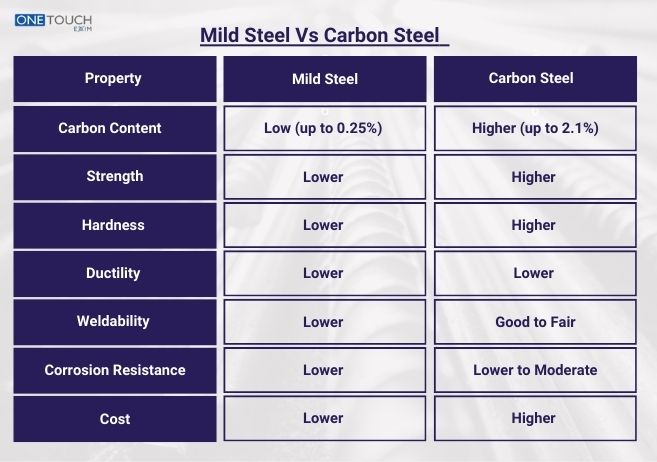
What makes it so… mild? It’s all about the carbon content. Mild Steel has a teeny-tiny amount of carbon. We’re talking less than 0.3% usually. Think of it as a pinch of salt in a huge pot of soup. It’s there, but it’s not the main event.
This low carbon content makes Mild Steel super malleable. That means you can bend it, shape it, and weld it without it throwing a tantrum. It’s like a very cooperative piece of playdough, but, you know, metal.
So, where do you find this agreeable fellow? Everywhere! Your car’s body panels? Mild Steel. That sturdy shelf in your garage? Yep, likely Mild Steel. Building beams that hold up skyscrapers? You guessed it, Mild Steel is probably involved.
It’s affordable, easy to work with, and reliably strong enough for most everyday tasks. It’s the sensible shoe of the steel world. Practical, dependable, and rarely the star of the show.
But here’s my unpopular opinion: Mild Steel gets a bad rap. People often dismiss it as “basic” or “weak.” But honestly, it’s the backbone of so much of our modern world.
Imagine trying to build a car out of something super hard and brittle. It would just shatter! Mild Steel offers that perfect balance of strength and flexibility. It can take a knock and keep on going.
It’s the friend who’s always there for you, no fuss, no drama. You don’t always notice it, but you’d definitely miss it if it wasn’t around.
And let’s not forget its ease of use. For DIY projects, for welding beginners, for anyone who just needs a metal that’s going to play nice, Mild Steel is your go-to. It forgives mistakes. It’s patient. It’s basically the gentle giant of metallurgy.
Think about nails. Or screws. Or those little metal clips that hold your papers together. They’re probably Mild Steel. Small, unassuming, but crucial. Without them, chaos!
Sometimes, the most important things are the ones that don’t draw attention to themselves. And Mild Steel is a prime example of that quiet excellence. It’s the unsung hero, the dependable friend, the metal that simply gets the job done.
The Bold Contender: Carbon Steel
Now, let’s meet the other guy. The one with a bit more personality, a bit more… attitude. This is Carbon Steel. It’s the rockstar of the steel world.
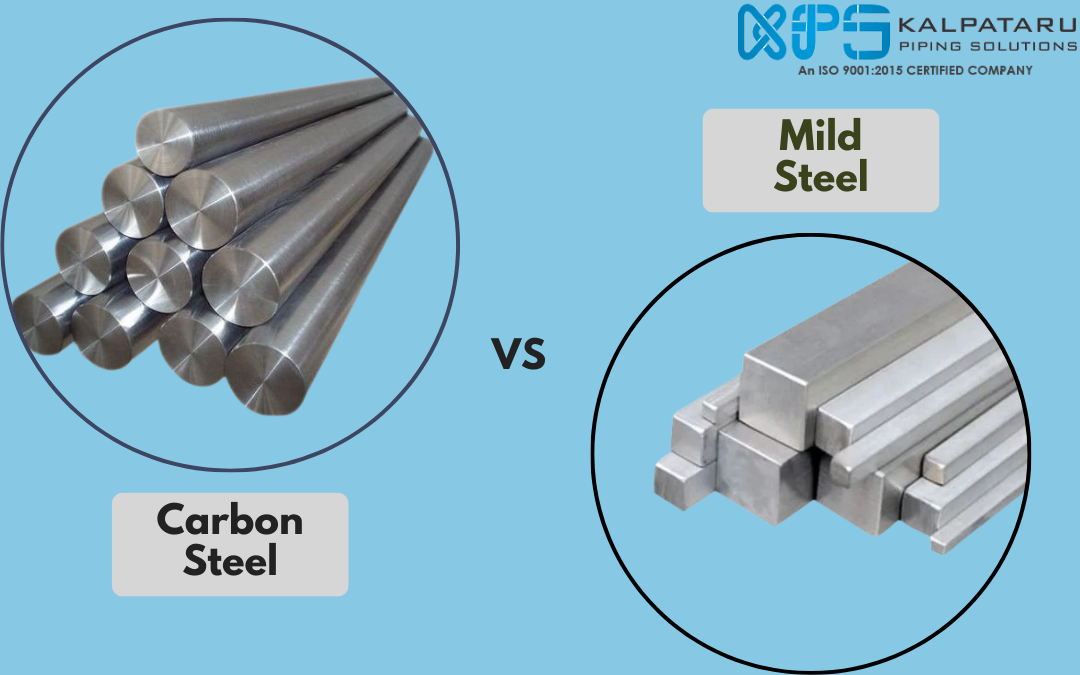
The key difference? Carbon. Lots more of it! We’re talking more than 0.3% and often much, much higher. This extra carbon is like the secret ingredient that gives Carbon Steel its special powers.
More carbon means it’s much harder. It can hold a sharper edge. It’s more wear-resistant. Think of it as going from a butter knife to a chef’s scalpel.
This hardness comes with a trade-off, though. Carbon Steel can be more brittle. It’s less forgiving if you try to bend it too far or subject it to extreme shock. It’s like a super-fit athlete who might pull a muscle if they overdo it.
Where do we find this formidable metal? In places where strength and sharpness are paramount. Kitchen knives, especially the high-end ones, are often made of Carbon Steel. Swords? Definitely Carbon Steel.
Tools like chisels, drill bits, and saw blades rely on the hardness of Carbon Steel to get their work done. It’s the metal that can really cut through things, literally and figuratively.
There are different types of Carbon Steel, too. You have low-carbon steel (which is basically mild steel), medium-carbon steel, and high-carbon steel. It’s a spectrum of carbon-fueled power.
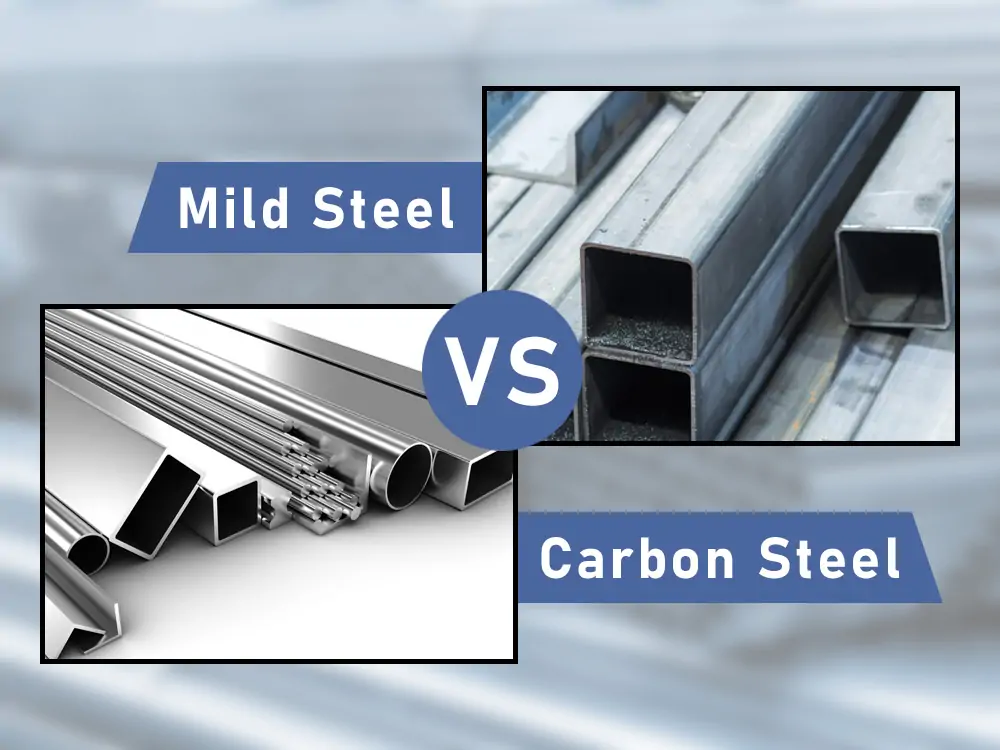
High-carbon steel is where things get really exciting. This is the stuff that makes for incredibly sharp, durable blades. It’s the metal that sparks joy for chefs and blacksmiths alike.
But here’s where my unpopular opinion might really ruffle some feathers: sometimes, Carbon Steel is overkill. Yes, I said it.
Do you really need a knife forged from a meteorite with a carbon content higher than most people’s patience levels just to slice a tomato? Probably not.
For many everyday tasks, the sheer toughness of Carbon Steel is like using a sledgehammer to crack a nut. It’s impressive, sure, but maybe a little inefficient.
And let’s talk about maintenance. Carbon Steel, especially high-carbon varieties, can be prone to rusting if not cared for properly. It demands attention. It needs to be cleaned, dried, and sometimes oiled. It’s a high-maintenance relationship.
Mild Steel, on the other hand, is much more forgiving. You can leave it in a slightly damp shed for a week (though I wouldn't recommend it!) and it might be okay. Carbon Steel? It would likely be plotting its revenge in the form of a rust-redoxide attack.

It’s like comparing a reliable old sedan to a flashy sports car. The sports car is thrilling, exciting, and can go super fast. But can it handle a bumpy dirt road as gracefully as the sedan? Probably not.
And the cost! Carbon Steel, especially the specialized alloys, can be significantly more expensive than your everyday Mild Steel. You’re paying for that enhanced performance.
So, while I admire the sheer capability of Carbon Steel, its power, and its ability to hold an edge like a ninja’s blade, I find myself often returning to the quiet reliability of Mild Steel.
The Verdict (My Totally Unbiased Opinion)
Look, both Mild Steel and Carbon Steel have their place. They are both incredibly useful materials that have shaped our world.
But if I’m being honest, and I always am (mostly), I have a soft spot for Mild Steel. It’s the unsung hero. It’s the dependable friend. It’s the metal that makes life possible without making a big song and dance about it.
It’s the humble foundation upon which so much is built. And there’s a quiet nobility in that. It doesn’t need to be the hardest or the sharpest. It just needs to be strong enough, reliable enough, and easy enough to work with.
So, the next time you encounter a piece of metal, give a little nod to Mild Steel. It’s probably doing all the heavy lifting (literally) while Carbon Steel is off being flashy and sharp. And that’s okay. Because the world needs both. But I’ll always have a little bit of love for the mild-mannered marvel.