
Minimum Bend Radius For Sheet Metal
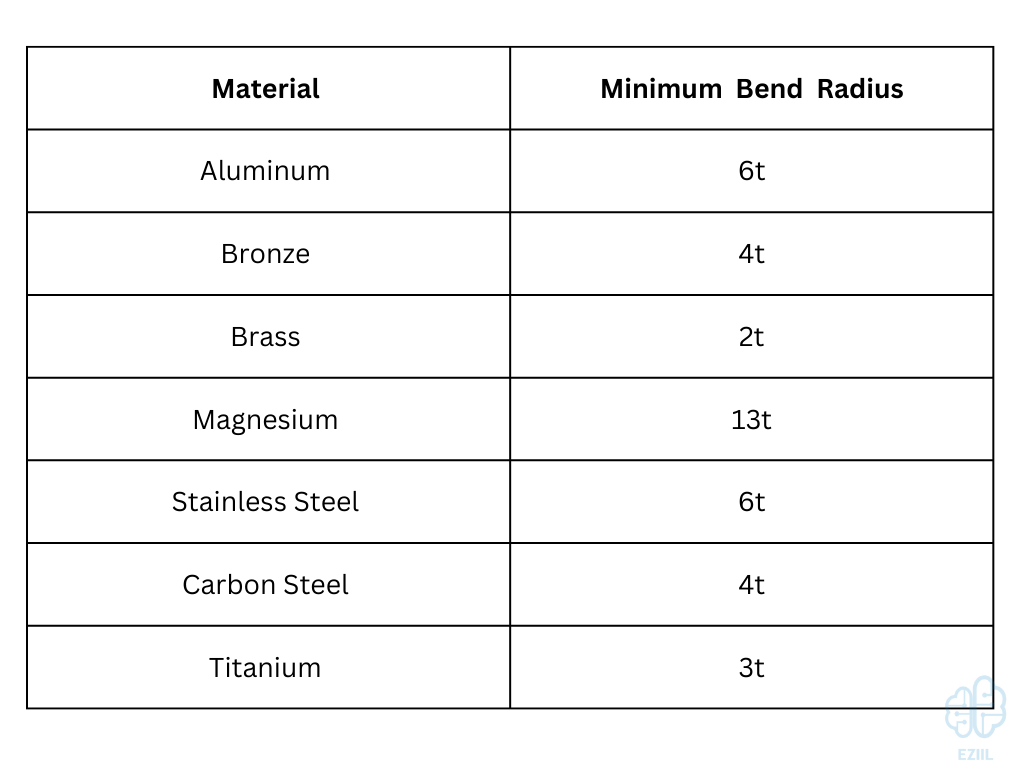
Hey there, fellow metal manipulators! Ever stare at a sheet of shiny metal and think, "Man, I wanna bend this bad boy!"? Well, before you go all Hulk on it, there's a little secret weapon in your arsenal. It's called the Minimum Bend Radius. Sounds fancy, right? But trust me, it's way cooler than it sounds. It's like the metal's personal rulebook for not freaking out when you ask it to get bendy.
Think of it like this: you know how you shouldn't try to fold a piece of paper in half a million times? It just gets all crinkled and sad. Metal's kinda the same, but with way more dramatic consequences if you ignore its limits. The minimum bend radius is basically the tightest turn a piece of sheet metal can handle without throwing a tantrum.
What's a tantrum, you ask? Oh, it's no fun. We're talking cracking, fracturing, or even just getting a really unsightly wrinkle. Nobody wants a wobbly, sad-looking bend, right? Especially not your awesome project. So, the minimum bend radius is our superhero cape, protecting our metal from going all disco ball of shattered dreams.
So, What Exactly IS This "Minimum Bend Radius" Thing?
Alright, let's get a little bit technical, but in a chill way. Imagine you're bending a piece of metal around a tool, like a brake press die. The bend radius is the inside curve of that bend. The minimum bend radius is the smallest you can go. It's the metal's absolute, "no more, I swear!" limit.
Why is it a thing? Because metal has a grain structure, kind of like wood. When you bend it too sharply, you're stretching the outer edge and compressing the inner edge. If you push it too far, that stretched edge starts to say "nope!" and cracks appear. It's like trying to stretch a rubber band too far – eventually, it’ll snap!

And here's a quirky fact: Different metals have different personalities when it comes to bending. Aluminum is usually pretty chill and forgiving. Steel can be a bit more stubborn. Stainless steel? Oh, that one likes to make you work for it! So, the minimum bend radius changes depending on the type of metal you're using.
The Nitty-Gritty (But Still Fun!) Details
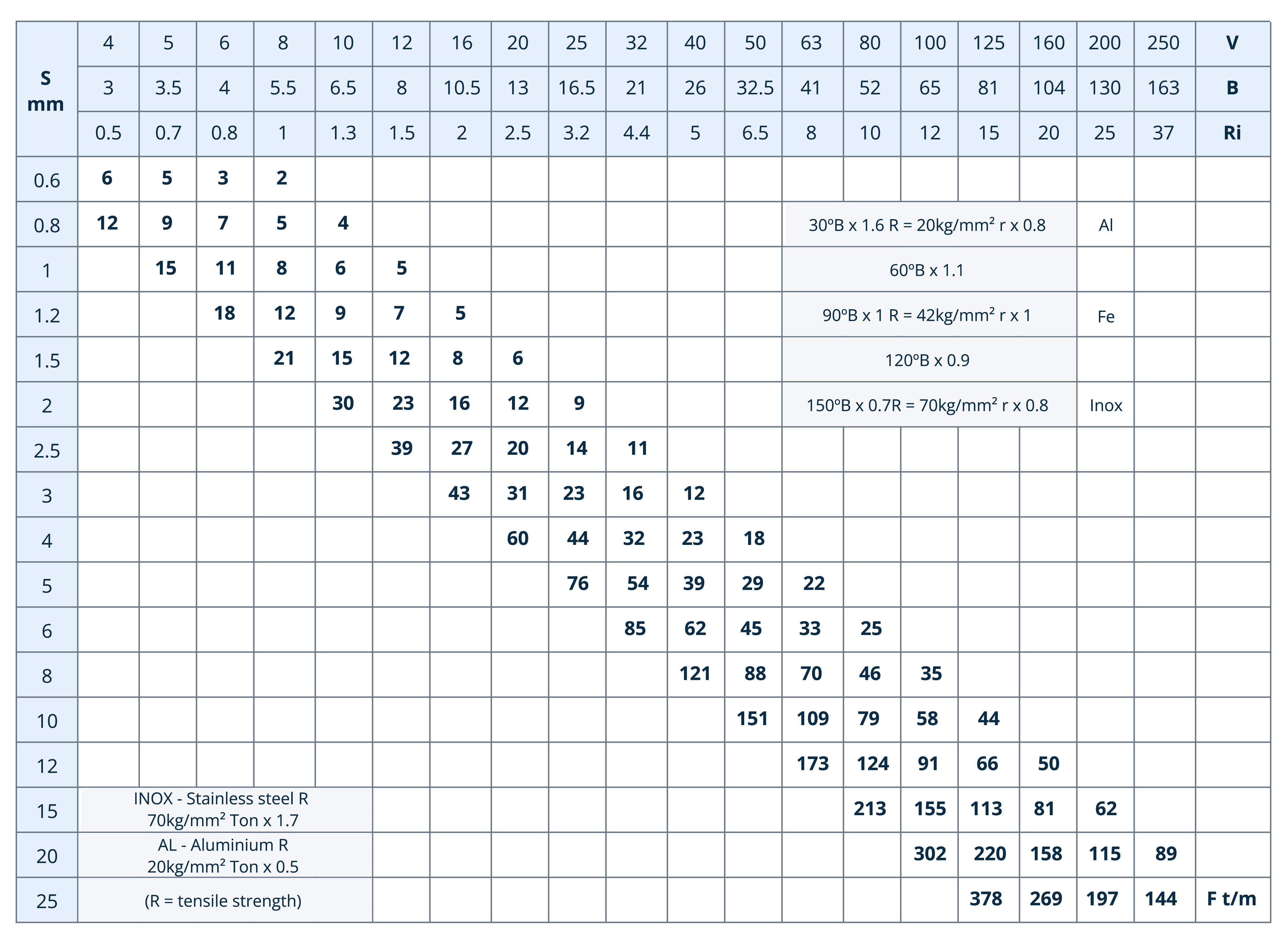
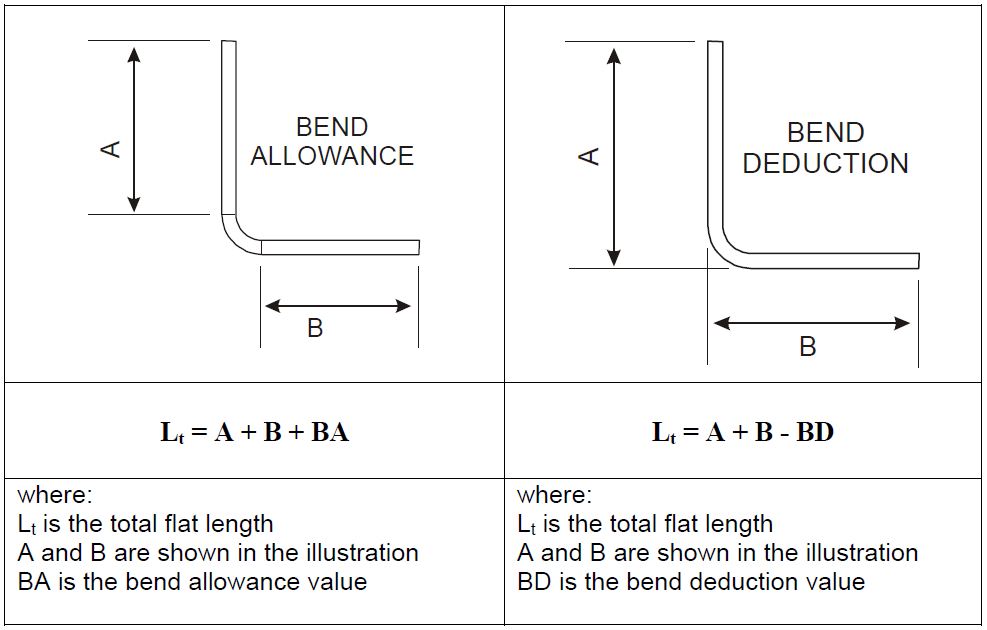
So, how do you find this magical number? It's not like it's stamped on the metal with a giant "MBR = 5mm" sticker. Nope! It's usually found in the metal's specification sheet or a handy-dandy bend allowance chart. Think of these as the metal's instruction manual. They're full of valuable info, like how thick the metal is, its tensile strength, and, of course, that precious minimum bend radius.
And guess what? The thickness of the metal is a HUGE factor. Thicker metal generally needs a bigger, gentler bend. Imagine trying to bend a credit card versus trying to bend a massive steel beam. The credit card can take a tighter bend, right? Same principle, just with way less credit card-snapping drama.
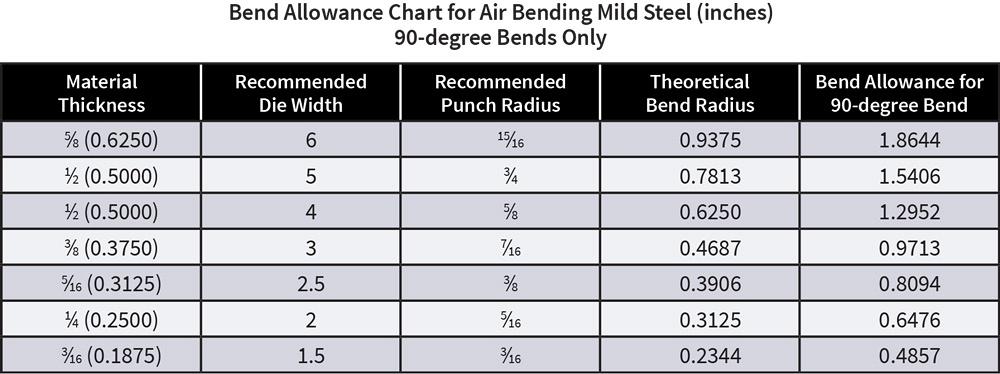
Here's a funny thought: Sometimes, manufacturers will give you a "recommended" bend radius and an "absolute minimum." The recommended is like your mom telling you to eat your veggies – it's for your own good. The absolute minimum is like that daredevil friend who insists on jumping off the high dive. You can do it, but things might get a little... exciting.
Why Should You Care? Because Awesome Projects!
Okay, so you've got this number. Now what? This is where the real magic happens. Knowing your minimum bend radius lets you design and create some seriously cool stuff. Ever seen those sleek, curved metal enclosures for electronics? Or those intricate metal art pieces? They're all a testament to understanding the bend radius!
It allows for smooth, professional-looking bends. No more awkward kinks or embarrassing cracks. It means your creations will look as good as they function. Plus, when you're working with metal, especially if it's for something that needs to be strong or hold weight, a proper bend is crucial for structural integrity. You don't want your amazing creation to suddenly decide it's an abstract sculpture because a bend failed, do you?
And let's be honest, there's a certain satisfaction in mastering these little details. It’s like unlocking a secret level in a video game. You’re not just banging metal; you’re an artist, a scientist, and a bit of a metal whisperer, all rolled into one. You understand its limits, its strengths, and how to coax it into amazing shapes.
Quirky Facts and Funny Details to Spark Your Curiosity
Did you know that the tooling you use can also affect your bend radius? The sharper the die, the tighter the bend you can potentially achieve. It’s like choosing the right paintbrush for the job. A fine-tipped brush for delicate details, a big roller for broad strokes.
And here’s a funny one: Sometimes, people try to bend metal too tight, and they end up with what’s called a “reverse bend.” It’s like trying to fold a piece of paper so many times you end up folding it backwards. It’s usually not pretty and definitely not what you intended. Avoid at all costs!
Another thing to consider is the grain direction of the metal. If you’re bending against the grain, you’ll likely need a larger bend radius. Think of trying to bend a piece of cardboard. It bends easier along the corrugations than across them. Metal's a bit like that, just way more industrial.
So, the next time you're admiring a beautifully bent piece of metal, give a little nod to the humble minimum bend radius. It's the unsung hero of smooth curves and strong shapes. It's the reason your projects don't end up looking like they lost a wrestling match with a giant.
Don't be intimidated by the term. It's just a guideline, a friendly piece of advice from the metal itself. Embrace it, understand it, and you'll be bending metal like a pro in no time. And who knows, you might even start having fun with it. Because, let's face it, playing with metal is pretty darn cool. Happy bending, you magnificent metal maestros!