
Modulus Of Elasticity Of Steel

So, you’ve probably heard the word “steel” thrown around a lot. It’s in bridges, skyscrapers, cars, even your trusty frying pan! But have you ever stopped to wonder what makes steel so darn… steel-y? What’s its secret superpower? Well, buckle up, buttercup, because we’re about to dive into the incredibly cool, slightly nerdy, but totally awesome world of the Modulus of Elasticity of Steel!
Think of it this way: imagine you have a super stretchy rubber band. You can pull it, stretch it, and when you let go, it snaps right back to its original shape. That’s elasticity in action! Now, steel isn’t quite as stretchy as a rubber band (thank goodness, or our cars would be wobbling all over the place!), but it has its own amazing kind of elasticity.
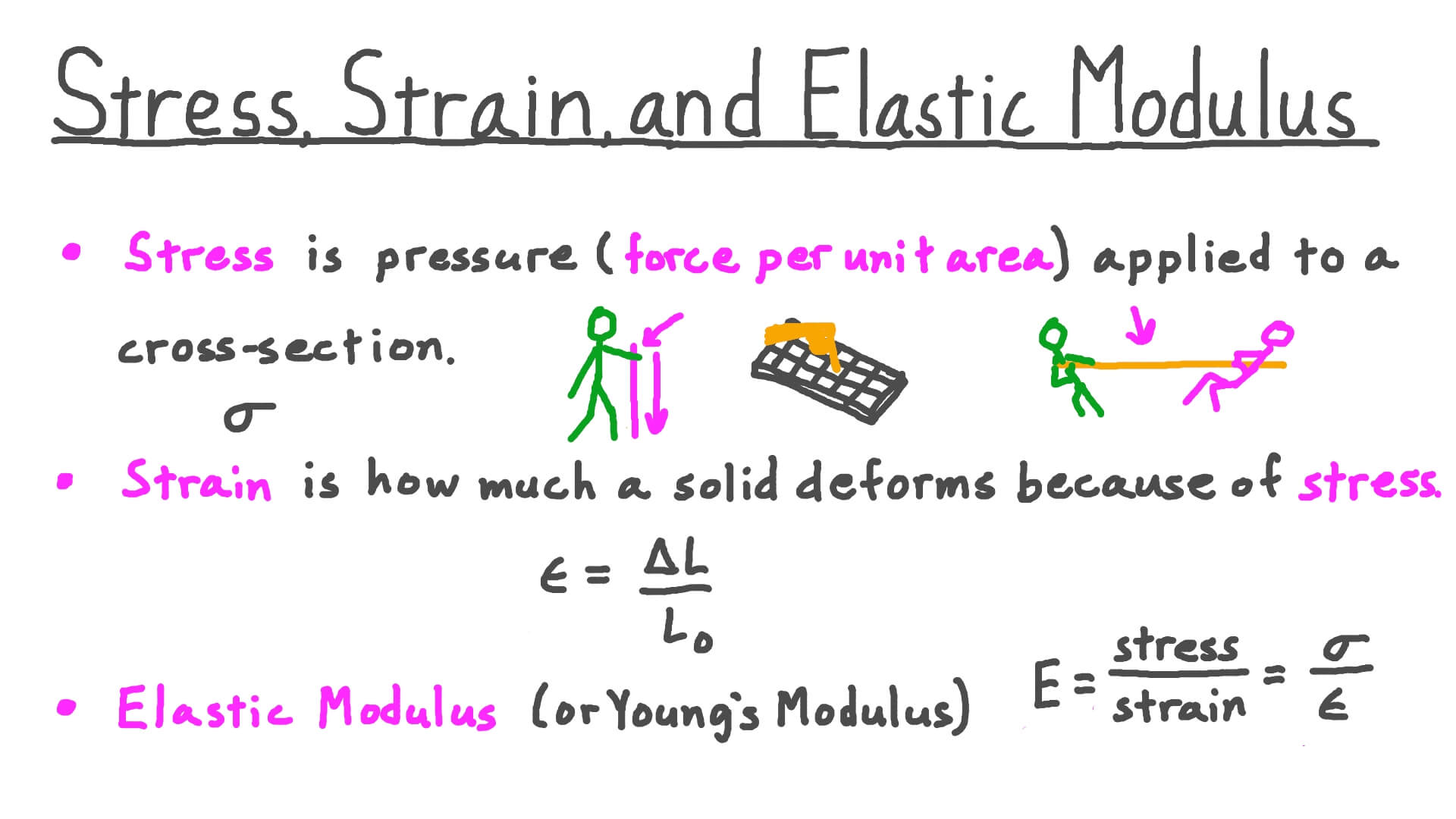
The Modulus of Elasticity, often called Young’s Modulus (yes, a real person named Young thought this was neat!), is basically a measure of how stiff something is. It tells us how much a material will bend or stretch when you push or pull on it, and how quickly it will spring back to its original form.
For steel, this number is HUGE! We’re talking about a value around 200 gigapascals (GPa). Now, I know what you’re thinking: “Giga-what-now?” Don’t worry, we’ll translate. Think of it like this: for every little bit of force you apply to a piece of steel, it only gives a teeny, tiny, microscopic bit of stretch. It’s like trying to stretch a granite boulder with your bare hands – practically impossible!
The Power of Steel's Stiffness
This incredible stiffness is why steel is the absolute champion of construction. When engineers design a skyscraper, they can’t have it swaying like a drunken sailor in the wind. They need something that will stand tall and proud, no matter what the weather throws at it. And that’s where our friend, the Modulus of Elasticity, comes in.
Imagine a bridge. It has to hold up tons and tons of weight – cars, trucks, maybe even a herd of elephants (okay, maybe not elephants, but you get the idea!). If the bridge material wasn't stiff enough, it would sag and groan like an old grandpa after a long day. But with steel, it just shrugs its shoulders and says, “Bring it on!”

This means that even with immense pressure, steel will only deform a tiny, tiny bit. And the best part? When that pressure is gone, it goes right back to its original shape, ready for the next load. It’s like a superhero with incredible resilience, always bouncing back stronger!
Think of it as steel having the ultimate "nope!" button for bending. You push, it says "nope, not moving much!" You pull, it says "nope, not stretching much!"
This inherent stiffness is what gives steel its heroic qualities. It’s the foundation of our modern world, silently supporting everything we build and rely on. It’s the unsung hero in your everyday life, even if you’ve never given it a second thought!
Why So Stiff? It's All About the Atoms!
So, why is steel so ridiculously stiff? It all boils down to the way its atoms are arranged. Steel is mostly iron, with a little bit of carbon sprinkled in. These atoms love to hang out together in a very orderly, tight-knit fashion.
Imagine a perfectly arranged stack of LEGO bricks. They are locked in place, and it takes a lot of effort to dislodge even one. That’s kind of like the atoms in steel. They have strong bonds holding them together, making it incredibly difficult to pull them apart or push them closer.
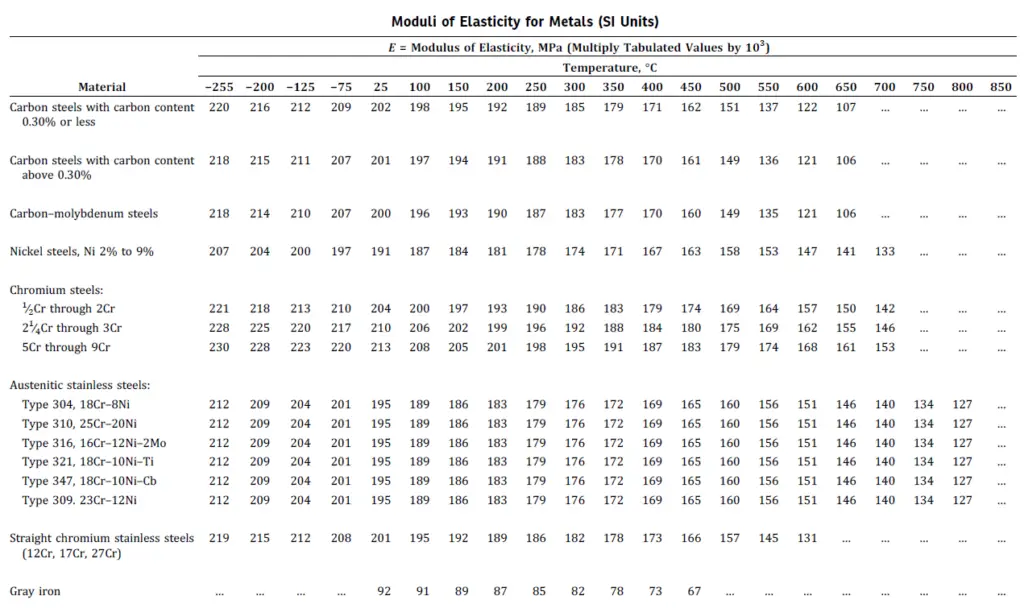
The strong metallic bonds between the iron atoms, along with the strategically placed carbon atoms, create this super-strong, rigid structure. It’s like nature’s ultimate concrete, but way cooler because it can be molded and shaped.
This atomic arrangement is the secret sauce behind its high Modulus of Elasticity. It’s not magic; it’s just really, really good atomic engineering. And we get to benefit from all that awesome atomic power!
Steel vs. Other Materials: A Hilarious Comparison
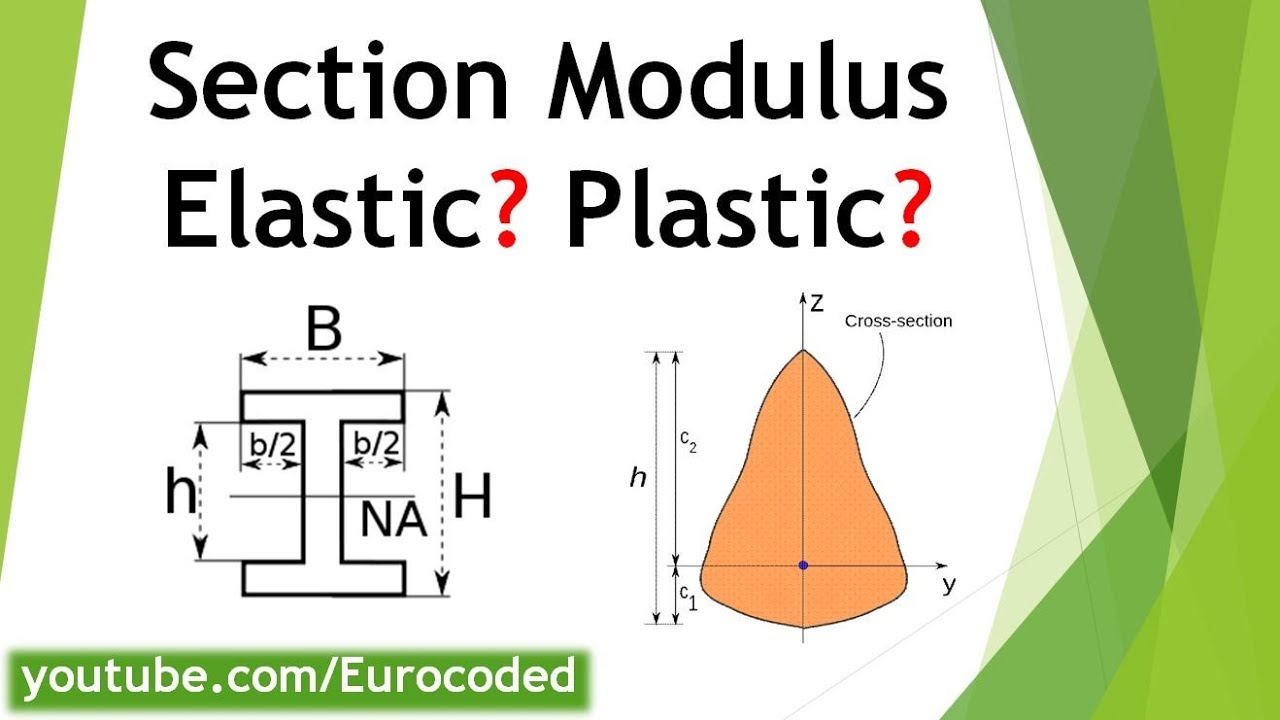
Let’s have a little fun and compare steel to some other common materials. Imagine a piece of wood. You can bend a wooden ruler pretty easily, right? If you push too hard, it might even snap. That’s because wood has a much lower Modulus of Elasticity. It’s more flexible, which can be great for some things, but not so much for building a skyscraper.
Now, think about rubber. We already talked about our stretchy friend. Rubber’s Modulus of Elasticity is so low, it’s practically horizontal! You can stretch it for miles (well, almost). This is fantastic for your yoga mat, but you wouldn’t want to build your house out of it.
Aluminum is a bit better than wood, but still nowhere near steel. It’s lighter, which is handy, but it’s also more prone to bending. So, when engineers need something that can withstand serious stress and strain without giving up the ghost, steel is the undisputed king.
It’s like a superhero showdown: Steel is Superman, strong and unyielding. Wood is a trusty sidekick, useful but not the main muscle. Rubber is the stretchy villain who can escape any trap, but can’t win a straight fight.
The Modulus of Elasticity of steel is like its superpower that says, "I will bend, but only a little, and I will always bounce back!"
This massive difference in stiffness is precisely why steel is so ubiquitous in engineering. It offers a fantastic balance of strength, durability, and elasticity, making it the go-to material for projects that demand reliability and longevity. It’s the material that lets us dream big and build even bigger!
The Practical Magic of Steel's Elasticity
So, what does this all mean for you and me? It means that the chair you’re sitting on is likely strong enough to support you. It means the car you drive can handle bumps and jolts without falling apart. It means the bridges you cross are safe and sound.
The Modulus of Elasticity of Steel is a silent guardian, working tirelessly behind the scenes to keep our world stable and functional. It's the reason we can have these amazing feats of engineering all around us. It’s the material that allows us to push the boundaries of what’s possible.
Next time you see a sturdy building or a robust piece of machinery, take a moment to appreciate the unsung hero: steel! And remember its incredible stiffness, its unwavering resilience, and its sky-high Modulus of Elasticity. It’s a testament to the power of science and the ingenuity of materials.
It's a beautiful thing, this science. It explains the everyday marvels that we often take for granted. Steel’s elasticity is not just a number; it’s a promise of strength, a guarantee of stability, and a key ingredient in the world we’ve built. So, let’s give a big cheer for steel and its magnificent modulus! Hip hip hooray for stiffness!