
Nickel Metal Hydride Battery Recycling

Remember that old cordless phone that used to sit on the kitchen counter, a beacon of connectivity in a pre-smartphone era? I swear, mine had a battery life that rivaled a sloth’s daily nap. You’d unplug it, use it for maybe five minutes, and then… beep, beep, beep… back on the charger it went. And eventually, after what felt like a geological epoch, it just… gave up the ghost. Totally kaput. And what did you do with that sad, deflated gadget? Probably tossed it in the bin, right? No judgment here, we’ve all been there. But then, you start to think, you know? What happened to that battery? Where did it go? And what if there was a better way?
That’s kind of how my journey into the fascinating, and surprisingly complex, world of Nickel Metal Hydride (NiMH) battery recycling began. It’s like uncovering a hidden superhero origin story for something you used to just consider… garbage.
So, let’s chat about these NiMH batteries. They were, and still are, quite the workhorses, powering everything from those ancient cordless phones to electric toothbrushes, laptops, and even early hybrid cars. Think about it – before the lithium-ion takeover, NiMH batteries were pretty much the rebels of the rechargeable world. They offered a decent balance of power, longevity, and were generally considered a bit more… robust than their predecessors. And let’s be honest, the convenience of not constantly buying AAAs was a game-changer.
But like all things, they have a lifespan. And when that lifespan ends, they don’t just vanish into thin air. That’s where the whole recycling thing comes in. And it’s not just about being a good environmental citizen (though, obviously, that’s a huge part of it). It’s also about reclaiming some pretty valuable materials.
The "Why" Behind the Recycling Hustle
Okay, so why bother with recycling these things? It’s not like you’re going to find a pot of gold at the end of the battery rainbow, right? Well, not exactly. But what you do find are some valuable metals. And when I say valuable, I mean stuff like:
- Nickel: This is the star of the show, hence the name. Nickel is a crucial component in lots of industrial processes, from stainless steel to plating. Extracting new nickel from the earth is energy-intensive and can have significant environmental impacts.
- Cobalt: Another important metal, used in everything from batteries to superalloys.
- Rare Earth Elements: While NiMH batteries don't contain as many rare earth elements as some other battery types, they can still have small amounts. These are, well, rare and incredibly useful in modern technology.
- Manganese: Also finds its way into steel production and other applications.
Think of it like this: instead of digging these metals out of the ground (which, let’s face it, is becoming increasingly difficult and ecologically sensitive), we can actually recover them from spent batteries. It's like a mini-mining operation happening right in our recycling centers. Pretty neat, huh?
And then there’s the whole environmental impact angle. When these batteries end up in landfills, they can leach harmful chemicals into the soil and groundwater. While NiMH batteries are generally considered less toxic than older battery chemistries like lead-acid or cadmium-nickel, they still contain materials that aren’t exactly picnic-friendly for Mother Earth. So, recycling them is a win-win: we get valuable resources back, and we keep potentially harmful stuff out of our environment.
The "How" – It's More Complicated Than You Think
Now, if you’re picturing someone with a tiny hammer meticulously taking apart each battery, you can probably adjust that image a bit. NiMH battery recycling is a sophisticated process, and it’s definitely not something you can do in your garage. Trust me, I’ve seen some DIY attempts online, and they usually end with… well, let’s just say not-so-great results and maybe a mild explosion. Best to leave this to the professionals!

The general process usually involves a few key stages:
1. Collection and Sorting
This is where the magic starts to happen. Batteries are collected from various sources – consumer drop-off points, industrial waste streams, manufacturers. Then, they need to be sorted. This isn’t just about separating NiMH from lithium-ion. It can involve checking for any damage or leakage that might pose a hazard during the processing stages.
It’s kind of like a pre-game warm-up for the main event. They need to make sure all the players are ready to go, and no one’s going to cause a ruckus on the field. Seriously, though, safety is paramount at this stage.
2. Mechanical Processing
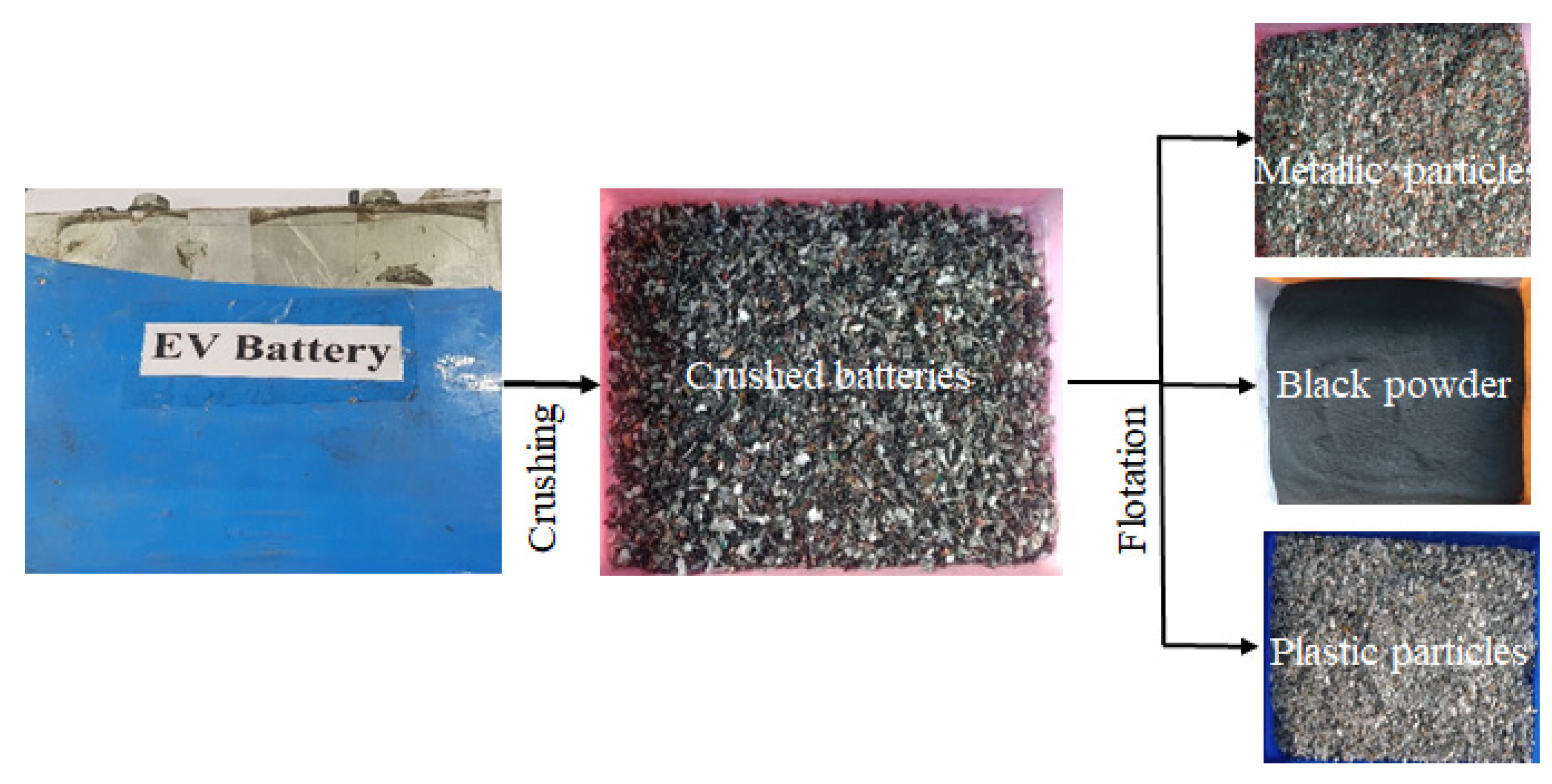
Once sorted, the batteries go through a series of mechanical treatments. This often involves crushing or shredding them. The goal here is to break them down into smaller pieces, making it easier to separate the different components. Think of it like making a really, really fine smoothie out of a battery.
This is where you get a mix of plastics, metals, and the actual electrochemical paste. Imagine a confetti party, but instead of paper, it’s bits of battery. Slightly less festive, but way more functional.
3. Separation Techniques
This is where the real science kicks in. The shredded battery material is then subjected to various separation techniques to isolate the valuable metals. This can involve:
- Magnetic Separation: This is pretty straightforward. Magnets are used to pull out any ferrous metals.
- Screening and Sieving: Like sifting flour, different-sized particles are separated.
- Density Separation: Using water or air, heavier materials can be separated from lighter ones.
- Chemical Leaching: This is where things get a bit more involved. Acids or other chemical solutions are used to dissolve specific metals, leaving others behind. This is how you’d typically recover the nickel, cobalt, and manganese.
It’s a bit like a treasure hunt, but the treasure is hidden within a complex chemical soup. And the archaeologists are, you know, highly trained engineers with safety goggles and a profound understanding of thermodynamics.
4. Refining and Purification
After the initial separation, the recovered metals are still not in a pure enough form for reuse. They need to go through further refining and purification processes. This often involves electrolysis or other chemical treatments to remove any remaining impurities and achieve the desired metal purity.
This is the final polish, if you will. It’s like taking a rough diamond and cutting and polishing it until it sparkles. And the end result? High-purity metals ready to be shipped off to manufacturers and reborn into new products.
The Challenges and the Future
Now, it’s not all smooth sailing in the world of NiMH recycling. There are definitely some hurdles to overcome.

One of the biggest challenges is economic viability. The cost of collection, transportation, and the sophisticated processing required can sometimes outweigh the value of the recovered materials, especially if commodity prices for virgin metals are low. This can make it tough for recycling facilities to operate profitably.
And then there’s the complexity of the batteries themselves. As battery technology evolves, recycling processes need to adapt. New battery chemistries and designs can present new challenges for efficient and safe dismantling and material recovery.
But, the good news is, things are constantly improving. Researchers are working on developing more efficient and cost-effective recycling technologies. There’s also a growing awareness among consumers and manufacturers about the importance of battery recycling, which is driving demand for these services. Plus, governments are starting to implement stricter regulations around battery disposal, which, while sometimes a pain, ultimately pushes innovation.
Think about it: in a few years, we might have super-efficient robotic arms sorting batteries, or advanced chemical processes that extract metals with near-perfect yield. The future of battery recycling looks a lot brighter (and cleaner!) than that dusty old cordless phone I first thought about.
What Can YOU Do?
So, you might be wondering, “What’s in it for me? What can I actually do about this?” Well, it’s simpler than you think, and it makes a bigger difference than you might imagine.
1. Don’t toss them in the trash! Seriously, this is the golden rule. If your NiMH battery has kicked the bucket, resist the urge to put it in your regular garbage bin. That’s where the environmental damage starts.
2. Find a designated collection point. Most local recycling centers, electronics stores, and even some larger retailers have dedicated bins for battery recycling. It’s often as easy as dropping them off when you’re out and about.
3. Check with your municipality or local waste management authority. They can usually provide you with specific information on where and how to recycle batteries in your area. They’re the local heroes of waste reduction, after all!
4. When buying new products, consider the battery. Some manufacturers are becoming more conscious of the end-of-life of their products, including the batteries. Look for brands that offer take-back programs or use more easily recyclable components.
It’s about making small, conscious choices. That old electric toothbrush might seem insignificant, but when thousands, millions of people make the choice to recycle it properly, it adds up. It’s a collective effort, and every single battery counts.
So, the next time you’re decluttering and come across an old rechargeable battery, remember the journey it’s been on and the potential it holds. It’s not just waste; it’s a resource waiting to be reborn. And that, my friends, is pretty darn cool.