
Nickel Metal Hydride Battery Vs Lithium Ion
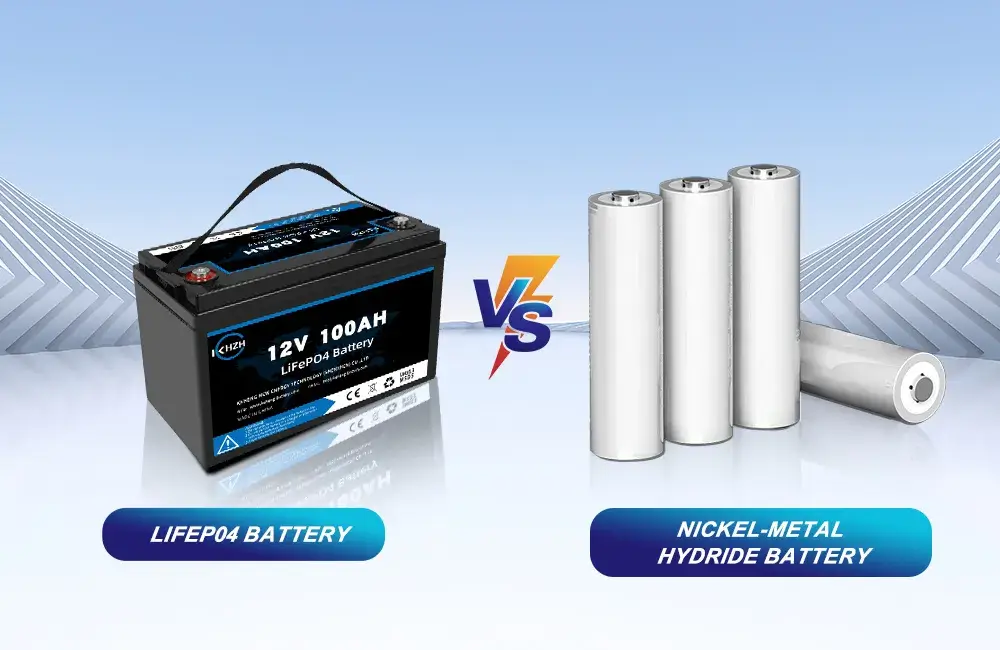
Ever found yourself staring at a pile of rechargeable batteries, wondering which is which? You're not alone! Deciphering the world of batteries can feel a bit like a detective novel, but thankfully, it's a mystery that's actually pretty fun and incredibly useful. Today, we're going to peek into the lives of two popular rechargeable players: Nickel-Metal Hydride (NiMH) and Lithium-Ion (Li-ion) batteries. Understanding these powerhouses can save you money, keep your gadgets running longer, and even help you be a bit more environmentally conscious. It's a popular topic because so many of our everyday devices rely on them!
So, who are these batteries for? Well, everyone! For beginners just dipping their toes into rechargeable tech, NiMH batteries are a fantastic starting point. They're often found in simpler devices like remote controls, clocks, and even some children's toys. Think of them as the reliable, no-fuss workhorses. For families, NiMH can be a budget-friendly choice for rechargeable AA and AAA batteries that power everything from digital cameras on vacation to that essential toy. They're generally forgiving and easy to manage. Now, if you're a hobbyist, especially into things like radio-controlled cars or drones, you might lean more towards Li-ion. These batteries pack a bigger punch and are lighter, making them ideal for devices that need more power or where weight is a concern, like in high-performance tools or portable gaming consoles.
Let's talk about some examples. You'll see NiMH batteries proudly powering your standard rechargeable AA and AAA cells. Many brands offer these, and they're a great way to replace endless disposable batteries. On the other hand, Li-ion is the king of the castle for your smartphone, laptop, and even electric vehicles. They come in various shapes and sizes, from the familiar cylindrical ones to flat, rectangular packs. You might even encounter variations like Lithium Polymer (LiPo), which is a type of Li-ion that offers even more flexibility in design.
Getting started with these batteries is easier than you think! For NiMH, the key is simply to get a good quality rechargeable battery charger. Look for one that's designed for NiMH batteries and has features like individual cell charging. For Li-ion, most of the time, your device will come with its own dedicated charger, and it's best to stick with that to ensure safety and optimal performance. A simple tip for both: avoid extreme temperatures. Leaving batteries in a hot car or a freezing garage can shorten their lifespan.
In conclusion, understanding NiMH and Li-ion batteries isn't about becoming a tech guru; it's about making smart, practical choices for your daily life. Whether you're saving money on batteries for the kids' toys or ensuring your high-tech gadgets are always ready to go, there's a certain enjoyment and value in knowing your power source. Happy recharging!