
Nickel Metal Hydride Rechargeable Batteries
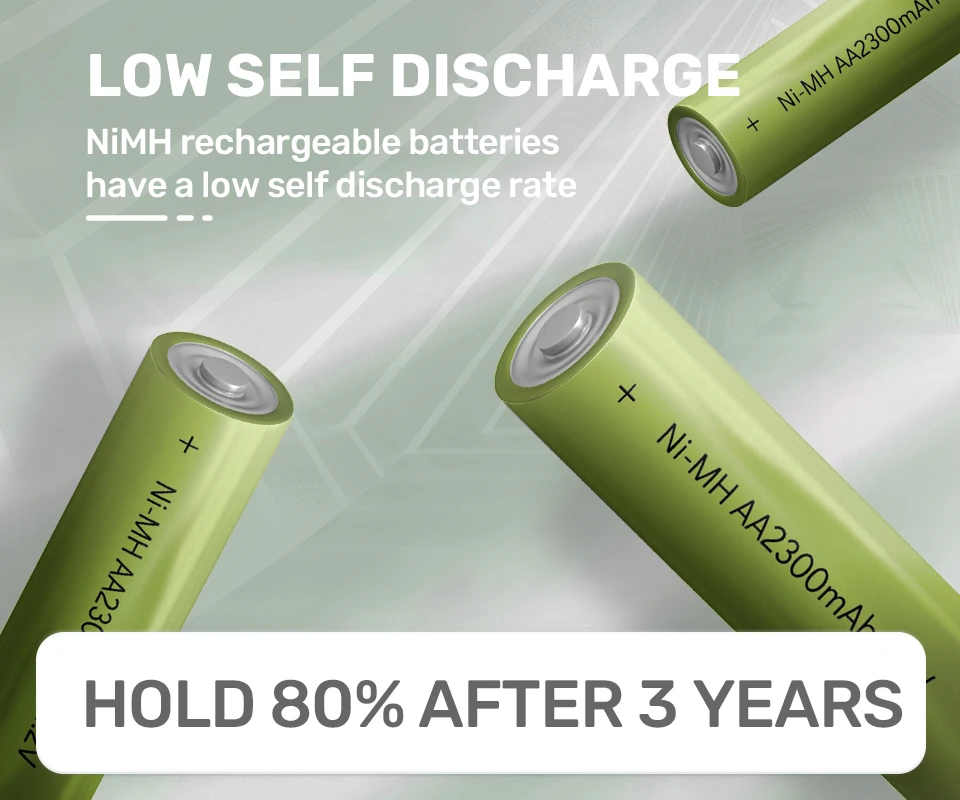
Ever wonder what’s powering that reliable flashlight or giving your old cordless phone a second life? Chances are, you’ve encountered a Nickel Metal Hydride (NiMH) rechargeable battery. While newer technologies often steal the spotlight, NiMH batteries are the unsung heroes of our everyday lives, offering a fantastic blend of practicality and sustainability. Learning a little about them isn't just about understanding your gadgets; it's about appreciating the evolution of portable power and how we can all make a more eco-conscious choice.
So, what exactly is a NiMH battery, and why should we care? In simple terms, it’s a type of rechargeable battery that uses hydrogen absorbed into a metal alloy as its negative electrode. This might sound a bit sci-fi, but the real magic lies in its rechargeability. Unlike single-use alkaline batteries that end up in the trash, NiMH batteries can be recharged hundreds, sometimes even thousands, of times. This means fewer batteries manufactured, less waste generated, and a significant saving on your wallet in the long run. They also offer a pretty stable voltage throughout their discharge cycle, meaning your device’s performance doesn't dramatically drop off as the battery depletes, which is a definite plus.
You'll find these workhorses in a surprising array of places. Think back to those digital cameras that used to be everywhere – many of them ran on NiMH. Your trusty remote controls, wireless mice and keyboards, and even some older but still functional toys likely rely on them. In the realm of education, NiMH batteries are fantastic for powering robotics kits, portable science equipment, or any battery-operated learning tool that needs frequent use and reliable energy. They're a great way for students to learn about energy storage and the benefits of rechargeable technology without needing complex charging systems.
Exploring NiMH batteries doesn't require a degree in electrical engineering! A simple way to get hands-on is to look at the batteries in your own home. Are any of your devices using AA or AAA rechargeable batteries? If so, check if they’re NiMH. You might even find a battery charger labeled specifically for NiMH. If you’re in the market for new rechargeable batteries, opting for NiMH is often a cost-effective and environmentally friendly choice, especially for devices that require frequent battery changes. You can often buy them in multipacks, making the initial investment quite reasonable. Consider trying them out in your most-used electronics to experience the convenience of recharging over replacing.
The next time you pop a battery into a device, take a moment to appreciate the technology inside. Nickel Metal Hydride batteries might not be the newest kid on the block, but they’ve certainly earned their place as a reliable, reusable, and remarkably versatile power source that continues to serve us well.