
Nylon String Vs Steel String Acoustic

Ever strummed a guitar and felt that magical buzz? Guitars are pretty cool, right? There are two main types of acoustic guitars that make this sound.
They are the nylon string guitar and the steel string guitar. They both sound fantastic, but in totally different ways. It’s like choosing between your favorite flavors of ice cream – both are delicious, but for different moods!
Let’s dive into what makes each one so special. Think of it as a friendly chat about these two awesome instruments. We’ll keep it super simple and fun, no boring lectures here!
First up, let’s talk about the nylon string guitar. This one is often called a "classical guitar." It has a softer, gentler voice.
The strings are made of nylon, which is a type of plastic. This makes them feel a bit squishy and very easy on your fingertips. If you’ve ever tried to play a guitar and found your fingers hurting, a nylon string guitar might be your new best friend.
Imagine a warm, mellow sound. It’s like a cozy blanket on a chilly evening. This is the sound you often hear in classical music, flamenco, and bossa nova.
Think of Spanish guitar music. That beautiful, flowing sound? That's often a nylon string guitar at work. It’s very expressive and can convey a lot of emotion.
Playing a nylon string guitar feels very forgiving. The strings don’t dig into your fingers. This makes it a great choice for beginners who are just starting their guitar journey.
You can play for longer periods without your fingertips getting sore. This means more practice time and faster progress, which is always a good thing! It’s like having a built-in comfort system.
The body of a nylon string guitar is often a bit wider. This helps to give it that rich, resonant tone. It’s designed to project that beautiful, round sound.

The neck is also usually a bit wider than on a steel string guitar. This gives your fingers more space to move around. It makes playing chords a bit easier, especially for those with larger hands.
When you strum a nylon string guitar, it has a lovely, subtle attack. The sound blooms rather than attacks. It’s a very natural and organic sound.
It's perfect for quiet moments, for thoughtful melodies, and for creating a peaceful atmosphere. It’s the guitar for when you want to sing a gentle song or tell a sweet story with your music.
Now, let’s switch gears and talk about the steel string acoustic guitar. This is probably what most people picture when they think of an acoustic guitar. It has a much brighter, louder sound.
The strings are made of steel. This gives them a sharp, clear tone. They are, as the name suggests, made of metal!
When you pluck a steel string, you get a crisp, ringing note. It's a sound that cuts through and grabs your attention. It’s energetic and full of life.
This is the sound you’ll hear in most folk, country, pop, and rock music. Think of all those campfire singalongs and stadium anthems. That powerful acoustic sound is usually steel strings.

Playing steel strings can be a bit tougher on your fingers at first. They are harder and thinner, so they press down more firmly. Your fingertips might feel a bit tender when you’re starting out.
But don’t let that discourage you! With a little practice, your fingertips will toughen up. They’ll build up calluses, which are like a guitar player’s badges of honor.
The body of a steel string acoustic is often a bit smaller and more rounded. This helps to create that louder, more projective sound. It's designed to be heard in a band setting or across a room.
The neck on a steel string guitar is usually narrower than on a nylon string guitar. This can make it easier to play faster melodies and intricate runs. It’s built for speed and precision.
When you strum a steel string, there’s a definite “attack” to the sound. It’s bright and percussive. It’s the sound of a happy strum or a powerful riff.
It’s perfect for accompanying a singer, for energetic strumming, and for creating a lively, upbeat mood. It’s the guitar for when you want to get people dancing or singing along.
So, what’s the big difference? It really comes down to the sound and the feel.
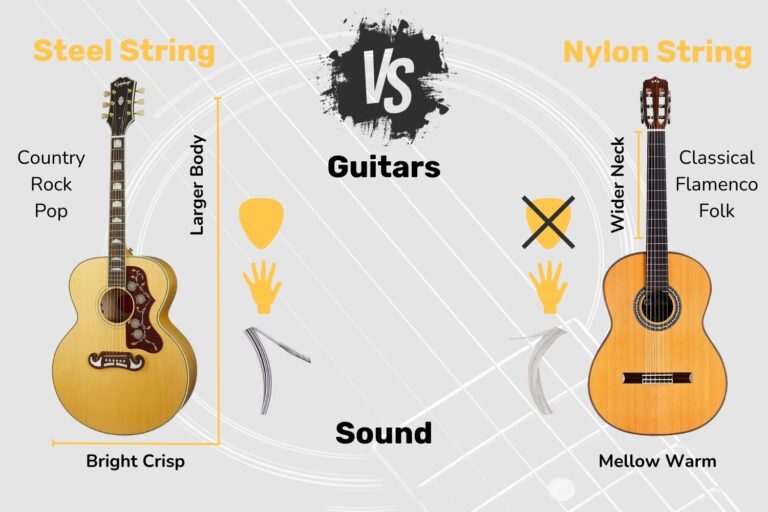
Nylon strings are mellow, gentle, and easy on the fingers. They are fantastic for fingerstyle playing and softer genres. Think of a gentle breeze.
Steel strings are bright, loud, and a bit more challenging at first. They are amazing for strumming and a wider range of popular music. Think of a clear, sunny day.
Many guitarists end up owning both! It's not a competition, it's a choice for different musical adventures. Each guitar offers its own unique flavor to your musical palate.
If you're a complete beginner, a nylon string guitar is often recommended because it's so much gentler. Your fingers will thank you, and you’ll be making music sooner. You can focus on learning the notes and chords without the initial finger pain.
However, if you’re really drawn to the sound of pop, rock, or country music, a steel string might be more inspiring from the get-go. Seeing your favorite artists play them can be a huge motivator. It’s about what makes you excited to pick it up.
Think about the music you love to listen to. What kind of guitar sound do you hear in your favorite songs? That can be a great clue to which type might be right for you.
Do you dream of playing beautiful, intricate melodies with your fingertips? Or do you imagine yourself strumming powerful chords that fill a room with energy? Your dreams can guide your choice.
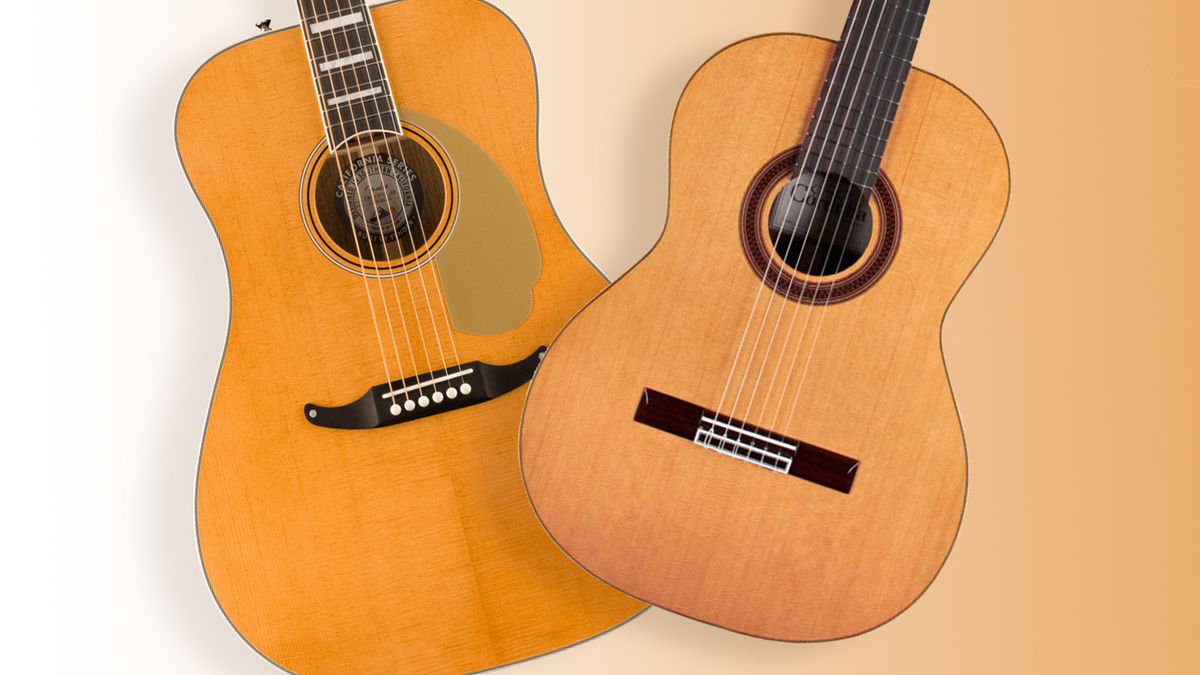
It’s also worth mentioning that the build of the guitar, its shape, and the wood used also affect the sound. But the strings are the most significant difference in that initial character. They are the voices of the instrument.
For example, a dreadnought steel string guitar will sound much bigger and boomier than a smaller steel string acoustic. Similarly, a flamenco guitar (a type of nylon string) has a brighter, snappier sound than a traditional classical guitar. So, there are nuances even within these categories!
Ultimately, the best way to know the difference is to try them out! Go to a music store and just play them. Feel the strings under your fingers. Hear the sound each one makes.
Most music stores are happy to let you have a go. Don't be shy! Ask the staff if you can try a nylon string and then a steel string. They are used to it.
It’s a fun experience, and you might surprise yourself with what you fall in love with. Your hands might naturally gravitate towards one over the other. It’s a very personal connection.
The joy of playing guitar is universal. Whether you choose nylon or steel, you’re opening up a world of music. It’s about the connection you make with the instrument.
So, whether you’re dreaming of gentle lullabies or roaring anthems, there’s a guitar waiting for you. It’s an exciting journey to embark on. Happy strumming!