
Order Of Draw For Lab Tubes

Ever feel like you're just going through the motions sometimes? Like making a cup of coffee, or loading the dishwasher? There's a rhythm to these everyday tasks, a little dance we do without even thinking. Well, believe it or not, the folks who draw your blood for lab tests have a similar kind of dance they do – and it's called the Order of Draw.
Now, before you start picturing some secret handshake or an ancient ritual, let's break it down. It's really about making sure those tiny tubes of your precious blood tell the right story to the lab. Think of it like baking. If you throw all your ingredients into the oven at once, you're probably not going to end up with a delicious cake, right? You need to mix the flour and sugar, then add the eggs, and so on. The Order of Draw is that crucial recipe for your blood samples.
Why Should You Even Care About This Blood Tube Ballet?
You might be thinking, "Hey, I just sit there and let them do their thing. Why should I worry about the color of the tops of the tubes?" Well, it's a fair question! The simple answer is: accuracy. This order helps prevent something called "cross-contamination." Imagine your blood sample for a sugar test accidentally getting a little bit of the stuff from a tube used for a different test. That could throw off your results, and nobody wants that!
It's kind of like trying to listen to your favorite song on a really noisy bus. If there's too much background chatter, you miss the melody. The Order of Draw helps ensure that each "note" of your blood test is clear and distinct, so the lab can hear the true story your body is trying to tell.
Meet the Colorful Cast of Characters: The Tubes!
You've probably seen them – those little glass or plastic tubes, each with a different colored cap. These caps aren't just for decoration, oh no! Each color signifies what kind of special stuff is inside the tube that helps preserve your blood or prepare it for specific tests. It's like each tube has its own superhero power!
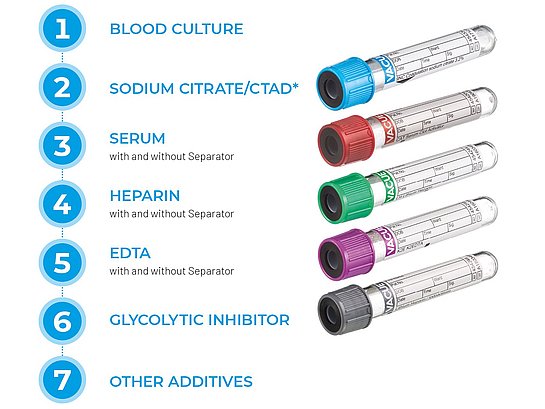
Let's take a peek at some of the main players:
The Blood Culture Bottles (Often Plastic)
These are usually the first ones to get a sip of your blood. Think of them as the VIP guests. They're used to check for infections, like tiny little germs hiding in your bloodstream. Because you don't want any stray germs from other tubes messing up this delicate search, they go first. It’s like putting on your cleanest apron before you start prepping your veggies for a delicate salad.
The Coagulation Tube (Blue Top)
Next up, we often see the blue-top tube. This one is for tests that look at how your blood clots. Imagine you cut yourself – your blood needs to form a clot to stop the bleeding, right? This tube has a special chemical in it that prevents clotting in the tube, so the lab can study how your blood would clot under different circumstances. It's like having a tiny pause button for your blood's clotting action.
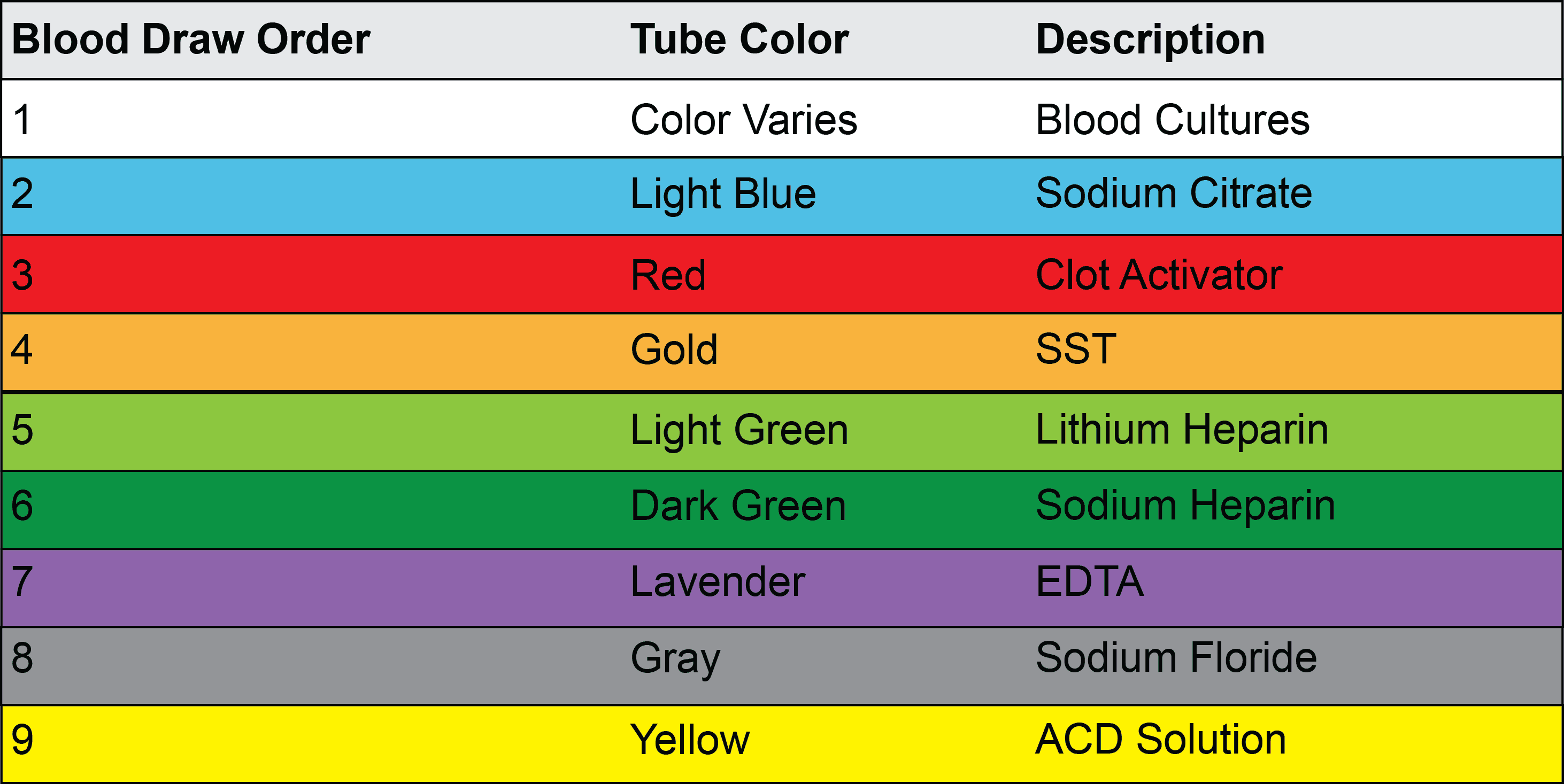
The Serum Tubes (Red, Gold, or Speckled Tops)
These are the workhorses, collecting a lot of common blood tests. They often have a substance that helps your blood clot in the tube. Once your blood clots, the lab can spin the tube down, separating the liquid part (called serum) from the clotted cells. Serum is where they find a whole host of information about things like your cholesterol, liver function, and kidney health. It’s like collecting the clear, pure essence of your blood for analysis.
Think of these like wanting to get a clear picture of a landscape. You wouldn't want dirt or smudges on your lens, would you? These tubes are designed to give the lab a clean "view" of your blood's components.
The Plasma Tubes (Green or Lavender/Purple Tops)
These tubes have chemicals that prevent your blood from clotting. Instead of serum, they collect plasma, which is the liquid part of your blood that still contains clotting factors. These are super important for tests like your complete blood count (CBC), which tells you about your red blood cells, white blood cells, and platelets – the building blocks of your blood. It’s like keeping all your ingredients perfectly mixed in a smoothie for a consistent texture.
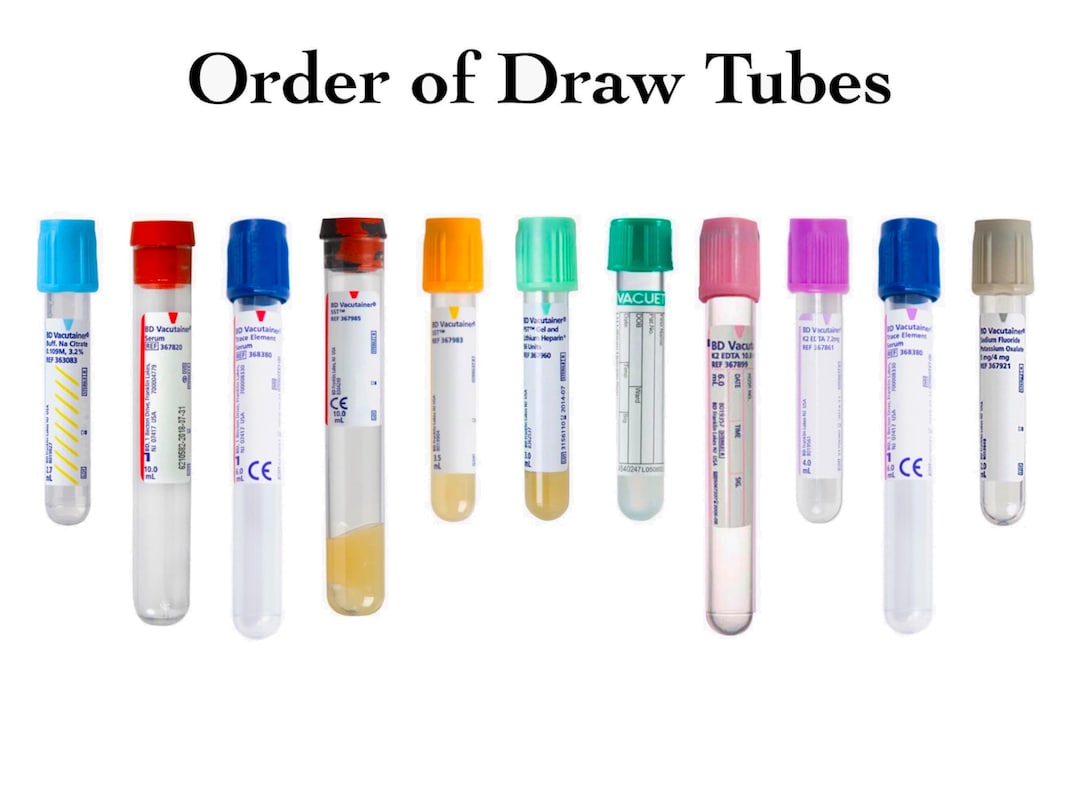
The lavender or purple top tube is especially famous for the CBC. It’s like the Swiss Army knife of blood tubes, capable of so many important checks!
The Trace Element Tube (Royal Blue Top)
This one is a bit more specialized. It's made from materials that won't interfere with tiny amounts of certain metals or minerals in your blood. So, if the doctor needs to check for things like lead or trace minerals, this tube is the star. It's like using a special, super-clean container to measure out tiny, precious spices – you don't want any other flavors mixing in!
Putting It All Together: The Grand Finale
So, when the phlebotomist (that's the friendly person drawing your blood!) comes to collect your sample, they're not just grabbing tubes randomly. They have a specific sequence in mind, guided by the Order of Draw. It generally looks something like this (though there can be slight variations depending on the lab and tests ordered):

- Blood Culture Bottles (if ordered)
- Coagulation Tube (Blue Top)
- Serum Tubes (Red, Gold, Speckled Tops)
- Plasma Tubes (Green, Lavender/Purple Tops)
- Trace Element Tube (Royal Blue Top, if ordered)
Why this order? It's all about minimizing the chance of one tube's additive affecting another. For example, the anticoagulant in the lavender tube could slightly affect tests in the blue top tube if drawn first. And the clot activator in the red top tube could, well, try to clot the blood in the lavender tube prematurely. It's a delicate balance, like a perfectly choreographed dance where each step is essential.
The Takeaway: A Simple Act for Big Results
The next time you're having blood drawn, take a moment to notice the colorful array of tubes. It's a visual reminder of the care and precision that goes into getting accurate lab results. You don't need to memorize the whole sequence, but understanding that there's a thoughtful reason behind it can be pretty cool.
It’s a small detail, but like a well-placed stitch in your favorite sweater, it makes all the difference. So, next time you see those tubes, give a little nod of appreciation to the Order of Draw – the unsung hero ensuring your lab results are as clear and true as they can be. It’s just another one of those little, everyday things that helps keep us all healthy and informed!