
Parts Of A Vacuum Tube
Okay, confession time. I have a secret crush. It’s not on a movie star or a rock god. Nope, my heart beats a little faster for… vacuum tubes. I know, I know. Probably not the coolest obsession. But hear me out!
These little glass wonders are like the grandmothers of modern electronics. They’re bulky, they get hot, and they’re totally inefficient. Yet, there’s a certain charm, isn’t there? A warmth that just doesn't come from those tiny, soulless silicon chips.
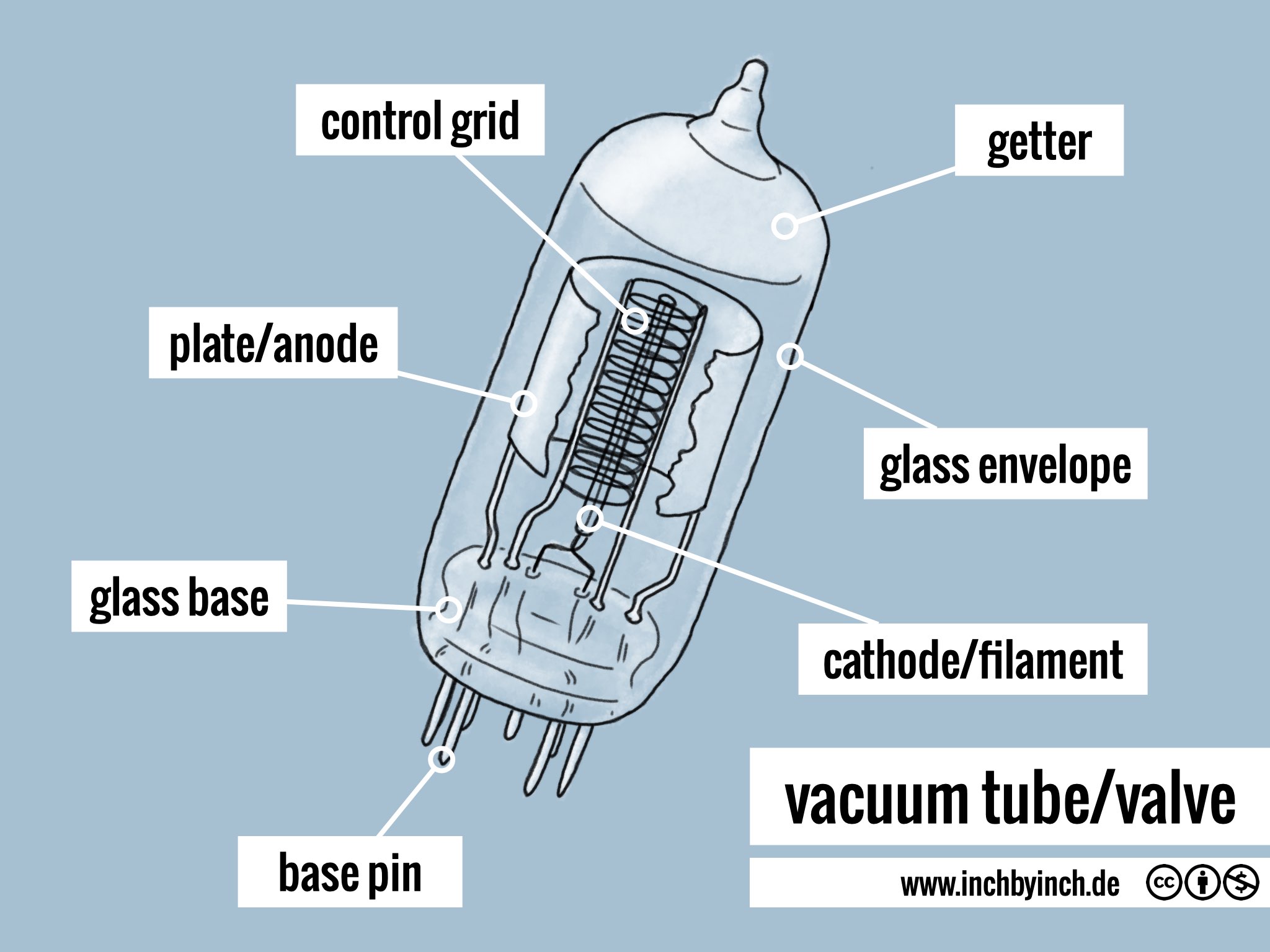
Let’s peek inside one of these beauties. Imagine a tiny, intricate world, all sealed within a clear glass envelope. It’s like a miniature, high-tech terrarium. And each part has a job to do, a starring role in the show.
The Cathode: The Little Heater That Could
First up, we’ve got the cathode. Think of this as the tube’s personal sauna. It’s a metal part, usually coated with something special, that gets heated up. Like when you’re trying to get a stubborn oven to 350 degrees.
When it gets nice and toasty, it starts doing something pretty magical. It begins to “emit” electrons. Imagine a tiny, invisible cloud of electricity forming around it. It’s like the cathode is exhaling tiny electrical breath.
This is the starting point for all the action. Without the warm, electron-shedding cathode, nothing else in the tube would even bother to wake up. It’s the ultimate morning person of the vacuum tube world.
The Plate (or Anode): The Electron Catcher
Now, across the vacuum from our hardworking cathode, we have the plate. Sometimes it’s called the anode, fancy, right? This is like the electron’s ultimate destination. A big, welcoming (or not so welcoming) target.
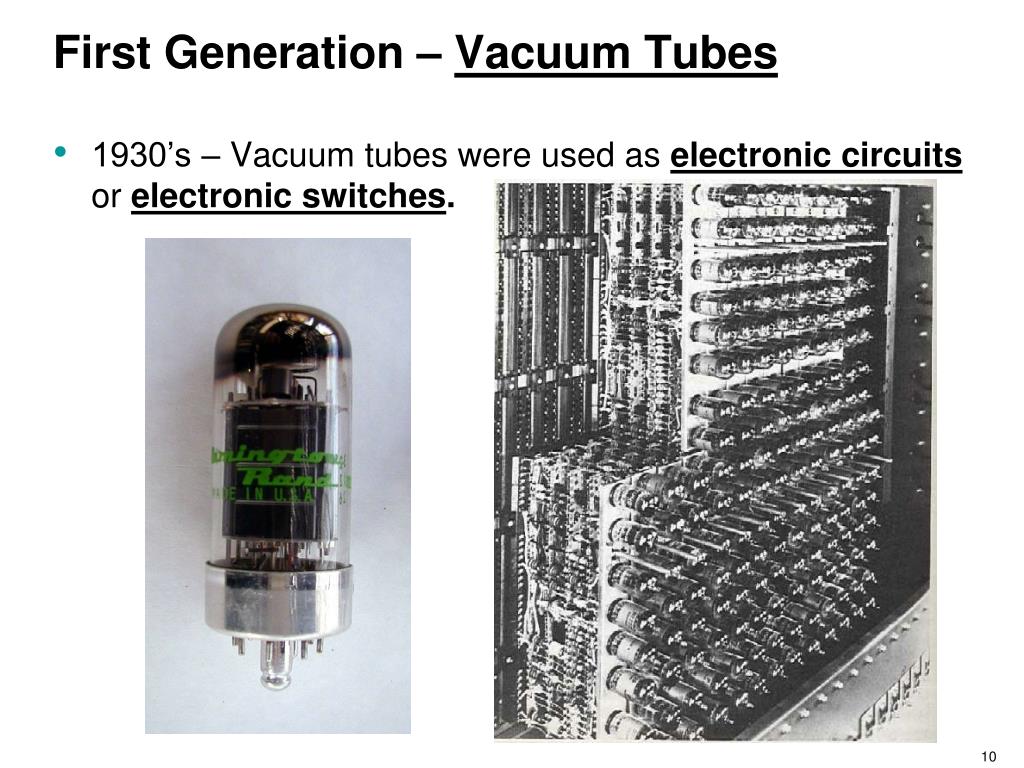
The plate has a positive electrical charge. This is super important. Remember how electrons are negative? Opposites attract, people! So, the positive plate is like a magnet, pulling those negatively charged electrons towards it.
The plate’s job is to collect all those electrons that the cathode so generously provided. It’s the ultimate electron hoarder. It keeps them all neatly gathered, ready for the next step in their journey.
The Grid: The Electron Traffic Cop
Here’s where things get really interesting. In many tubes, we find a grid nestled between the cathode and the plate. This is usually a mesh or a coil of wire. It’s like a tiny, electrically charged fence.
The grid is the real brain of the operation. By changing the electrical voltage on the grid, we can control how many electrons make it from the cathode to the plate. It’s like a sophisticated dimmer switch for electron flow.

A small change in the grid’s voltage can cause a much bigger change in the electron flow to the plate. This is the secret sauce, the amplification magic that made vacuum tubes so revolutionary. It’s the ultimate control freak, in the best possible way.
The Glass Envelope: The Unsung Hero
And let’s not forget the glass envelope itself. This clear, often bulbous shell is more than just pretty packaging. It’s absolutely crucial. It creates the vacuum inside.
Why a vacuum? Because we don't want those electrons bumping into air molecules. That would be like trying to run a race through a crowded shopping mall. Chaos! The vacuum ensures a smooth, unimpeded path for the electrons.
Plus, it lets us see all the cool stuff happening inside. It’s like a window into the electronic soul of the device. You can literally watch the electrons making their journey (well, not really, but it feels like it).

Other Bits and Bobs: The Supporting Cast
Depending on the type of tube, there might be other grids. A control grid is the main one we talked about. But there can also be screen grids and suppressor grids. They’re like assistant managers, fine-tuning the electron flow even further.
Some tubes might also have internal structures that look like little metal cans or fins. These are often for heat dissipation. Because, let’s be honest, vacuum tubes are not exactly energy-efficient. They run hot, like a teenager who just aced a test.
These extra parts help manage that heat. They ensure the tube doesn't overheat and damage itself. It’s like giving your electronics a tiny personal air conditioner.
The Magic of It All
So, you have the heated cathode spitting out electrons. You have the positively charged plate waiting to catch them. And in between, the cunningly placed grid, dictating the traffic. All sealed in a perfect vacuum within the glass envelope.

It’s a simple concept, really. But the way these components interact, controlled by tiny changes in voltage, is pure genius. It’s the foundation of so much of the technology we take for granted today.
Sure, modern transistors are smaller, faster, and more efficient. But do they glow with that warm, orange hue when they’re working hard? Do they have that satisfying, tangible heft? I think not.
There’s something undeniably romantic about vacuum tubes. They’re a testament to early ingenuity. A reminder that sometimes, bigger, hotter, and less efficient can be incredibly captivating.
So next time you see an old radio or a vintage amplifier, take a moment. Admire those glowing glass bottles. They’re not just old tech; they’re little pieces of history, humming with a charm all their own. And that, my friends, is something worth smiling about.