
Passivation Benefits For Metal Alloys

Hey there, fellow explorers of the good life! Ever find yourself admiring that sleek, new appliance, that perfectly polished piece of jewelry, or even the sturdy hardware on your favorite adventure gear? You know that satisfying gleam, that almost effortless shine? Well, behind that visual appeal, and perhaps more importantly, its long-lasting performance, there’s often a quiet hero at play: passivation.
Now, before your eyes glaze over thinking about some complex chemical jargon, let's ditch the lab coats. Think of passivation less like a science experiment and more like giving your metal a luxurious spa treatment. It's about coaxing out its best, most resilient self, so it can handle whatever life throws at it without breaking a sweat (or, you know, rusting).
The "Chill" Factor: What Exactly IS Passivation?
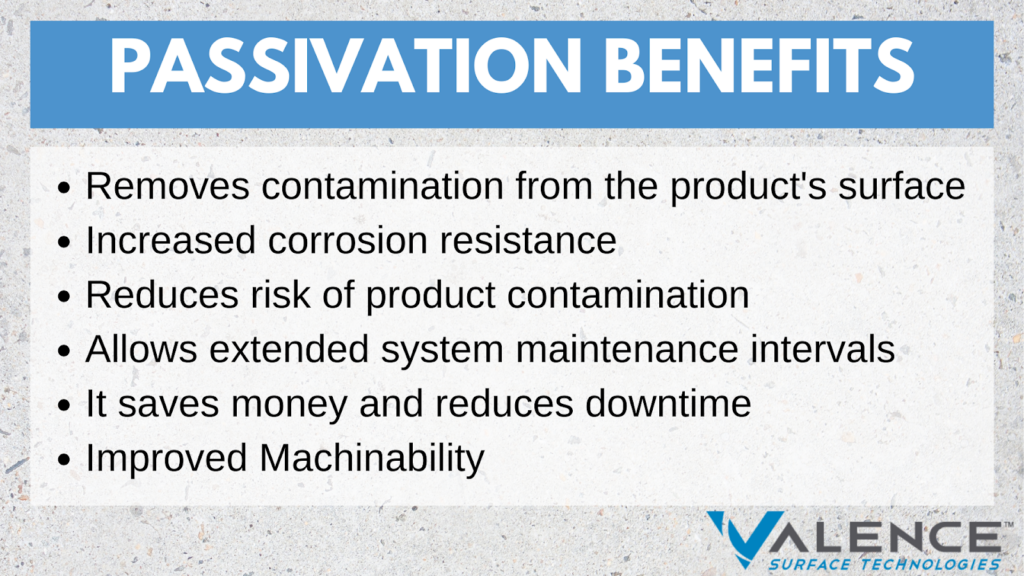
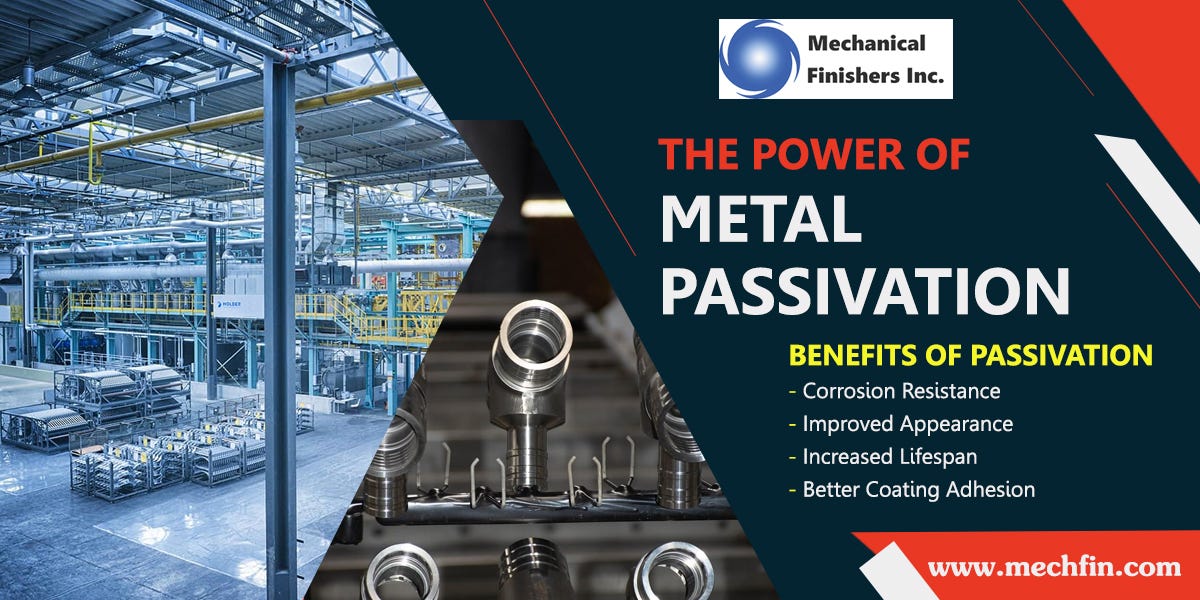
Imagine you’re wearing a fantastic outfit, and you want it to stay looking fabulous. You might treat it with a special fabric protector, right? Passivation is kind of like that, but for metals. It’s a surface treatment that enhances the natural protective qualities of metals, especially stainless steels and other alloys. Essentially, it encourages the formation of a thin, invisible, and super-tough oxide layer on the metal’s surface.
This layer is the ultimate bodyguard. It’s like giving your metal a personal security detail that says, "Nope, no corrosion or contamination getting past me!" This isn't about adding anything external; it’s about amplifying what’s already there, making the metal’s inherent protective film even stronger and more uniform. Pretty neat, huh?
Why Should You Even Care? (Spoiler: It's All About Durability & Beauty)
Let's get down to the good stuff. Why is this “spa treatment” so important? For starters, it’s the secret sauce behind why your stainless steel cutlery doesn't go all funky after a dishwashing cycle (we've all seen those sad, stained forks, right?). It's also why that high-end kitchen gadget stays looking pristine, and why medical implants can do their vital work inside the human body without causing adverse reactions.
The primary benefit is superior corrosion resistance. Corrosion, or rust, is like the ultimate buzzkill for metal. It weakens the material, ruins its appearance, and can even lead to failure. Passivation effectively neutralizes the reactive sites on the metal's surface, making it significantly less susceptible to attack from things like moisture, acids, and salts.
Think of it like this: a non-passivated metal surface is like a perfectly smooth road with a few tiny, invisible potholes. Water and other corrosive agents can easily get into those potholes and start causing trouble. Passivation smooths out those potholes, creating a uniformly resilient surface that’s much harder to damage.

Beyond the Shine: The Ripple Effect of Passivation
The benefits don't stop at just preventing rust. Passivation can also:
- Improve Longevity: A passivated part will simply last longer. This means fewer replacements, less hassle, and ultimately, more value. It’s the “buy it once” philosophy for your metal goods.
- Enhance Purity: In industries where cleanliness is paramount – think medical, food processing, and aerospace – passivation is non-negotiable. It removes any free iron particles from the surface that could otherwise react, contaminate, or leach into whatever the metal comes into contact with. It's like ensuring your ingredients are absolutely pure for that Michelin-star meal.
- Boost Performance: For precision components, even the slightest surface imperfection can impact performance. Passivation creates a cleaner, smoother surface, which can be crucial for things like intricate machinery or sensitive electronic components.
- Maintain Aesthetics: Let's not forget the visual appeal! Passivation helps metals retain their natural luster and finish, keeping them looking sharp and sophisticated. It’s the difference between a tool that looks like it’s seen better days and one that still feels brand new.
So, What Metals Get This VIP Treatment?
While stainless steel is the undisputed champion of passivation, it’s not the only one. Other metals and alloys that benefit include:
- Other Austenitic Stainless Steels: Think beyond the common 304 and 316. Many specialized stainless steel grades get this treatment.
- Precipitation-Hardening (PH) Stainless Steels: These are the high-performance athletes of the stainless steel world, often used in aerospace.
- Duplex Stainless Steels: A hybrid of strength and corrosion resistance.
- Martensitic Stainless Steels: Known for their strength and hardness, often found in knives and tools.
- Certain Nickel Alloys: These are workhorses in extreme environments.
It’s all about alloys that have a high enough chromium content to form that protective oxide layer. It’s their inherent potential that passivation unlocks.
The Passivation Process: A Peek Behind the Curtain (Without Getting Your Hands Dirty)
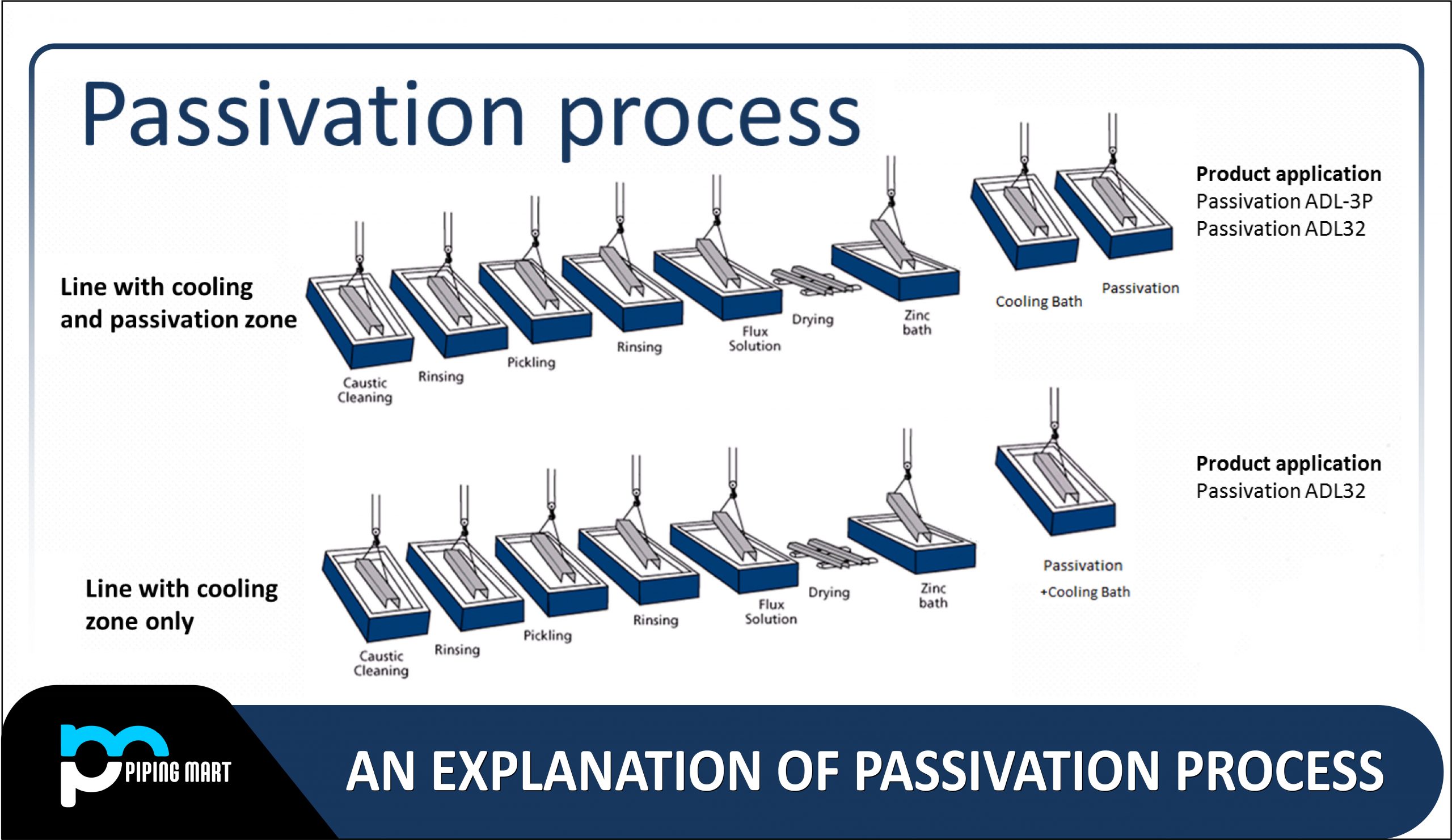
You don't need to be a chemist to appreciate the general idea. The most common method is an acid passivation process, typically using nitric acid or citric acid solutions. The metal parts are immersed in these carefully controlled baths.
The acid solution does a couple of key things:
- Cleaning: It removes any surface contaminants, including free iron, dirt, and scale that might have accumulated during manufacturing. This is like a deep cleanse.
- Oxidizing: It then promotes the formation of the passive oxide layer, essentially making the natural protective film on the metal even better.
After the immersion, the parts are thoroughly rinsed and dried. It’s a precise process, and the exact conditions – temperature, concentration, and time – are crucial for achieving the desired results. Think of it like brewing the perfect cup of coffee; the details matter!
Cultural Corner: Passivation in Our Lives
Where do you encounter this magic? Everywhere! That gleaming stainless steel refrigerator keeping your groceries fresh? Passivated. The surgical instruments used by your doctor? Definitely passivated. Even the high-tech components in your smartphone or your car's engine likely benefit from this treatment.
Consider the iconic Eames Lounge Chair, with its polished aluminum base. While not strictly passivation in the same way as stainless steel, the finishing processes employed ensure that metal component resists wear and tear beautifully, contributing to its timeless aesthetic and enduring appeal. It’s all about making things last and look good doing it.
Fun Fact: The discovery of passivation is often attributed to the work of German chemist Carl Friedrich Christian Rammelsberg in the mid-19th century, who observed the phenomenon of metals becoming less reactive after certain treatments!
DIY Passivation? (Probably Not a Good Idea!)
Now, before you get any bright ideas about dipping your everyday objects in a DIY acid bath, let’s pump the brakes. Passivation is a controlled chemical process that requires specific knowledge, safety precautions, and the right equipment. Improperly performed passivation can actually damage the metal or lead to ineffective results.
For industrial applications or even for high-value personal items, it’s best to leave it to the professionals. They have the expertise to ensure the process is done correctly, safely, and effectively. Think of it like going to a professional tailor for your best suit versus trying to hem it yourself with a pair of kitchen scissors.
The 'Chill Vibes' of a Passivated World
It’s easy to overlook the science and engineering that goes into the products we use every day. But understanding passivation, even at a high level, helps us appreciate the thought and care that goes into making things durable, reliable, and beautiful.
It’s about creating a world where our tools don’t fail us, where our kitchens remain hygienic, and where our most critical equipment can perform flawlessly. It’s about enabling a lifestyle where we can focus on enjoying our experiences, rather than worrying about the potential breakdown of our gear.
Beyond the Surface: The Long Game of Durability
Think about your favorite possessions. That trusty pocket knife you’ve had for years? That well-made pot that’s seen countless family meals? They likely owe some of their longevity to surface treatments like passivation. It’s the unsung hero that allows these items to continue serving us, day in and day out.
It's a commitment to quality, a dedication to making things that last. In a world often driven by disposability, passivation is a quiet rebellion, a testament to the enduring power of well-made materials. It’s about building things that can withstand the test of time, much like a good friendship or a perfectly aged wine.
Practical Tips for the Everyday (Without the Chemicals)
While you won’t be performing passivation yourself, you can certainly contribute to the longevity of your passivated items:
- Gentle Cleaning: For stainless steel, use mild detergents and soft cloths. Avoid abrasive scrubbers that can scratch the surface and compromise the protective layer.
- Prompt Drying: After washing, especially in humid environments, give your stainless steel items a quick towel dry to prevent water spots from forming.
- Avoid Harsh Chemicals: Steer clear of bleach and oven cleaners on stainless steel. They can be too aggressive and damage the passive layer.
- Regular Maintenance: For critical equipment or specialized items, follow the manufacturer’s recommended maintenance procedures. This might include professional cleaning or inspections.
These simple habits ensure that the work passivation does is supported, extending the life and beauty of your metal companions.
It's the equivalent of giving your car a regular wash and oil change so it keeps running smoothly for years to come. It’s about respecting the materials and the craftsmanship that went into them.
The "Ah-Ha!" Moment: Connecting Passivation to Your Daily Vibe
So, the next time you’re enjoying a meal with your gleaming silverware, or using a tool that feels robust and reliable, take a moment to appreciate the subtle science at play. Passivation is more than just a technical process; it's about trust. It’s about trusting that your materials will perform as expected, that they’ll stand up to the demands of your life, and that they’ll continue to serve you well.
It’s a reminder that even the seemingly simple things in life are often built on a foundation of thoughtful design and meticulous execution. This dedication to durability, to creating things that endure, is something we can all appreciate and strive for in our own lives. It’s about choosing quality over quantity, about valuing longevity and reliability. It’s about living a life that’s as smooth and resilient as a perfectly passivated surface.