
Pitting Corrosion In Stainless Steel
Hey there, fabulous folks! Ever gazed at your gleaming stainless steel kitchen sink, or maybe that super-stylish toaster, and thought, "Wow, this stuff is practically invincible!"? Well, for the most part, you'd be right! Stainless steel is our buddy, our hero in shining armor when it comes to resisting rust and looking spiffy.
But even our metallic superhero has a tiny, almost sneaky, weakness. It's like that one time your favorite superhero accidentally tripped on a banana peel – a moment of fleeting vulnerability. We're talking about something called pitting corrosion. Don't let the fancy name scare you; it's more like a mischievous little sprite nibbling away at our beloved stainless steel.
Imagine your stainless steel surface is like a perfectly manicured lawn. It's smooth, shiny, and looking its absolute best. Now, picture tiny little mischievous gremlins, each carrying a microscopic magnifying glass and a tiny, super-powered eraser. These are our little pitting corrosion culprits!
These little troublemakers don't go around causing a huge, dramatic mess like a full-blown rust monster. Oh no, that would be too obvious! Instead, they are much more subtle, like a whisper in the wind. They target specific, tiny spots on the surface.
Think of it like this: You're at a party, and everyone is having a grand old time. Suddenly, one little corner of the dance floor gets a tiny, almost invisible spill. This spill, if left alone, can start to create a small, isolated issue.
These "spills" are usually caused by things like tiny salt crystals, especially if you live by the sea and get that salty spray on your outdoor furniture. Or, it could be from aggressive cleaning agents that are a bit too enthusiastic. Even small amounts of certain chemicals can get these gremlins fired up.

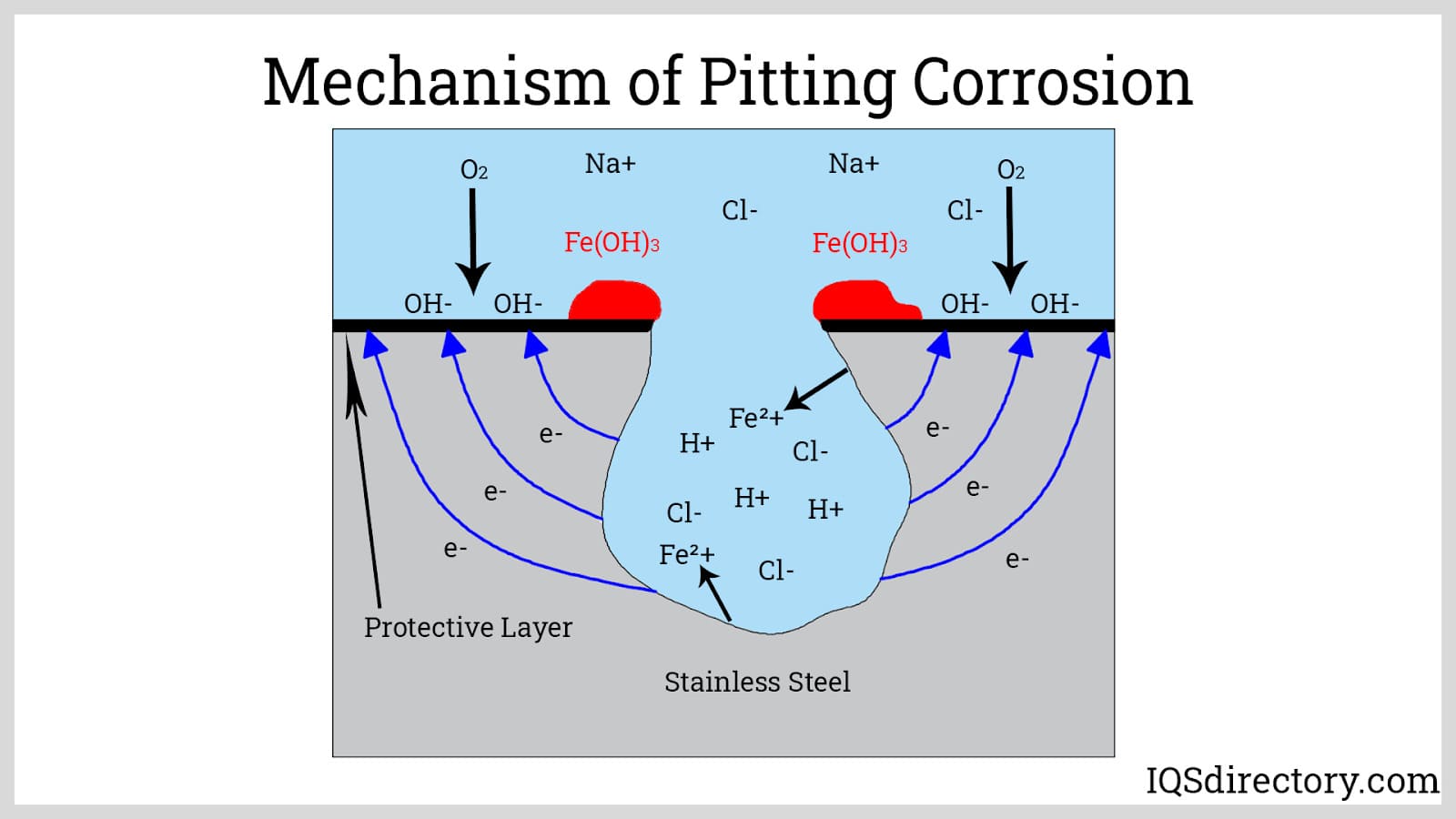
When these culprits find a cozy little spot, they start to get to work. They create a tiny hole, a little “pit,” that’s barely noticeable at first. It's like a minuscule crater on the moon, but on your otherwise perfect sink!
Why do they do this? Well, it's a bit like they’re playing a game of hide-and-seek. Once they find that perfect spot, they can create a little micro-environment that’s even friendlier to their rust-making activities. It's a self-sustaining party for them!
These pits, though small, can start to deepen and widen over time. They become little traps where more corrosive substances can gather. It's like that tiny spill on the dance floor slowly spreading and making the floor sticky in just that one spot.
You might not even see it at first. Your trusty spatula might feel a tiny rough spot, or you might notice a faint discoloration. It's like a secret message from the pitting gremlins, a subtle hint that they're hanging out.
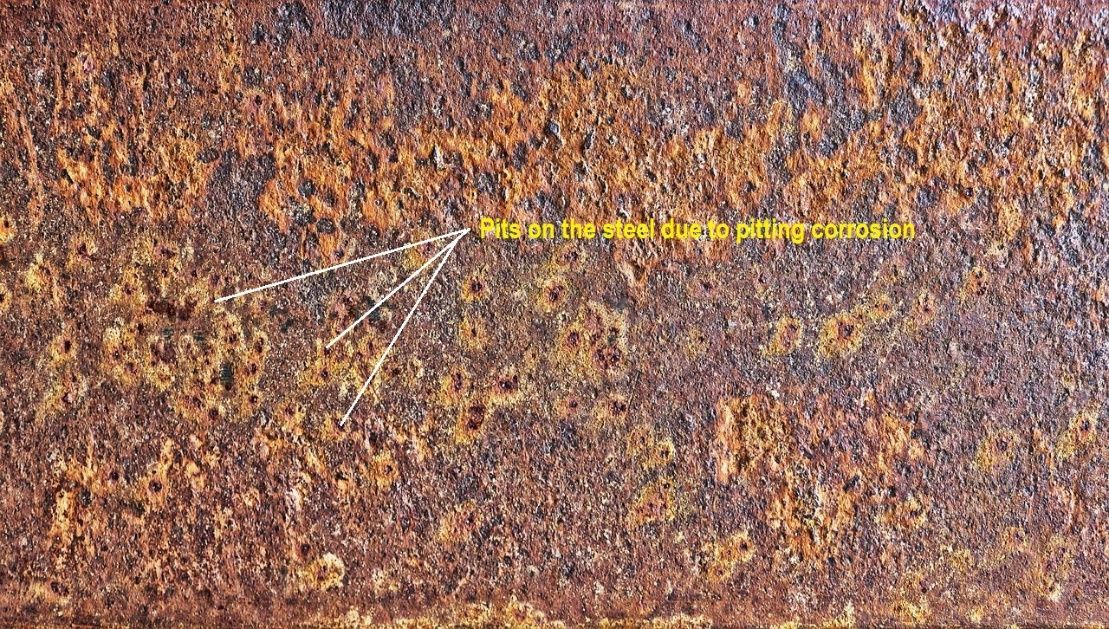
Why should we care about these tiny pits? Well, while they don't usually compromise the structural integrity of your toaster (phew!), they can be an eyesore. Nobody wants little rusty freckles on their beautiful stainless steel!
Imagine your gorgeous stainless steel barbecue grill, looking all ready for a summer cookout. Then, you notice these tiny, almost mosquito-bite-sized rust spots appearing on the handle. Not exactly the vibe we're going for, right?
The good news is, you don't need a superhero suit to combat these pitting gremlins! Prevention is key, and it's easier than you think. It's all about keeping our stainless steel friend happy and clean.
The simplest thing you can do is a good old-fashioned wipe-down. After using your stainless steel appliances or cookware, give them a quick rinse and dry. This removes any potential troublemakers before they even have a chance to set up camp. Think of it as giving your stainless steel a tiny, refreshing spa treatment.

Avoid leaving salty or acidic foods sitting on stainless steel surfaces for extended periods. That leftover pickle juice or a stray splash of lemon juice from your cooking adventures? Wipe it up! It's like telling those gremlins, "Nope, not today!"
When it comes to cleaning, be gentle! Stick to mild soaps and water. If you need something a bit stronger, opt for cleaners specifically designed for stainless steel. Avoid abrasive scrubbers or harsh chemicals that can accidentally scratch or etch the surface, giving those gremlins even more opportunities.
So, what if you do spot a tiny pit? Don't panic! Sometimes, a good polish with a stainless steel cleaner can help. It’s like giving the area a little buff and shine to discourage further mischief.
For those slightly more stubborn spots, you might need a specialized stainless steel polish. These are designed to gently remove minor imperfections and restore that beautiful sheen. It’s like a little superhero ointment for your steel.

Remember, stainless steel is pretty tough stuff. It's designed to be resilient. These pitting corrosion incidents are rare and usually a result of specific, sometimes avoidable, circumstances.
Think of your stainless steel as a loyal knight. Pitting corrosion is just a tiny speck of mud on its armor. A quick clean-up, and it’s back to its glorious self, ready to face the day (and your culinary creations!).
So, go forth and enjoy your gleaming stainless steel! Give it a little love and care, and it will continue to be the shining star of your kitchen and beyond. It’s a partnership, really. You provide the admiration, and it provides the everlasting shine.
And if you ever do spot one of those tiny pits, just smile. It's a reminder that even our heroes have their little quirks, and a little bit of attention can keep them looking their absolute best. Happy polishing, everyone! Let’s keep that steel sparkling!