
Pneumatic Tube Systems In Hospitals

Remember those old cartoons where characters zip through secret tunnels, delivering messages at lightning speed? Well, hold onto your hats, because that sci-fi dream is a very real, very whizzing reality right inside our hospitals!
We're talking about the unsung heroes of healthcare: the Pneumatic Tube System. These aren't just fancy pipes; they're the secret arteries of a hospital, silently ferrying crucial cargo with a whoosh and a puff.
Imagine this: A doctor needs a specific blood sample to the lab right now. No time for a leisurely stroll down the hallway, no time for busy nurses juggling a dozen tasks. This is where our pneumatic pals swoop in.
They're like the ultimate express delivery service, but instead of pizza or Amazon packages, they're sending something far more precious: life-saving specimens and vital medications.
Think of it as a miniature, hospital-sized version of the train systems that crisscross continents, except these "trains" are little bullet-shaped carriers, zipping through a network of tubes. They don't need tracks, just a little push from compressed air!
These systems have been around for ages, evolving from simple mail carriers to the sophisticated medical marvels they are today. They’re the unsung workhorses, tirelessly performing their duties behind the scenes.
The magic happens when a staff member pops a small, secure canister into a station. They select the destination, and bam! With a gentle hiss and a triumphant thwump, the canister embarks on its adventure.
It’s a symphony of controlled chaos, a ballet of air pressure. The canister is propelled through a maze of tubes, often suspended above our heads or tucked away in ceilings, moving at speeds that would make a cheetah jealous.
Why is this so cool? Because speed in a hospital is often the difference between a good outcome and a not-so-good one. Every second counts when you’re dealing with emergencies.
When a patient has a fever that needs checking, the blood sample doesn't have to wait for a convenient moment. It’s dispatched instantly, on a one-way ticket to the lab. The results come back faster, allowing doctors to make quicker, more informed decisions.
It's like having a personal courier for every single department, ensuring that urgent items get where they need to be without delay. No more frantic dashes, no more lost paperwork (well, hopefully not!).
And it’s not just blood! These systems can transport medications, lab results, tiny instruments, and even other crucial supplies. Imagine a critical medication needed on the other side of a sprawling hospital. Our pneumatic tubes make that journey in mere minutes.
The carriers themselves are usually made of sturdy plastic or metal, designed to protect their precious cargo. They're like tiny, armored spaceships for your medical needs.
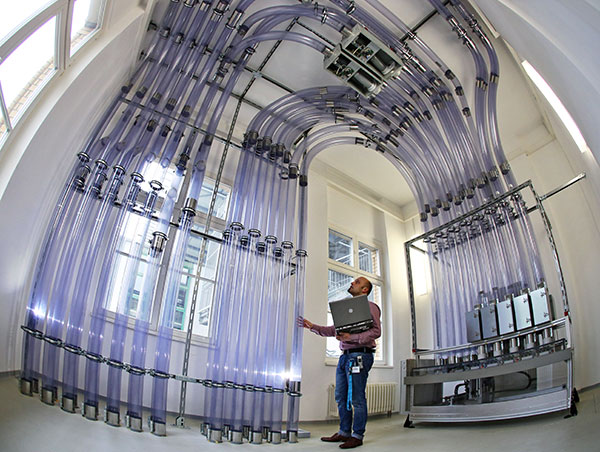
The stations are usually sleek and modern, featuring touchscreens or simple buttons. It’s all designed for ease of use, so even in the heat of the moment, staff can send things off with confidence.
And the sound! That gentle whoosh as a canister arrives is a familiar, comforting sound to those who work in hospitals. It's the sound of efficiency, the sound of progress, the sound of a system working perfectly.
Think about it: a nurse is attending to a patient. They need to send a urine sample to the lab. Instead of leaving the patient's side, they can simply place the sample in a nearby pneumatic tube station.
A few moments later, the sample is at its destination, ready for analysis. This frees up valuable nursing time, allowing them to focus on what truly matters: patient care.
These systems also help reduce the risk of human error. When things are transported manually, there's always a chance of a slip-up, a misplaced item, or a delay. The pneumatic tube system minimizes these risks.

It’s a bit like having your own internal teleportation device, but instead of people, it's essential medical items. The tubes connect different floors, different wings, and even different buildings within a hospital campus.
The network can be incredibly complex, a labyrinth of interconnected pipes. Engineers spend a lot of time designing and maintaining these systems, ensuring they run smoothly. They are the architects of the air highway.
Sometimes, you might hear a faint humming sound coming from the walls. That’s often the sound of the blowers and pumps that create the air pressure needed to move the carriers. It’s the heartbeat of the system.
The canisters themselves are designed to be robust and secure. They usually have a locking mechanism to ensure that samples or medications don't accidentally spill out during transit. Safety first, even for the tubes!
These systems are a testament to human ingenuity, finding clever ways to improve efficiency and speed in critical environments. They are a quiet revolution in healthcare logistics.

So, the next time you’re in a hospital and you hear that faint whoosh, spare a thought for the incredible Pneumatic Tube System. It’s a marvel of engineering, a superhero in disguise, tirelessly working to keep things moving smoothly and effectively.
They are the invisible pipelines that ensure the right things get to the right place at the right time, ultimately contributing to better patient outcomes. It's a system that truly makes a whizzing difference!
It’s like a secret, super-fast messenger service for the medical world, working tirelessly behind the scenes to get crucial items where they need to go.
The pneumatic tube system is more than just pipes; it's a vital component of modern healthcare, a testament to how smart design can revolutionize even the most critical of industries. So let's give a cheer for these unsung heroes!
They are the silent champions, the speedy sorters, the whiz-bang wizards of hospital transit. Truly, a marvel to behold and a testament to brilliant engineering.
The efficiency gained from these systems is immeasurable, allowing healthcare professionals to dedicate more of their valuable time to direct patient care. It's a win-win situation, from the patient to the provider.
So next time you're feeling a bit under the weather and happen to notice a small canister zip by a station, give a little nod of appreciation. You're witnessing a piece of cutting-edge medical technology in action, a system that's as vital as any MRI machine or surgical robot.