
Point Of Aim Vs Point Of Impact
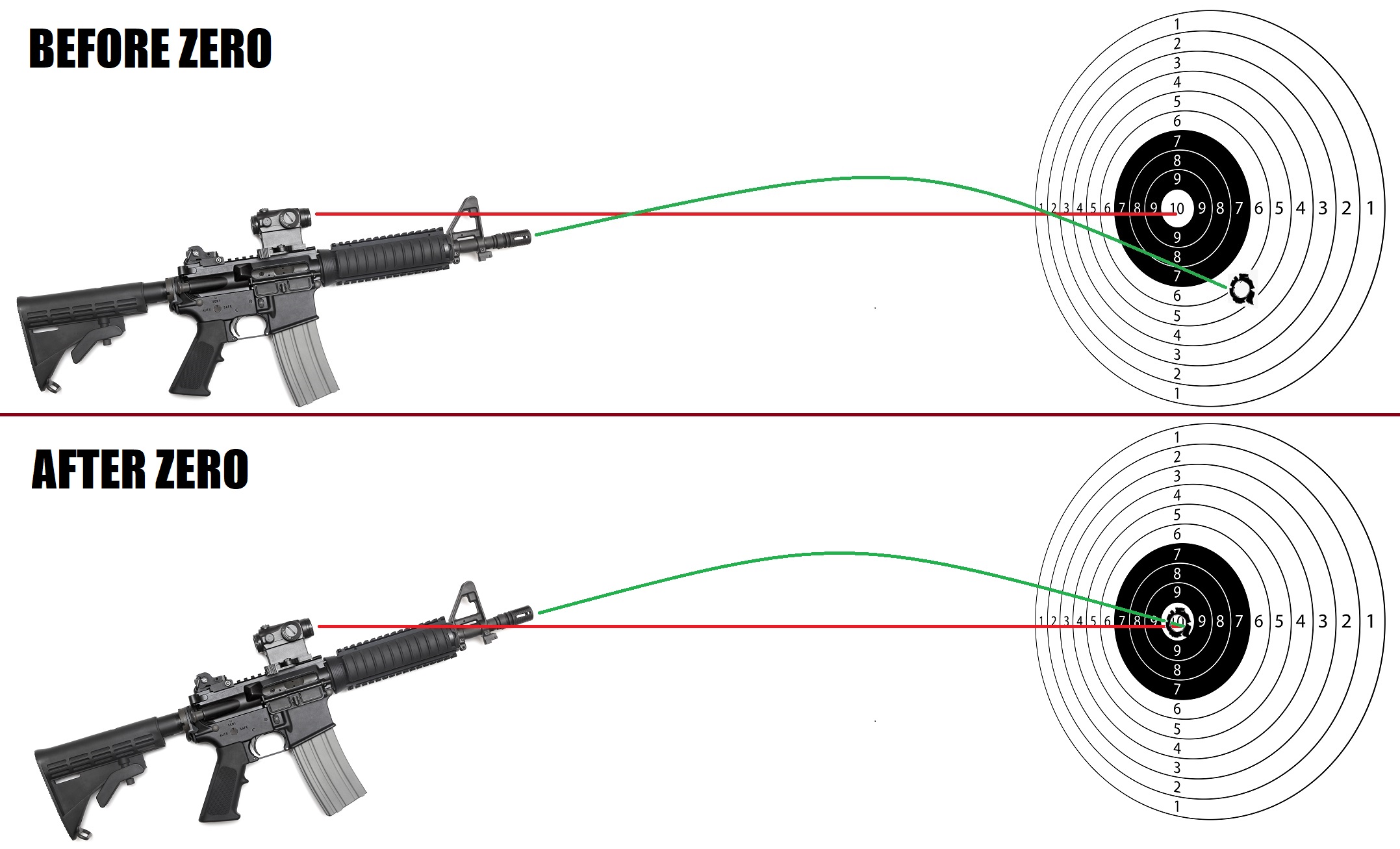
Ever wondered why sometimes your perfectly aimed shot doesn't quite hit where you expected? Or why a seasoned marksman can consistently hit a tiny target from afar? It's not magic, it's a fascinating dance between two crucial concepts: Point of Aim (POA) and Point of Impact (POI). This isn't just for competitive shooters or military snipers; understanding this relationship is surprisingly useful for anyone who has ever used a tool that propels a projectile, from a simple slingshot to a sophisticated rifle. It’s a little bit of physics, a touch of geometry, and a whole lot of satisfying precision. Getting a handle on POA vs. POI can turn frustration into finesse, and it's a surprisingly fun journey into the mechanics of accuracy.
What Exactly Are We Talking About?
Let's break it down in the simplest terms. Imagine you're looking through the sights of your chosen device. The Point of Aim (POA) is where you are physically pointing that device. It's the exact spot your sights (or scope crosshairs) are directed at. Think of it as your visual target, the bullseye you've locked onto. This is the subjective part, the human element of aiming.
Now, the Point of Impact (POI) is where the projectile actually lands. It's the hole the bullet makes, the pebble that hits the can, the arrow that strikes the straw. This is the objective reality, dictated by the laws of physics and the characteristics of your equipment. Ideally, your POA and POI are the same. You aim at the bullseye, and the projectile hits the bullseye. Simple, right? But in reality, they are often two different points, and understanding why is the key.
Why the Difference? It's a World of Variables!
So, if you aim perfectly, why doesn't the bullet just go exactly where you pointed? Ah, my friend, this is where the fun really begins! Several factors can cause your POA and POI to diverge:
![Combat Sight Picture [Is It The Best Sight Picture For You?] | Red Dot](https://i2.wp.com/reddotshooters.com/wp-content/uploads/2020/04/Point-Of-Aim-1-1.png?resize=768%2C384&ssl=1)
- The Sights Themselves: Most firearms have sights that are adjustable. This is because the factory settings might not be perfect for every shooter or every type of ammunition. Think of them as small, precise levers you can tweak. If your POI is consistently low, you might adjust your sights up to bring the POI up to meet your POA. Conversely, if your POI is high, you'd adjust your sights down. This adjustment process is all about aligning your POA with your POI.
- Ammunition Characteristics: Not all bullets are created equal! Different weights, shapes, and powder charges within ammunition can affect how a projectile flies. A heavier bullet might drop more due to gravity over distance, for example. This is why serious shooters often "sight in" their firearms with a specific type of ammunition, ensuring their POA is set for that particular load.
- Distance: Gravity is a constant companion to any projectile. The further your target, the more gravity will pull your projectile downwards. When you're aiming at a distant target, you might actually aim slightly above your POA to compensate for this drop, so that the POI lands where you want it. This is a fundamental aspect of long-range shooting.
- Wind: Even a gentle breeze can push a projectile off course, especially at longer distances. Understanding windage (the effect of wind on your shot) is another crucial element. You might need to aim slightly into the wind to counteract its push, again aligning your POA to achieve the desired POI.
- The Device Itself: The mechanics of the projectile launcher play a role. For example, in archery, the flex of the bow and the fletching of the arrow can influence its flight path. Even the way you hold your slingshot can slightly alter where the stone goes.
- Zeroing: This is the technical term for the process of adjusting your sights so that your POA and POI are the same at a specific distance. When a firearm is "sighted in" or "zeroed," it means the shooter has made those necessary adjustments. A common zero distance might be 100 yards. This means that if you aim at a point 100 yards away, the projectile will hit that exact spot.
The Benefits of Understanding POA vs. POI
So, why go through all this? The benefits are manifold:
- Improved Accuracy: This is the most obvious benefit. Understanding how POA and POI relate allows you to make informed adjustments, leading to more consistent and accurate shots. No more "almost" hits!
- Confidence: Knowing that your equipment is properly adjusted and understanding the principles behind it builds immense confidence. You'll be more relaxed and focused when you need to make that crucial shot.
- Efficiency: Whether you're hunting, plinking, or competing, wasting ammunition is never ideal. Understanding POA vs. POI helps you get on target quickly and effectively, saving time and resources.
- Better Understanding of Physics: It's a practical, hands-on lesson in ballistics and trajectory. You’ll develop an intuitive feel for how projectiles behave in different conditions.
- Troubleshooting: If you're consistently missing your target, understanding POA vs. POI gives you a framework to diagnose the problem. Is it your aim, your sights, your ammo, or environmental factors?
In essence, mastering the relationship between your Point of Aim and your Point of Impact transforms a potentially frustrating experience into a rewarding one. It’s about precision, understanding, and the quiet satisfaction of knowing that when you pull the trigger, the projectile will go exactly where you intend it to. So next time you pick up a device that shoots, remember this crucial interplay – it’s the secret ingredient to true accuracy!