
Poppy Playtime Vs Five Nights At Freddy's

So, picture this: I’m huddled in my gaming chair, the room is pitch black, and the only light source is the faint glow of my monitor. My heart’s doing a drum solo against my ribs, and I’m pretty sure I haven’t blinked in ten minutes. This is my Friday night, folks. And for a good chunk of the past few years, this has been the modus operandi for a whole lot of us. We’ve been chasing the thrill, the jump scares, the sheer, unadulterated terror that comes with being a lone security guard trapped with… well, whatever’s lurking in the shadows.
And if you're anything like me, then you probably know exactly what I'm talking about. That sinking feeling when you hear a distant creak, or the unnerving silence that’s somehow louder than any noise. It’s a very specific kind of fun, isn’t it? A masochistic joy that keeps us coming back for more. For a long time, one franchise reigned supreme in this particular brand of digital torment: Five Nights at Freddy’s.
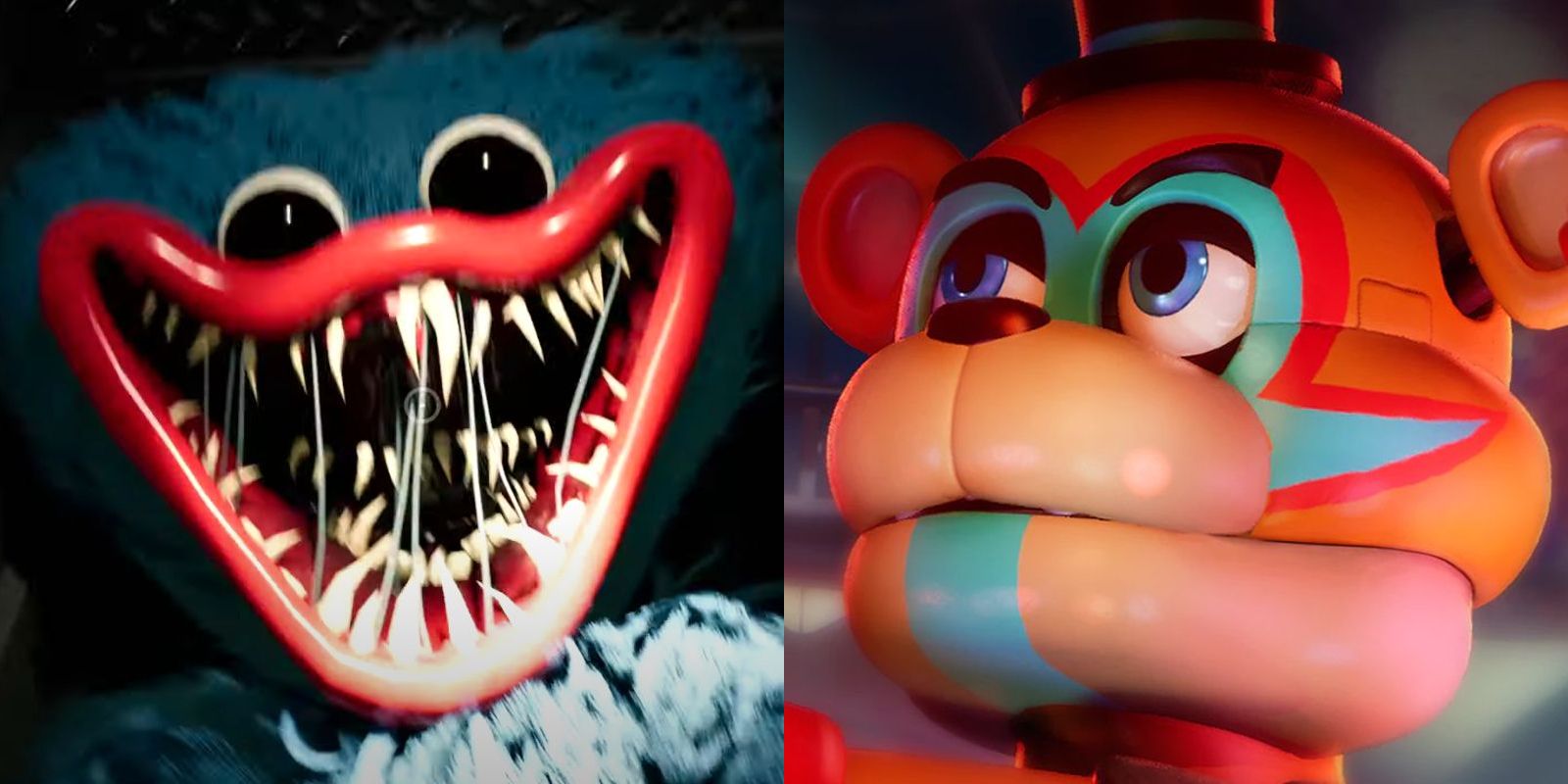
But then, something new happened. A new challenger emerged from the toy factory, bright, colourful, and utterly, horrifyingly, wrong. I’m talking, of course, about Poppy Playtime. And it got me thinking. What is it about these seemingly simple premise games that have captivated us so thoroughly? And how does this shiny new contender stack up against the OG terror king?
The Reign of the Animatronics
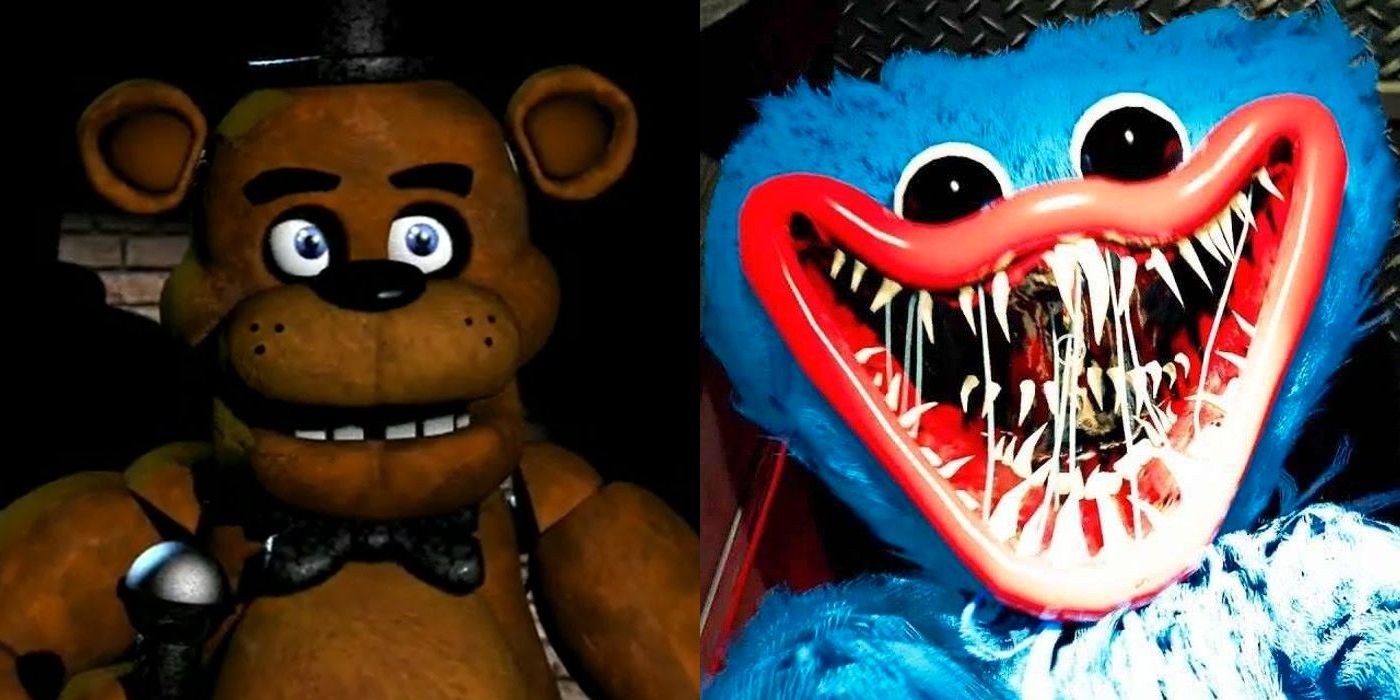
Let’s rewind a bit, shall we? Five Nights at Freddy’s. Oh, the memories. Scott Cawthon, a true indie gaming legend, basically stumbled upon a goldmine of player psychology. The core concept was so simple, so elegant in its terror. You’re Jeremy Fitzgerald (or Mike Schmidt, or Fritz Smith… the lore gets wild, I know!), a night watchman at Freddy Fazbear’s Pizza. Your job? Survive five nights.
Easy, right? Wrong. So incredibly, terrifyingly wrong. The animatronics – Freddy, Bonnie, Chica, Foxy – are your pals by day, but by night, they’re… something else. They’re possessed. They’re murderous. And they will stuff you into a suit if they catch you. The genius lay in the limited resources. You’ve got a limited amount of power for your lights and your doors. Every click of a button, every flicker of the camera feed, drains that precious power. It’s a constant, agonizing dance between vigilance and resource management.
And the jump scares! Oh, man. Those sudden, ear-splitting shrieks and the fleeting glimpse of a metallic maw inches from your face. They were brutal, effective, and utterly unforgettable. I remember the first time Foxy sprinted down the hall… I swear, my soul left my body and booked a one-way ticket to Cancun. You felt so vulnerable, so utterly at the mercy of these malfunctioning toys.
Plus, the mystery! The fragmented lore, the hints of missing children, the dark secrets buried beneath the cheerful facade of a pizza parlor. It wasn’t just about surviving; it was about piecing together a tragic, horrifying story. And the community? They went wild with it. Theories galore, deep dives into the lore, endless debates about the Purple Guy. It was a cultural phenomenon, a true testament to the power of clever game design and sheer, unadulterated creepiness.
The New Kid on the Block: Poppy Playtime
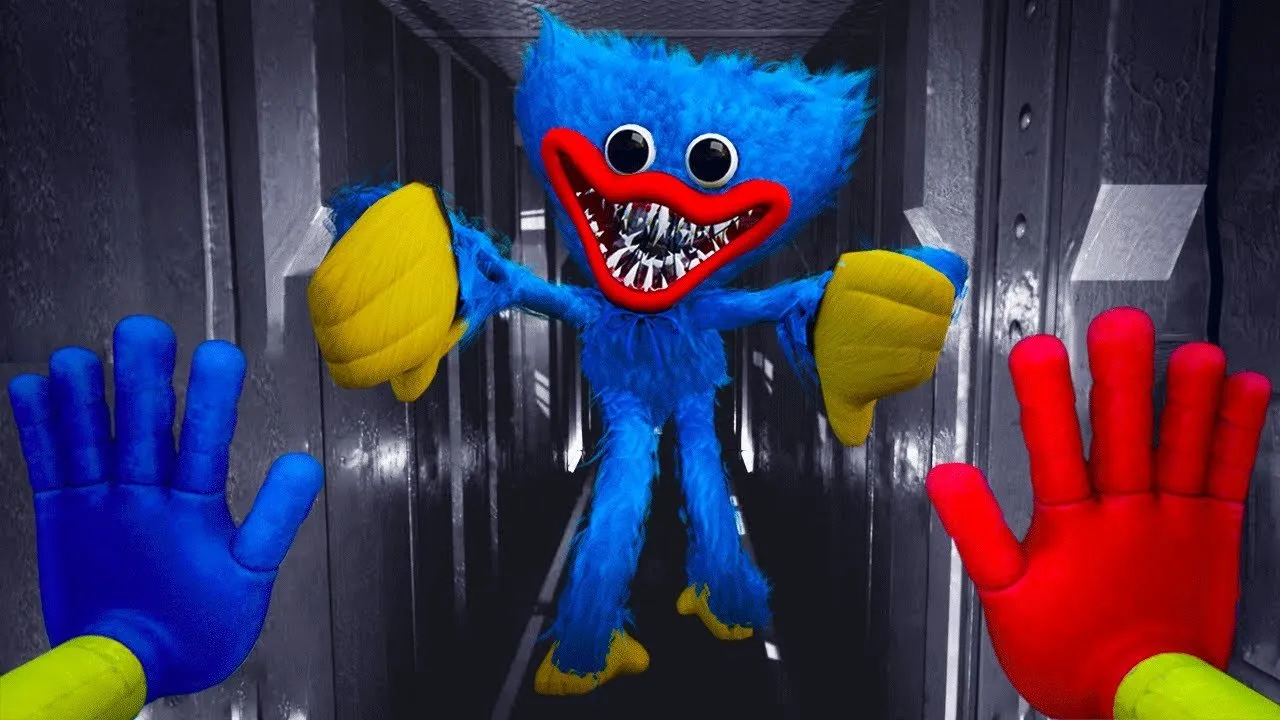
Then, along came MOB Games with Poppy Playtime. And it felt… different. Immediately, the aesthetic shifted. From the dingy, slightly grimy realism of Freddy Fazbear's, we were plunged into a bright, pastel-coloured world of toys. Huggy Wuggy, Mommy Long Legs, Kissy Missy – these are toys designed to be loved, to be cuddled. And that, right there, is the first layer of unsettling creepiness. Because when something so innocent is twisted into something menacing, it hits a different nerve.
The gameplay loop is also a departure. Instead of just managing doors and power, Poppy Playtime introduces more active puzzle-solving. You’re exploring an abandoned toy factory, piecing together what went wrong, and trying to escape the clutches of its former residents. The addition of the GrabPack, with its extendable arms, adds a whole new dimension to both puzzle-solving and, let’s be honest, panic-inducing chases. You can interact with the environment in new ways, which also means… new ways to be terrified.
And the horror? It’s a blend of the uncanny and the outright grotesque. Huggy Wuggy’s initial introduction is a masterclass in building dread, then shattering it with a monstrous reveal. The sheer scale of some of the characters, the unsettlingly cheerful voices juxtaposed with their predatory actions, the sheer physicality of their threats – it’s a different flavour of fear than FNAF, but arguably just as potent.
The lore, too, is developing in its own unique direction. While FNAF delved into spiritual possession and child murder, Poppy Playtime seems to be leaning into a more scientific, experimental horror. The concept of sending life into toys, the unethical practices of Playtime Co. – it’s a chilling commentary on ambition gone awry.
Jumping into the Abyss: What’s the Real Difference?
So, if we’re stripping away the aesthetics, what’s the core difference in how these games deliver their terror? For me, it boils down to this: FNAF is about passive survival, while Poppy Playtime is about active evasion and problem-solving under duress.
In FNAF, you’re a sitting duck for large parts of the night. Your primary defence is your ability to manage limited resources and react to auditory and visual cues. It’s about anticipation, about bracing yourself for impact. You’re a tiny, fragile cog in a much larger, more dangerous machine. The horror comes from the inevitability of the threat, and your desperate, often futile, attempts to delay it.
Poppy Playtime, on the other hand, demands more from you. You’re actively navigating environments, solving puzzles, and using your tools to progress. When the monsters show up, it’s less about waiting them out and more about outsmarting them, outrunning them, or finding creative ways to bypass them. The horror here stems from the constant threat of being caught while you’re trying to achieve an objective. It’s the feeling of being hunted in a playground, where every corner could hide a grinning, deadly toy.

And then there’s the emotional impact. FNAF, with its tragic backstory of murdered children, taps into a primal fear of innocence corrupted and injustice. It’s a dark fairy tale. Poppy Playtime, while also hinting at dark backstories, focuses more on the uncanny valley aspect of toys. It’s the fear of the familiar made monstrous, the comforting turned sinister. The bright colours and childlike design of the toys make their monstrous transformations all the more disturbing. It’s like your favourite childhood toy suddenly developing a taste for your insides. Yikes.
The Rise of the Toybox Terror
It’s also fascinating to see how Poppy Playtime has managed to capture the zeitgeist so quickly. Part of it, I think, is the accessibility. While FNAF’s lore can be a labyrinth, Poppy Playtime’s initial chapters are more digestible, allowing players to jump in and experience the scares without needing a degree in Fazbearology. The vibrant visuals also make it more appealing to a wider audience, which then leads to more streamers and content creators playing it, thus spreading its popularity like wildfire. It’s the modern-day viral hit model, applied to horror games.
And let’s not forget the anticipation. Every new chapter of Poppy Playtime is met with immense hype. We’re all desperate to see what new horrors MOB Games has in store for us. The evolving narrative, the introduction of new characters and mechanics, it all keeps the player base engaged and hungry for more. It’s a smart move, keeping the momentum going and ensuring that players are invested in the unfolding story.
Compare this to FNAF, which, while still incredibly popular, has seen its narrative expand to a point where it can feel a bit overwhelming for newcomers. The sheer volume of games, books, and lore entries can be daunting. Poppy Playtime, by comparison, feels more like a continuous, unfolding story, which can be a powerful draw for those looking for a more immediate horror experience.
Who Reigns Supreme? A Matter of Taste, Really.
So, the million-dollar question: which is better? Poppy Playtime or Five Nights at Freddy’s? Honestly, it’s like asking if you prefer pizza or tacos. Both are delicious, but they hit different cravings. If you crave that classic, atmospheric tension, the feeling of being trapped with limited resources, and a deep, tragic lore, then FNAF is your go-to. It perfected the art of the jump scare and the slow burn of dread.
If, however, you’re looking for a more interactive horror experience, with environmental puzzles, active evasion, and a creepiness that stems from the unsettling transformation of innocent objects, then Poppy Playtime might be more your speed. It’s a fresh take on toy horror, with a vibrant, yet sinister, aesthetic.
Personally? I love both for different reasons. FNAF is the nostalgic comfort food of my nightmares. It’s the reason I still jump when my fridge hums too loudly at night. Poppy Playtime, though, is the exciting, slightly terrifying new adventure. It’s the thrill of exploring a new, dangerous playground. Both have carved out their own unique space in the horror gaming landscape, and both have absolutely delivered on the promise of keeping us glued to our screens, our hearts pounding in unison.
Ultimately, the true winner is us, the players. We get to experience two distinct, yet equally terrifying, journeys into the darkest corners of imagination. So, whether you’re fortifying your office or exploring a derelict toy factory, just remember one thing: keep your eyes open, your wits about you, and whatever you do… don’t trust the toys. Happy gaming, and may your power meters never reach zero.