
Recip Saw Metal Cutting Blades

Ever find yourself staring at a rogue piece of metal, a forgotten shelf bracket, or maybe even the remnants of a DIY project gone slightly… sideways? You know, the kind of situation where your trusty old hacksaw feels like it’s from the stone age, and your regular jigsaw just sighs in resignation? Yep, we’ve all been there. That’s where the humble, yet mighty, reciprocating saw, affectionately known as the "Sawzall" (though that’s technically a brand name, let’s be real, it’s practically synonymous!), swoops in like a metal-munching superhero. And the secret to its power? Its metal cutting blades.
Now, before you picture some industrial behemoth roaring to life, let’s talk about making this beast work for you. Think of it less as a demolition tool and more as a sophisticated sculptor for… well, metal. And like any good sculptor, you need the right tools for the job. Enter the world of recip saw metal cutting blades. It’s not just one size fits all, folks. The universe of metal blades is surprisingly vast, and understanding a few key differences can turn a frustrating chore into a surprisingly satisfying experience. It’s like choosing the perfect vinyl for your mood – gotta match the vibe.
The Blade Breakdown: What Makes Metal Blades Tick?
So, what’s the deal? Why can’t you just grab any old blade? Well, metal is a different beast than wood. It’s dense, it’s tough, and it can generate a serious amount of heat when you’re trying to cut through it. Regular wood blades? They’d just get gummed up, melt, and look like a sad, toothless comb. Metal cutting blades are designed specifically to handle this. They’re typically made from harder materials and have finer teeth.
You’ll often see blades made of High-Speed Steel (HSS). Think of HSS as the reliable workhorse. It’s tough, it can handle a decent amount of heat, and it’s a solid choice for a wide range of general metal cutting tasks. It’s like your favorite pair of jeans – always dependable.
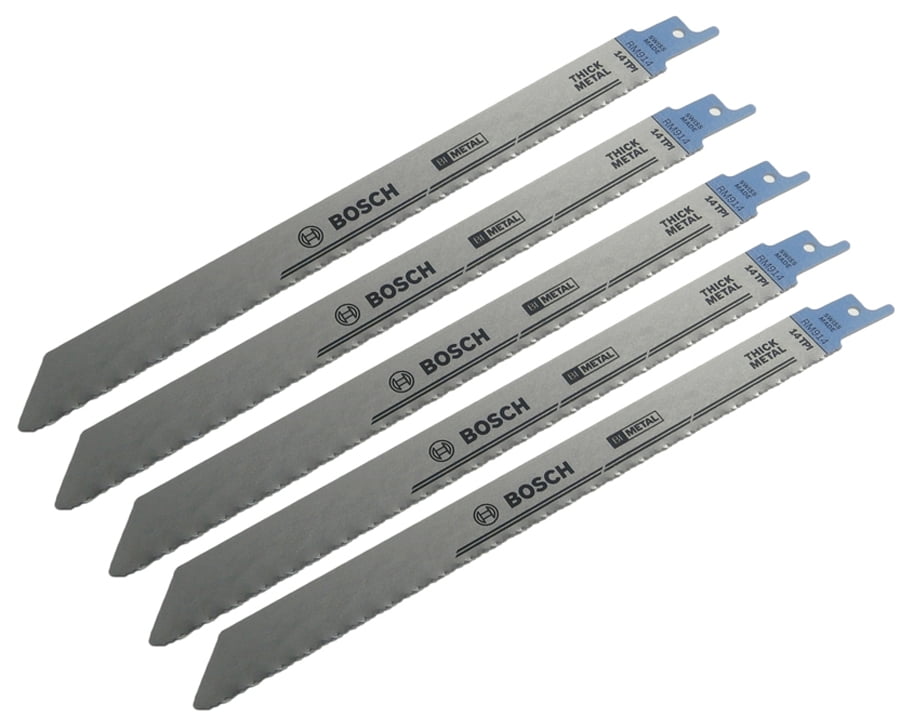
Then there’s Bi-metal. This is where things get a bit more interesting. Bi-metal blades combine the flexibility of a spring steel backing with the hardened teeth of HSS. This means they’re less likely to snap under pressure and can endure tougher jobs. They’re the multi-talented rockstars of the blade world, able to handle both hard and soft metals with grace. Imagine a perfectly balanced martini – sophisticated and strong.
For the really heavy-duty stuff, you might encounter Carbide Grit or Tungsten Carbide Tipped (TCT) blades. These are the elite athletes. Carbide is incredibly hard and can chew through materials that would make HSS blades weep. Think cast iron, thick steel pipes, or even tile and masonry if you’re feeling adventurous (though always check blade suitability for those!). These are for when you mean business, like tackling that old, rusted-out gate or repurposing some serious industrial scrap. These are your titanium dumbbells – pure power.
Teeth: The Key to Smooth Sailing (or Cutting)
Now, let’s talk teeth. No, not your dentist’s concern, but the sharp little nubs that do all the work. For metal cutting blades, the number of teeth per inch (TPI) is crucial. This is where that “finer teeth” thing comes in. Generally, for metal:
- Higher TPI (18-32 TPI): This is your go-to for thinner metals, like sheet metal, conduit, or thin-walled tubing. The fine teeth create a cleaner cut and prevent snagging. It’s like using a fine-grit sandpaper – smooth and precise.
- Medium TPI (10-14 TPI): Perfect for medium-thick metals, such as angle iron, rebar, or thicker pipes. They offer a good balance of speed and cut quality. Think of this as your medium-grit sandpaper.
- Lower TPI (6-8 TPI): While less common for general metal, these are sometimes used for thicker, softer metals where speed is prioritized over a super-fine finish. This is your coarse-grit sandpaper – gets the job done fast.
The rule of thumb? More teeth = cleaner, slower cut; fewer teeth = faster, rougher cut. Always try to have at least two teeth in contact with the material you’re cutting for the best results and to prevent the blade from getting ripped out of the material.
Picking Your Blade: A Practical Guide for Everyday Heroes
Okay, so you’re at the hardware store, staring at a wall of blades. What do you grab? Don’t panic! Let’s break it down with some real-world scenarios:
Scenario 1: The Weekend Warrior & the Scrap Heap
You’ve got a pile of old metal shelving, maybe some leftover fence posts. You want to break them down for recycling or repurposing. You’re not looking for surgical precision, just to get through it.

Your Best Bet: A Bi-metal blade with a TPI of around 10-14. It’s tough enough for the job, won’t snap easily, and will get through it reasonably quickly. Look for blades specifically marked for "demolition" or "medium metal." Brands like Diablo, Milwaukee, and DeWalt offer excellent options in this category.
Scenario 2: The Home Improver & the Thin Stuff
You need to cut through some EMT conduit for a new lighting setup, trim a thin metal door frame, or shorten some decorative metal trim. You want a relatively clean edge.
Your Best Bet: A Bi-metal or HSS blade with a TPI of 18-24. These will give you a smoother cut on thinner materials, minimizing the jagged edges you might get with a coarser blade. For really thin sheet metal, you might even go up to 24-32 TPI.

Scenario 3: The Serious DIYer & the Thick Steel
You’re tackling a bigger project, maybe cutting through thick steel pipe for a custom fabrication, or removing some serious rusted rebar. You need something that can really take a beating.
Your Best Bet: This is where you might consider a Bi-metal blade designed for thick metal, or even a Tungsten Carbide Tipped (TCT) blade if you’re frequently dealing with very hard materials like cast iron. Remember, these blades can be pricier, but they’ll save you a lot of frustration and time.
Tips for a Smooth Cutting Experience (and Keeping Your Fingers Intact!)
Using a recip saw with metal blades is all about finesse, not just brute force. Here are some pro tips to make your life easier:
- Secure Your Workpiece: This is non-negotiable. Use clamps to firmly hold the metal you're cutting. A loose piece is a recipe for disaster (and a potentially ruined blade). Think of it like securing your canvas before you start painting.
- Start Slow and Steady: Don’t just jam the blade into the metal. Let the saw do the work. Start with a lower speed setting if your saw has one, and let the teeth engage the material gradually. It’s about building momentum, not a sudden sprint.
- Lubrication is Your Friend: For tougher metals and to extend blade life, use a cutting fluid or lubricant. This helps reduce friction and heat, which can quickly dull and damage your blade. A little bit of cutting oil or even some WD-40 (for less demanding jobs) can go a long way. It’s like putting oil in your chain – keeps things running smoothly.
- Keep the Blade Moving: Avoid stalling the blade in one spot. Keep a consistent, controlled motion.
- Blade Alignment Matters: Ensure the blade is properly seated in the chuck and tightened securely. A wobbly blade is inefficient and dangerous.
- Cool Down: If you’re making a lot of cuts or cutting through tough material, let the blade and workpiece cool down periodically. Overheating can damage the blade's temper.
- Blade Choice is Key: We’ve covered this, but it’s worth repeating. Using the wrong blade for the material is the fastest way to frustration.
- Safety First, Always: Wear safety glasses, hearing protection, and sturdy gloves. Metal cutting can produce sparks and sharp debris. Be aware of your surroundings and keep bystanders at a safe distance. No amount of DIY glory is worth a trip to the ER.
Cultural Connections & Fun Facts
The reciprocating saw itself has a fascinating history. It was invented in 1948 by Josef Gensheimer and his partner Joseph P. Ryan, initially to cut bone in surgical operations! Talk about a dramatic career change. It wasn’t long before its demolition and construction potential was realized. It’s like a surgeon who became a rockstar – versatile!

And those blades? They’re a testament to material science. The evolution from simple steel to bi-metal and carbide-tipped marvels reflects our constant quest for better, faster, and more efficient tools. It’s a micro-level example of the technological progress we see all around us, from smartphones to space exploration.
Ever seen a movie scene where someone dramatically cuts through a metal pipe to escape a villain? Chances are, a reciprocating saw with a metal blade was involved. It’s become an iconic tool in popular culture, symbolizing quick problem-solving and a certain rugged capability.
A Final Thought on Blades and Life
It might seem like a small thing, a simple blade. But in the grand scheme of things, choosing the right tool for the job is a principle that extends far beyond the workshop. It’s about understanding the nuances of a task, appreciating the specialized design of a solution, and applying it with a bit of care and intention.
Just like you wouldn't try to cook a delicate soufflé with a spatula meant for flipping burgers, or expect deep philosophical insights from a pop song, using the right metal cutting blade for your reciprocating saw makes all the difference. It turns a potentially frustrating, difficult task into something manageable, even satisfying. It’s about efficiency, yes, but also about respect for the materials, the tools, and the process. And in a world that often feels chaotic and complex, finding that clarity and effectiveness in the simple act of cutting metal can be surprisingly grounding. It’s a small win, but sometimes, those are the most rewarding.