
Removal Of Rust From Stainless Steel
Ah, stainless steel. The unsung hero of our kitchens, the sleek backbone of our modern lives. From that trusty colander that’s seen more pasta than you’ve had hot dinners, to the gleaming handles on your favourite saucepan, it’s everywhere. It’s supposed to be… well, stainless! But even these culinary warriors aren’t immune to the occasional bout of rust. Don’t panic! It’s not a sign that your beloved stainless steel has given up the ghost. Think of it more as a minor character flaw, easily remedied with a little TLC.
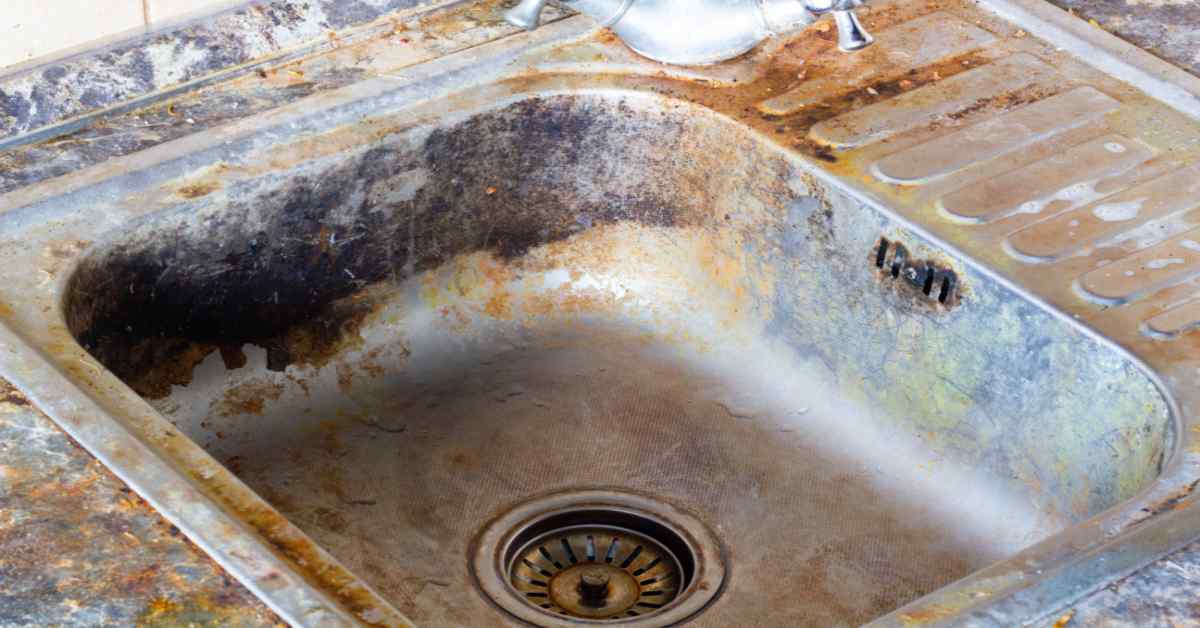
We’ve all been there. You pull out that favourite baking sheet, ready to whip up some cookies, and BAM! A few angry orange-red spots stare back at you. Or maybe it’s your sink, looking a little less than its best after a particularly enthusiastic dishwashing session. Before you start channeling your inner Martha Stewart and contemplating a full kitchen renovation, let’s take a breath and remember: it’s just rust. And we, my friends, are going to conquer it.
The Mystery of the Migrating Metal
So, how does rust even appear on something that’s supposed to be stainless? It’s a bit of a paradox, isn’t it? Well, the “stainless” in stainless steel is thanks to a thin, invisible layer of chromium oxide that forms on its surface. This layer is like a superhero shield, protecting the steel from the elements. However, this shield isn’t invincible.
Several things can chip away at its defense. One of the most common culprits is contact with other metals. Imagine leaving a cast-iron skillet or a metal utensil sitting in your stainless steel sink for too long. Tiny particles of iron can transfer and then, when exposed to moisture, they’ll rust. It's like a metal fling that leaves a rusty stain behind.
Another sneaky saboteur? Harsh chemicals or abrasive cleaners. While we want to keep our stainless steel sparkling, some cleaning products can be a bit too aggressive. Think bleach or oven cleaners – they can strip away that protective chromium layer. Then there are scratches. Even a tiny scratch can expose the underlying steel to moisture and oxygen, kickstarting the rusting process. It’s a tough world out there for a shiny surface!
And sometimes, it’s just plain old hard water. Those mineral deposits can create a surface where rust can take hold. It’s like finding a cozy little vacation spot for those pesky iron particles to set up camp.
Battling the Orange Menace: Your Easy-Peasy Guide
Now, let’s get down to business. You don’t need a chemistry lab or a miracle cure. We’re talking about simple, everyday solutions that are probably already in your pantry. Think of it as a gentle spa treatment for your stainless steel.
The Power of Paste: Baking Soda to the Rescue
This is your trusty sidekick, your culinary superhero in disguise. Baking soda is mildly abrasive and alkaline, making it perfect for gently lifting rust without scratching your precious steel.
How to use it: Mix baking soda with a little water to create a thick paste. Think of the consistency of toothpaste. Apply this paste directly to the rusty spots. Let it sit for about 15-30 minutes. For tougher spots, you can let it linger a bit longer. Then, grab a soft cloth or a non-abrasive sponge (this is key!) and gently scrub in the direction of the stainless steel’s grain. You’ll usually see those rust marks start to disappear like magic. Rinse thoroughly with water and dry immediately.
Fun Fact: Baking soda, or sodium bicarbonate, has been used for cleaning and deodorizing for centuries! It was a staple in ancient Egypt, where they used it for everything from mummification to cleaning their homes. Talk about a timeless classic!
Vinegar Vibes: The Acidic Approach
Another kitchen staple, white vinegar, is your secret weapon. Its acidity can break down rust stains effectively.
How to use it: For light rust, you can soak a cloth or paper towel in white vinegar and lay it over the affected area. Let it sit for 30 minutes to an hour. For more stubborn stains, you can mix equal parts vinegar and water and apply the solution. Gently scrub with a soft cloth or sponge. Again, always scrub with the grain. Rinse well with water and dry thoroughly.
Cultural Connection: Vinegar has a long and storied history, from its use in ancient Roman medicine to its role in preserving food. It’s a testament to the power of simple, natural ingredients. Think of it as a culinary chameleon, adapting to countless uses across cultures and eras.
Lemon Zest: A Citrusy Solution
Don’t have vinegar handy? No problem! The citric acid in lemons can also work wonders on rust.
How to use it: Cut a lemon in half. You can sprinkle a little baking soda onto the cut surface of the lemon and then rub it directly onto the rust spots. The slight abrasion from the baking soda combined with the acidity of the lemon is a dynamic duo. Let it sit for about 15-30 minutes, then gently scrub and rinse.
Fun Fact: Lemons were once so valuable in Europe that they were considered a status symbol and were used as decorative elements in gardens of the wealthy. Imagine a lemon as a diamond!
Commercial Cleaners: When All Else Fails (Or for Extra Oomph!)
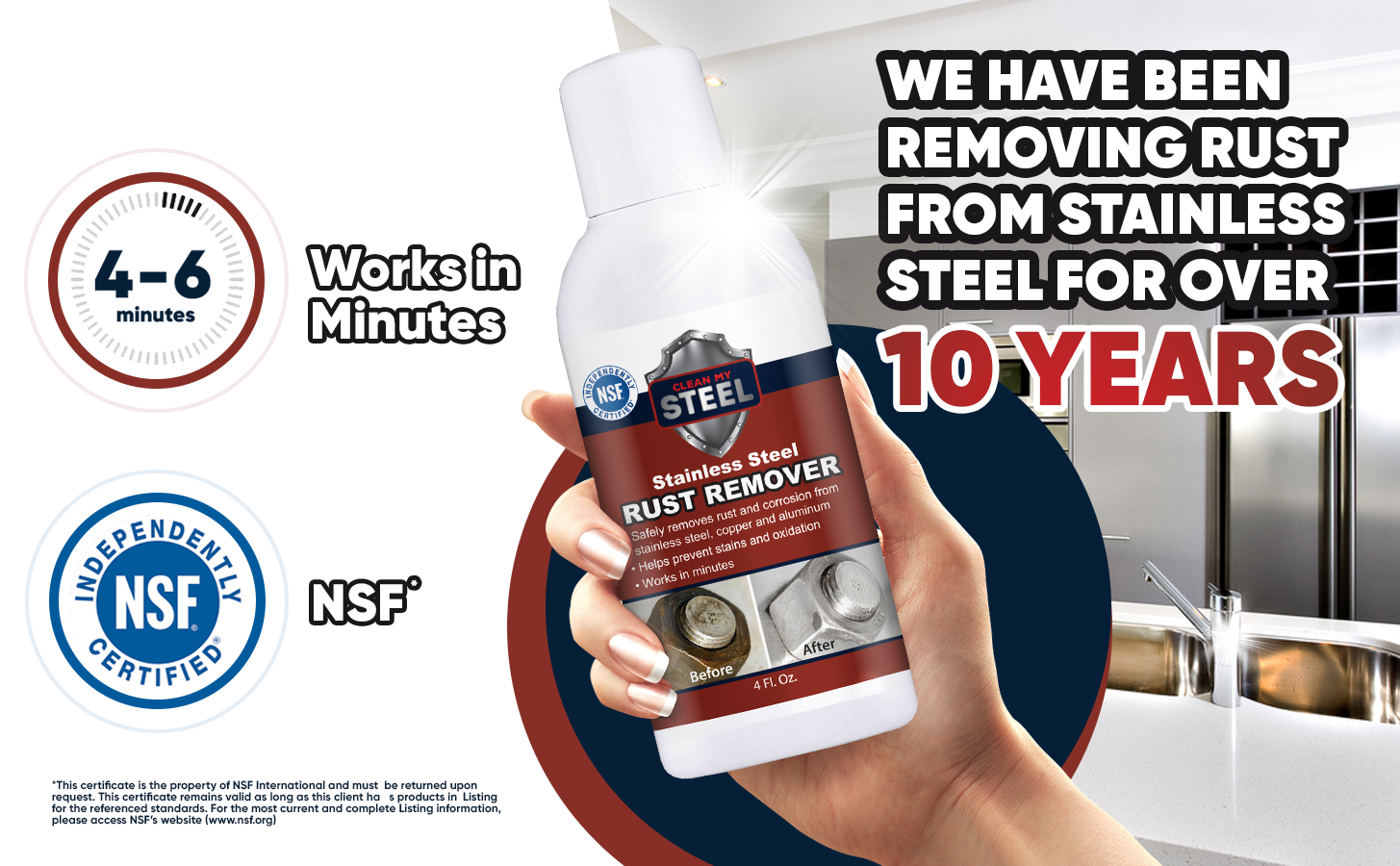
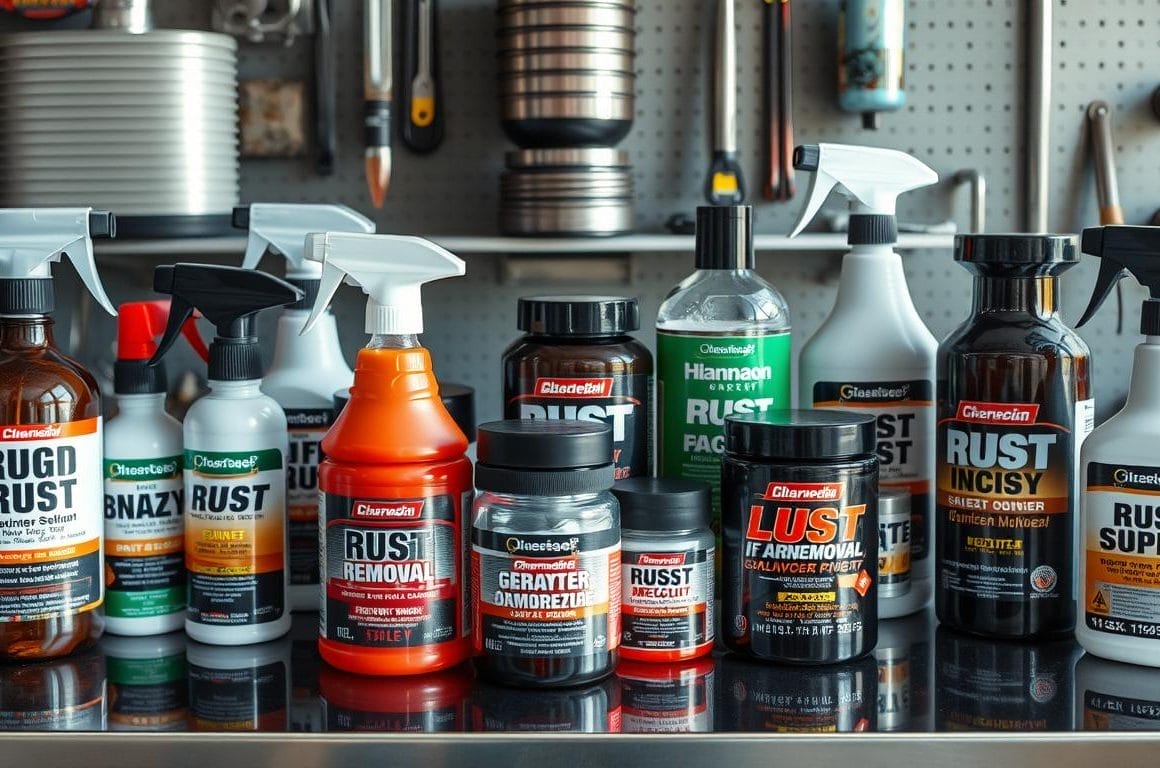
If you’ve tried the natural remedies and the rust is being particularly stubborn, there are specialized stainless steel cleaners and rust removers available.
How to use it: Always read the instructions carefully on the product packaging. These cleaners are designed to be effective, but you want to make sure you’re using them correctly. Many recommend applying the cleaner, letting it sit for a short period, and then gently wiping or scrubbing. Always test in an inconspicuous area first to ensure it doesn’t damage the finish. And, as always, rinse and dry thoroughly.
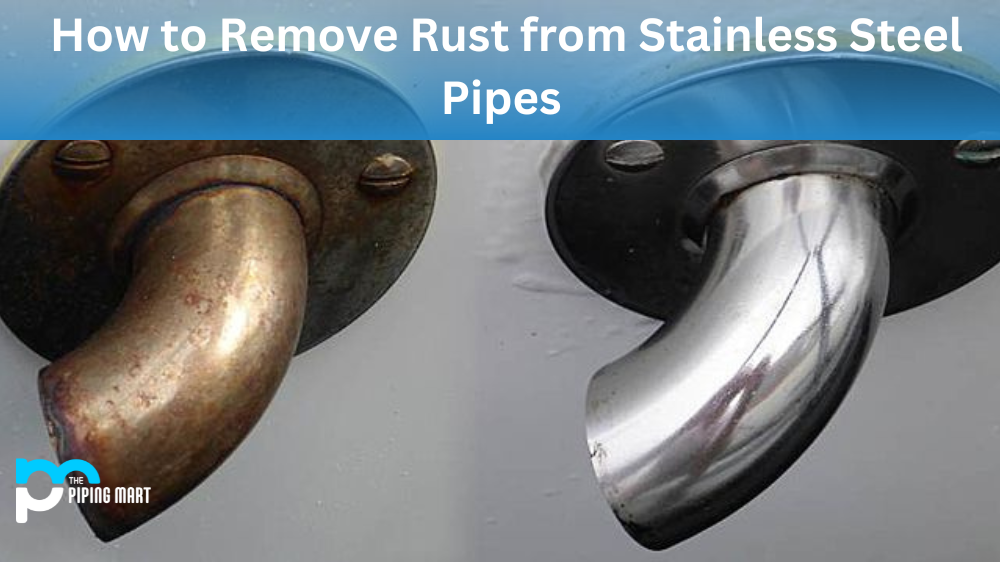
Pro Tip: Look for cleaners specifically labeled for stainless steel. Avoid harsh abrasives like steel wool or scouring pads, as these will definitely scratch your beloved surfaces.
Prevention is Key: Keeping Your Steel Spotless
The best offense is a good defense, right? Keeping your stainless steel looking its best is all about consistent, gentle care.
Rinse and Dry: This is perhaps the most crucial step. After each use, rinse your stainless steel items thoroughly and, most importantly, dry them immediately with a soft cloth. This prevents water spots and gives rust no chance to form. It's like tucking your steel into a cozy, dry bed.
Avoid Harsh Companions: Be mindful of what you place on or in your stainless steel. Don’t leave wet sponges, steel wool, or iron-containing items sitting on the surface. If you’re washing cast iron, do it separately or rinse and dry your sink immediately afterward. Think of it as social distancing for your metal.
Gentle Cleaning Routine: Stick to mild dish soap and water for everyday cleaning. For tougher grime, use those trusted baking soda or vinegar solutions. Avoid abrasive cleaners and scouring pads. When in doubt, go gentle.
The Grain Matters: When cleaning, always wipe or scrub in the direction of the grain. You can usually see faint lines on your stainless steel. Wiping against the grain can cause microscopic scratches that can trap dirt and lead to future issues. It’s like brushing your hair – you usually go with the flow, not against it.
Protective Polish: For an extra layer of shine and protection, you can use a specialized stainless steel polish or even a tiny bit of mineral oil. Apply a small amount to a soft cloth and buff in the direction of the grain. This not only makes it gleam but can also help repel water and fingerprints. It’s the equivalent of a little bit of moisturizer for your kitchenware.
A Word on Stainless Steel Grades
Did you know there are different grades of stainless steel? Most kitchenware is made from 18/8 or 18/10 stainless steel. The numbers refer to the chromium and nickel content, which contribute to its corrosion resistance. While these are generally very durable, even they can be susceptible to rust under certain conditions. So, don’t feel like you’ve bought an inferior product if you spot a rust mark – it’s just part of the stainless steel experience!
A Reflection on Resilience
It's funny, isn't it? We strive for perfection in our homes, for that immaculate, unblemished shine. But life, and even our trusty kitchen tools, aren't always perfect. Rust on stainless steel, while annoying, is a small reminder of this. It’s a sign that our things are used, loved, and engaged in the daily theatre of life.
And just like we can gently buff away those orange marks, we can approach the little imperfections in our own lives with a similar spirit. A deep breath, a practical solution, and a gentle touch can go a long way. So, the next time you see a rust spot, don’t despair. See it as an opportunity for a little restorative care, a chance to bring back the shine, and a gentle reminder that even the most resilient surfaces need a little attention now and then. It’s all part of the beautiful, slightly-less-than-perfect tapestry of our everyday existence. And that, in its own way, is pretty wonderful.