
Remove Coffee Stain From Stainless Steel Mug

Ah, the trusty stainless steel mug. It’s seen us through countless early mornings, late-night study sessions, and that vital midday pick-me-up. It’s the unsung hero of our daily ritual. But let’s be honest, after a particularly enthusiastic coffee session, a tell-tale ring can sometimes make its unwelcome appearance. That stubborn, brown testament to our caffeine devotion. Don't fret, fellow java enthusiasts! Banishing those coffee stains from your beloved stainless steel mug is far easier than navigating the labyrinthine depths of a Starbucks menu on a Monday morning.
We’re talking about a little bit of gentle persuasion, a touch of household wizardry, and a whole lot of reclaiming your mug’s pristine glory. Because, let’s face it, a sparkling mug just makes that first sip feel a little bit better. It’s like putting on your favorite, perfectly broken-in t-shirt – instantly comforting and just right.
Think of your stainless steel mug as a reliable sidekick. It’s tough, it’s durable, and it’s always there for you, no matter the brewing method. From a quick pour-over to a fancy espresso shot, it handles it all with unwavering stoicism. But even the strongest heroes have their weaknesses. In this case, it’s those persistent coffee pigments that can leave their mark. But fear not, for we have the simple, effective solutions at our fingertips.
The Gentle Approach: Baking Soda to the Rescue
Our first line of defense, and often the most effective, is the humble baking soda. This pantry staple is a true multi-tasker, capable of everything from leavening cakes to polishing silver, and yes, tackling those pesky coffee stains. It’s like the Swiss Army knife of your kitchen cleaning arsenal.
Here’s the drill: For a moderately stained mug, simply sprinkle a generous tablespoon of baking soda into the bottom. Then, add a few drops of warm water to create a paste. Think of it as a mini spa treatment for your mug. Gently rub the paste around the stained areas with a soft cloth or sponge. No harsh scrubbing here; we’re aiming for finesse, not a wrestling match.
Let this magical paste sit for about 10-15 minutes. This gives the baking soda ample time to work its gentle abrasive magic, lifting those coffee pigments without scratching the stainless steel. It’s like letting a good book soak in – the longer it sits, the richer the experience (and the cleaner the mug!).
After its little R&R session, rinse the mug thoroughly with warm water. You’ll likely see a dramatic improvement. For those particularly stubborn rings, you might need to repeat the process or apply a little more elbow grease (but still, gentle grease!).
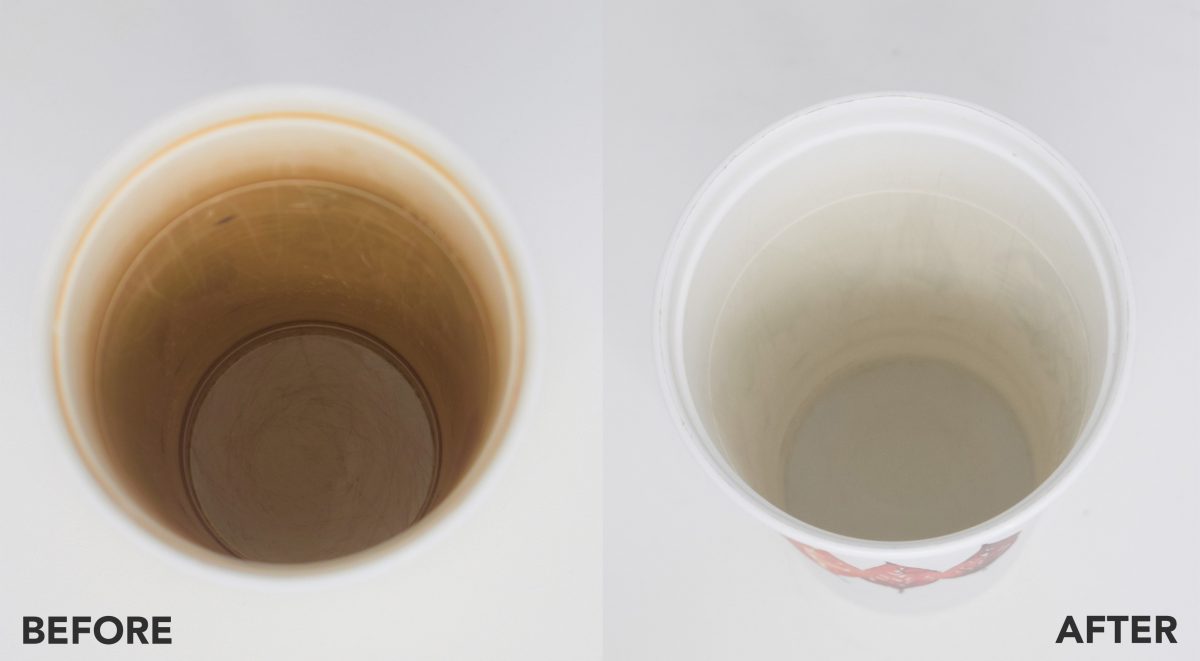
Pro-Tip: If you’re feeling fancy, add a squeeze of lemon juice to the baking soda paste. The citric acid in lemon adds an extra cleaning boost, and it leaves a delightful, subtle citrus scent. It’s the little touches that make everyday chores feel a bit more… well, less like a chore!
Vinegar: The Acidic Ally
Another kitchen champion, white vinegar, is a fantastic natural cleaner. Its acidity can break down the organic compounds that make up coffee stains. It’s a classic for a reason, folks. Think of it as a mild chemical peel for your mug, but way less painful and infinitely more satisfying.
For a more ingrained stain, pour about a quarter cup of white vinegar into your mug. Then, add a cup of hot (but not boiling) water. Let this mixture sit for at least 30 minutes, or even a few hours for tougher stains. The longer it soaks, the more effectively it will dissolve the stain.
Alternatively, you can create a vinegar and baking soda concoction. Start with the baking soda paste as described above, then add a tablespoon or two of white vinegar. You’ll get a satisfying fizzing reaction, which is the vinegar and baking soda working together. Let that fizz and work its magic for about 15 minutes before rinsing.
Cultural Connection: Vinegar has been a cleaning agent for centuries. Ancient Romans used it to clean their homes and even as a disinfectant. So, when you’re tackling a coffee stain with vinegar, you’re tapping into a long and storied history of clean living!

After the vinegar soak, rinse your mug thoroughly with warm water to ensure no vinegar residue remains. The goal is a clean mug, not one that tastes vaguely like a salad dressing.
Dish Soap: The Daily Driver
Sometimes, the simplest solutions are the most overlooked. Your everyday dish soap can be surprisingly effective, especially for fresh stains or as a follow-up to the baking soda or vinegar treatments.
The key here is to use a good quality dish soap that has degreasing properties. Squirt a decent amount into the mug, add a little warm water, and get to scrubbing with a non-abrasive sponge or cloth. Pay attention to the stained areas.
For those really tricky bits, a soft-bristled brush (like an old toothbrush you’ve dedicated to cleaning duty) can be incredibly useful for getting into the nooks and crannies. Think of it as a tiny, dedicated cleaning crew for your mug’s interior.
Fun Fact: The invention of liquid dish soap in the 1940s revolutionized dishwashing. Before that, people relied on powders and pastes, making the chore a lot more labor-intensive!
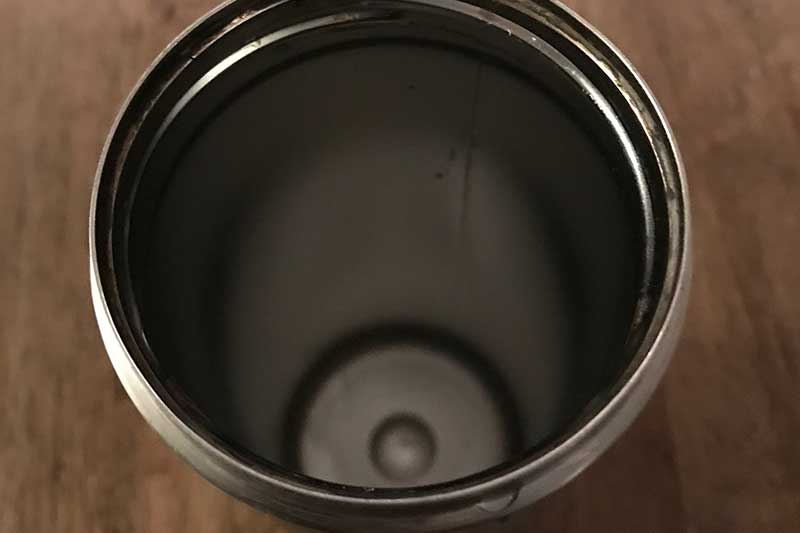
Rinse thoroughly and admire your handiwork. This is your go-to for daily maintenance, keeping those stains at bay before they have a chance to become a real problem.
The "Heavy Duty" Option: Cream of Tartar
For those truly stubborn, set-in stains that seem to mock your cleaning efforts, it's time to bring out the big guns: cream of tartar. This powdered form of tartaric acid, often found in the baking aisle, is a powerful stain remover.
Mix about two tablespoons of cream of tartar with a few drops of water to form a thick paste. Apply this paste generously to the stained areas of your mug. Like with baking soda, let it sit for a good 15-20 minutes to allow the cream of tartar to break down the pigments.
Gently scrub with a soft cloth or sponge. You should notice a significant difference. Rinse well afterward. This method is best reserved for when other methods haven't quite done the trick.
Pro-Tip: If you don't have cream of tartar, but you do have lemon juice and baking soda, you can create a similar effect by making a strong lemon juice paste with baking soda. It might require a bit more scrubbing, but the acidity and abrasive qualities can still be effective.

A Note on What to Avoid
While it might be tempting to reach for the steel wool or abrasive scouring pads, I implore you, for the love of your mug, to resist! Stainless steel, while durable, can still be scratched. A scratched mug not only looks less appealing but can also create tiny crevices where bacteria can hide. We’re aiming for clean and shiny, not battle-scarred and potentially unsanitary.
Harsh chemical cleaners can also be a no-go. Many are too aggressive for stainless steel and can leave behind residues or even damage the protective layer of the metal. Stick to the natural, gentle methods, and your mug will thank you for it.
Preventative Measures: Coffee Stain Warriors
The best offense, as they say, is a good defense. So, how can we prevent those coffee stains from becoming a recurring nightmare?
- Rinse Immediately: This is perhaps the single most important tip. As soon as you’ve finished your beverage, give your mug a quick rinse with warm water. This prevents the coffee from drying and setting into the steel. It takes mere seconds and can save you a lot of scrubbing later.
- Regular Washing: Don't let your mugs languish in the sink for days. Wash them regularly with dish soap and warm water. It’s a small commitment that yields big results.
- Occasional Deep Clean: Even with daily washing, a monthly soak with baking soda and water or a quick vinegar rinse can keep your mugs in top-notch condition.
- Consider a Mug Liner (if you're truly a stain-avoider): While this is a bit more extreme, some people opt for reusable silicone mug liners that can be easily washed and removed, protecting the interior of their stainless steel mugs. This is for the truly dedicated stain-averse individual!
The Ritual of the Clean Mug
There’s a certain meditative quality to the act of cleaning your coffee mug. It’s a small, tangible task that offers an immediate sense of accomplishment. As you rinse away the last traces of coffee, you’re not just removing a stain; you’re preparing for the next moment of comfort and rejuvenation your mug will provide. It’s a little act of self-care, a quiet ritual that grounds us in our day.
Think about it: the warmth of the mug in your hands, the aroma of the fresh brew, the satisfying sip. A clean mug elevates that entire experience. It’s a small detail, but in the grand tapestry of our daily lives, these small details often make the biggest difference. So, embrace the process, experiment with the methods, and enjoy the simple pleasure of a sparkling clean stainless steel mug. It's ready for its next adventure, and so are you.