
Remove Paint From Stainless Steel
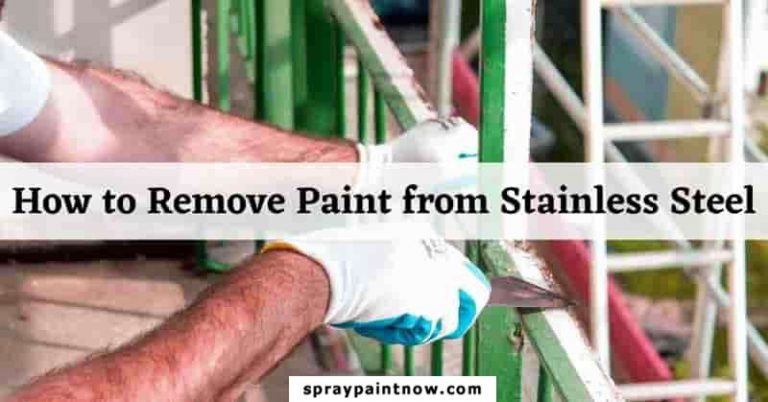
Hey there, my fellow stainless steel warriors! Ever had one of those days where you’re just trying to give your trusty stainless steel appliances or cookware a little spruce-up, and BAM! You accidentally splattered some paint on it? Ugh, the bane of every kitchen’s existence, right? Don’t you worry your pretty little head about it, though. We’ve all been there, staring at that unwelcome blotch of color like it’s personally offended us. But guess what? Removing paint from stainless steel is totally doable, and it doesn't have to involve a full-blown industrial cleaning operation. Think of me as your friendly neighborhood cleaning guru, ready to spill the beans (or the cleaning solution, as it were) on how to get your steel back to its glorious, shiny self.
So, first things first. Take a deep breath. It’s not the end of the world. In fact, it’s just a little adventure in stain-busting! Stainless steel is pretty tough stuff, but like all of us, it has its limits. And paint? Well, paint is like that clingy ex that just won’t leave you alone. But we’re going to show it the door, gently but firmly.
Let’s talk about the type of paint you’re dealing with. This is kinda like knowing your enemy. Is it water-based paint, like latex or acrylic? Or is it the more stubborn oil-based stuff? Knowing this will make our mission a whole lot easier. If you’re not sure, don't panic. We have methods for both!
The Gentle Approach: For Fresh, Water-Based Woes
Alright, if you’ve just discovered a fresh paint spill – maybe from a DIY project gone slightly awry (we've all had those!), and it looks like watercolor on your beloved toaster – you’re in luck! This is the easiest scenario. Think of it like trying to wipe up spilled juice. You wouldn’t bring out the bazooka for that, right?
Your first line of defense is going to be warm, soapy water. Yep, the classic! Grab a soft cloth or sponge (no scrubbing pads that will scratch your shiny friend, please!), dampen it with warm water, and add a little bit of dish soap. Gentle is key here. Start by gently wiping the paint. For fresh latex or acrylic, it should come off pretty easily, almost like a watercolor painting that hasn’t dried yet. You’re just coaxing it away, not wrestling it into submission.
If the paint is still a little wet, you might be able to just wipe it up with a damp paper towel. It’s like a quick little band-aid for your stainless steel. No biggie. Just be sure to rinse and dry the area afterward to prevent water spots. We want that mirror shine, remember?
Sometimes, even with warm soapy water, you might have a tiny bit of residue left. No worries! A little bit of rubbing alcohol (also known as isopropyl alcohol) can work wonders here. Just put a little on a clean cloth and gently rub the stubborn spot. It’s like a gentle nudge for the paint to pack its bags and leave. Again, rinse and dry to keep that gleam!

Why does this work?
Warm water helps to soften the paint, making it more pliable. Dish soap acts as a degreaser and helps lift the paint particles. Rubbing alcohol is a solvent that can break down many water-based paints without being too harsh on the stainless steel.
Pro Tip: Always test any cleaning solution on an inconspicuous area first, just in case. We’re aiming for clean, not a new, unintended patina! This is especially important if your stainless steel has a special coating.
When Things Get a Little More Serious: Tackling Stubborn Stains
Okay, so the paint has decided to set up camp. It’s dried. It’s hardened. It’s basically a tiny, unwanted sculpture on your fridge. Don’t despair! This is where we bring out some slightly more robust (but still friendly!) tools. For dried latex or acrylic paint, and especially for oil-based paints, we need to escalate our efforts a notch.
My go-to for slightly more stubborn dried paint is often a baking soda paste. It's like nature's gentle abrasive. Mix baking soda with a little bit of water to create a paste – think the consistency of toothpaste. Apply this paste directly to the painted area. Now, here’s the crucial part: let it sit for a bit. Let it do its thing for about 10-15 minutes. It’s like giving it a little spa treatment, allowing it to soften up the paint.
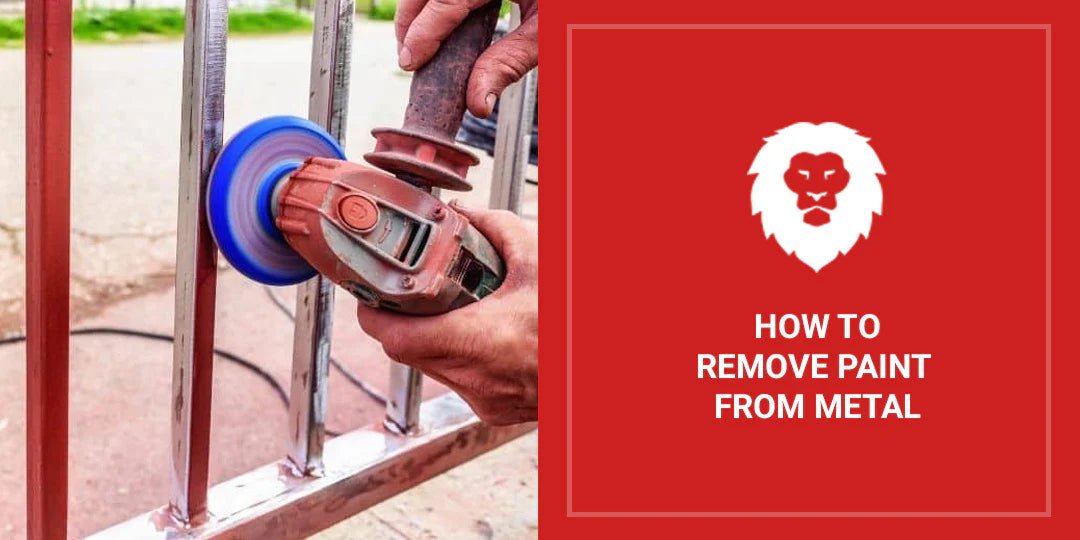
After it’s had its soak, gently rub the area with a soft cloth or a non-abrasive sponge. The baking soda provides a mild scrubbing action without scratching the stainless steel. You might need to repeat this process a couple of times for really stubborn spots. Patience is your superpower here, my friend!
If that doesn’t quite do the trick, or if you’re dealing with a particularly tenacious oil-based paint, we might need to consider a gentle solvent. And when I say gentle, I mean gentle. Things like mineral spirits or Goo Gone are often recommended. However, you MUST be careful here.
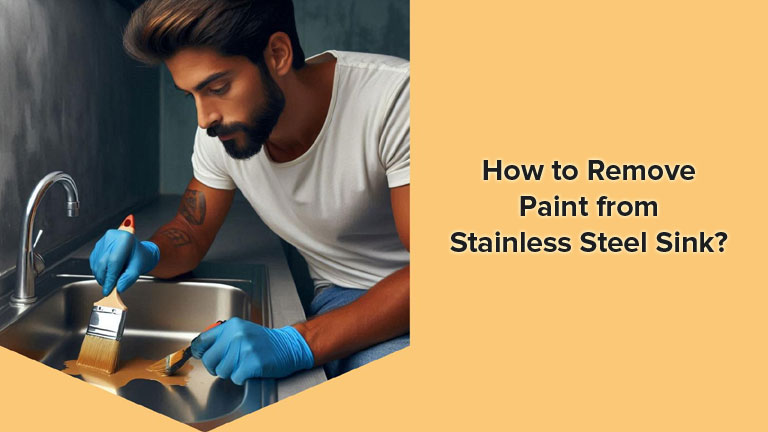
Apply a small amount of your chosen solvent to a clean cloth. Do NOT pour it directly onto the stainless steel. Then, gently dab and rub the painted area. Work in small sections. You’re trying to dissolve the paint, not strip the stainless steel’s finish. Once the paint starts to loosen, wipe it away immediately with a clean cloth. You’ll likely need to follow up with warm, soapy water to remove any residue from the solvent, and then rinse and dry thoroughly. Seriously, rinse and dry like you’re getting ready for a magazine photoshoot!
A Word of Caution on Solvents
Solvents can be powerful. Always, always ventilate the area well when using them. Open your windows, turn on your fan, let that fresh air in! Also, as mentioned, test in an inconspicuous spot first. We don’t want to cause more problems than we’re solving, right? Some specialty stainless steel finishes might react to certain solvents, so a little patch test goes a long way.
And please, please, please, read the product instructions carefully. They’re there for a reason, and they’re usually written by people who know more about that specific product than I do (which is saying something, I’m practically a cleaning ninja now!).
The "Oh No, It's Really Stuck On There" Scenario
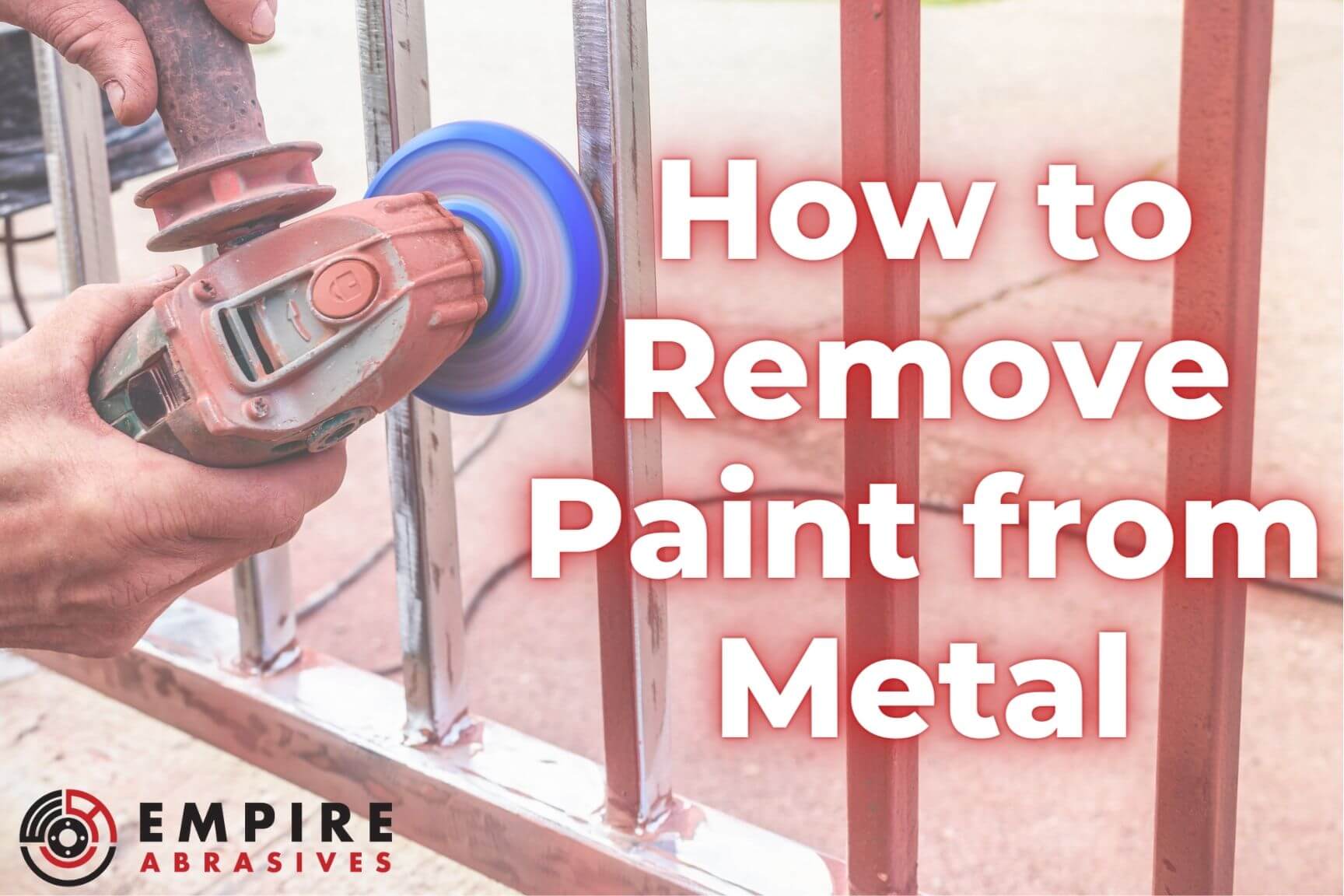
Sometimes, you might encounter a paint job that’s so determined to stay put, it’s practically bolted on. This is where things can get a little dicey, and you need to be extra cautious. For these incredibly stubborn, paint-welded situations, you might be tempted to reach for something abrasive. And I’m here to tell you to resist the urge!
Using steel wool, abrasive scouring pads, or even very coarse sandpaper is a big NO-NO for stainless steel. While they might get the paint off, they’ll also leave behind unsightly scratches that will make your appliance look like it’s been through a bar brawl. And who wants a scratched-up appliance? Nobody, that’s who.
Instead, if the baking soda paste and gentle solvents aren’t cutting it, you might need to consider a specialized paint remover designed for metal surfaces. Look for something that explicitly states it's safe for stainless steel. Again, testing in a hidden spot is non-negotiable. Apply it according to the product’s instructions, usually involving applying it, letting it sit for a short time, and then gently scraping with a plastic scraper or credit card (not metal!). The plastic is key to avoiding scratches.
After the paint is off, you’ll still need to clean the area thoroughly with warm, soapy water to remove any residue from the paint remover. Then, a good rinse and a thorough dry are essential. You might even want to follow up with a stainless steel polish to bring back that beautiful sheen. It’s like putting a protective, shiny coat of armor back on your appliance!
What NOT to Do (Seriously, Don't Do It!)
- Don't use abrasive cleaners or scouring pads. Seriously, put them down. Your stainless steel will thank you.
- Don't use harsh chemicals like oven cleaner or bleach directly on stainless steel. These can damage the surface.
- Don't try to scrape off dried paint with metal knives or razor blades. Unless you enjoy the look of scratched metal, that is.
- Don't soak large areas of stainless steel for extended periods. Especially with water, as this can lead to water spots or even minor corrosion if left untreated.
Think of your stainless steel as a beautiful, sophisticated friend. You wouldn't scrub your friend with a brillo pad, would you? Treat your appliances with the same respect!
The Final Polish: Bringing Back the Shine
Once you’ve successfully banished the paint and any lingering residue, it's time for the grand finale: restoring that magnificent shine. A little bit of stainless steel cleaner and polish can work wonders. Apply a small amount to a soft cloth and wipe in the direction of the grain of the stainless steel. You'll be amazed at how quickly it transforms from "meh" to "WOW!"
If you don't have a dedicated stainless steel polish, a tiny dab of olive oil or mineral oil on a clean cloth can also bring back a nice sheen. Just remember to use it sparingly, and buff it in well to avoid a greasy finish. It's like giving your stainless steel a luxurious spa treatment after a tough day.
And there you have it! Your stainless steel is back to its pristine, gleaming glory. You conquered the paint monster! You are officially a stainless steel superhero. Give yourself a pat on the back. You deserve it.
So, the next time you see a rogue splash of paint on your beloved stainless steel, don't let it ruin your day. Remember these simple, friendly tips, and you'll be able to tackle it with confidence. It's all about knowing the right techniques and treating your surfaces with a little bit of love and care. Go forth and shine, my friends! Your sparkling stainless steel awaits!