
Remove Sticker Residue From Stainless Steel
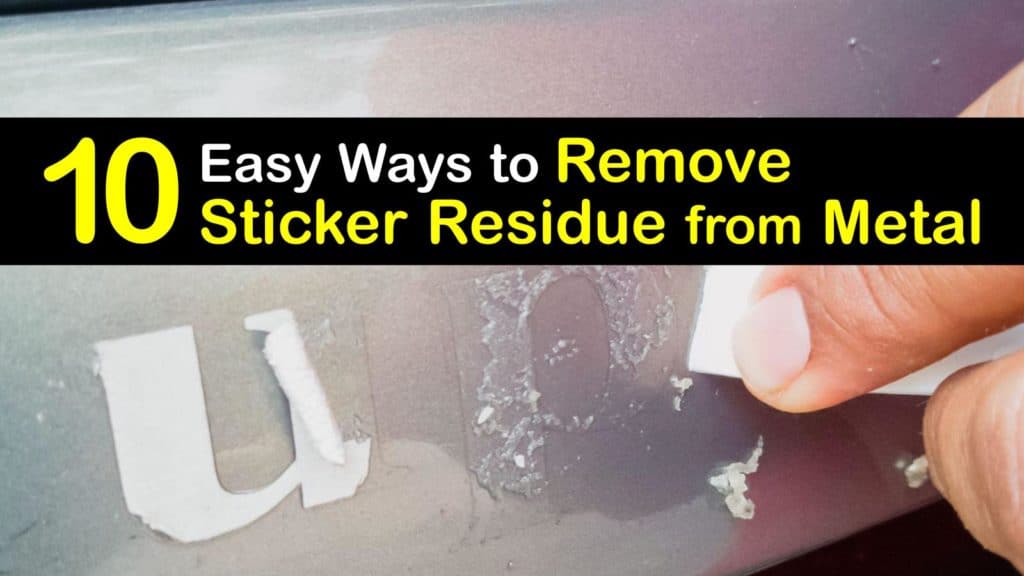
Ah, stainless steel! It’s the superhero of our kitchens, gleaming and durable, resisting stains and looking effortlessly chic. From your trusty refrigerator to your sleek new toaster, it’s everywhere. But then, the sticker incident strikes! You know the one – that stubborn, gummy residue left behind after removing a label, mocking your attempts at pristine shine. Don’t despair, fellow stainless steel aficionados! This isn't just about cleanliness; it’s about restoring that satisfying, fingerprint-free perfection that makes your appliances shine like new. It’s a mini-victory, a small act of defiance against the sticky tyranny of labels, and honestly, pretty darn satisfying when you nail it.
The purpose of tackling sticker residue on stainless steel is beautifully simple: to reclaim the aesthetic appeal and hygienic surface of your beloved appliances. That sticky gunk isn't just unsightly; it can attract dust and grime, making your otherwise spotless kitchen look a little… off. Plus, who wants to run their hand over a gummy patch every time they grab a carton of milk? The benefits are immediate and delightful. Imagine that satisfying swoosh as you wipe away the last of the tackiness, revealing a smooth, unblemished surface. It’s about maintaining the value and appearance of your home, and it’s surprisingly empowering to know you can conquer these everyday little annoyances with a few simple tricks.
So, how do we banish these sticky ghosts? Let’s explore some tried-and-true methods that are as effective as they are easy. Forget harsh chemicals that might scratch or dull your precious steel. We’re going for gentle persuasion here, the kind that gets the job done without causing any collateral damage.
The Gentle Approach: Warm Water and Dish Soap
Before we dive into the more potent solutions, always start with the mildest option. For many freshly applied stickers or less tenacious residues, a good old-fashioned soak can work wonders. Fill a sink or a bowl with warm water and add a few drops of your favorite dish soap. Soak a soft cloth or sponge in this mixture and gently rub the residue. Sometimes, this is all it takes to loosen up that sticky mess. For slightly more stubborn spots, let the damp cloth sit on the residue for a few minutes to let the warmth and soap do their magic. Then, give it a good rub. Always remember to wipe down the area with a clean, damp cloth afterwards to remove any soap suds, and then dry thoroughly with a soft microfiber towel to prevent water spots. This step is crucial for that signature stainless steel sparkle!

The Oily Solution: Cooking Oil or Olive Oil
This might sound counterintuitive – using oil to remove sticky residue? But trust us, it’s a classic for a reason! Oils are fantastic at breaking down adhesives. Apply a small amount of cooking oil (like vegetable or canola oil) or olive oil directly onto the sticker residue. Let it sit for 5-10 minutes. The oil penetrates the adhesive, making it less sticky and easier to scrape away. Once it’s had time to work its magic, use a soft cloth or a plastic scraper (never metal, as it can scratch!) to gently lift the residue. You might need to apply a little elbow grease, but you’ll see it start to come away. After you’ve removed the bulk of the residue, you’ll need to clean the oily film left behind. This is where our friend, dish soap, comes back into play. Wash the area with warm water and dish soap, rinse thoroughly, and dry with a microfiber cloth. The result? A perfectly clean and streak-free surface.
The Acetic Ace: Vinegar
White vinegar is another household hero when it comes to cleaning, and it's surprisingly effective on sticker residue. The acetic acid in vinegar helps to break down the adhesive. Soak a paper towel or a soft cloth in white vinegar and place it over the sticky patch. Let it sit for about 10-15 minutes. The longer it soaks, the better it will work. After the soaking period, gently rub the residue with the vinegar-soaked cloth or use a plastic scraper. Like the oil method, you’ll want to clean the area afterwards with warm water and dish soap to remove the vinegar scent and any lingering residue. A final polish with a dry microfiber cloth will leave your stainless steel looking immaculate.

The Slightly More Robust Approach: Rubbing Alcohol
For those really stubborn, baked-on residues that seem to defy all other methods, rubbing alcohol (isopropyl alcohol) can be a lifesaver. It’s a solvent that’s excellent at dissolving adhesives. Dampen a cotton ball or a soft cloth with rubbing alcohol and gently rub the residue. You should see it start to break down and lift away quite easily. Be sure to work in a well-ventilated area. Once the residue is gone, rinse the area with water and dry it thoroughly. A word of caution: while generally safe for stainless steel, it’s always a good idea to test rubbing alcohol on an inconspicuous spot first, especially if your appliance has a special coating. But for most standard stainless steel finishes, it’s a powerful and effective option.

Pro Tips for a Sparkling Finish:
No matter which method you choose, remember these golden rules for stainless steel care. Always rub with the grain of the steel, not against it, to avoid unsightly scratches. After cleaning, a good polish with a dedicated stainless steel cleaner or even a bit of mineral oil can bring out an incredible shine and help repel fingerprints for a while. And of course, always, always dry your stainless steel surfaces thoroughly after cleaning. Water spots are the nemesis of a perfect shine, and a good buffing with a soft, dry microfiber cloth is your best defense.
Conquering sticker residue on stainless steel isn't a chore; it’s a satisfying ritual that keeps your kitchen looking its best. With these simple, accessible methods, you can banish those sticky remnants and enjoy the pristine gleam of your appliances once more. Happy cleaning!