
Rotating Telescope Tube Rings

Hey there, fellow stargazers and tinkering enthusiasts! Ever feel like your trusty telescope is giving you the ol' "neck strain" treatment? You know, that awkward contortion act you have to perform just to catch a glimpse of Jupiter's moons or the dusty rings of Saturn? Well, have I got a little secret weapon for you: rotating telescope tube rings!
Now, before you picture some sort of sci-fi spaceship gadget (though, let's be honest, that would be pretty cool!), these are actually a wonderfully simple and incredibly useful modification for your telescope. Think of them as fancy, swiveling holders that let your telescope tube, well, rotate! Revolutionary, right?
So, what's the big deal, you ask? Imagine this: you've got your telescope all set up, pointing at that tantalizing nebula you've been wanting to explore. You've painstakingly aligned your finder scope and you're finally ready to feast your eyes on celestial wonders. But then, tragedy strikes! Your focuser is pointing straight down, forcing you to lie on your back like a confused turtle trying to see the sky. Or perhaps it's jammed at an awkward angle, making you feel like you're trying to thread a cosmic needle with a bent paperclip. Sound familiar? Yeah, been there, done that, got the astronomical t-shirt.
This is where our unsung heroes, the rotating rings, swoop in to save the day. They basically allow you to spin your telescope tube independently of your mount. It's like giving your telescope a little wiggle room, a bit of personality, and a whole lot of ergonomic relief. No more awkward yoga poses under the night sky!
The Nitty-Gritty: What Exactly Are We Talking About?
Okay, so let's get a little more specific without getting bogged down in jargon. Most telescopes, especially refractors and Cassegrains, have a main tube that holds the optics. This tube is usually attached to the mount at two points. These attachment points are often fixed, meaning the tube can only move up and down and side to side along with the mount.
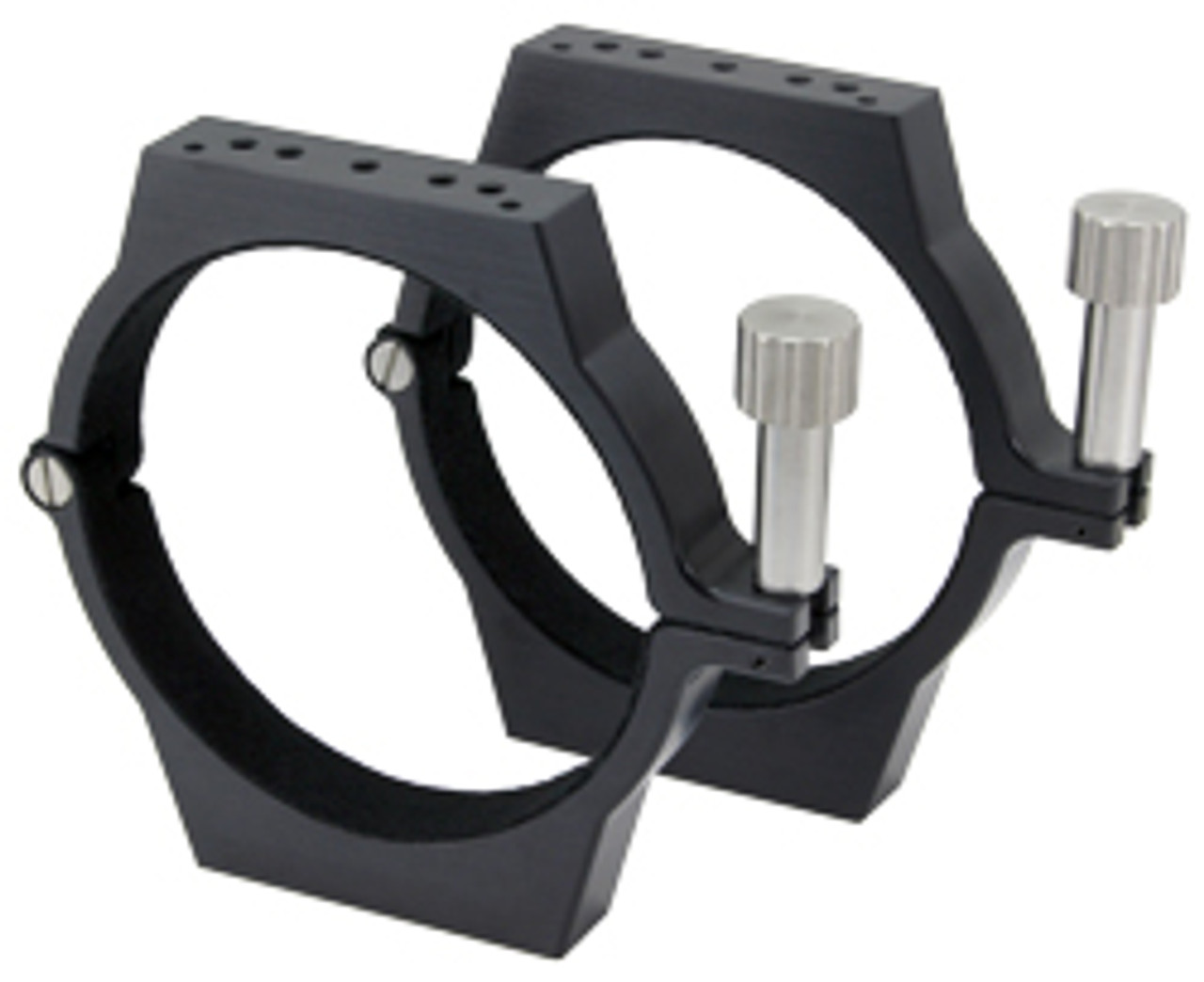
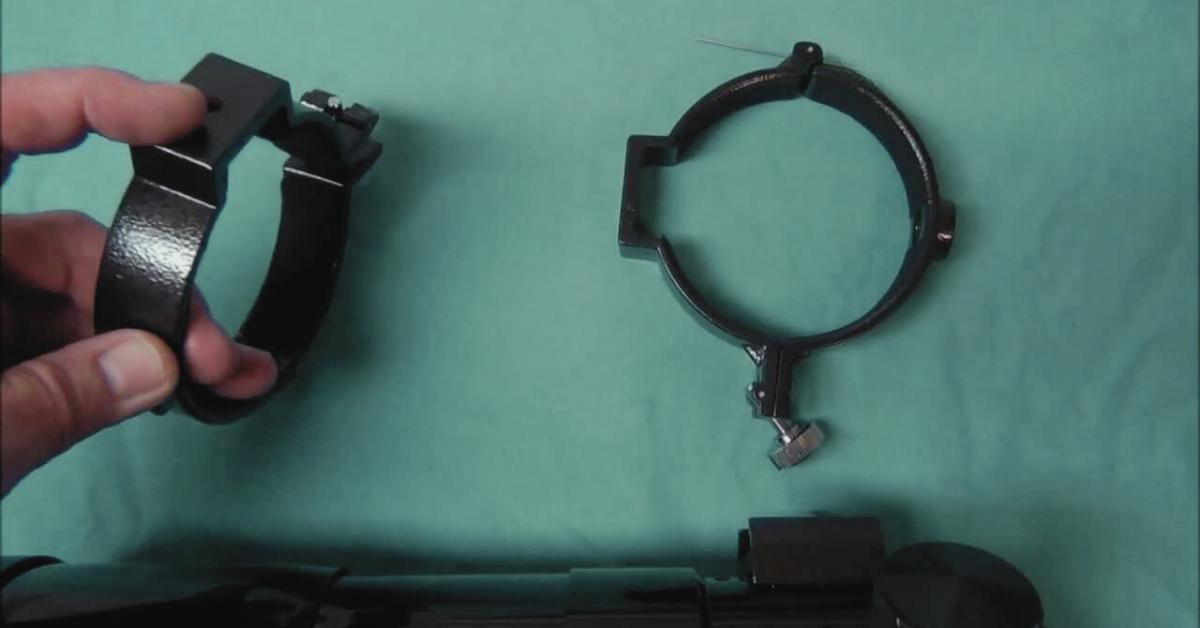
Rotating rings, on the other hand, replace those fixed attachment points (or are added to them) with a mechanism that allows the tube to be rotated. Usually, this involves a circular ring that clamps around your telescope tube, and then this ring is attached to your mount. The magic happens because the ring can turn smoothly around the tube, while still being securely held by the mount. It's like a smooth jazz solo for your telescope!
Think of it like the swivel on a fancy office chair. You can spin around without moving the base, right? It's that kind of freedom, but for your precious optical instrument. This little bit of extra articulation can make a world of difference in your observing sessions.
Why Should You Care? (Besides Avoiding Turtle-Pose)
The benefits of rotating rings are numerous, and honestly, once you experience them, you’ll wonder how you ever lived without them. Let's break down the awesomeness:
1. Comfort is King (or Queen!)
This is probably the biggest win. Imagine observing from a seated position. If your focuser is angled awkwardly, you’ll be constantly craning your neck or trying to shift your entire body. With rotating rings, you can simply rotate the tube so the focuser is in a comfortable position, allowing you to stay settled and relaxed. Your neck will thank you. Your back will thank you. Your sanity will thank you.
Think about observing something high up, like Polaris. Without rotating rings, you might be stuck in a rather uncomfortable position, especially if you're using a refractor with a straight-through focuser. Now, picture being able to spin that tube just a bit, so the focuser is pointing more towards you. Bliss!
2. Easier Eyepiece Swapping
We all love our eyepieces, those little windows to the universe. But sometimes, swapping them out can be a bit of a fumbling affair, especially if you’re reaching around the side of the tube. Rotating rings make this process so much smoother. You can easily position the focuser for optimal access, making those quick eyepiece changes a breeze.
No more dropping eyepieces into the dew-covered grass because you couldn't quite get a good grip. It’s all about making your observing session as seamless and enjoyable as possible. Every second saved not wrestling with your equipment is a second spent gazing at the stars. And who wouldn't want more of that?
3. Improved Photography Workflow
If you’re into astrophotography, these rings can be an absolute game-changer. When you're imaging, especially with a refractor or Cassegrain, the position of your camera can be critical for achieving good focus and framing. Rotating rings allow you to easily adjust the camera's orientation without having to reposition the entire telescope or mount. This can be a lifesaver, especially when dealing with long exposures or trying to track a moving target.
Imagine you’re trying to capture a detailed shot of the Moon. You’ve got your camera attached, and suddenly the angle isn't quite right for your focus knob or to avoid some pesky cable snagging. A quick spin of the tube, and boom! You're back in business. It’s all about having that fine-tuned control.
4. Easier Alignment and Collimation
For some telescope designs, particularly those with adjustable secondary mirrors (like Newtonian reflectors, though rotating rings are more common on refractors and SCTs for focuser access), being able to rotate the tube can make the process of aligning and collimating your optics much more convenient. You can position the collimation tools or Cheshire eyepiece in a more accessible spot.
While not their primary purpose on all telescope types, for those that can benefit, it's another little bonus that makes maintaining your equipment that much less of a chore. We all know that a well-tuned telescope performs exponentially better, so any tool that simplifies that is a win in my book.
5. Enhanced Observing for Groups
If you often share your telescope with others, especially children or people who might not be as accustomed to the sometimes-awkward ergonomics of telescopes, rotating rings are a fantastic addition. You can easily adjust the tube's position to accommodate different heights and viewing preferences, making the experience more inclusive and enjoyable for everyone.
It’s a thoughtful gesture that can really open up the wonders of the night sky to more people. No one should feel left out of the cosmic party!
Types of Rotating Rings (Don't Overthink It!)
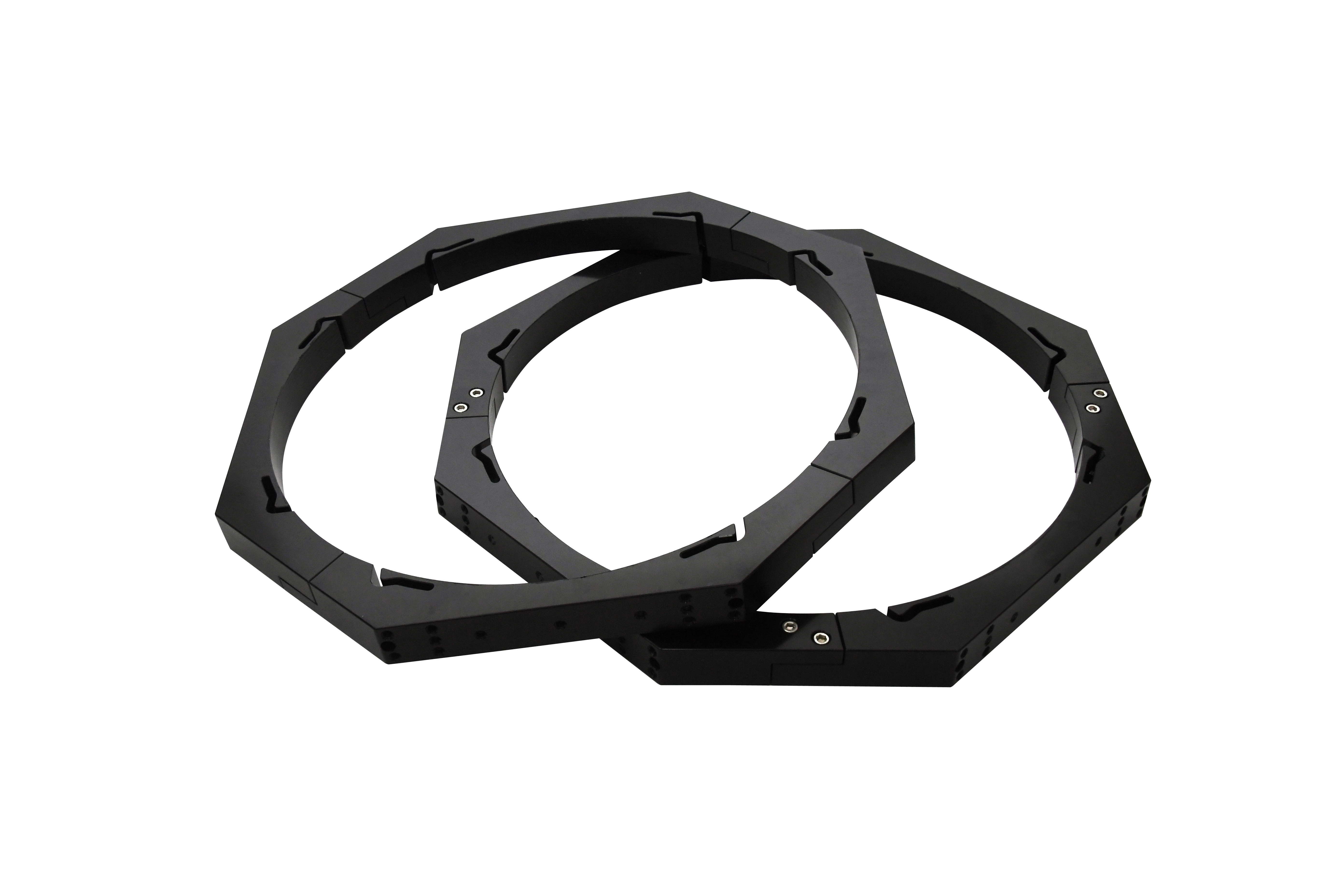
You'll typically find rotating rings designed for specific telescope tube diameters. They're usually sold in pairs, replacing your existing tube rings or saddle. Some popular options include:
- Aftermarket Rings: Many telescope manufacturers and third-party accessory companies offer direct replacement rotating rings for popular telescope models. These are often the easiest to install.
- Universal Rotating Rings: Some designs are more universal and use adjustable clamps to fit a range of tube diameters. These can be great if you have a less common telescope or want to be able to swap them between different scopes.
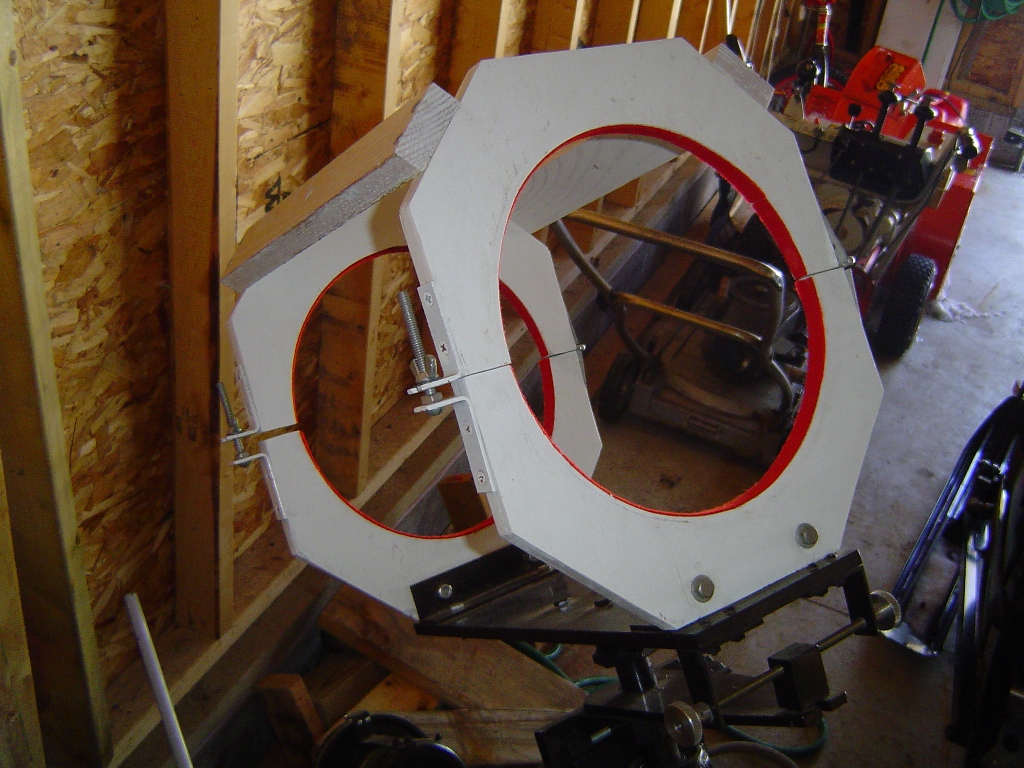
- DIY Options: For the truly adventurous, there are even DIY plans out there if you're handy with tools and want to build your own custom solution. (Though for most, buying is probably less of a headache!)
The key is to measure your telescope tube's diameter accurately before you buy. You don't want to end up with rings that are too loose or too tight. It's like buying shoes – gotta get the right fit!
Installation: Easier Than You Think!
For most users, installing rotating rings is a pretty straightforward process. It usually involves unscrewing your old rings and attaching the new ones. Some might require a bit of fiddling to ensure they're properly centered and the locking mechanism is secure, but it's generally a very manageable DIY project. Think of it as a minor telescope spa day. Giving your scope a little upgrade!
If you're not comfortable with basic tool use, don't fret! Most telescope shops or online astronomy forums can offer advice, and there are usually plenty of video tutorials available. Plus, it's a great excuse to get a friend to help – many hands make light work, and it's always fun to share the hobby.
A Final Thought: Embrace the Swivel!
So, there you have it! Rotating telescope tube rings. They might sound like a small addition, but trust me, they can transform your observing experience from a sometimes-straining ordeal into pure, unadulterated joy. They bring comfort, convenience, and a touch more elegance to your stargazing adventures.
Next time you're out under the vast expanse of the night sky, imagine the freedom your telescope could have, the ease with which you could explore. It's not just about seeing the stars; it's about enjoying the journey, every comfortable, perfectly angled moment of it. So, embrace the swivel, my friends, and may your views be ever clear and your observing sessions ever comfortable. Happy stargazing!