
Rust Spots On Stainless Steel Sink
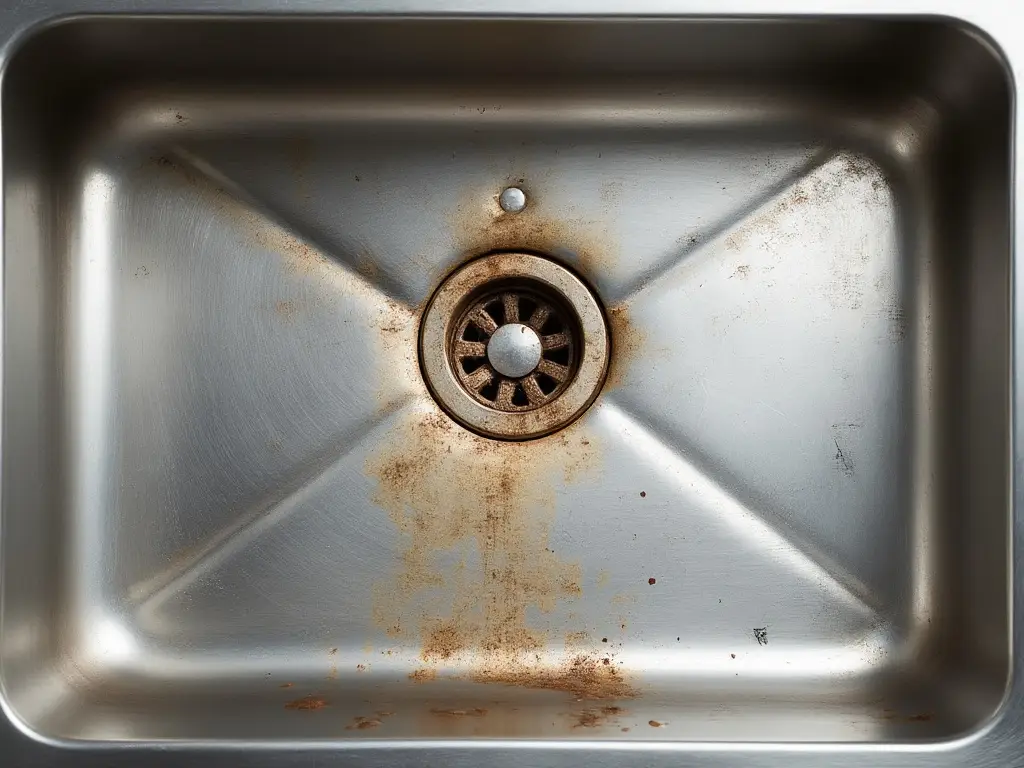
Okay, so, let's talk about something that probably makes your eye twitch just a little. You know that moment, right? You're wiping down your shiny, supposed-to-be-forever stainless steel sink, and BAM! Little rusty spots. Ugh. What gives? Is your sink secretly plotting against you?
Seriously, it's like, "Hey, I'm stainless steel, I'm supposed to be immune to this nonsense!" And then these little brown freckles show up, completely uninvited. It’s a real mood killer when you’re aiming for that pristine kitchen vibe, isn't it? Like a tiny, annoying blemish on an otherwise perfect complexion.
Don't even get me started on how it happens. You think you're doing everything right. You rinse the dishes, you wipe it down. But still, there they are. Mocking you, I swear. Little rusty invaders in your otherwise fabulous stainless steel sanctuary.
So, what’s the deal? Are these spots the result of some cosmic prank? Or is there a reason behind this stainless steel betrayal? Let's dive in, shall we? Grab your coffee, settle in. This is going to be a little chat about those pesky rust spots. And don't worry, we're going to figure this out. Together.
First off, let’s clear up a common misconception. Stainless steel… isn't actually stainless. Shocking, I know! It's more like, very resistant to rust. Think of it as a superhero with a secret weakness. Most of the time, it’s invincible, but every now and then, something slips through the cracks.
The "stainless" part comes from the chromium content. This stuff is magic, seriously. It forms this invisible, protective layer on the surface. It’s like a tiny shield that keeps the oxygen from messing with the iron in the steel. Pretty neat, huh? It self-heals, too! Like Wolverine, but for your sink.
But even superheroes have their kryptonite. And for stainless steel, that kryptonite often comes in the form of other metals. Yeah, you heard me. Your sink might be getting ganged up on by, like, stray cutlery or a rusty can of beans. It’s a whole drama happening right there in your sink basin.
Think about it: you’ve got steel that’s great at resisting rust, and then you introduce something else that does rust. What do you think happens? That little bit of rust from, say, a cast iron pan you left sitting there for a hot minute, can actually transfer onto your stainless steel. It's like a contagious case of the rusty sniffles.
And this is where those little orange-brown dots start to appear. They're not actually rust in your sink; they're usually rust from something else that has touched your sink. Mind. Blown.
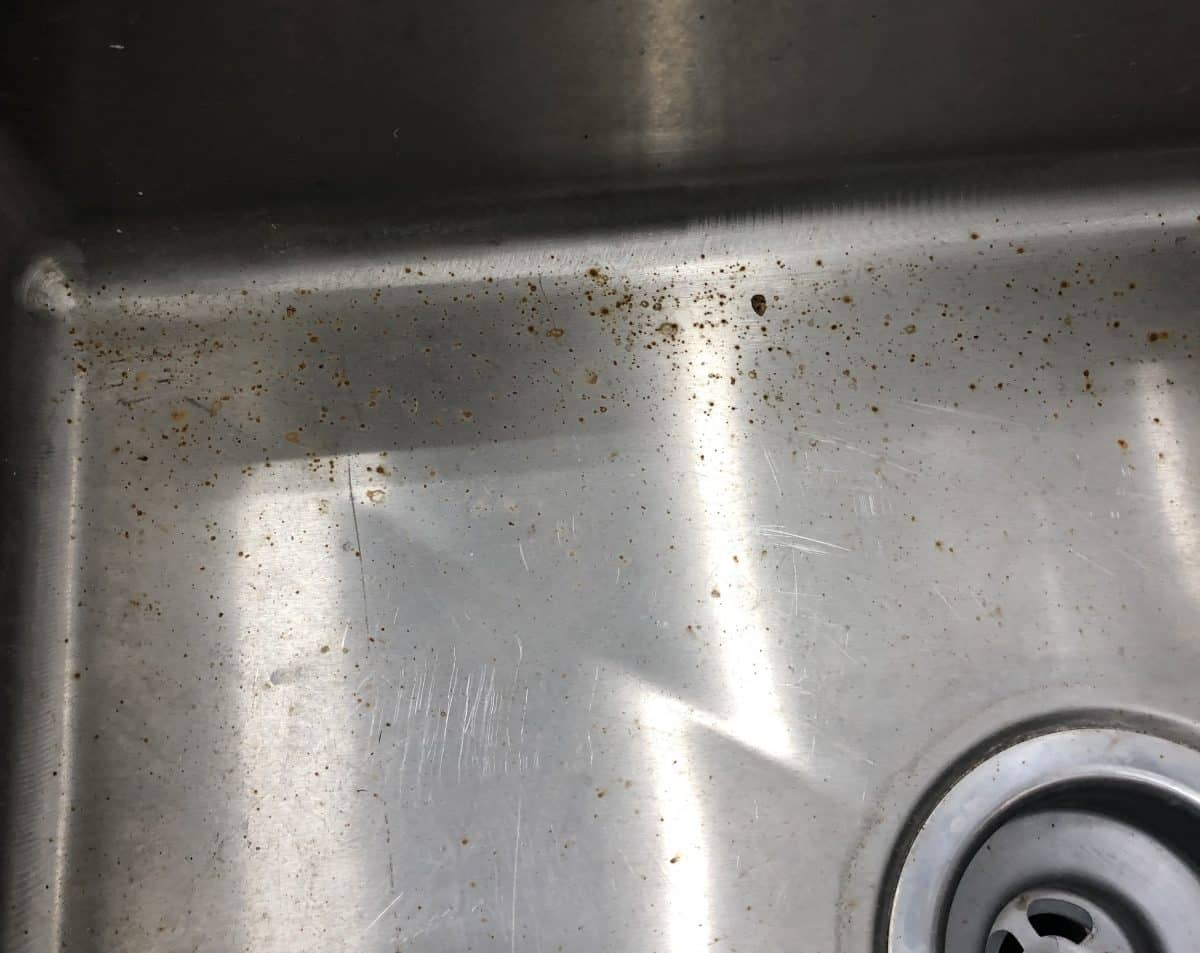
So, what kind of culprits are we talking about? Well, often it's stuff you wouldn't even think of. Metal scouring pads, for instance. You know, those rough, scratchy things? If they're not stainless steel themselves, they can leave tiny bits of rust behind. And once those bits are there, they can start to corrode.
Or what about those little metal cans you put your soap or sponges on? If they’re a cheaper metal, or if they’ve started to rust themselves, they can be a prime suspect. It's like they're setting up a little rust trap for your sink.
And let's not forget the innocent-looking tea bags. You’d think tea is harmless, right? But sometimes, the metal staples in tea bags can leave behind a little bit of rust. Who knew? It's the little things, I tell ya. The tiny, metallic details that can cause such a headache.
Then there's the whole thing about leaving wet, metallic objects on the sink surface for extended periods. Like, a rusty old whisk you just used for scrambled eggs, or maybe a can opener that's seen better days. If it sits there, all wet and cozy, it can transfer its rusty essence. It’s a slow burn, but a burn nonetheless.
Another biggie? Abrasive cleaners. You know, the ones that promise to tackle tough grime? Some of them can actually be too harsh for stainless steel. They can damage that protective chromium layer we talked about. And once that layer is compromised, the steel becomes more vulnerable. It’s like stripping away its armor. Not ideal.
So, using the wrong kind of cleaner can be a major contributor. It’s like trying to polish a delicate piece of jewelry with sandpaper. You might get it clean, but at what cost? Your sink's delicate sensibilities, that's what cost!

Now, before you start picturing your sink weeping rusty tears, let's talk solutions. Because, thankfully, this isn't a permanent scar. We can usually buff those little rust spots right out. Phew!
The first rule of thumb? Gentleness is key. Remember how we said abrasive cleaners are bad? Yeah, let's avoid those. We want to treat our stainless steel sink with a little respect.
A really common and effective way to tackle these spots is with a paste of baking soda and water. Just mix them up into a nice, thick paste. It’s a gentle abrasive, but it gets the job done. You can then apply this paste to the rusty spots with a soft cloth.
Rub gently in the direction of the grain of the stainless steel. This is important! Stainless steel has a grain, just like wood. You don't want to go against the grain; it can cause scratches. Think of it as a soothing massage for your sink.
Let the paste sit for a bit, maybe 10-15 minutes. Then, rinse it all off with water and dry thoroughly. You’ll likely see a huge improvement. It’s like magic, but it’s just baking soda. Who knew?
Another friend to your stainless steel sink is vinegar. White vinegar, specifically. You can apply a little bit of vinegar to a soft cloth and gently rub the rusty spots. Again, go with the grain.
Vinegar is a mild acid, and it can help to break down the rust. After you’ve rubbed it in, rinse well and dry. Some people swear by this method. It’s a classic for a reason, I suppose.

Now, for those tougher spots, you might need something a little stronger, but still sink-friendly. There are actually special stainless steel cleaners out there. These are formulated to be safe for the material and effective against rust. Just make sure you read the label and follow the instructions carefully.
Some of these cleaners might involve a little bit of elbow grease. But remember, we’re aiming for gentle elbow grease. No attacking your sink like it owes you money.
And a pro tip, if you have them: Never mix cleaners. Seriously. It can create dangerous fumes or actually damage your sink further. Just stick to one method at a time. Patience is a virtue, especially when it comes to sink maintenance.
Once you’ve gotten rid of the rust, the real battle is prevention. How do we stop this from happening again? Because, let’s be honest, nobody wants to be constantly scrubbing rust off their sink.
The number one thing you can do is dry your sink regularly. Especially after washing dishes or if you’ve spilled something. A quick wipe down with a soft towel can make a world of difference. This prevents water from sitting and potentially carrying mineral deposits or rust-causing particles.
Also, be mindful of what you leave in your sink. Try not to leave wet, metal objects sitting around. If you have cast iron pans, don't let them drip into the sink. If you have metal sponges, keep them in a soap dish or holder that drains.

And those little metal racks or mats? Make sure they're made of good quality stainless steel or a non-reactive material. And lift them up occasionally to let the sink dry underneath. It's like giving your sink some breathing room.
When it comes to cleaning, stick to mild dish soap and a soft cloth or sponge. Avoid those harsh scrubbers and abrasive powders. If you need a little more grit, use a nylon scrubber.
And if you have a particularly stubborn spot that just won't budge, don't despair. You can try a cleaner specifically designed for stainless steel. They can be found in most grocery stores or hardware stores. Just remember to test it in an inconspicuous spot first, just in case.
It’s also a good idea to give your sink a good clean with a specialized stainless steel cleaner every now and then, even if you don't see any rust. This can help to remove any buildup and reinforce that protective layer. Think of it as a spa day for your sink.
So, to recap, those rusty spots are usually not the fault of your sink itself, but rather something else that’s come into contact with it. It's usually a case of transferred rust.
The good news is that they're typically easy to remove with gentle methods like baking soda paste or vinegar. And with a little bit of mindful upkeep – like drying your sink and being careful about what you leave in it – you can keep those unsightly rust spots at bay.
It’s all about treating your stainless steel sink with a bit of care and attention. It’s a hard-working appliance, after all, and it deserves a little bit of TLC. So next time you spot those little brown invaders, don't panic. Just grab your baking soda, a soft cloth, and a cup of coffee, and tackle it with confidence. Your sink will thank you for it. And your kitchen will look all the shinier for it. Happy scrubbing, my friend!