
Salt Water Corrosion On Aluminum

Hey there, sunshine! Ever find yourself at the beach, feeling that lovely, salty breeze on your face? Maybe you’re thinking about a refreshing dip in the ocean, or perhaps your mind drifts to those amazing seafood dinners. Well, while we’re busy soaking up the good vibes (and maybe a little Vitamin D), there's a silent, sneaky little phenomenon happening all around us. It’s called saltwater corrosion on aluminum, and even though it sounds a bit sci-fi, it’s something that touches our everyday lives more than you might think!
Think of it like this: aluminum is a fantastic material. It’s light, it’s strong, and it doesn't rust in the same way iron does. It’s the material that makes your soda cans so easy to crush (don't do it, recycle!), the framework of your trusty bicycle, and even the sleek casing of your smartphone. It’s pretty darn amazing, right? But when this super-material meets saltwater, things can get a little… fizzy.
Imagine you’ve got a favorite aluminum boat that you’ve lovingly polished. You’ve spent hours making it gleam, ready for a perfect day out on the water. You launch it, and it’s glorious! But as it bobs there, surrounded by that salty embrace, a tiny, invisible battle begins. The salt in the water, which is basically a bunch of charged particles, starts to play a bit of tag with the aluminum. It’s like a microscopic dance party, but unfortunately, this party tends to leave the aluminum feeling a bit… eaten away.
Why does this happen? Well, aluminum, bless its heart, has a natural defense mechanism. It forms a thin, protective layer of aluminum oxide on its surface when it’s exposed to air. This layer is usually quite tough and keeps the metal from reacting further. It’s like a little shield. But here’s the catch: saltwater is a bit of a bully. The chloride ions in salt are really good at breaking down this protective oxide layer. Once that shield is compromised, the saltwater can get right in there and start to attack the aluminum itself.
It’s not like a dramatic explosion, mind you. It’s more of a slow, insidious process. You might not even notice it at first. Think about your garden furniture, maybe those nice aluminum chairs you love to relax in on a summer evening. If you live near the coast, or even if you just occasionally get sea spray on them during a stormy day, they might start to look a bit dull, maybe develop little white powdery spots. That’s the beginning of the salt attacking the aluminum.

This isn’t just about aesthetics, though. Over time, this corrosion can weaken the aluminum. Imagine that boat again. If the corrosion eats too deeply, it can compromise the structural integrity. Suddenly, that sturdy hull might not be so sturdy anymore. Or think about the engine parts of that boat. If they’re made of aluminum and exposed to saltwater, they could start to corrode, leading to expensive repairs and, let’s be honest, a whole lot of frustration. Nobody wants their boat trip to end with a tow back to shore because of a little bit of salty water!
And it’s not just boats. Have you ever seen those coastal walkways or piers? Many of them have aluminum components. If you look closely, you might see signs of this salty assault. Or what about the metal parts on your car if you live by the sea? While cars are usually treated with all sorts of protective coatings, the undercarriage can still be exposed to road salt (which, let’s face it, is a cousin to sea salt!) and sea air. It’s a constant battle out there!
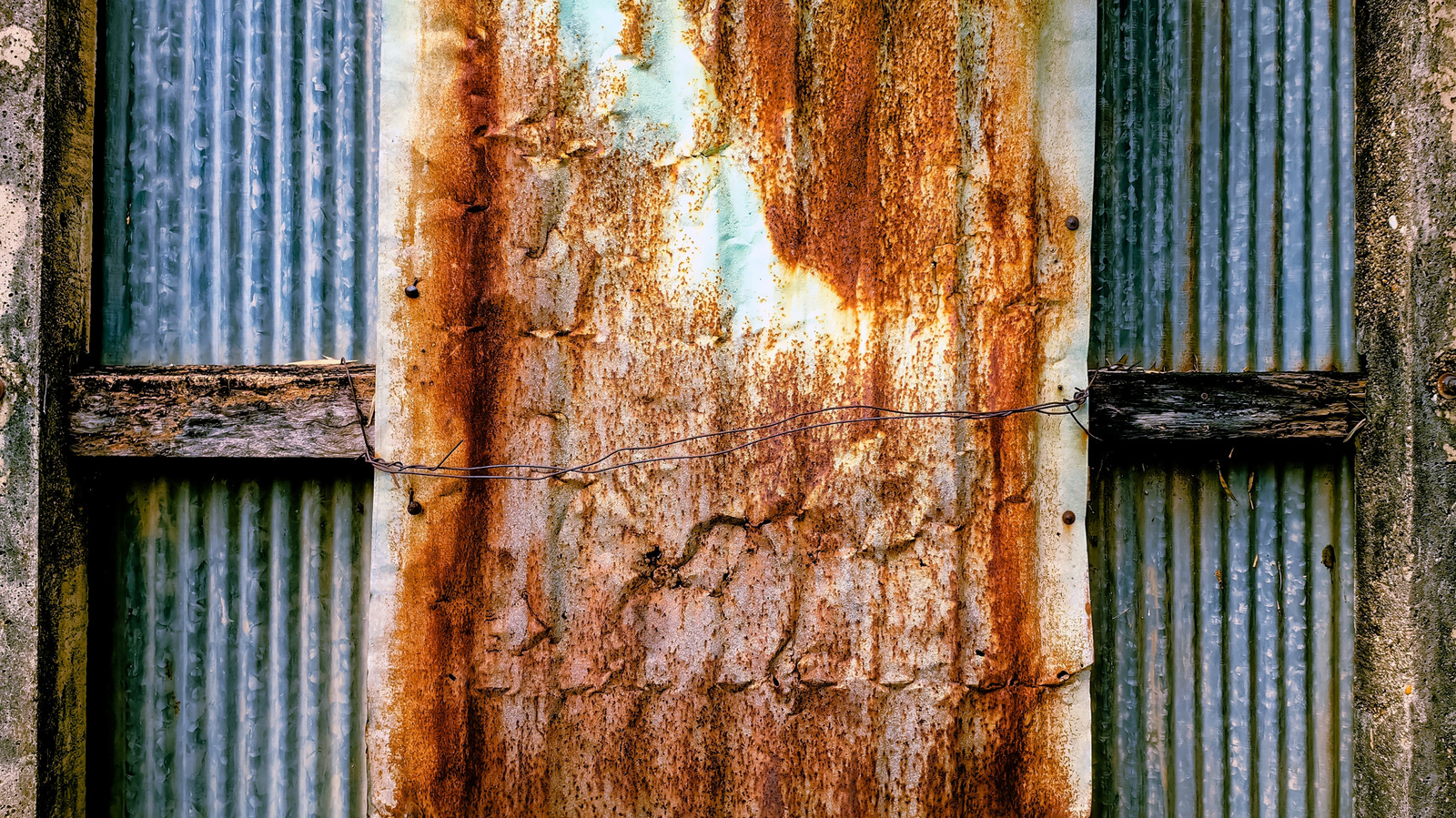
A Little Story from the Dockside
My uncle, bless his heart, was a keen sailor. He had this beautiful old aluminum dinghy that he doted on. Every year, he’d spend weeks prepping it for the season. He’d sand it, he’d polish it, he’d apply layers of wax. He swore by his routine. But one year, after a particularly rough winter and a few storms that whipped up the sea, he noticed something was wrong. The aluminum along the waterline looked… fuzzy. It was like a fine white powder, and when he touched it, it came off on his fingers. He’d never seen anything quite like it. That was his first real introduction to the persistent nature of saltwater corrosion on aluminum. He had to get it professionally treated, which was a bit of a wake-up call.
It’s a bit like when you’re trying to keep a perfectly clean kitchen counter. You wipe it down, it looks great. But if you’re not careful, a little bit of spilled juice can sit there, and even after you wipe it, sometimes a slight stickiness or a faint mark remains. Saltwater corrosion on aluminum is similar, but instead of stickiness, it’s the metal itself that gets altered.
So, why should you, the everyday reader, care about this? Well, it’s all about protecting your investments and ensuring the things you enjoy stay in good working order. Whether it’s a boat, an outdoor furniture set, or even just components on your vehicle, understanding how saltwater affects aluminum can help you take preventative measures.

What Can You Do About It? (Besides Moving to the Desert!)
Don’t despair! You don’t need to become a chemist or move inland to a dusty desert town. There are simple things you can do. The most effective way to combat saltwater corrosion is through prevention and maintenance. Think of it as giving your aluminum items a little hug of protection.
For things like boats or trailers that regularly go into saltwater, regular rinsing with freshwater is key. It’s like giving them a much-needed shower after a day at the beach. This washes away the salt crystals before they have a chance to do too much damage. Follow that up with a good drying, and you’re already making a big difference.

Applying protective coatings, like marine-grade paints, waxes, or sealants, is also a fantastic idea. These act like a raincoat for your aluminum, providing an extra barrier against the salty onslaught. It’s like putting on sunscreen before a day in the sun – it protects you from the damaging rays, and these coatings protect aluminum from the damaging salt.
For smaller items, like outdoor furniture, a good wash with mild soap and freshwater now and then can work wonders. And if you see any signs of that powdery white corrosion starting to appear, don’t ignore it! Gently cleaning it off and then applying a protective coating can stop it in its tracks.
So, the next time you’re by the sea, enjoying the sights and sounds, take a moment to appreciate the incredible material that is aluminum. And if you own anything made of aluminum that might encounter saltwater, remember that a little bit of care and attention can go a long way in keeping it looking good and performing brilliantly. It’s all about enjoying those sunny days and salty breezes without worrying about what’s happening beneath the surface!