
Shielded Metal Arc Welding Process
Ever find yourself gazing at a beautifully crafted metal sculpture, a sturdy bridge, or even just that perfectly welded bike frame and wonder, "How did they do that?" It’s a little bit of magic, sure, but it’s also a whole lot of controlled sparks and molten metal. Today, we're diving into the world of Shielded Metal Arc Welding, or as we cool cats in the know call it, SMAW. Think of it as the trusty, no-fuss superhero of the welding world. It’s been around the block, seen it all, and still holds its own, just like your favorite worn-in denim jacket.
Forget the sci-fi laser beams and complex robotic arms for a moment. SMAW is the OG, the one your grandpa probably learned in shop class, and for good reason. It’s accessible, versatile, and when you get down to it, kind of satisfyingly primal. It’s the sound of progress, the smell of possibility, and the sight of metal becoming one, seamlessly and strong.
The Basics: What's the Big Idea?
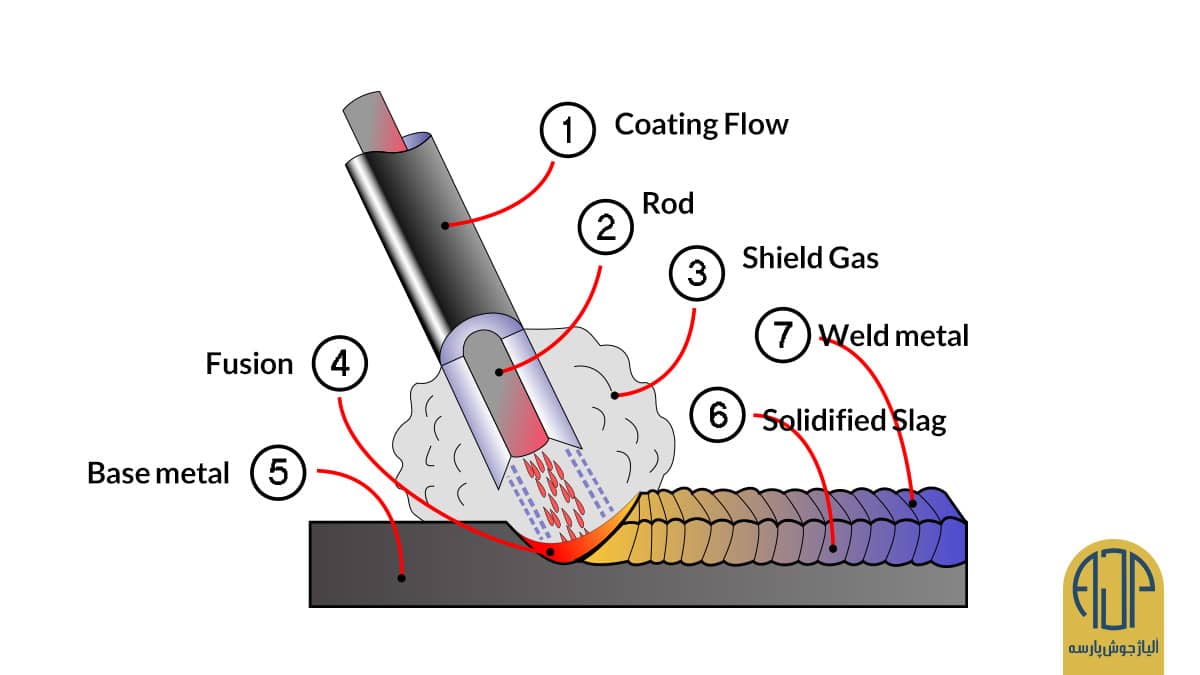
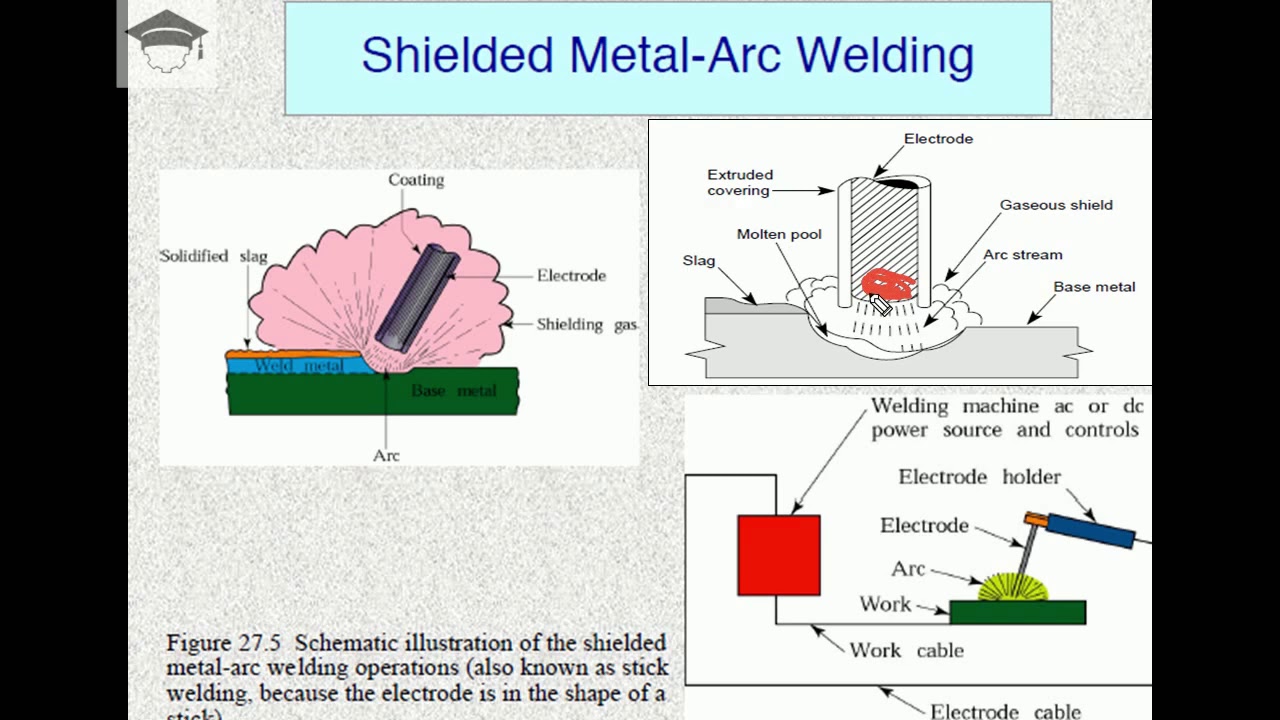
At its heart, SMAW is all about using an electric arc to generate enough heat to melt the edges of two pieces of metal, along with a consumable electrode (that’s your welding rod, folks). This electrode is coated with flux, which is like a superhero cape for the molten metal. It melts along with the rod, creating a shield of gas and slag that protects the weld puddle from pesky atmospheric contaminants – you know, oxygen and nitrogen, the sworn enemies of a good weld. Without this shield, your beautiful bond would turn into a brittle, weak mess. Think of it like trying to have a delicate conversation in a hurricane; not ideal.
The electric arc itself is generated between the tip of the welding electrode and the workpiece. It’s a high-voltage, low-amperage electrical circuit that creates a super-hot plasma. We’re talking temperatures that can reach upwards of 10,000 degrees Fahrenheit! That’s hotter than the surface of the sun, give or take. Seriously, don’t try to melt your butter with it. Safety first, always.
The Gear: Your Welding Toolkit
So, what do you need to get started in the wonderful world of SMAW? It’s not exactly a pocket protector and a calculator situation, but it’s also not a hazmat suit and a rocket ship. The essentials are surprisingly straightforward:
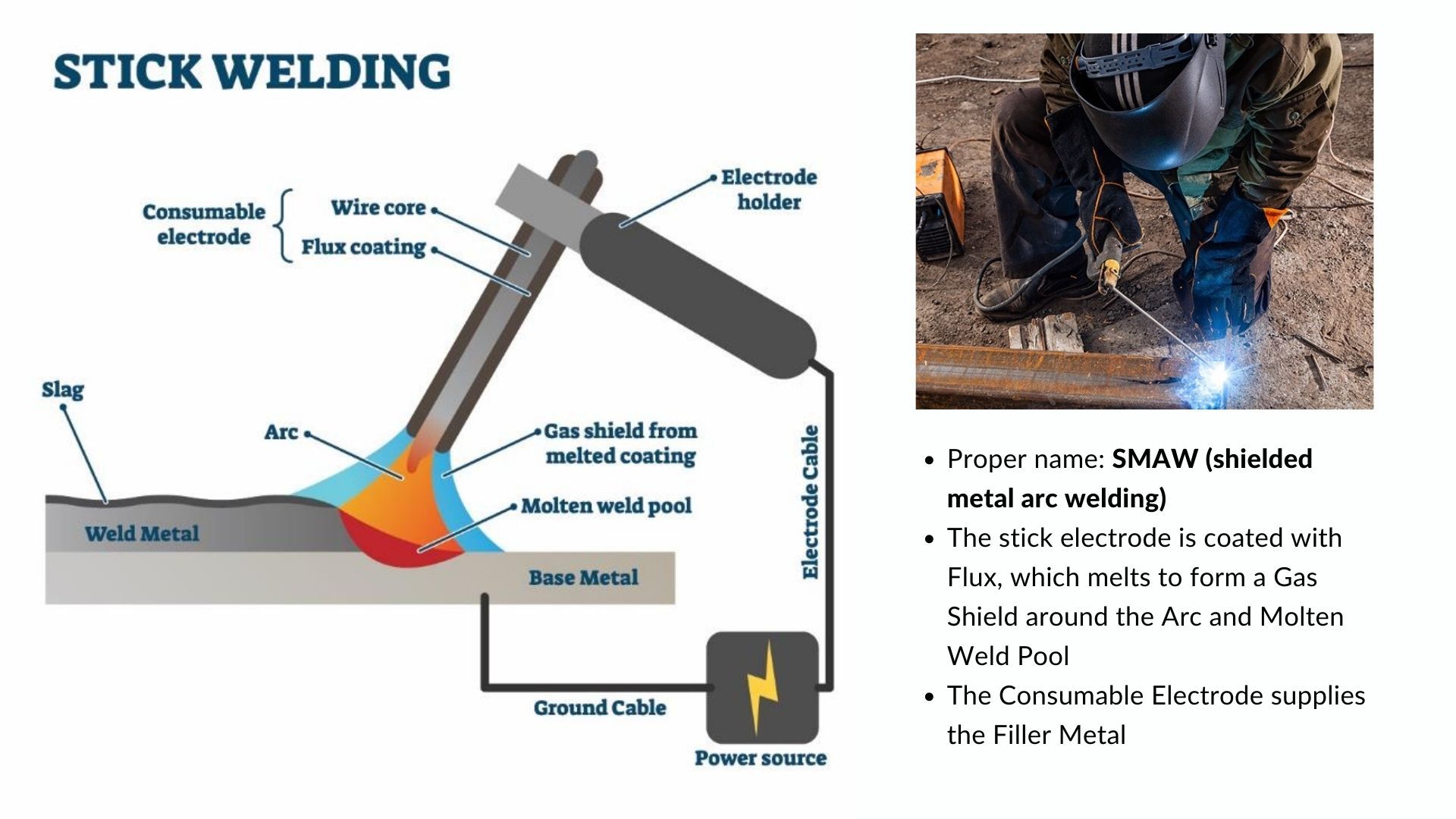
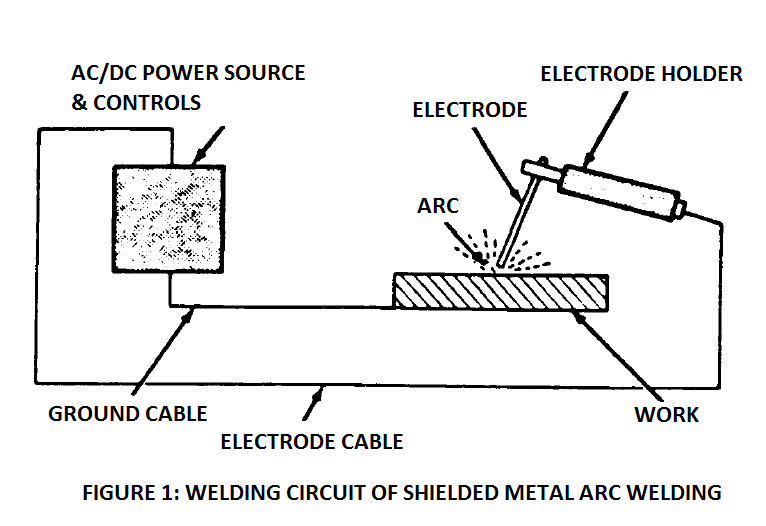
- The Welder (Power Source): This is the brain of the operation. You can find AC (alternating current), DC (direct current), or AC/DC combination welders. DC is generally smoother and preferred for most applications, but AC can be great for certain materials. Think of it as choosing the right playlist for your mood – sometimes you need a steady beat, sometimes a bit of a groove.
- The Electrode Holder (Stinger): This is where you clamp your welding rod. It’s the conductor, the handshake between you and the electricity.
- The Welding Rods: These are your consumable heroes! They come in different types and sizes, each designed for specific metals and welding positions. They're coated with flux, which, as we mentioned, is the magical shield. Different coatings produce different welding characteristics and slag types. It's like choosing your favorite pasta shape for your sauce!
- The Workpiece: This is what you're actually joining. It could be anything from steel plates to pipes to rebar.
- Safety Gear (Non-Negotiable!): This is where we get serious. You'll need a welding helmet with a darkened lens (auto-darkening is a game-changer!), welding gloves, a leather apron or jacket, and sturdy, closed-toe footwear. Think of these as your personal force field against sparks, heat, and UV radiation. No skipping this step, ever.
The Dance of the Electrode: How It Works in Practice
Okay, so you’ve got your gear. Now what? It’s time to get down to business. The process generally involves these steps:
- Preparation: Clean your metal! Any rust, paint, or oil will get in the way and create a weak weld. Think of it as prepping a canvas before painting – you want a clean surface for the best results.
- Striking the Arc: This is where the magic begins. There are two main ways to strike an arc:
- Scratching: Like striking a match, you lightly drag the electrode across the metal surface.
- Tapping: Similar to tapping a pencil, you lightly tap the electrode onto the metal.
- Maintaining the Arc: Once the arc is struck, you need to maintain a consistent arc length. This usually means keeping the electrode about the same distance from the workpiece as the diameter of the electrode core wire. Too close, and you'll probably "stick" the electrode to the metal. Too far, and the arc will become unstable and won't melt effectively. It's a delicate balance, a rhythmic dance.
- Moving the Electrode: You'll move the electrode along the joint you're welding. There are different "beads" you can lay down – stringer beads, weave beads. The movement depends on the joint type, the position (flat, horizontal, vertical, overhead), and the electrode. Think of it as drawing a consistent line, but with molten metal.
- Cleaning the Slag: After each pass, you'll have a layer of slag on top of your weld. You'll use a chipping hammer to break this off, revealing your beautiful, strong weld underneath. It’s like revealing a hidden treasure!
Either way, once you make contact, BAM! The arc ignites. It's a thrilling moment, like the first note of your favorite song.
SMAW: The Versatile Veteran
What makes SMAW so enduring? Its versatility. It’s not just for heavy industrial applications. You'll find it used in:
- Construction: From towering skyscrapers to bridges that span rivers, SMAW is the backbone of much of our built environment. It’s the unsung hero holding things together.
- Manufacturing: Think of all those metal furniture pieces, machine frames, and vehicle components. SMAW plays a big role in their creation.
- Repair Work: Got a broken piece of machinery? SMAW can often be the solution to fix it up and get it back in action.
- Art and Sculpture: Many artists use SMAW to bring their metal visions to life. The raw, industrial aesthetic can be incredibly powerful. You might see it in outdoor art installations that brave the elements.
- DIY Projects: For the ambitious home tinkerer, SMAW can be a fantastic skill to learn for building custom projects, from garden gates to metal planters.
Plus, the equipment is relatively portable, making it ideal for jobs where you can’t bring the workpiece to the welder. It’s the kind of tool that says, "Let’s get this done, wherever we are."
Tips from the Trenches (of the Workshop)
Ready to get your hands a little dirty (metaphorically, of course, with those gloves on)? Here are a few tips to get you started on the right foot:
- Start Simple: Don't try to weld a rocket ship on your first go. Begin with some practice welds on scrap metal. Focus on getting a consistent arc and a smooth bead.
- Listen to Your Welder: Different machines and electrodes have different sweet spots. Pay attention to the sound of the arc – it’ll tell you a lot about whether you’re doing it right. A nice, steady hum is usually a good sign.
- Posture Matters: Get comfortable! A good welding stance will help you maintain consistency. Avoid awkward, strained positions.
- Practice, Practice, Practice: Like learning an instrument or a new language, welding takes practice. Don't get discouraged by initial imperfections. Every weld is a learning opportunity.
- Keep it Clean: We can't stress this enough. Clean metal is key to a strong weld.
- Don't Be Afraid to Ask: If you have access to experienced welders, pick their brains! Most are happy to share their knowledge.
Cultural Whispers and Fun Facts
Did you know that the development of welding technology played a crucial role in the Industrial Revolution? It allowed for stronger, more reliable structures than ever before. Imagine trying to build the Golden Gate Bridge with just rivets! It wouldn't be quite as iconic, would it?
And speaking of iconic, think about the Terminator. While that guy’s sci-fi, the idea of metal being reforged and becoming stronger is something welding truly embodies. It’s about taking something broken or in pieces and making it whole and resilient again. It’s a little bit of that classic Hollywood transformation, but with real-world applications.
Here’s a fun one: the flux coating on welding rods often contains compounds that release gases when burned, forming that protective shield. Some flux coatings even contain elements that help introduce alloying elements into the weld puddle, giving it extra strength or corrosion resistance. It’s like the welding rod is doing a little chemistry experiment on the fly!

A Moment of Reflection
In a world that often feels disposable and temporary, the act of welding, particularly SMAW, is a beautiful testament to durability and connection. It's about joining things together with intention, creating bonds that are meant to last. Whether it’s building a vital piece of infrastructure or simply fixing a beloved heirloom, welding is about creating something stronger and more robust.
Think about it in our daily lives. We’re constantly "welding" relationships, forging connections with others through shared experiences, conversations, and mutual support. Sometimes these connections are easy and fluid, like a perfectly laid stringer bead. Other times, they require a bit more effort, a bit more heat, and a lot of intentionality to create a truly strong bond. Just like a welder prepares their metal and carefully guides their electrode, we can approach our relationships with care and attention, ensuring that the bonds we forge are not just superficial, but deep, strong, and lasting.
So, the next time you see a perfectly welded joint, give a nod to the skilled hands and the powerful arc that made it possible. And maybe, just maybe, you’ll feel a little spark of inspiration to go out and create something strong and beautiful yourself.