
Shielding Gas For Aluminum Welding

Ever looked at a shiny aluminum bike frame, a sleek car door, or even a complex piece of aerospace equipment and wondered how it all comes together? Behind those smooth, strong welds often lies a superhero in disguise – the humble but mighty shielding gas. While it might sound a bit technical, understanding this unsung hero of aluminum welding is actually pretty cool and incredibly useful if you're curious about how metal gets joined, especially those tricky, lightweight aluminum alloys. It's like having a protective guardian watching over your weld, ensuring it comes out looking fantastic and performing its best.
The Invisible Shield: What's the Big Deal with Shielding Gas?
So, what exactly is this "shielding gas" and why does aluminum welding practically demand it? Think of it as a protective bubble. When you're welding aluminum, you're essentially melting metal. The problem is, molten aluminum is incredibly reactive. It loves to grab oxygen and nitrogen from the air around it. If those pesky air molecules get into your molten pool, they can create weak spots, brittle welds, and a really messy, porous finish – basically, the opposite of what you want!
That's where our superhero, the shielding gas, swoops in. It's an inert or semi-inert gas that flows out of the welding torch, surrounding the hot, molten weld pool like a personal bodyguard. Its primary job is to displace the surrounding air, creating that protective zone. This keeps out the oxygen and nitrogen, allowing the molten aluminum to cool and solidify without contamination.
The Benefits: Why We Can't Live Without It
The benefits of using shielding gas for aluminum welding are numerous and make a huge difference in the quality and appearance of your work. Firstly, it's all about preventing contamination. As we mentioned, oxygen and nitrogen are the enemies. By creating that barrier, the shielding gas ensures a clean, pure weld. This leads to stronger welds that are less likely to fail under stress. Nobody wants a wobbly bike frame, right?
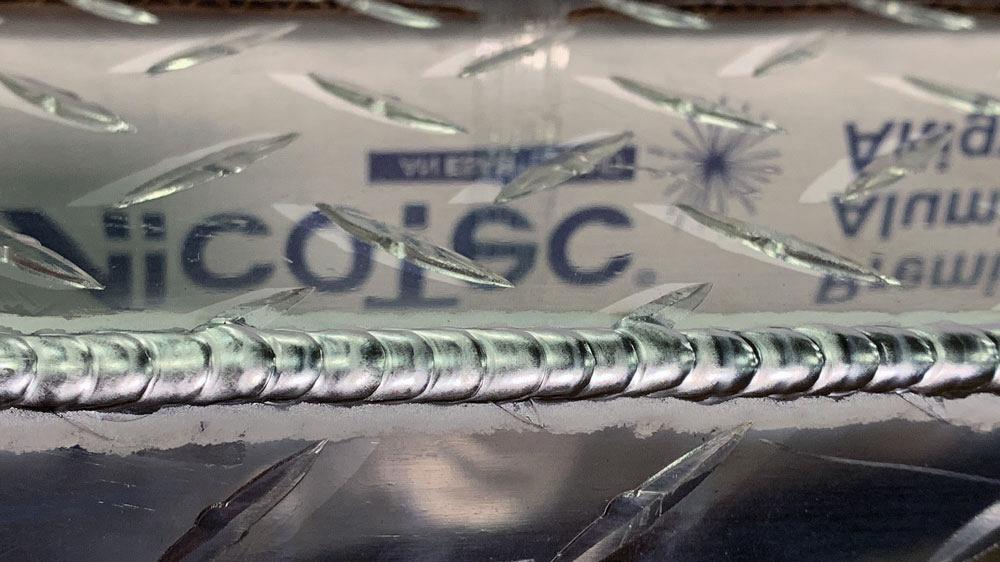
Secondly, it plays a crucial role in the appearance of the weld. Without shielding gas, you'd likely end up with a dull, oxidized, and uneven surface. With the right gas, you can achieve a smooth, shiny, and consistent bead that's aesthetically pleasing. This is especially important for visible applications where you want that clean, professional look.

Another major benefit is improved arc stability. The gas helps create a consistent, focused arc between the welding electrode and the workpiece. This means a more controlled and predictable welding process, making it easier for the welder to maneuver and achieve precise results. It's like having a steady hand guiding the molten metal.
Furthermore, shielding gas helps in reducing spatter. Spatter is those little molten metal droplets that fly off during welding. It makes a mess and can create imperfections on the workpiece. The right shielding gas helps to minimize this, leading to a cleaner working environment and less post-weld cleanup.
Common Gas Choices: Meet the Lineup
When we talk about shielding gases for aluminum, a few key players usually come up. The most common and often the go-to choice for aluminum is pure Argon. Argon is an inert gas, meaning it doesn't readily react with anything. It's fantastic for creating a stable arc and providing excellent protection for the molten weld pool. It’s known for its clean-looking welds and ease of use, making it a favorite for both beginners and experienced welders.
Sometimes, you'll see blends of gases used, especially for specific applications. For instance, adding a small percentage of Helium to Argon can increase the heat input into the weld. This can be beneficial for thicker aluminum sections, allowing for deeper penetration and faster travel speeds. However, Helium is more expensive and can be a bit trickier to control, so it's not always the first choice for general-purpose welding.
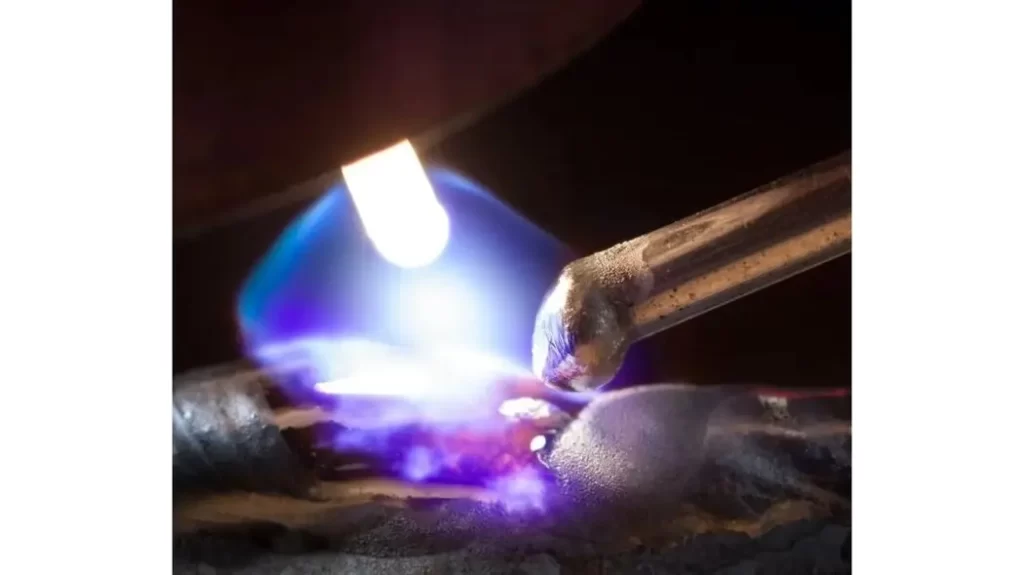
While pure Argon is king for most aluminum welding, it’s worth noting that some other gases might be used in specialized industrial settings or for specific alloy types, but for the everyday enthusiast or hobbyist, Argon is your best friend.
The Takeaway: A Little Gas Goes a Long Way
So, the next time you admire a beautifully welded piece of aluminum, remember the silent, invisible guardian that made it all possible. Shielding gas might not be the flashiest part of the welding setup, but it's an absolutely essential component for achieving strong, clean, and visually appealing aluminum welds. It's the secret ingredient that keeps the air at bay and lets the metal flow beautifully. It’s a simple concept with a massive impact, making it a truly fascinating and useful aspect of the welding world!