
Silicon Carbide Vs Aluminum Oxide Sandpaper
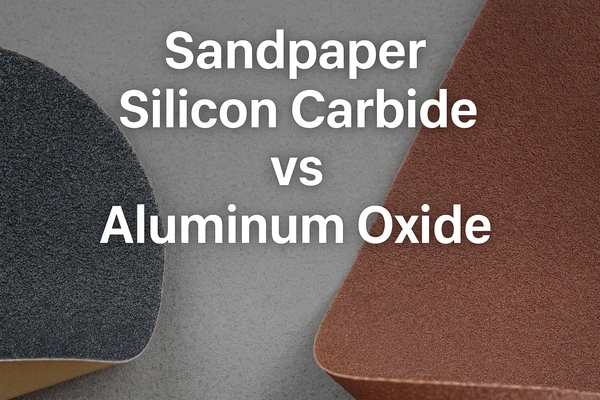
Ever found yourself staring at a piece of wood, a rusty metal railing, or maybe even a stubborn smudge on a countertop, and thinking, "Man, I need to smooth this out"? That’s where sandpaper comes in, right? But have you ever noticed the little details on the packaging? Like, what’s the deal with those different grit numbers and, more importantly, the materials they use? Today, we're going to dive into the super interesting world of sandpaper grit, specifically looking at two of the big players: Silicon Carbide and Aluminum Oxide. No need to be a woodworking guru or a master mechanic; this is for anyone who's ever wanted to make something look, feel, or just be a little bit better.
Think of sandpaper like a tiny army of miniature tools. Each grain of grit is like a little soldier, chipping away at the surface you're working on. The tougher and sharper the soldier, the faster and more efficiently it works, but also, potentially, the more aggressive it is. And that's where our two main characters, Silicon Carbide and Aluminum Oxide, really shine… or, well, abrade.
The Speedy Sharper: Silicon Carbide
Let's start with Silicon Carbide. What is it, you ask? Imagine a material that’s been forged in the fires of… well, actually, it's made in very high-temperature furnaces. It’s known for being incredibly hard and brittle. Think of it like a super sharp, but easily breakable, shard of glass. Because it's so hard, it cuts through materials like a hot knife through butter. And guess what? It stays sharp for a really long time!
One of the coolest things about Silicon Carbide is its sharpness. It’s constantly producing new, sharp edges as the grains fracture. This makes it fantastic for tasks where you need a quick, clean cut, especially on softer materials. Ever tried to sand something delicate, like a musical instrument or a piece of fine furniture? Silicon Carbide is often the go-to because it doesn’t tend to clog up as easily, leaving you with a smoother finish without all the frustration.
Think of it this way: if Aluminum Oxide is a sturdy, dependable tractor, Silicon Carbide is a sleek, high-performance sports car. It’s faster, it’s sharper, and it excels in specific, demanding situations. It's brilliant for things like sanding plastics, glass, or even when you're dealing with finishes where you want a really pristine result. It's also a great choice for wet sanding. Why is wet sanding cool? Because the water acts like a lubricant and washes away the dust, preventing the sandpaper from clogging and giving you an even smoother, swirl-free finish. Silicon Carbide just loves getting wet and getting the job done efficiently.

So, if you’re looking for a sandpaper that’s fast, efficient, and great for finer finishes or trickier materials, Silicon Carbide might just be your new best friend. It’s the samurai sword of the sandpaper world – sharp, precise, and deadly effective.
The Workhorse Hero: Aluminum Oxide
Now, let’s talk about Aluminum Oxide. This is probably the most common type of sandpaper you'll find out there. It’s like the reliable, everyday hero of your toolbox. It’s not as brittle as Silicon Carbide, meaning it’s tougher and more durable. Think of it like a sturdy, well-made hammer – it might not be as flashy as a laser cutter, but it gets the job done, and it keeps on getting it done.
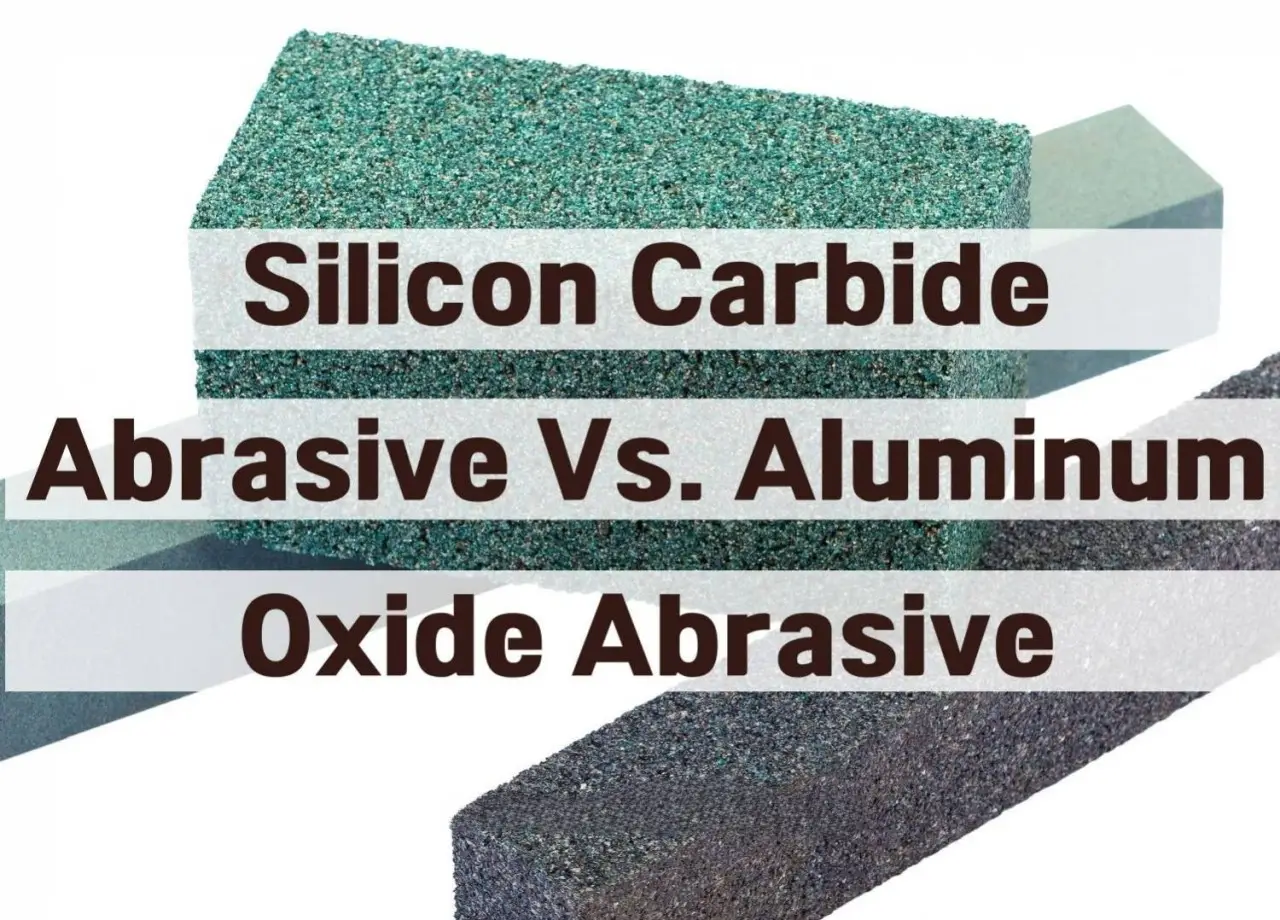
Aluminum Oxide grains are designed to break down slowly and evenly. As they wear down, they expose new, sharp edges, but it happens at a more controlled pace. This makes it incredibly versatile and a fantastic choice for a wide range of sanding tasks. If you're working with wood, this is your go-to. Whether you're shaping a new shelf, stripping old paint, or just giving a piece of furniture a quick refresh, Aluminum Oxide is up for the challenge.
Why is it so popular? Because it’s a great all-rounder. It offers a good balance between speed and longevity. It’s tough enough to handle aggressive material removal, but also capable of producing a smooth finish when you use finer grits. It's also generally more affordable than Silicon Carbide, making it a budget-friendly option for DIYers and professionals alike. It's the dependable friend who's always there to help, no matter the task.
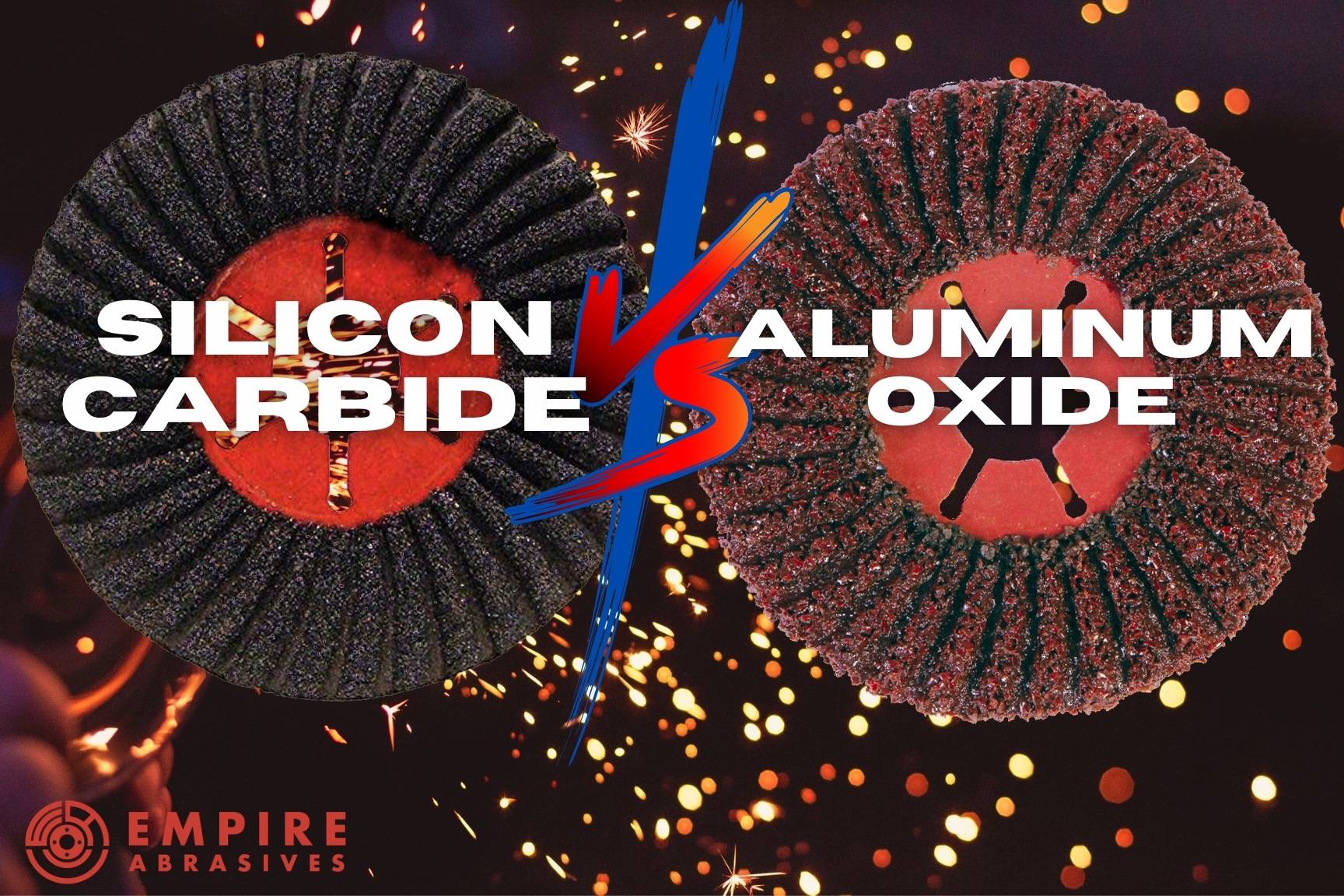
Imagine you’re building a treehouse. You’ll need to cut down branches, smooth rough edges, and maybe even sand down some uneven planks. For all of that, your trusty Aluminum Oxide sandpaper will be working overtime, cheerfully and reliably chipping away. It’s not trying to be fancy; it’s just focused on getting the work done efficiently and effectively, day in and day out.
So, for those everyday projects, for general sanding on wood, metal, and even some plastics, Aluminum Oxide is your solid, dependable choice. It’s the workhorse that won’t let you down.
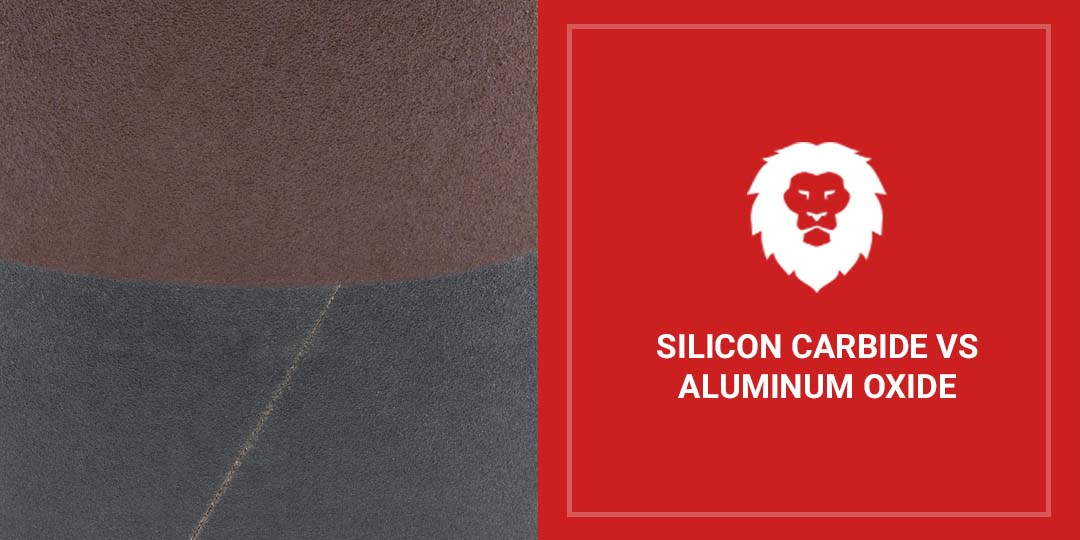
So, Which One is for You?
The big question, then, is how do you choose? It really boils down to what you’re trying to achieve.
When to Grab Silicon Carbide:
- Delicate Materials: If you’re working with glass, ceramics, or fine plastics, Silicon Carbide is your friend. Its sharp, fast-cutting nature minimizes the risk of damage.
- Pristine Finishes: For projects where a super smooth, swirl-free finish is paramount, like automotive detailing or high-end woodworking, Silicon Carbide often excels.
- Wet Sanding: If you plan on wet sanding for an extra smooth result or to reduce dust, Silicon Carbide is an excellent, clog-resistant choice.
- Quick Material Removal on Softer Surfaces: When you need to cut through quickly without being overly aggressive.
When to Reach for Aluminum Oxide:
- Woodworking Projects: This is the king of wood sanding. From rough shaping to final finishing, it’s incredibly versatile.
- General Purpose Sanding: If you’re tackling a bit of everything – metal, paint, drywall – Aluminum Oxide is your reliable, do-it-all option.
- Budget-Conscious Projects: It’s generally more affordable and readily available, making it a great choice for a wide range of users.
- Durability Needed: For tougher jobs where you need a sandpaper that can stand up to a lot of work without wearing out too quickly.
It’s not really about one being “better” than the other, but rather which tool is the right tool for the specific job. Think of it like choosing between a steak knife and a butter knife. You wouldn’t try to cut your steak with a butter knife, and you wouldn’t spread butter with a steak knife, would you? Same principle applies here.
The next time you’re at the hardware store, take a peek at the sandpaper. See if you can spot the difference between the little armies of Silicon Carbide and Aluminum Oxide. Understanding what makes them tick can really elevate your projects from “okay” to “wow!” And honestly, isn’t it kind of cool that something as simple as sandpaper has such interesting science and application behind it? Happy sanding!