
Silicone Vs Stainless Steel Cooking Utensils

Let's talk kitchenware, shall we? It's a topic that might not scream "cutting edge" at first glance, but trust me, the humble kitchen utensil is a silent hero in our daily adventures. Whether you're whipping up a gourmet feast or just trying to get dinner on the table before the streaming service alerts you to a new episode, the tools you choose make a world of difference. Today, we’re diving into a classic showdown: the ever-popular silicone versus the timeless champion, stainless steel. Prepare for a friendly rumble in the kitchen jungle!
Think about your kitchen. Is it a sleek, minimalist sanctuary or a cozy, lived-in hub where the aroma of simmering sauces often battles with the faint scent of last night's garlic bread? Whichever it is, your utensils are right there, day in and day out, helping you navigate the culinary landscape. And when it comes to the basics – the spatulas, whisks, spoons, and tongs – two materials consistently pop up: the brightly colored, flexible wonder that is silicone, and the shiny, sturdy soldier, stainless steel. They're the yin and yang of your utensil drawer, and understanding their quirks can seriously upgrade your cooking game (and maybe even your mood!).
The Silicone Sensation: Flexible, Friendly, and Fabulously Colored
Ah, silicone. It’s the material that brought a burst of color and a whole lot of flexibility to our kitchens. Remember when everything was beige and boring? Silicone came along and said, "Hold my artisanal sourdough starter!" It’s soft, it’s yielding, and it’s surprisingly versatile. Its biggest superpower? It’s incredibly gentle on your cookware. That beloved non-stick pan you invested in? Silicone won't scratch its precious surface. Think of it as a hug for your pans, not a wrestling match.
And the colors! Oh, the colors! From vibrant cherry red to calming ocean blue, silicone utensils can be a little pop of personality in your kitchen. They're not just functional; they're decorative! It’s like choosing accessories for your culinary outfits. Plus, they’re generally quite heat-resistant. Most good quality silicone can handle temperatures up to around 450°F (230°C), which is more than enough for most everyday cooking tasks. You can confidently stir that caramel sauce or flip those pancakes without worrying about your spatula melting into a sad, shapeless blob.
But what makes it so grippy and good? Silicone is a synthetic polymer derived from silicon, oxygen, carbon, and hydrogen. It's naturally occurring in sand and quartz, so while it's synthetic, it has roots in nature. It's also non-toxic and generally considered safe for food contact, which is always a big win in our book.
Silicone's Superpowers & A Little Snack of Wisdom
Let's break down the good stuff about silicone:

- Non-Scratch Wonder: As we’ve touched upon, this is its crowning glory. Perfect for those expensive non-stick, ceramic, or cast-iron pans. No more micro-scratches that compromise your cookware's integrity!
- Heat Resistance: For most stovetop cooking, it's your trusty sidekick.
- Flexibility & Grip: It bends and flexes to get into those nooks and crannies of your bowls and pans. The grip is usually comfortable, too.
- Easy to Clean: Many silicone utensils are dishwasher-safe, and their smooth surfaces make them a breeze to wipe down.
- Hygienic: Generally, silicone is non-porous, meaning it doesn't absorb odors or bacteria as easily as some other materials.
Fun Fact Alert! Did you know that silicone is also used in medical implants, bake ware, and even some cosmetics? It's a material with serious staying power and a lot of different applications!
Now, a practical tip: when buying silicone, look for food-grade silicone. This ensures it’s safe for your food. Also, be aware that very cheap, brightly colored silicone might sometimes use fillers that could leach into your food at high heat, so investing in reputable brands is a good idea. And while it's great for most things, if you're searing a steak at super high heat or dealing with molten sugar, you might want to consider something else.
The Stainless Steel Stalwart: Built to Last, Shine, and Conquer
On the other side of the ring, we have the ever-reliable stainless steel. This is the material that has graced kitchens for generations, and for good reason. It’s strong, it’s durable, and it has a certain professional, no-nonsense appeal. When you pick up a stainless steel utensil, you can feel its weight, its solidity. It’s the kind of tool that makes you feel like you could take on anything, from a weeknight stir-fry to a Thanksgiving turkey carving.
Stainless steel is an alloy of iron, chromium, and often nickel. This composition makes it resistant to rust and staining, hence the "stainless" in its name. It’s a robust material that can withstand high temperatures, so if you’re doing some serious searing or need a tool that won't buckle under pressure, stainless steel is your go-to.

And let's talk about that shine! A well-maintained set of stainless steel utensils can add a touch of elegance to your kitchen. It's the material favored by professional chefs for its longevity and performance. Think of the iconic whisk in a French patisserie or the sturdy tongs holding a perfectly grilled vegetable – chances are, they’re stainless steel.
Stainless Steel's Strengths & A Dash of Culture
Here’s what makes stainless steel a kitchen superstar:
- Durability: This is its middle name. Stainless steel utensils are built to last a lifetime. They won't bend, break, or warp easily.
- High Heat Tolerance: Excellent for high-heat cooking, searing, and tasks where you need a rigid tool.
- Hygiene: Like silicone, it’s non-porous and easy to clean, making it very hygienic.
- Professional Appeal: It’s the material of choice in professional kitchens for a reason – its performance and longevity are unmatched.
- Versatility: From sturdy ladles to precise tongs, stainless steel comes in a vast array of shapes and sizes for every culinary task.
Cultural Connection: In many cultures, especially those with a strong tradition of slow-cooked meals or elaborate feasts, well-made metal utensils are passed down through families. They represent heritage, skill, and the shared joy of cooking and eating together. Imagine the stories those old stainless steel ladles could tell!
A small caveat: while stainless steel is fantastic, it can scratch certain delicate surfaces if used with excessive force, particularly softer non-stick coatings. However, for most general use, especially with more robust cookware like cast iron or stainless steel pots, it's a dream. And, remember to choose good quality stainless steel – the cheaper stuff might be more prone to scratching or discoloration over time.
The Showdown: Who Wins Your Utensil Drawer?
So, the million-dollar question: which one should you choose? The truth is, you don't necessarily have to pick a side. The best kitchen is one that’s equipped with the right tools for the job, and often, that means a combination of both silicone and stainless steel.
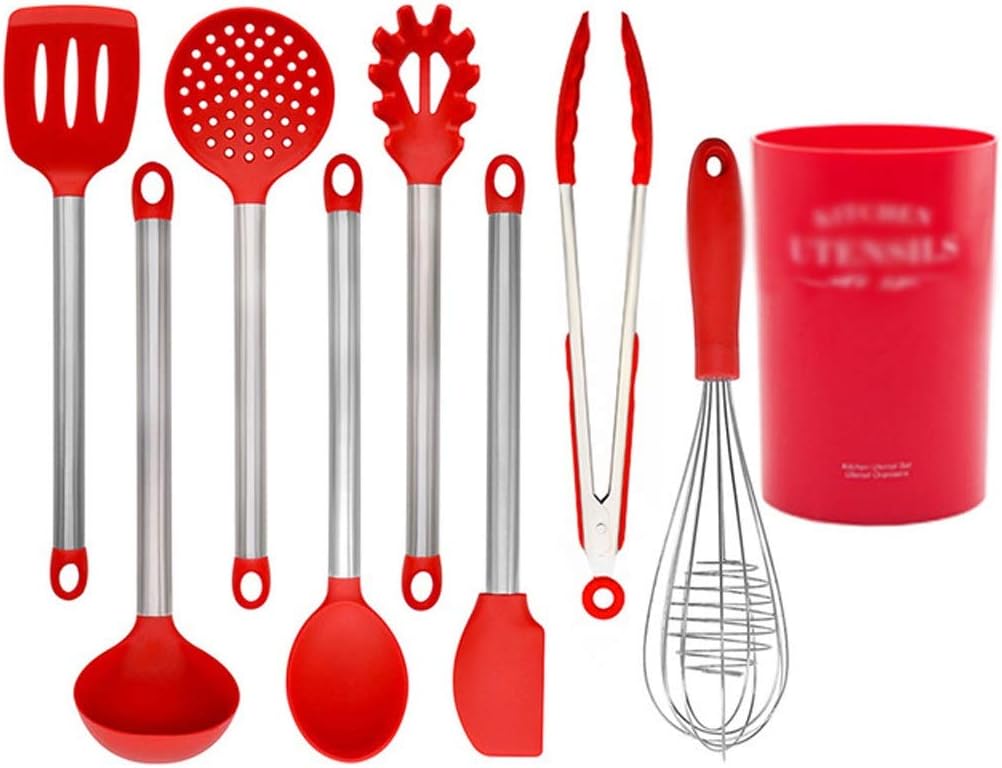
Think of it as your culinary dream team. Your silicone spatula is perfect for gently scraping that last bit of batter from your cake mix bowl or stirring a creamy risotto without damaging your non-stick pan. Your stainless steel whisk is your best friend for emulsifying sauces or whipping egg whites to stiff peaks. Your stainless steel tongs are invaluable for turning chicken in a hot cast-iron skillet, while a silicone-tipped tong might be gentler on your delicate fish fillets.
It’s not about one being inherently superior to the other; it’s about understanding their strengths and using them to your advantage. A good set of everyday utensils might include:
- A few silicone spatulas (one for scraping, one for flipping).
- A sturdy stainless steel whisk.
- A versatile set of stainless steel tongs (perhaps one with silicone tips for versatility).
- A deep stainless steel ladle for soups and stews.
- A few silicone stirring spoons for sauces and sautéing.
Pro Tip: When you're buying utensils, consider the handles too. Ergonomic handles on both silicone and stainless steel can make a huge difference in comfort and control, especially during long cooking sessions. Some stainless steel utensils have silicone grips for added comfort and heat protection.

And what about those novelty utensils? The brightly colored silicone ones can be fun for kids learning to cook, adding an element of playful safety. Stainless steel, on the other hand, often appeals to the home chef who appreciates the precision and feel of professional-grade tools.
Ultimately, the choice often comes down to personal preference and the specific tasks you perform most often. Do you cook a lot with delicate non-stick pans? Silicone will be your best friend. Do you frequently sear meats at high heat and appreciate tools that feel substantial? Stainless steel is your champion.
A Daily Reflection: More Than Just Tools
It’s funny, isn’t it? We spend so much time thinking about the big-picture aspects of our lives – careers, relationships, travel. But sometimes, the simplest things, like the tools we use to nourish ourselves and our loved ones, can have a profound impact on our daily experience. The smooth feel of a silicone spatula gliding across a pan, the satisfying clink of a stainless steel whisk against a mixing bowl – these are the small, sensory pleasures that make cooking less of a chore and more of an act of care.
Choosing between silicone and stainless steel isn't just about materials; it's about how we want to engage with our kitchens. Do we want a gentle touch or a firm grip? A pop of playful color or a classic, elegant sheen? Whatever your preference, remember that these humble tools are our partners in the kitchen, helping us create memories, nourish our bodies, and share the simple, yet profound, joy of a good meal. So, next time you're reaching for a utensil, take a moment to appreciate its role. It's more than just a tool; it's a small, but significant, part of your daily life.