
Sizes Of Drip Irrigation Tubing
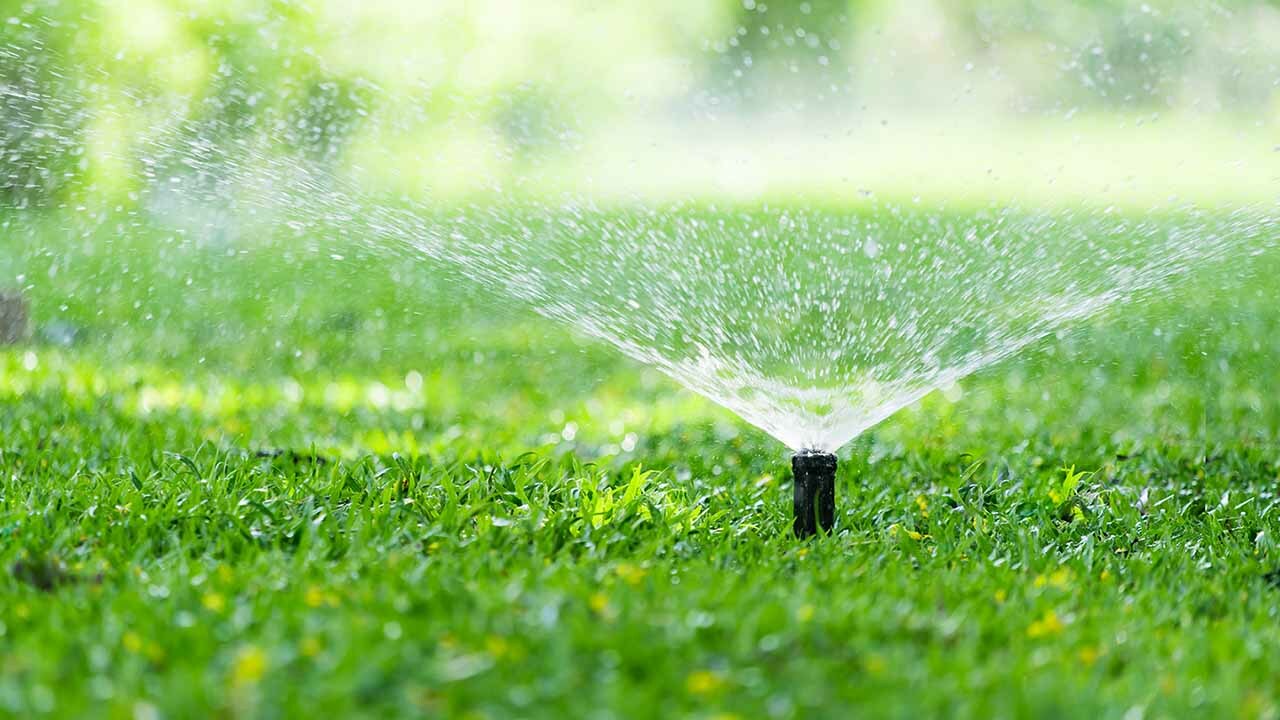
Let's chat about something that might sound a little technical, but trust me, it's as chill as a perfectly watered basil plant on a dewy morning. We're diving into the world of drip irrigation tubing sizes. Think of it as the circulatory system for your garden, ensuring every root gets just the right sip of life. Forget those garden hose wrestling matches; this is about precision, efficiency, and frankly, making your life a whole lot easier. So, grab a cup of your favorite herbal tea, maybe something with lavender for ultimate relaxation, and let's get our hands (metaphorically, for now) a little dirty.
You've probably seen those thin, black tubes snaking across garden beds, looking all stealthy and important. That, my friends, is the magic of drip irrigation. It’s not just for the serious horticulturists or the folks with sprawling vineyards (though they love it too!). Even a small balcony herb garden can benefit from this gentle, targeted watering system. And the key to making it work like a charm? Understanding the different sizes of that all-important tubing.
The Big Picture: Why Size Matters
It’s not about bragging rights for the biggest tube, of course. The size of your drip irrigation tubing directly impacts how much water can flow through it, how fast it flows, and how it’s delivered. Think of it like choosing the right straw for your drink. A tiny boba tea needs a wider straw, right? While a delicate shot of espresso might be fine with something slimmer. It’s all about matching the flow to the need.
In the drip irrigation world, we’re generally talking about two main players: 1/2-inch tubing and 1/4-inch tubing. These are your workhorses, your reliable companions in the quest for a thriving green space. Each has its own personality and purpose, and knowing which one to pick is like knowing when to wear your favorite comfy slippers versus your chic espadrilles – it’s about the occasion.
The Sturdy Workhorse: 1/2-Inch Tubing
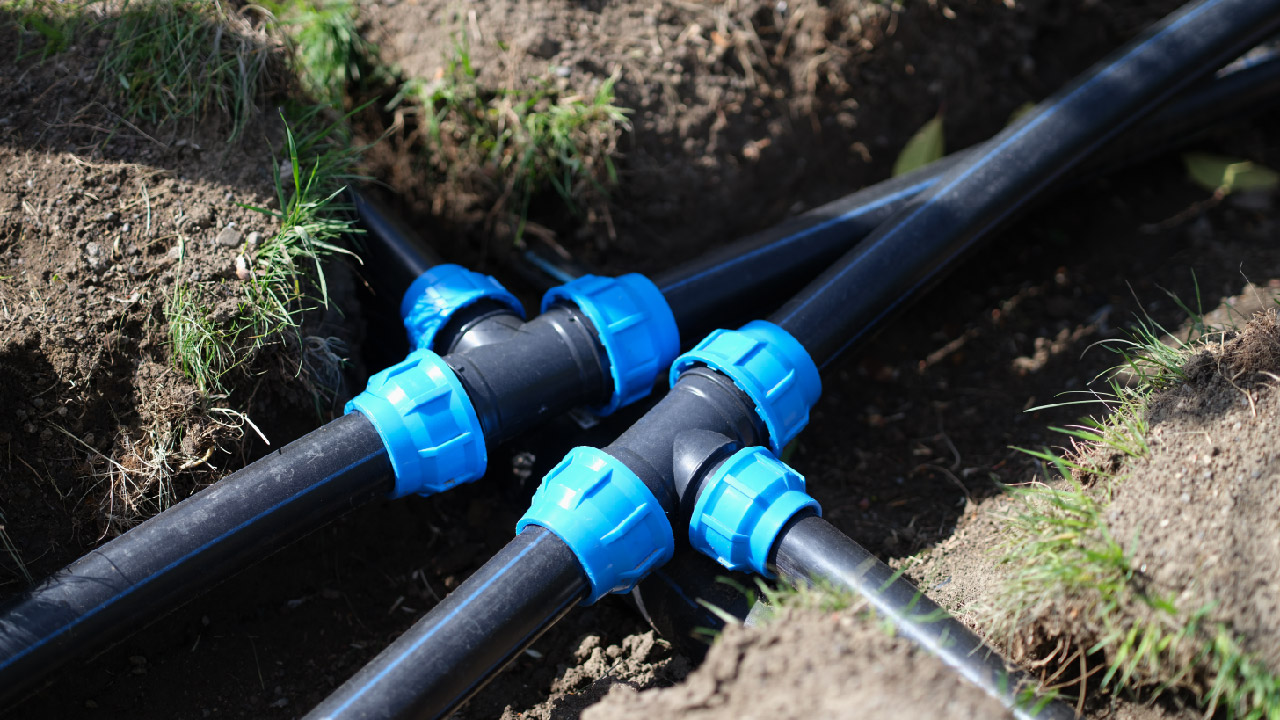
This is your main supply line, the artery that carries the lifeblood from your water source to your garden zones. 1/2-inch tubing, also often called poly tubing or main line tubing, is typically made from polyethylene, a pretty robust material that can handle being buried or exposed to the elements. It's the backbone of your system, designed to transport a significant volume of water over longer distances.
Imagine you have a decent-sized vegetable patch, or perhaps a row of fruit trees. This is where the 1/2-inch tubing shines. It’s robust enough to handle the pressure and volume needed to reach multiple areas without losing too much steam (or water, in this case). It’s like the reliable sedan in your life – gets you where you need to go, comfortably and efficiently, even if you’re carrying a few extra passengers (plants!).
Practical Tip: When laying out your 1/2-inch tubing, try to keep it as straight as possible. While it’s flexible, sharp bends can restrict water flow. Think of it as a gentle curve, not a hairpin turn. If you need to make a sharp turn, use a connector instead. These are readily available and make for a much happier, more hydrated plant.

Fun Fact: Polyethylene, the material most 1/2-inch tubing is made from, is the same stuff used in plastic grocery bags! Though, rest assured, the tubing is designed for a much longer, more dedicated service in your garden.
Cultural Nod: In ancient Rome, they had pretty sophisticated irrigation systems for their aqueducts. While they weren’t using polyethylene, the principle of efficiently moving water to where it was needed was just as crucial for their bustling cities and farmlands. Our drip irrigation is a modern echo of that ancient wisdom.
The Delicate Dripster: 1/4-Inch Tubing
Now, let’s talk about the finesse. 1/4-inch tubing, often referred to as micro-tubing or spaghetti tubing (adorable, right?), is where the magic of individual plant watering happens. This little guy is usually connected to your 1/2-inch main line and branches out to deliver water directly to the base of individual plants. Think of it as the IV drip for your prize-winning rose bush or that finicky tomato plant that demands special attention.
This tubing is perfect for spot watering, for container gardens, or for those specific plants that have unique watering needs. You can attach small emitters or drippers directly to the 1/4-inch tubing, giving you incredible control over exactly how much water each plant receives. It’s like having a personal butler for your garden, making sure everyone’s cup is filled just so.

Practical Tip: When connecting 1/4-inch tubing to your 1/2-inch main line, you’ll typically use a barbed connector or a punch tool to create a small hole in the main line. Then, you just push the 1/4-inch tubing into the hole. It's a satisfyingly snug fit. Make sure to order enough connectors – you'll be surprised how many little branches you'll want to create!
Fun Fact: The flexibility of 1/4-inch tubing makes it incredibly versatile. You can snake it around obstacles, weave it through dense foliage, and get it precisely where it needs to be. It’s the yoga instructor of drip irrigation tubing!
Cultural Nod: Think of the intricate water features in Persian gardens, or the meticulously managed rice paddies of Southeast Asia. These cultures have long understood the art of precise water delivery for optimal growth and beauty. Our 1/4-inch tubing is a small, modern way to tap into that ancient understanding of nurturing life with water.
When to Use Which (and Sometimes Both!)
Most drip irrigation systems will employ a combination of both 1/2-inch and 1/4-inch tubing. It’s a symphony of flow and precision.

- 1/2-inch tubing for the main lines that run throughout your garden or growing areas. This is your primary water distribution network.
- 1/4-inch tubing for branching off the main lines to water individual plants, small clusters of plants, or container gardens. This is your detailed delivery system.
Pro Tip: Always check the flow rate recommendations for your specific emitters and tubing. The diameter affects how much water can pass through. You don't want to overwhelm delicate plants or under-water thirsty ones. Most manufacturer websites have charts that are super helpful.
A Note on Other Sizes: While 1/2-inch and 1/4-inch are the most common for home gardeners, you might encounter 3/4-inch or even 1-inch tubing in larger commercial or agricultural settings. These are for massive water transport and are generally overkill for your backyard oasis. Stick to the friendly neighborhood 1/2 and 1/4!
Beyond the Basics: What Else to Consider
It’s not just about the diameter, though that’s a biggie. You’ll also want to consider the wall thickness of your tubing. Thicker walls (often measured in mils) are more durable, resistant to kinks, and better suited for areas where they might be walked on or exposed to more wear and tear. For a simple vegetable garden, standard wall thickness is usually fine, but if you’re building a system that needs to last for years and withstand a bit of abuse, go for the thicker option.
And then there are the emitters themselves. These are the little devices that control how water is released from the tubing. They come in all sorts of types:
- Drippers: These are designed to deliver a slow, steady drip of water directly to the soil surface.
- Micro-sprinklers: For areas that need a wider spray, like ground cover or densely planted flower beds.
- Soaker hose sections: Some systems incorporate porous tubing that weeps water along its entire length.
The size of your tubing will influence the type and number of emitters you can effectively use. A 1/2-inch line can support many emitters, while a 1/4-inch line is best for a few, closely spaced ones.
Thinking Ahead: If you're just starting out, consider buying a starter kit. These kits often come with a mix of tubing sizes, connectors, and emitters, giving you a great introduction to how everything works together. It’s like getting a DIY IKEA kit for your garden’s plumbing!
The Aesthetics Factor: While most drip irrigation tubing is black (which also helps prevent algae growth), you can sometimes find it in other colors. Black is generally the most practical, blending in with mulch and soil. But if you're feeling adventurous, who's to stop you from a little green or even brown tubing?
A Daily Reflection: Water Wisdom in a Busy World
In our fast-paced lives, it’s easy to feel like we’re constantly rushing. We’re juggling work, family, social lives, and that ever-growing to-do list. Sometimes, even watering the plants feels like another chore to tick off. But the beauty of drip irrigation, and understanding its components like tubing sizes, is that it brings a sense of calm and intention to our gardening.
It’s about entrusting a task to a system that’s designed for efficiency and care. It’s about making a choice to nurture life, even when we’re short on time. The gentle drip, drip, drip of water reaching the roots is a subtle reminder to be patient, to be consistent, and to appreciate the quiet processes that sustain us. Just as we need a steady, reliable flow of nourishment to thrive, so do our plants. And in a way, isn’t that true for all aspects of our lives? Finding that balance, ensuring a steady, gentle stream of what we need to grow and flourish. So, the next time you see that unassuming tube snaking through the soil, remember it’s more than just plastic; it’s a testament to thoughtful design, a quiet helper in the dance of growth, and a little piece of horticultural wisdom for your everyday life.