
Sony E Mount To Telescope Adapter

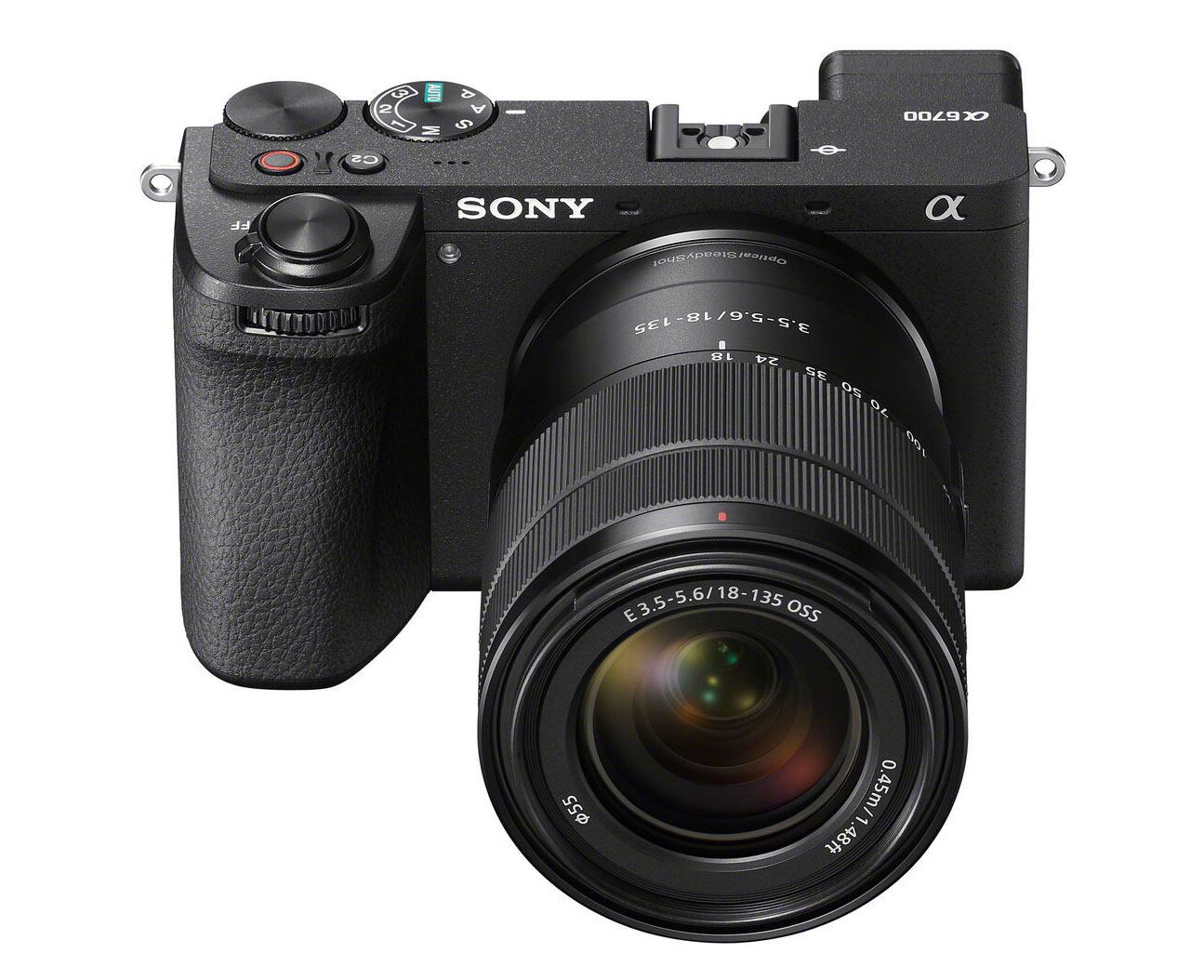
Hey, so you've got this fancy Sony E-mount camera, right? Like, one of those mirrorless beauties that take amazing pictures? And maybe, just maybe, you’ve been staring up at the night sky, thinking, "Man, wouldn’t it be cool to get a closer look at that?"
Yeah, I get it. We’ve all been there. You see that big ol’ moon, or maybe a distant nebula that looks like a smudge of fairy dust, and you think, “My lens just isn’t cutting it, is it?” It’s like trying to see a cat’s whiskers from across the street. Possible, but not exactly detailed, you know?
Well, guess what? There’s a little trick up our sleeves. A secret handshake for the astronomically inclined photographer. We’re talking about the Sony E-mount to telescope adapter. Mind. Blown. Right?
Think of it this way: your telescope is basically a giant, super-powerful eye. It gathers light from way, way out there. And your camera? Well, it’s the perfect way to capture whatever that eye sees. But they don’t exactly speak the same language, do they? A telescope eyepiece is, like, for looking, and your camera sensor is for recording. Different jobs, different connectors. It’s like trying to plug your phone into a toaster. Probably not gonna end well.
That’s where this magical little adapter comes in. It’s the ultimate translator. The Casanova of camera gear. It bridges the gap, making those two worlds collide in the most beautiful, celestial way. Suddenly, your telescope isn't just for peeking anymore; it's a giant telephoto lens for your E-mount camera. How cool is that?
So, what exactly is this adapter we’re jabbering about? It’s usually a pretty simple piece of metal, often aluminum. Nothing too flashy, no blinking lights or anything. It’s designed to screw onto your telescope, usually where the eyepiece would normally go. And on the other end? Bingo! It’s got that familiar Sony E-mount bayonet, ready to embrace your camera like a long-lost love. It’s literally that easy. Just screw and click. Boom. Space photography, here we come!
Now, before you go ordering the first one you see, a little word to the wise. Not all adapters are created equal. It's like buying shoes – you wouldn't buy clown shoes for a marathon, right? You need the right fit. So, what should you be looking for?

First off, compatibility. This is the big one. Does it actually fit your telescope? Most adapters for telescopes will connect via a standard thread size. The most common ones are T-threads (like 42mm x 0.75mm) or 1.25-inch barrel size. You gotta know what your telescope uses. It's like knowing your own phone charger type. Crucial!
And then, of course, the E-mount part. This is non-negotiable. You want it to securely mount your Sony E-mount camera body. No wobbling, no jiggling. We want sharp images, not blurry messes that look like you took them during an earthquake.
Some adapters might have extra features. You might find some with built-in Barlow lenses to give you extra magnification, or even T-ring adapters that are specifically designed for certain telescope types. It’s worth doing a little digging to see what’s out there and what might suit your specific needs. Think of it as picking out the perfect outfit for your astronomical adventures.
Why would you even bother with this whole setup, you ask? Oh, my friend, the possibilities are as endless as the universe itself! For starters, imagine planetary photography. You can zoom in on Jupiter, see its swirling storms, maybe even catch a glimpse of its moons. Or Saturn! That ringed beauty? It’s a whole new ballgame when you can capture it in glorious detail. Your social media feed is about to get a serious cosmic upgrade.

And it’s not just the planets! The Moon. Oh, the moon. You think you know it from just looking with your naked eye, or even with a basic camera lens? Ha! With a telescope adapter, you can capture craters so sharp you’ll feel like you could jump in them. You’ll see mountains, valleys, all the nooks and crannies. It’s like getting a front-row seat to lunar geology. Who knew space rock could be so fascinating?
But wait, there’s more! Think about deep-sky objects. Nebulae, galaxies… these are the faint fuzzies that usually require specialized, super-expensive long focal length lenses. With a telescope adapter, your existing telescope becomes that specialized lens! You can capture images of the Orion Nebula, the Andromeda Galaxy, even those tiny little star clusters that look like spilled diamonds. It’s like unlocking a secret level of photography.
One of the biggest advantages? Magnification. Your camera lenses have their limits. A 300mm lens is nice, but it’s not exactly going to get you close to Mars. A telescope, on the other hand, can have focal lengths of 1000mm, 2000mm, or even more! When you connect your E-mount camera, you’re tapping into that immense power. You’re going from a casual glance to a full-on, in-your-face cosmic encounter. Talk about a zoom upgrade!
Another huge perk is light gathering. Telescopes are designed to collect as much light as possible. This means you can capture fainter objects that would be impossible with your regular camera lenses. Plus, it means you can often use faster shutter speeds or lower ISO settings, which leads to cleaner images with less noise. Nobody likes a noisy picture, especially when you’re trying to marvel at the universe.
:quality(70)/cloudfront-us-east-1.images.arcpublishing.com/metroworldnews/VK4DOJXHNRC7PJHS4QUYG5MQ3Q.jpg)
Setting it up is usually a pretty straightforward affair. First, you’ll need to remove the eyepiece from your telescope. It just pulls out, or sometimes has a little screw to loosen. Then, you take your Sony E-mount to telescope adapter and screw it onto the telescope where the eyepiece was. Make sure it’s snug, but don’t crank it down like you’re trying to seal a nuclear reactor. Then, take your E-mount camera body, align the little red dots (or white dots, whatever your Sony uses), and twist it into place until it clicks. You’re connected! It's practically a hug between your camera and the cosmos.
Once you're all hooked up, the real fun begins. You’ll likely be shooting in manual mode, of course. Forget auto. This is serious business! You’ll be fiddling with shutter speed, aperture (though on most telescopes, this is fixed, which is part of the fun!), and ISO. You’ll be focusing manually, too. Forget autofocus; your telescope’s focuser is your new best friend. It might take some practice, some trial and error, but that’s part of the adventure, isn’t it? Finding that perfect sharp focus is like finding the pot of gold at the end of a celestial rainbow.
Don't expect to just point and shoot and get Hubble-quality images right away. Astrophotography is a skill. It requires patience, practice, and a willingness to learn. You’ll be taking lots of test shots, zooming in, adjusting, and repeating. But the feeling when you finally nail that shot of Saturn’s rings, or a crisp image of the moon’s surface? Absolutely priceless. It’s a feeling of accomplishment that no other type of photography can quite match.
You might also want to think about accessories. Things like a remote shutter release or a cable release can be super helpful. Why? Because pressing the button on your camera can cause vibrations, which are the enemy of sharp astrophotography. A remote release lets you trigger the shutter without touching the camera. It’s like giving your camera a gentle whisper instead of a poke. And if you’re doing longer exposures (which you often will be for deep-sky objects), a sturdy tripod is an absolute must. We're talking about eliminating every possible shake.
And let’s not forget about image stacking. For many astrophotographers, especially for planets and the moon, taking a burst of images and then stacking them in software is key. This process can significantly reduce noise and bring out details that you wouldn’t see in a single shot. It’s like building a super-image out of lots of individual pieces. Think of it as digital magic.
So, is a Sony E-mount to telescope adapter for everyone? Maybe not. If you’re perfectly happy snapping pictures of your cat or your lunch, then probably not. But if you’ve ever felt that pull, that yearning to explore beyond our earthly confines, to capture the majesty of the cosmos… then this little adapter might just be your ticket to the stars. It’s an affordable way to massively expand your photographic horizons, turning your existing gear into something truly extraordinary. You’re not just buying an adapter; you’re buying a portal. A portal to the universe, right there on your camera.
Seriously, go look them up. You’ll find options for pretty much every budget. Some are super basic and get the job done, while others have a few more bells and whistles. Do a little research, read some reviews. See what other E-mount users are saying. It’s a fantastic way to dip your toes into the incredible world of astrophotography without needing to sell a kidney for a specialized telescope camera. Your Sony E-mount camera, paired with a good telescope and one of these adapters, is a seriously powerful combination. So, what are you waiting for? The universe isn't going to photograph itself, is it?
Imagine the bragging rights! "Oh, this? Yeah, just snapped this little moon shot last night." While everyone else is posting blurry iPhone pictures of the moon that look like a fuzzy white circle, you'll be showing off crystal-clear images of lunar craters. You’ll be the hero of the next backyard barbecue, the one with the actual cool photos. Plus, it’s a fantastic way to learn more about the night sky. You’ll start recognizing constellations, identifying planets, and understanding the vastness of it all. It’s educational and fun. What a combo!
So, yeah. The Sony E-mount to telescope adapter. It’s not just a piece of metal; it’s an invitation. An invitation to explore, to discover, and to capture the breathtaking beauty of the cosmos. Go forth, fellow photographer, and shoot for the stars! Literally!