
Spots On Stainless Steel Cookware
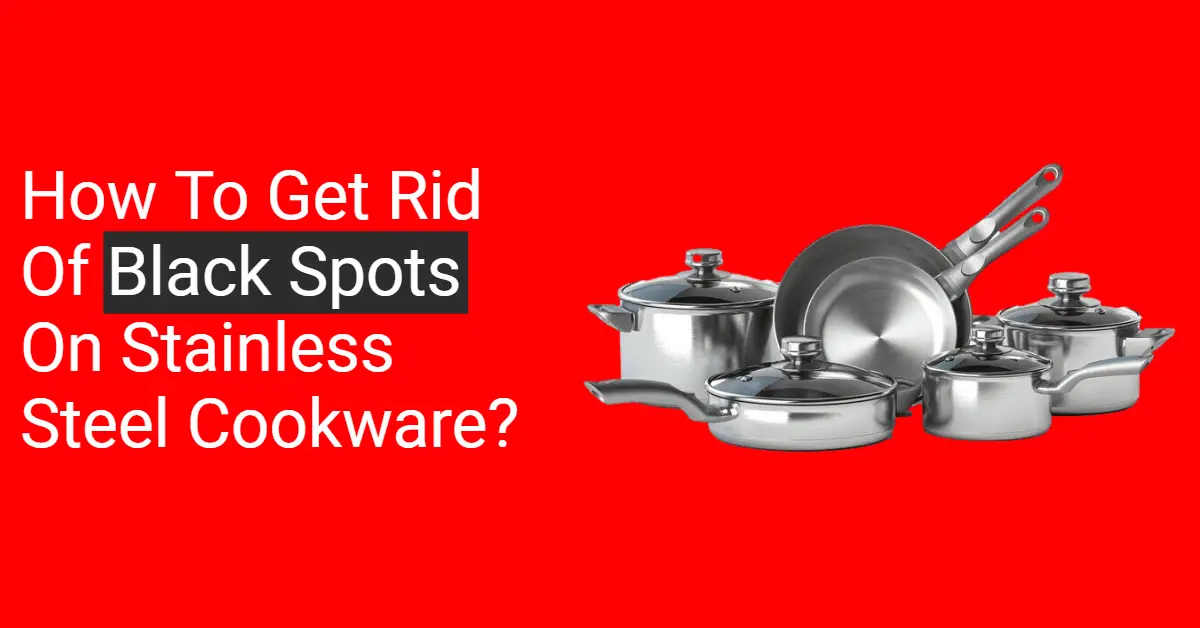
Ah, stainless steel cookware. The workhorse of kitchens everywhere. From searing that perfect steak to gently simmering a Sunday ragu, it’s the unsung hero of countless culinary adventures. But let’s be honest, sometimes our beloved stainless steel develops a personality of its own, manifesting as those pesky, mysterious spots. You know the ones – those little white, chalky marks that appear after a wash, or the rainbow-esque swirls that seem to materialize out of nowhere. Don’t fret, fellow home cooks! These aren’t signs of a failing pan or a culinary catastrophe. They’re just a little quirk of the material, and understanding them is the first step to keeping your stainless steel gleaming and ready for action.
Think of it like this: stainless steel, despite its name, isn't entirely "stainless." It’s a brilliant alloy, yes, but it’s also a bit of a social butterfly in the kitchen. It interacts with the things it encounters – water, food, detergents – and sometimes, these interactions leave a temporary imprint. It’s less of a flaw and more of a conversation. And like any good conversation, understanding the other party makes for a much smoother relationship.
The Usual Suspects: What’s Causing Those Spots?
So, let’s dive into the nitty-gritty. What are these little imperfections actually made of? More often than not, they’re a result of mineral deposits from your tap water. Especially if you live in an area with hard water, those dissolved calcium and magnesium ions love to leave their mark. When water evaporates, these minerals are left behind, forming those chalky white spots. It’s like a tiny, accidental geological formation on your stovetop!
Then there are the delightful, often alarming, rainbow sheens. These are usually caused by a reaction between the metal’s surface and certain food acids or sometimes even detergents. It’s a very minor oxidation, a brief flirtation between the steel and something else. It’s completely harmless, but visually, it can be a bit of a surprise. Imagine your pan blushing! It’s a phenomenon that’s particularly noticeable on polished stainless steel, where the light catches it just so.
Another culprit can be food residue. Sometimes, if food isn’t rinsed off thoroughly or if there are particularly starchy or sugary remnants, they can bake onto the surface during cooking or drying, leaving behind discolored patches. Think of that time you forgot about the pasta water boiling over – that’s the kind of residue we’re talking about.
Decoding the Rainbow: A Splash of Science (and Style)
The rainbow effect is actually quite fascinating. It’s a form of thin-film interference, similar to how oil slicks on water create those beautiful, iridescent patterns. When a thin layer of oxide forms on the stainless steel surface, it refracts light at different wavelengths, creating the spectrum of colors we see. It’s a testament to the subtle chemistry happening right there in your kitchen. It’s like your cookware is giving you a mini light show!
Historically, this phenomenon might have been a cause for concern, especially in times when cookware quality was more variable. But with modern stainless steel, it's purely aesthetic. Think of it as the pan’s way of saying, "I’ve been busy!" A little bit of character, if you will. It’s like a well-loved leather jacket that develops its own patina – a sign of use and enjoyment.
In the culinary world, this rainbow effect is sometimes referred to as "heat tint." It's most common when stainless steel is heated significantly, especially in the absence of food or liquid. It’s a visual indicator that the steel has indeed been put to work, mastering its craft over the flame.

The White Spots: Hard Water’s Little Calling Card
Those stubborn white spots are the true mineral deposits at work. They’re essentially the ghost of water past, clinging to your pan. If you've ever seen it on your glassware after a dishwasher cycle, it's the same principle. The minerals are left behind as the water dries. While they don't affect the performance of your cookware, they can certainly detract from that pristine, magazine-worthy look we all aspire to in our kitchens.
It’s a gentle reminder of the elemental forces at play. Water, a life-giver, also leaves its mark. And on polished surfaces like stainless steel, these mineral deposits are quite visible. It's a subtle interaction, but one that's easily remedied with a little know-how.
Bringing Back the Shine: Your Stain-Fighting Arsenal
Now, for the good stuff: how to banish these spots and restore your stainless steel to its former glory. Thankfully, you don’t need a whole arsenal of specialized chemicals. Many effective solutions are likely already in your pantry!
The Vinegar Solution: A Culinary Classic
White vinegar is your best friend here. Its acidity is brilliant at breaking down mineral deposits and those light oxidation stains. Here’s how to deploy it:
- For stubborn white spots: Pour a little white vinegar directly onto the affected areas. Let it sit for a few minutes. Then, gently scrub with a soft sponge or cloth. Rinse thoroughly and dry.
- For rainbow sheens and general dullness: Mix equal parts white vinegar and water in a spray bottle. Spray the pan, let it sit for a minute, then wipe with a soft cloth. For tougher spots, you might need to gently scrub.
You can also boil a solution of equal parts vinegar and water in the pan for a few minutes. This is especially effective for those hard-to-reach interior spots. Be prepared for a slight vinegar aroma – it’s the smell of clean!

Baking Soda: The Gentle Exfoliator
Baking soda is another pantry powerhouse. It’s mildly abrasive, making it excellent for scrubbing without scratching. For tougher spots, it works wonders:
- Create a paste by mixing baking soda with a little water.
- Apply the paste to the stained areas and let it sit for 10-15 minutes.
- Gently scrub with a non-abrasive sponge or cloth, following the grain of the stainless steel.
- Rinse well and dry.
Baking soda is particularly good at lifting away those baked-on food residues that can contribute to discoloration. It’s like a spa treatment for your pans!
Lemon Juice: Nature's Acidic Powerhouse
Similar to vinegar, the citric acid in lemon juice can also tackle those mineral deposits and light stains. Cut a lemon in half, rub the cut side over the affected areas, let it sit for a few minutes, then scrub gently and rinse. It's a bit more fragrant and a lovely natural alternative.
Commercial Stainless Steel Cleaners: When You Need Extra Oomph
If the natural remedies don’t quite cut it, there are plenty of excellent commercial stainless steel cleaners available. Look for ones specifically designed for cookware. These often contain mild abrasives and polishing agents that can restore that factory-fresh shine. Always follow the product instructions carefully and rinse thoroughly.
Preventative Measures: Keeping the Spots at Bay
Prevention is, as they say, better than cure. A few simple habits can go a long way in keeping your stainless steel looking its best:

Dry Immediately and Thoroughly
This is arguably the most important tip. After washing your cookware, dry it immediately and thoroughly with a soft cloth. This prevents water spots from forming in the first place. Don’t let it air dry; gravity will do its work, leaving those mineral marks behind.
Rinse Well
Make sure to rinse off all detergent and food particles thoroughly after washing. Leftover soap residue can contribute to spotting and dullness.
Avoid Harsh Scouring Pads
While baking soda is fine, avoid steel wool or overly abrasive scouring pads. These can scratch the surface of your stainless steel, creating more places for dirt and minerals to cling to. Stick to soft sponges, microfiber cloths, or specialized non-scratch scrubbers.
Don’t Leave Acidic Foods Sitting
Try not to leave highly acidic foods (like tomato sauce or citrus marinades) in your stainless steel cookware for extended periods. While stainless steel is resistant, prolonged exposure can contribute to discoloration.
Consider a Water Softener
If you have very hard water and are tired of dealing with spots on all your cookware and dishes, a water softener for your home might be a worthwhile investment.

A Touch of Cultural Flair: The Art of the Well-Maintained Kitchen
The care of kitchenware is a global tradition. In many cultures, a well-maintained kitchen is a source of pride. Think of the gleaming copper pots in a French bistro, or the meticulously polished cast iron in a Japanese home. Stainless steel, in its own modern way, deserves that same attention. It’s not just about appearances; it’s about respecting the tools that help us nourish ourselves and our loved ones.
The Japanese philosophy of Wabi-Sabi, which embraces imperfection and the beauty of transience, might even encourage us to see these spots not as flaws, but as marks of experience. Yet, for many of us, the desire for a clean and shiny kitchen is also a powerful aesthetic drive. It’s a balance, isn't it? Appreciating the journey while still enjoying the destination.
There’s a certain satisfaction in knowing your cookware is not just functional, but also looks good doing its job. It elevates the whole cooking experience, making it feel a little more intentional, a little more enjoyable.
Fun Facts to Chew On
- The “stainless” in stainless steel comes from the fact that it’s resistant to rust and staining due to the presence of chromium. However, it’s not completely immune!
- The very first stainless steel was invented in 1913 by British metallurgists Harry Brearley. He was actually trying to find a better alloy for gun barrels! Talk about an unexpected culinary innovation.
- The grade of stainless steel matters. For cookware, you’ll often see designations like 18/8 or 18/10. The first number refers to the percentage of chromium, and the second to the percentage of nickel. Higher nickel content generally means a shinier, more corrosion-resistant finish.
So, the next time you notice those little spots or swirls, don’t panic. They’re just a temporary reminder of your stainless steel’s busy life. A quick clean with vinegar or baking soda, and it’ll be sparkling again, ready for its next culinary performance.
A Final Thought on Daily Rhythms
In the grand scheme of things, these little spots on our cookware are rather insignificant. They’re a tiny blip in the rhythm of our daily lives. Yet, the act of caring for our tools, of wiping away those marks and restoring a sense of order and cleanliness, can be surprisingly therapeutic. It’s a small act of control, a moment of mindful engagement in a world that often feels chaotic. It’s about taking pride in the mundane, finding beauty in the functional, and ensuring that the spaces where we create sustenance are themselves nurtured. So, embrace the process, enjoy the shine, and let your stainless steel cookware continue to be the reliable, beautiful backdrop to your kitchen adventures.