
Stainless Steel 18 8 Meaning

So, I was at my friend Sarah’s place the other day, and we were making a ridiculously elaborate charcuterie board. We’re talking artisanal cheeses, cured meats that looked like they’d travelled the Silk Road, and olives so plump they practically had little olive dreams. Anyway, I reached for the cheese knife, a fancy one she’d inherited, and I remember thinking, “Wow, this thing is heavy. And it never gets rusty, even though she’s always forgetting to dry it properly.” She caught me staring at it and just grinned, “Oh yeah, that’s 18/8 stainless steel. My grandma swore by it.”
And that, my friends, was my unwitting introduction to the magic behind that shiny, reliable metal that seems to be everywhere. From our kitchen utensils to those sleek appliances that make us feel like we’re living in a sci-fi movie, it’s a quiet workhorse. But what exactly is this “18/8” thing? Is it some secret code? A secret handshake for people who appreciate good cutlery? Let’s dive in, shall we?
The ‘18’ and the ‘8’ – Not Just Random Numbers, People!
Okay, so the mystery of 18/8 stainless steel isn’t exactly as complex as deciphering ancient hieroglyphs, but it’s definitely more interesting than just saying “it’s that shiny metal.” Think of it like this: it’s a recipe, a chemical formula that tells us what’s inside this seemingly invincible material.
The “18” refers to 18% chromium. This is the superhero element. Chromium, when it’s exposed to oxygen in the air, forms a thin, invisible layer on the surface of the steel. This layer is called the passive layer, and it’s what makes stainless steel, well, stainless. It’s like a protective force field, preventing rust and corrosion from even thinking about taking hold.
And the “8”? That’s for 8% nickel. Nickel is the trusty sidekick. While chromium is out there fighting off rust, nickel is busy making the steel stronger, more ductile (meaning it can be bent and shaped without breaking), and even more corrosion-resistant. It’s like the best friend who makes the superhero even better at their job. Together, they create a potent combo.
So, when you see “18/8 stainless steel,” you’re essentially looking at a specific blend that promises excellent performance. It’s not just marketing fluff; it’s a chemical promise of quality and durability. Pretty neat, huh?
Why Should You Care About This Cr-Ni Combo?
You might be thinking, “Okay, so it’s got chromium and nickel. Big deal. My spoon is still a spoon.” But here’s the thing: this specific ratio is what gives 18/8 its stellar reputation. It’s considered a high-quality grade of stainless steel, often referred to as Type 304 stainless steel. This is probably the most common and versatile type of stainless steel out there, and it’s likely what your favorite kitchen gadgets, jewelry, and even some medical equipment are made of.

Think about it: You want your pots and pans to withstand high heat and acidic foods (like tomato sauce – oh, the acidity!). You want your cutlery to be easy to clean and not get pitted or stained. You want your reusable water bottle to keep your water tasting like water, not like… well, metallic mystery. 18/8 delivers on all these fronts.
It’s resistant to oxidation, which is what causes rust. It’s also resistant to many organic and inorganic chemicals, which is why it’s a go-to for food service and medical applications where hygiene is paramount. Imagine trying to sterilize something that constantly rusts! Nightmare.
And that’s not even mentioning how easy it is to work with. Manufacturers love it because it’s malleable enough to be formed into intricate shapes, which is why you see it in everything from delicate jewelry to complex industrial components. It’s a real all-rounder, and that’s a big part of its enduring popularity.
Beyond the Kitchen: Where Else Does This Stuff Show Up?
While the charcuterie knife was my gateway drug to 18/8, its applications go way, way beyond just slicing cheese. Seriously, it’s like the unsung hero of modern manufacturing.
Kitchenware, obviously: We touched on this, but it bears repeating. Pots, pans, cutlery, mixing bowls, sinks – if it’s in your kitchen and it’s supposed to last, chances are it’s got some 18/8 in it. It’s non-reactive with food, so your tomato soup won’t taste like metal, and it’s super hygienic. Plus, who has time for polishing stainless steel that’s going to get dinged up anyway? Not me, that’s for sure.
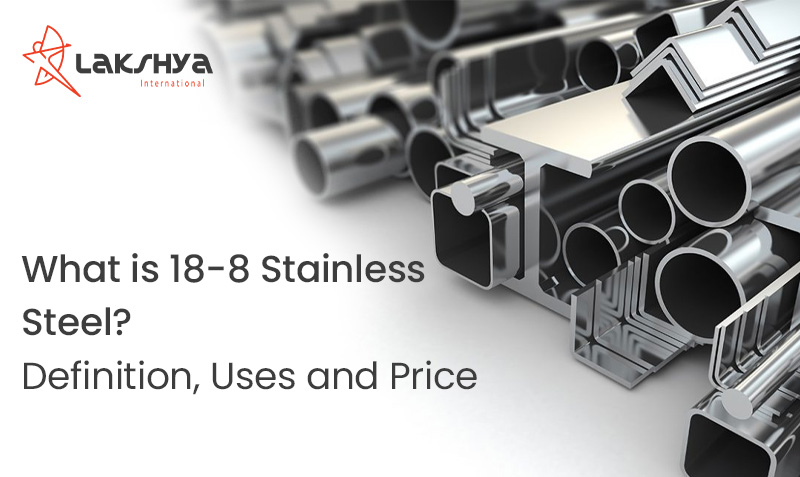
Medical and Scientific Equipment: This is where its resistance to corrosion and its hygienic properties really shine. Surgical instruments, laboratory equipment, implants – anything that needs to be sterile and withstand harsh cleaning agents or bodily fluids. It’s a material you can trust when lives and important research are on the line. Kind of makes you appreciate that spoon a little more, doesn’t it?
Jewelry: Yep, your trendy earrings or that chunky bracelet might be made of 18/8 stainless steel! It’s a fantastic alternative to sterling silver or even some precious metals because it’s hypoallergenic for many people, incredibly durable, and doesn’t tarnish. It’s the “set it and forget it” metal for fashionistas. No constant polishing needed!
Architectural Elements: Think about those sleek, modern buildings with stainless steel accents, or those outdoor sculptures that seem to defy the elements. 18/8 stainless steel is often used for its aesthetic appeal and its ability to withstand weather conditions without degrading. It’s a beautiful and practical choice.
Fasteners and Hardware: Screws, bolts, nuts – the little things that hold our world together. When these are made from 18/8, they’re less likely to rust and seize up, especially in outdoor or marine environments. This means things stay put, and you don’t have to wrestle with corroded hardware.
Automotive and Aerospace: While high-performance alloys are often used here, you’ll still find 18/8 stainless steel in various components where corrosion resistance and durability are key, but extreme temperatures or pressures aren’t the primary concern.
It’s pretty wild how a simple combination of metals can be so ubiquitous and so essential, isn’t it? It’s like the quiet achiever of the material world.
The Not-So-Secret Downsides (Because Nothing is Perfect, Right?)
Now, before you go thinking 18/8 is the ultimate material that can do no wrong, let’s pump the brakes for a second. While it’s fantastic, it’s not invincible. Every material has its limitations, and it’s good to be aware of them, especially if you’re making purchasing decisions.
It's not completely rust-proof: Remember that passive layer? While it’s incredibly effective, it can be damaged. If you subject 18/8 to very harsh chemicals (like strong acids or chlorides, especially in prolonged contact) or if the surface is heavily scratched and then exposed to corrosive elements, it can eventually corrode. Think of it as being very, very resistant, but not entirely immune to a determined attack.
Not ideal for extreme heat: While it handles normal cooking temperatures like a champ, 18/8 stainless steel isn’t designed for extreme high-temperature applications where other specialized alloys might be required. Think jet engines or furnaces – that’s a different league.
It can be scratched: Even though it’s durable, it’s not immune to scratches. Those fancy cheese knives can get scuffed, and your beloved pots can get marked by metal utensils. While it won’t rust because of a scratch, aesthetically, it might not look as pristine. This is why some people opt for ceramic coatings or other finishes on their cookware, even if the base is stainless steel.
Can be a bit heavy: Compared to plastics or aluminum, stainless steel can be heavier. This is why some travel mugs or camping gear might use other materials to save on weight. But then again, sometimes that heft feels reassuring, like with Sarah’s cheese knife. It feels… substantial.
So, while 18/8 is an outstanding material, understanding its nuances helps you appreciate it more and use it appropriately. It’s like knowing your best friend’s quirks – it doesn’t diminish their awesomeness, it just makes you appreciate them on a deeper level.
The Bottom Line: Why “18/8” Matters to You
So, the next time you’re looking at a product and see “18/8 stainless steel” listed in the description, you’ll know it’s not just random jargon. It’s a signal. It’s a promise of quality, durability, and a certain level of performance. It tells you that the item is likely made from a well-balanced alloy that offers excellent resistance to rust and corrosion, is hygienic, and will stand the test of time (within reason, of course).
It’s the reason why your stainless steel water bottle keeps your water tasting fresh, why your jewelry doesn’t turn your skin green, and why those fancy chef’s knives remain so sharp and stain-free for years. It’s the quiet assurance that you’ve got a reliable piece of equipment or accessory.
In a world that’s constantly churning out disposable items, knowing the materials that go into the things we use every day is increasingly important. 18/8 stainless steel is a testament to thoughtful engineering and the pursuit of materials that make our lives easier, safer, and, dare I say, a little bit shinier. It’s a simple ratio, but its impact is anything but. So go forth, appreciate your stainless steel, and know that behind that gleam lies a bit of metallurgical magic.