
Stainless Steel 316 Vs 304 Food Grade
Hey there, food lovers and kitchen adventurers! Ever found yourself staring at a shiny new pot or a fancy water bottle and wondered about all those "stainless steel" labels? Today, we're going to chat about something super common, yet surprisingly important for our daily munching and sipping: the difference between stainless steel 316 and stainless steel 304, especially when it comes to anything that touches our food.
Think of it like choosing between your trusty, comfy old sneakers and those sleek, high-tech running shoes. Both get you places, right? But one might be a little better suited for a marathon (or, in our case, resisting pesky corrosion!).
The Kitchen All-Stars: 304 and 316
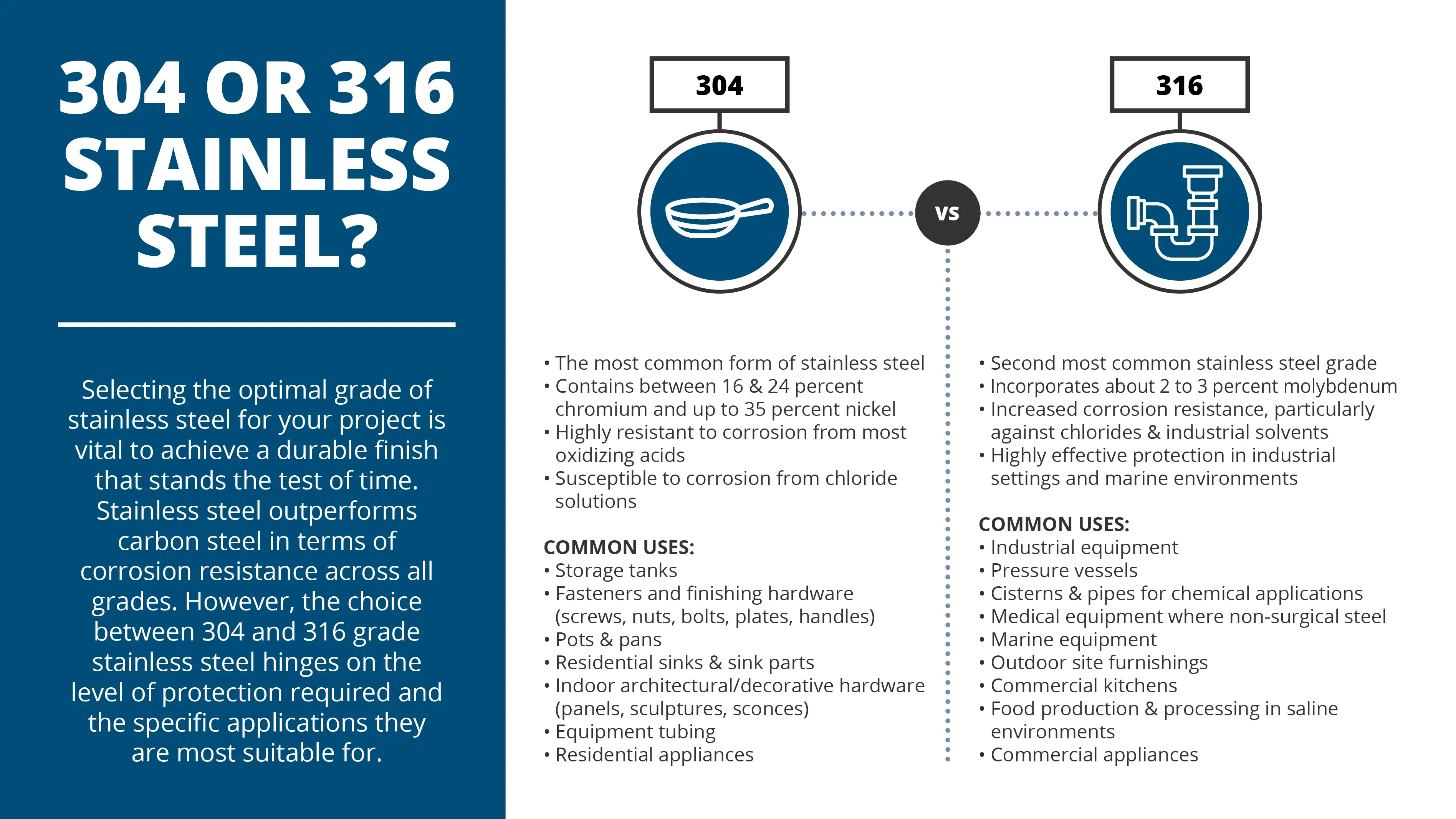
So, what's the big deal with these numbers? Well, they're like a secret handshake in the world of metals, telling us a bit about what's inside. Both 304 and 316 are fantastic, food-grade stainless steels. This means they’re generally safe to use with food, they don't rust easily (phew!), and they won't leach yucky stuff into your meals. They’re the workhorses of kitchens worldwide, from your humble frying pan to restaurant-grade equipment.
Imagine your grandma's old stainless steel mixing bowl. Chances are, it's probably 304. It's been through countless cookie dough sessions, pancake batter battles, and maybe even a few accidental drops. It’s reliable, it’s durable, and it does its job without a fuss. That's the spirit of 304!
304: The Reliable Buddy
This is the most common type of stainless steel you'll encounter. It’s like that friend who’s always there for you, dependable and unfussy. It’s made up of about 18% chromium and 8% nickel, which gives it its signature shine and rust-resistance. It’s great for pretty much anything you'd use in a typical kitchen: pots, pans, sinks, cutlery, and even those cute little cookie cutters.
Think about your everyday coffee mug. If it's stainless steel, it's almost certainly 304. It keeps your coffee warm, it's easy to clean, and it doesn't make your coffee taste like metal. Perfect, right? It's the go-to for a reason. It’s affordable and performs wonderfully for most everyday food contact applications.

But here's a little secret: sometimes, when you’re dealing with particularly salty foods, acidic ingredients (like lemon juice or vinegar), or even humid environments, 304 might start to show its age a tiny bit. It might develop some faint surface spots, especially over a long time. It’s not usually a big deal, and it's still perfectly safe, but it’s something to be aware of.
316: The Super-Hero Cousin
Now, let's talk about 316. This is where things get a little more super. 316 is also a fantastic food-grade stainless steel, but it has a little something extra: molybdenum. This is a bit like adding a special shield to our already tough metal. This addition makes 316 even more resistant to corrosion, especially from things like acids and chlorides (think salt!).
Imagine you're making a big pot of marinara sauce. You know, the one that simmers for hours with tomatoes, garlic, and a splash of wine? Or maybe you’re a fan of brining meats for that extra flavor. These are environments where the extra protection of 316 really shines. It's less likely to develop those tiny surface imperfections that 304 might get over time in these more aggressive conditions.
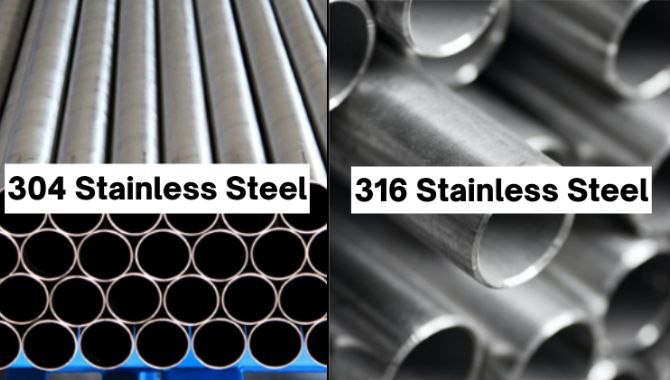
So, why would you choose 316 over 304? It often comes down to the environment and the longevity you're aiming for. If you're looking for something that will withstand harsher conditions or if you want the absolute best protection against corrosion for a very long time, 316 is your champion.
Where You'll Find 316
Because of its enhanced durability, 316 is often used in more demanding applications. Think about it:
- Marine environments: Boats are constantly exposed to saltwater, which is super corrosive. So, lots of boat fittings and equipment are made from 316.
- Medical devices: Surgical instruments and implants need to be incredibly safe and resistant to bodily fluids and sterilization processes. 316 is a common choice here.
- Chemical processing: When dealing with aggressive chemicals, 316 is the go-to for its superior resistance.
And yes, you'll also find it in high-end cookware, reusable water bottles designed for serious adventurers, and anything that might encounter a lot of salty or acidic substances repeatedly. It's like the premium, extra-care version of stainless steel.

Why Should YOU Care?
Okay, so why should all this metal talk matter to you when you're just trying to pack a lunch or make dinner? Simple: peace of mind and longevity!
When you’re choosing food-grade stainless steel items, knowing the difference can help you make the best choice for your needs. For most of your everyday kitchen adventures, 304 is absolutely fantastic. It's reliable, affordable, and will serve you well for years.
But if you’re an avid camper who uses a metal water bottle in salty sea air, or if you’re a gourmet cook who loves making intensely acidic sauces, or if you simply want an item that will look pristine for decades with minimal fuss, then investing in a 316 item might be worth it. It's like buying a really good quality umbrella; you're prepared for the worst, and you'll stay dry and happy!

Think about your reusable water bottle. If you’re just filling it with tap water for work, 304 is perfectly fine. But if you’re hiking and filling it from a stream that might have minerals or if you’re storing electrolyte drinks in it for a long hike, 316 offers that extra bit of confidence that it will stay looking and performing its best, no matter what you throw at it (or in it!).
Ultimately, both 304 and 316 are excellent choices for anything that comes into contact with your food. They’re safe, durable, and a huge upgrade from older, less resistant materials. The choice between them is like choosing between a comfortable armchair and a plush, high-backed executive chair. Both are great for sitting, but one might offer a little more support and a more luxurious feel, especially when you're planning on staying seated for a very long time!
So next time you see that "stainless steel" label, take a moment to appreciate the silent, shiny heroes in your kitchen and beyond. They're working hard to keep our food safe and our meals enjoyable. And if you see a 316 item, you can give yourself a little nod of understanding – you're looking at a true metal rockstar!