
Stainless Steel Aluminum Galvanic Corrosion
Hey there, coffee buddy! So, we're gonna chat about something a little… metallic. Yeah, I know, thrilling, right? But stick with me, because this stuff is actually kinda important, especially if you've ever seen those weird rusty spots on your otherwise fancy stainless steel things. We're diving into the wacky world of galvanic corrosion, specifically when our beloved stainless steel decides to get cozy with its pal, aluminum. Sounds like a recipe for disaster, doesn't it?
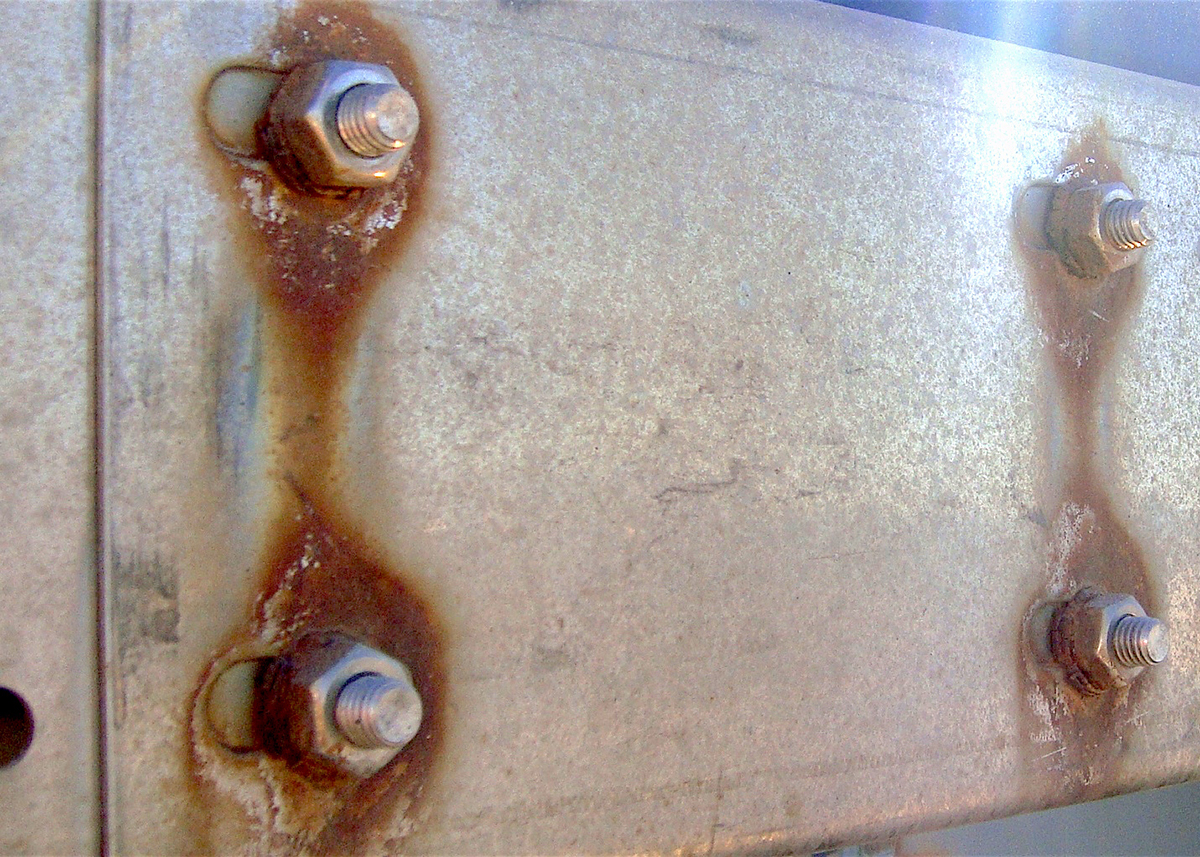
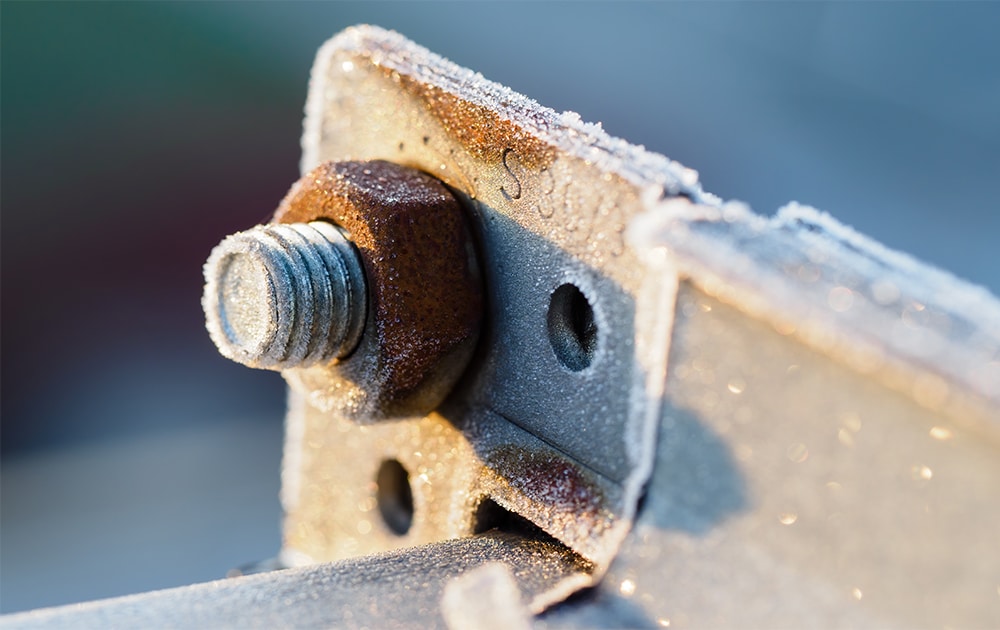
Okay, imagine this: you've got a shiny new pot with a stainless steel bottom, right? And maybe the handles are made of aluminum. Or perhaps you're rocking some awesome outdoor furniture, a mix of both. Lovely! But then, BAM! A few months later, you notice some unsightly discoloration, maybe even pitting, right where the two metals meet. What gives? Is your metal furniture staging a tiny, silent rebellion against you?
Well, it's not exactly a rebellion, but it's definitely a bit of a messy breakup. This whole situation is thanks to something called galvanic corrosion. Think of it like a microscopic fight club happening between different metals when they're hanging out in the same damp environment. And let me tell you, the rules of this fight club are pretty brutal for one of the participants.
So, how does this metal melee work? It all boils down to a little thing called electrochemical potential. Fancy words, I know. But basically, some metals are more "noble" than others. They're like the cool kids on the block, more resistant to giving up their electrons. Others? They're more eager to ditch their electrons, like that friend who's always looking for a handout.
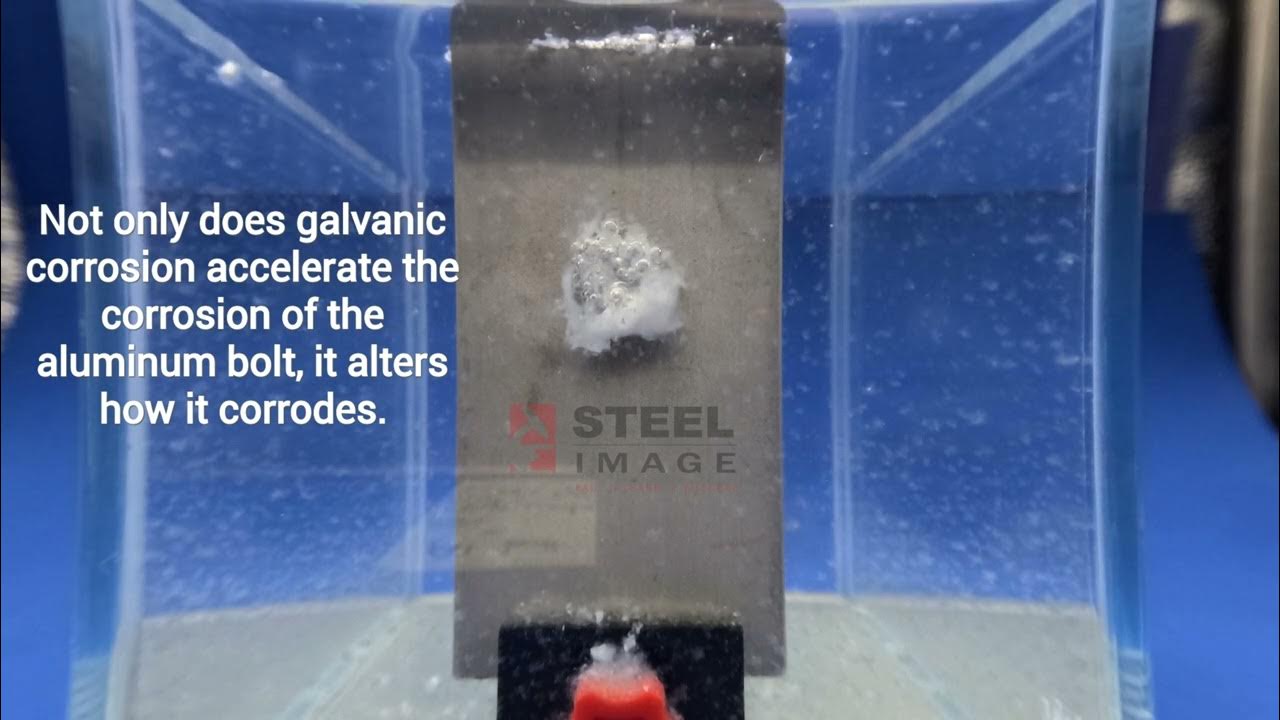
When stainless steel and aluminum are in contact and exposed to an electrolyte – which is just a fancy term for something that conducts electricity, like saltwater, or even just plain old moisture from the air – a circuit is formed. And guess who's usually the one playing the sacrificial lamb? Yep, you guessed it: aluminum. It's the more "active" metal in this pairing.
Basically, the aluminum gets so fired up about giving away its electrons that it starts to corrode, essentially dissolving away, so the stainless steel can stay all shiny and proud. It's like the aluminum is saying, "Here, take my electrons! Just leave my buddy stainless steel alone!" Talk about a noble sacrifice. Or maybe it's just a really bad decision.
Why is stainless steel so smug about it? Well, it's got this protective layer of chromium oxide. Think of it as a superhero cape that instantly forms when stainless steel is exposed to oxygen. This cape is super tough and prevents the underlying steel from corroding. Aluminum, on the other hand, also forms an oxide layer, but it's not nearly as robust and can break down more easily, especially in the presence of moisture and another, more noble metal.

So, when the two metals are touching, and there's a little bit of wetness around, the aluminum gets all flustered. It’s like it sees the stainless steel looking all pristine and thinks, "Ugh, I gotta be like that!" And the easiest way for it to try and achieve that is to sacrifice itself. It’s a bittersweet tragedy playing out on a microscopic level, folks. Your aluminum parts are essentially getting eaten away to protect the stainless steel.
Have you ever seen a boat with stainless steel hardware and aluminum trim? If that boat spends a lot of time in saltwater? You can bet your bottom dollar there's some galvanic corrosion happening. The saltwater is the perfect electrolyte, and the different metals are just begging for a reaction. The aluminum fittings might look rough, while the stainless steel bits are still looking pretty good. It's a classic example, and a pretty good indicator that someone didn't think through the material choices for that environment.
It's not just about aesthetics, either. This corrosion can weaken the aluminum parts over time. So, that fancy handle might not be so strong anymore. That little bracket holding something important could start to crumble. It’s like a slow-motion demolition of your once-perfect metal creations. Not ideal, right?
So, what can we do about this metal madness? Well, the first and arguably best defense is prevention. It’s always easier to stop a problem before it starts, isn't it? Think about it like this: if you know you're going to a party where there's a strict dress code, you don't show up in your pajamas, do you? (Unless it's a very cool party.) The same principle applies here. Try to avoid putting dissimilar metals together if you can, especially in environments where they'll get wet.
If you're designing something, or even just doing a DIY project, and you're thinking about using both stainless steel and aluminum, pause for a moment. Ask yourself, "Will these two metals be in constant contact, and will they be exposed to moisture?" If the answer to both is a resounding "yes," then you might want to reconsider your material choices. Maybe there’s an all-aluminum solution, or an all-stainless steel one. Or perhaps a different metal altogether.
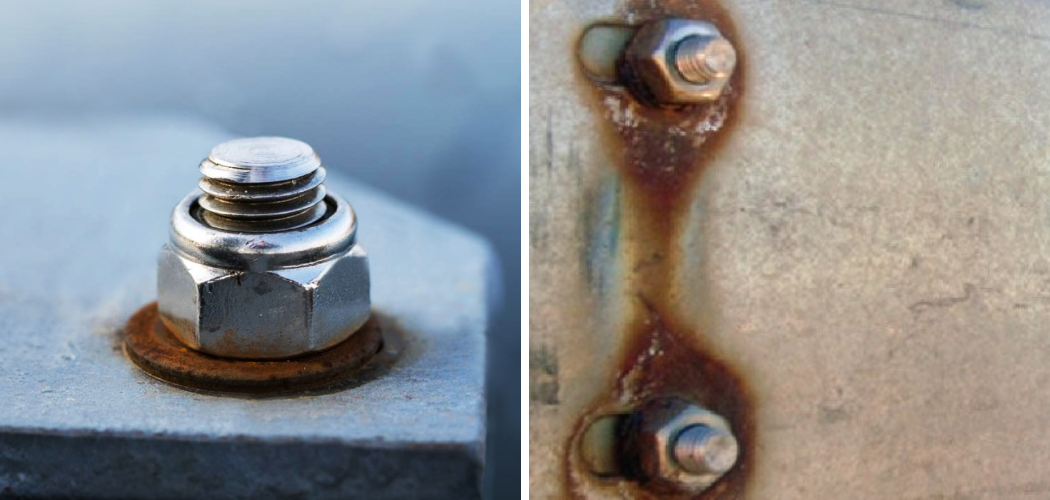
But what if you're stuck with a situation where they're already together? Don't despair! There are still some tricks up our sleeves. One of the most effective ways to combat galvanic corrosion is to isolate the two metals. Think of it as putting up a tiny, invisible fence between them. This is often done with non-conductive materials.
You can use things like plastic washers, rubber gaskets, or even special coatings. These act as a barrier, preventing the electrolyte from reaching both metals simultaneously. It’s like giving them their own personal space, and everyone’s happier. So, if you're attaching an aluminum bracket to a stainless steel surface, for example, slap a plastic washer in between. Simple, yet surprisingly effective.
Another clever trick is to use a sacrificial anode. This is a metal that is even more active than aluminum – think magnesium or zinc. This sacrificial anode is attached to the structure and is designed to corrode instead of your aluminum. It's like having a bodyguard for your aluminum. This is super common on boats, where zinc anodes are often bolted to the hull to protect the metal parts from the harsh saltwater environment. The anode gets eaten away, and your more expensive metal components live to see another day. Pretty neat, huh?
What about coatings? Sometimes, you can apply coatings to one or both of the metals to protect them. For stainless steel, this might involve a passivation treatment, which reinforces that protective oxide layer. For aluminum, it could be anodizing or painting. These coatings create a barrier that can significantly slow down the corrosion process. However, it's important to remember that coatings can be scratched or damaged, so they're not always a foolproof solution. And if the coating wears away where the two metals are in contact, well, then the galvanic corrosion party can start up again.
Even the environment plays a huge role, of course. If your stainless steel and aluminum combo is just chilling in a dry desert, you probably won't have much of a problem. It's the moisture, the salt, the general dampness that really fuels the fire. So, if you've got something outdoors, especially near the coast, be extra vigilant. You might need to be a bit more proactive with your protection methods.
Let's talk about specific examples. Ever seen those aluminum foil pans that you bake things in? And then maybe you've used a stainless steel spatula to try and get the last bits of deliciousness out? If you leave any sort of acidic food residue in there for too long, and it gets a little damp, you might notice some weird pitting on the foil. That's a mini-galvanic corrosion event happening! It’s not as dramatic as on a boat, but the principle is the same. The food residue acts as the electrolyte.
Or consider those stainless steel screws you might use to attach an aluminum flashing on your house. If the seal isn't perfect, and rain gets in there, those screws are going to try and do their best to stay pristine, while the aluminum flashing might start to look a bit sad around the screw holes. It’s a subtle battle, but a battle nonetheless.
The key takeaway here, my friend, is to be aware. Awareness is half the battle, right? When you're looking at products, or planning a project, just take a moment to consider the materials involved. Especially if they look like they're going to be good buddies in a potentially wet environment. Don't just assume that because they both look shiny and modern, they'll get along swimmingly.
Stainless steel is great, don't get me wrong. It's strong, it's corrosion-resistant (mostly!), and it looks fantastic. Aluminum is also wonderful – lightweight, strong, and versatile. But when you put them together without a plan? You're essentially setting them up for a little bit of drama. And that drama usually involves the aluminum taking a hit.
So, the next time you see a beautiful stainless steel appliance with aluminum accents, or that sleek patio furniture, you'll have a little secret knowledge. You'll know about the potential for galvanic corrosion, and you’ll be the one nodding wisely when someone else asks why their once-perfect metal is looking a bit rough. You’re basically a metal whisperer now. Congratulations!
Remember, it's not about being scared of using these materials. They're both incredibly useful! It's just about being smart. A little bit of planning, a few extra washers, or a well-placed coating can go a long, long way in keeping your metal treasures looking their best for years to come. So go forth, be informed, and let your metals live in harmony. Or at least, in a state of managed indifference. Cheers!