
Stainless Steel And Steel Corrosion
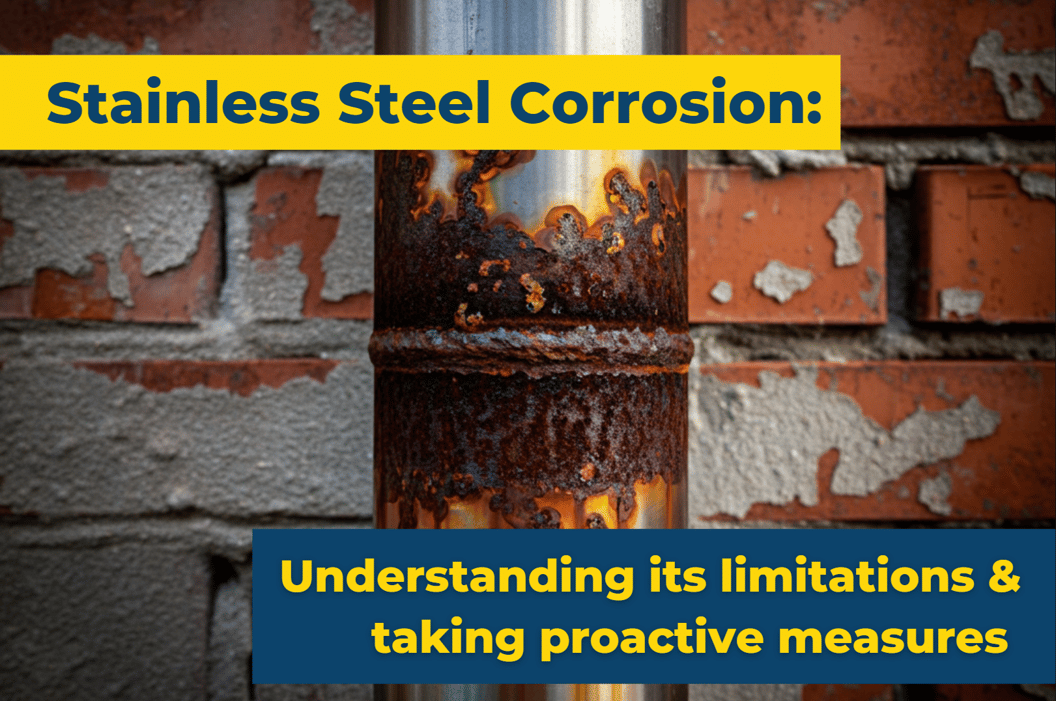
Alright, gather 'round, my friends, and let's talk about something that’s probably lurking in your kitchen right now, maybe even holding your coffee mug. I’m talking about steel. And not just any steel, but its fancy, shiny cousin, stainless steel. You know, the stuff that looks like it’s been polished by angels and is supposed to be, well, stainless. But, plot twist! It’s not always as invincible as its name suggests.
You see, steel is basically iron’s best friend, mixed with a little carbon. Think of it like a superhero team. Iron is the muscle, and carbon is the… well, the spice. Together, they’re strong, reliable, and can build anything from a skyscraper to your trusty frying pan. But iron, bless its metallic heart, has a bit of a weakness. It’s a bit of a drama queen when it comes to oxygen. Put iron and oxygen together, and what do you get? Rust! That flaky, orange stuff that makes your old bike look like it’s been through a particularly aggressive game of tag with a grumpy badger.
Now, stainless steel comes along and says, “Hold my beer, iron! I’ve got a secret weapon!” And that secret weapon is chromium. It’s like adding a superhero cape to our iron-carbon buddy. When you add at least 10.5% chromium to the mix, something magical happens. The chromium waltzes with the oxygen, forming this super-thin, invisible, and remarkably tough shield on the surface of the steel. It’s like a tiny, personal bodyguard for every single atom. This shield is so good, it basically tells oxygen, “Nope, not today, buddy!”
So, stainless steel is supposed to be, like, rust-proof. It’s in your cutlery, your sinks, your fancy espresso machine. It’s the Beyoncé of kitchenware – always looks good, rarely misses a beat. But here’s where the story gets a little… juicy. Sometimes, even Beyoncé can have a bad hair day, right? And stainless steel, despite its name, can actually get a little… annoyed.
The most common culprit? Salt. Yep, good old table salt. Or, you know, the salty air at the beach. Or even salty sweat from your brow when you’re wrestling with a particularly stubborn jar lid. When salt ions get onto the stainless steel surface, they can actually start to poke holes in that precious chromium shield. It’s like a thousand tiny little gremlins with tiny little hammers, systematically chipping away at the bodyguard. Once a tiny breach occurs, oxygen can sneak in and start doing its rusty mischief. And then, my friends, you might see little orange speckles. It’s not full-blown rust like your grandpa’s old garden gate, but it’s still a sign that your stainless steel is feeling a little… un-stainless.

Another sneaky saboteur is chlorides. Think of things like bleach, or certain cleaning products, or even some pool chemicals. These guys are like the supervillains to our stainless steel hero. They can be even more aggressive than salt at breaking down that protective shield. So, that’s why you should probably avoid using bleach on your stainless steel appliances unless the manufacturer specifically says it’s okay. You’re basically inviting the bad guys to a party.
Then there’s something called pitting corrosion. This is when those tiny little breaches in the shield turn into little pits. Imagine a tiny pothole forming on a highway. If you’re driving a tiny car, it’s not a big deal. But if you’re a regular-sized car, it’s a bumpy ride. In the case of stainless steel, these pits can be hard to clean and can eventually lead to more serious corrosion. It’s like a small scratch turning into a major wound.
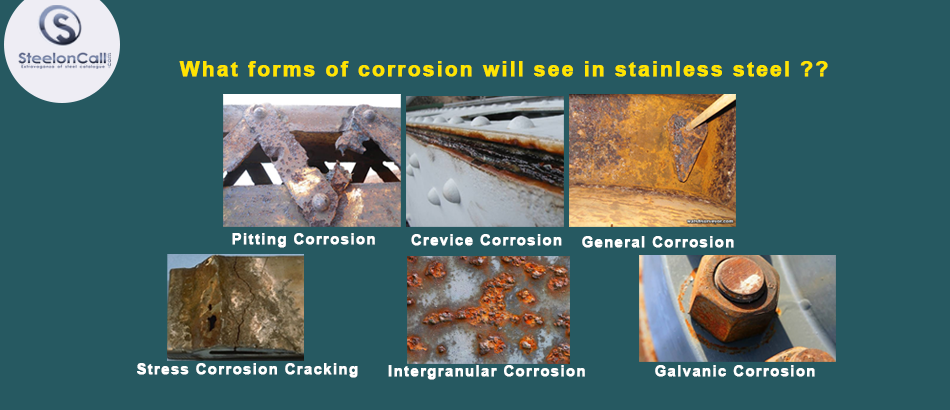
And don’t even get me started on crevice corrosion. This happens in tight spaces, like where two pieces of stainless steel are joined together, or under a gasket. It’s like a dark, damp corner where the bad guys can really thrive. The oxygen doesn’t get in there as easily, so the protective shield can’t do its job properly. Think of it as a secret hideout for rust. It's the villain’s lair, if you will.
But here’s the good news! Stainless steel is still pretty darn awesome. The different grades of stainless steel have different amounts of chromium and other alloying elements (like nickel, which is like a super-strength serum for the shield) that make them more or less resistant to corrosion. So, the stainless steel in your cheap camping cutlery might not be as robust as the stainless steel in your spaceship (okay, maybe not spaceships yet, but you get the idea!).
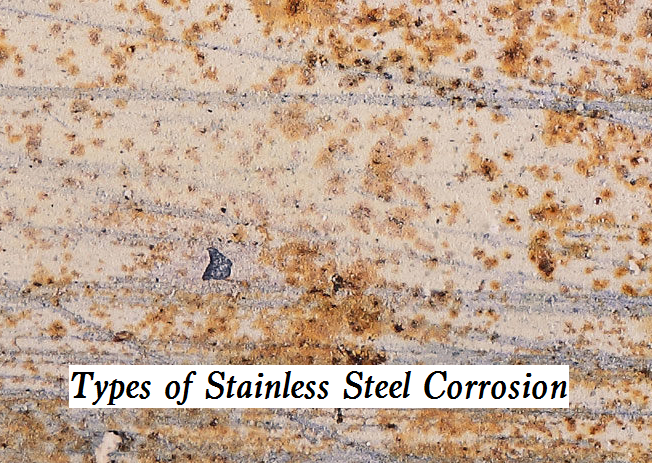
And most of the time, that little bit of surface rust or those faint orange spots are just that – surface-level. A good scrub with a non-abrasive cleaner and a bit of elbow grease can often sort it out. It’s like giving your superhero a quick pep talk and a power-up. Just remember to scrub with the grain of the metal, if you can see it. Going against the grain is like trying to comb your hair backwards – it’s just not going to work well and might even cause more damage.
So, while stainless steel isn’t a magic bullet against all forms of attack, it’s still the reigning champ of looking good while staying mostly strong. It’s like that friend who might occasionally trip but always bounces back with a smile and a dazzling outfit. Just treat it right, avoid the salty, chlorinated villains, and your stainless steel will keep shining for years to come. And if you do see a little rust, don’t panic. It’s just a sign that even the toughest heroes need a little attention now and then. It’s less of a tragedy and more of a… character development arc for your cookware.